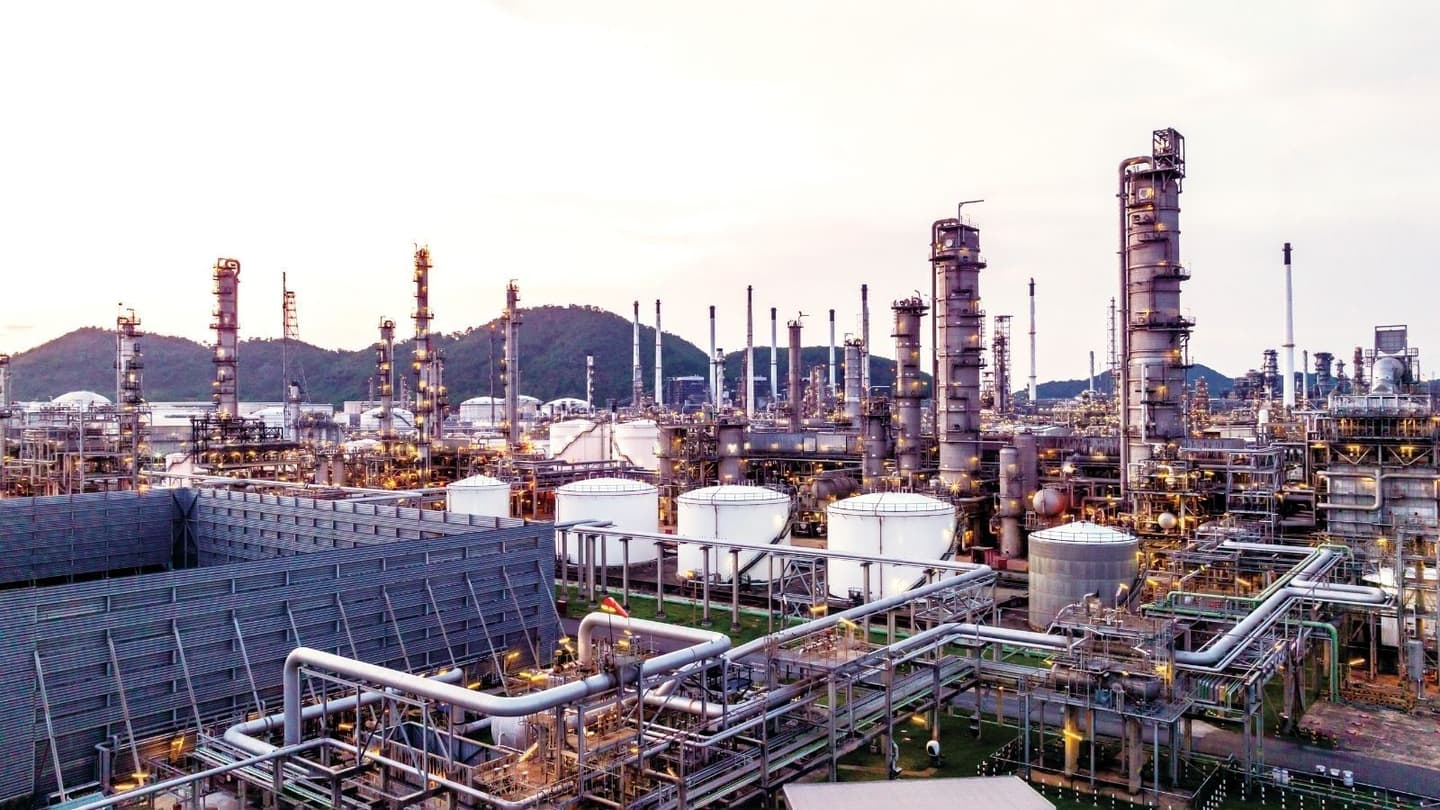
The downstream sector is evolving into a diversified industrial ecosystem driven by petrochemicals, decarbonisation, digitalisation, and circular economy strategies.
The country’ refining and petrochemical industry is undergoing a structural transformation. The sector is no longer viewed merely as a fuel-processing industry but increasingly as a strategic industrial platform driving energy security, manufacturing growth, technology adoption and sustainability objectives. The future of downstream lies in integration, diversification, operational efficiency and low-carbon innovation.
The shift is being shaped by rising petrochemical demand, the emergence of clean fuels, growing pressure to reduce emissions intensity, rapid digitalisation and the need for resilient supply chains. Industry leaders emphasise that downstream transformation will depend on combining policy support, advanced technologies, collaborative ecosystems and long-term investment strategies.
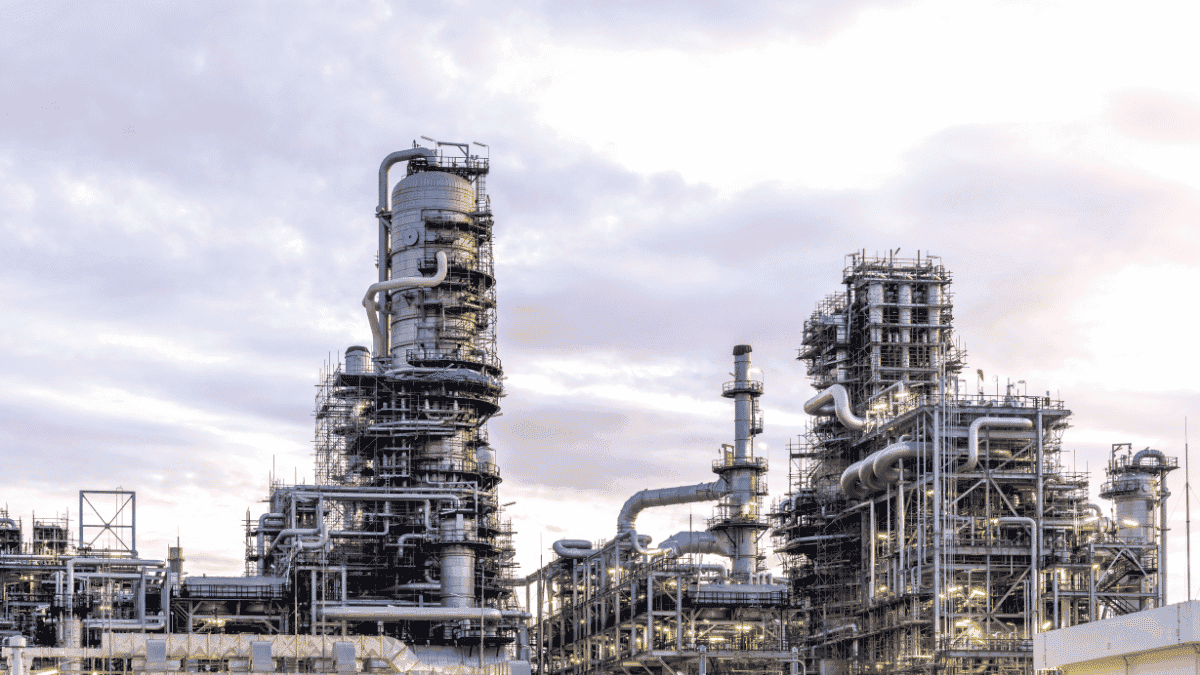
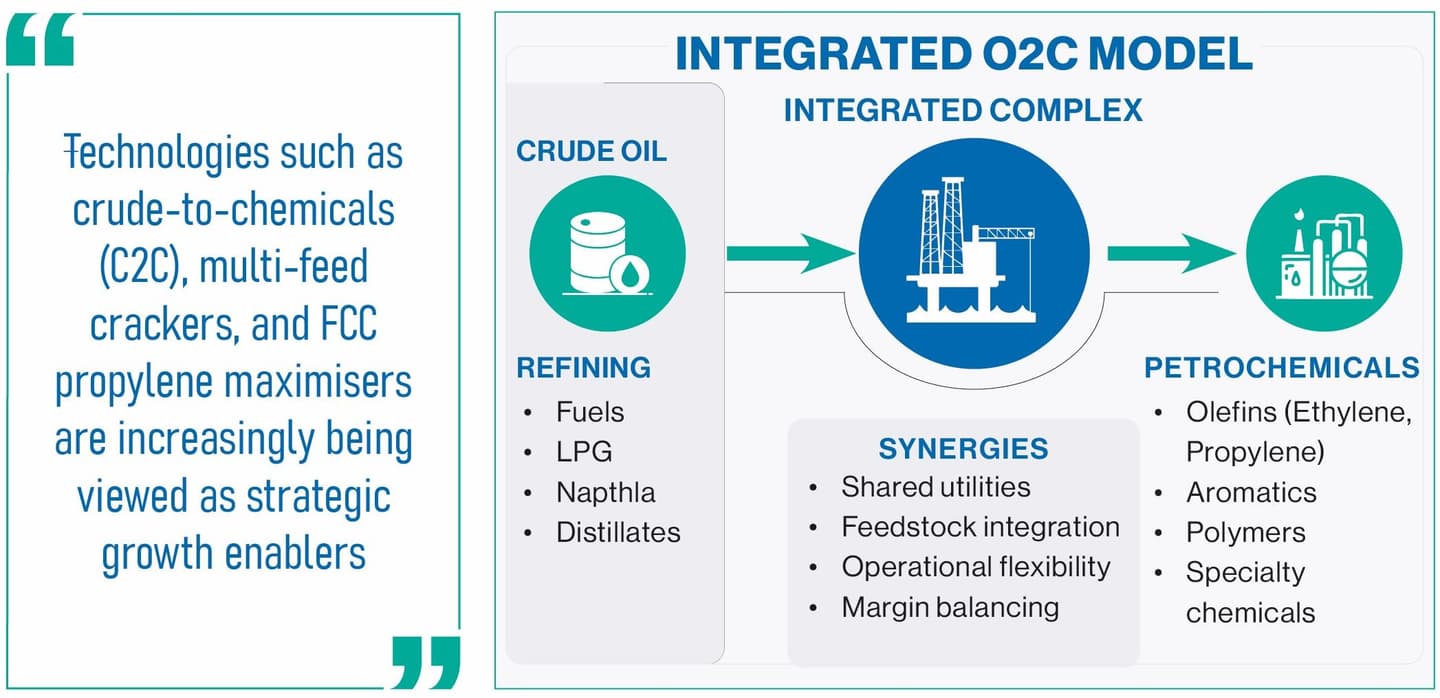
Technologies such as crude-to-chemicals (C2C), multi-feed crackers, and FCC propylene maximisers are increasingly being viewed as strategic growth enablers
Oil-to-Chemicals (O2C): The New Refining Paradigm
The downstream industry is increasingly transitioning from fuel-centric operations towards integrated O2C models. Refinery-petrochemical integration is becoming central to improving profitability, diversifying product portfolios and reducing dependence on transportation fuels.
Industry experts highlight that India must significantly increase petrochemical intensity to remain globally competitive. Integrated complexes offer multiple advantages including feedstock optimisation, margin balancing, operational flexibility, and improved resource utilisation. Technologies such as crude-to-chemicals (C2C), multi-feed crackers, and FCC propylene maximisers are increasingly being viewed as strategic growth enablers. The downstream sector’s future competitiveness will therefore increasingly depend on how effectively refiners integrate fuels and chemicals into unified industrial ecosystems.
Petrochemicals Become the Next Growth Engine
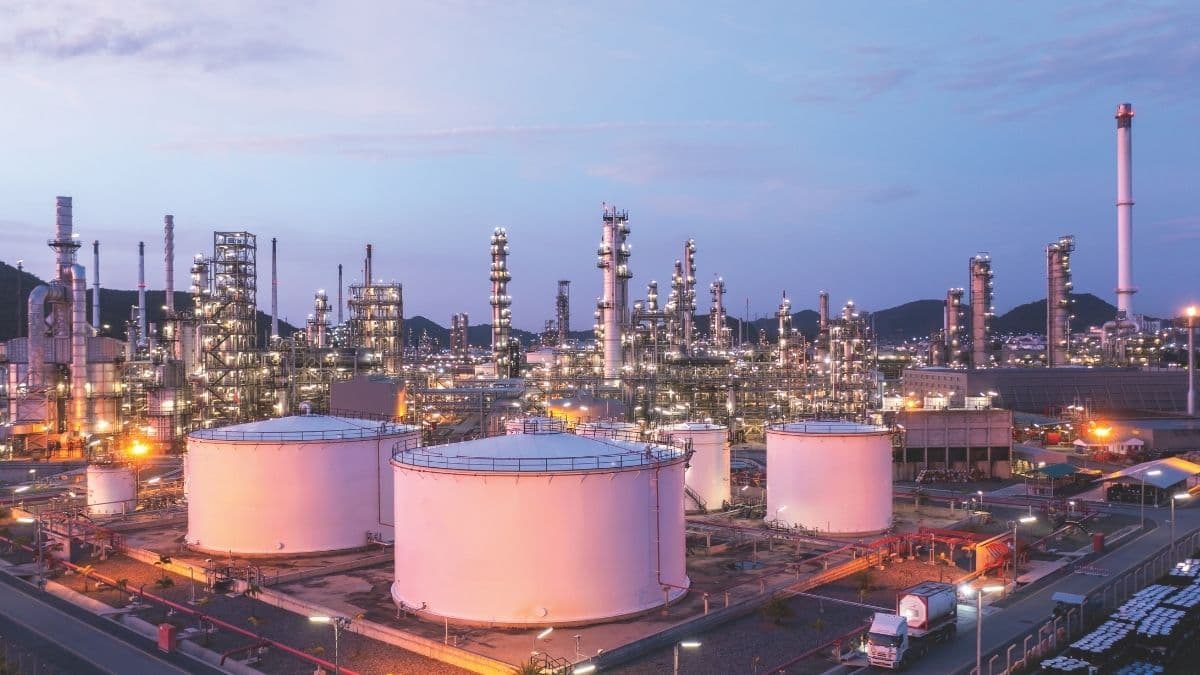
Petrochemicals are emerging as a major growth pillar for India’s downstream industry. With domestic demand expected to rise significantly over the coming decades, refiners are accelerating investments in integrated petrochemical infrastructure and diversified chemical product portfolios.
Industry leaders stress that India must move beyond dependence on conventional commodity chemicals and expand into specialty chemicals, advanced materials, and higher-value chemical products. The strategy is aimed at improving margins, strengthening industrial competitiveness, and reducing import dependence.
Expansion plans across the sector also indicate that future refining growth will increasingly be linked to chemicals first integration rather than standalone fuel production.
India’s Integrated Refining and Petrochemical Expansion
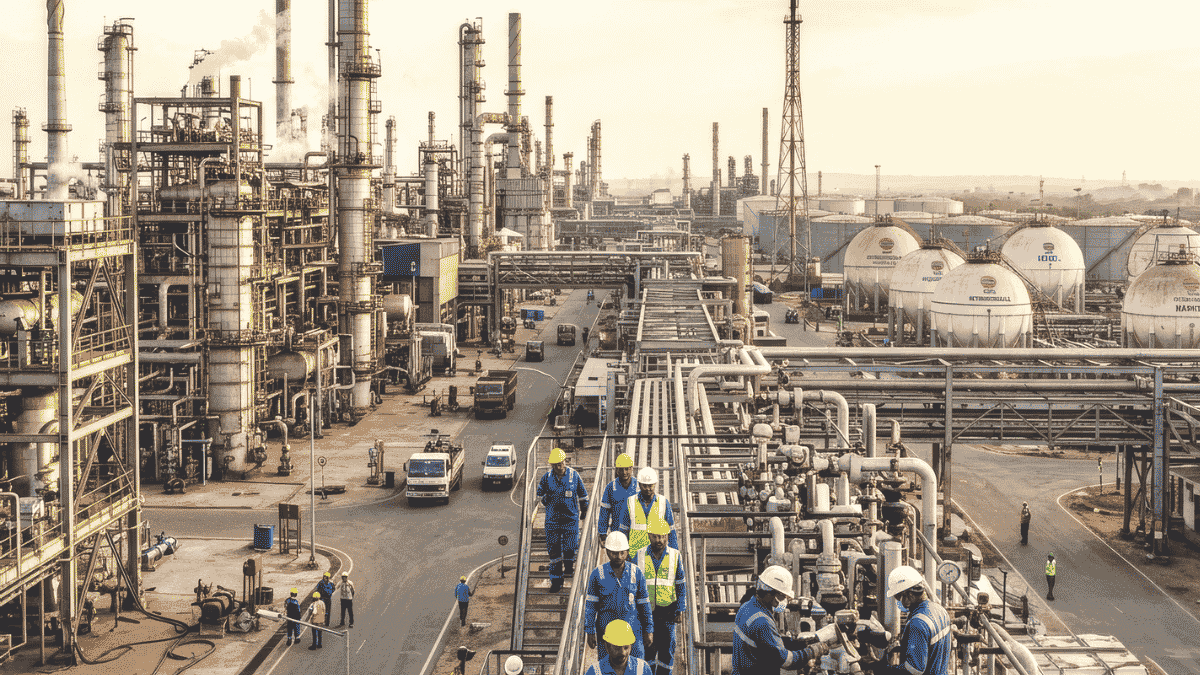
The country’s refining capacity expansion plans are being aligned with long-term petrochemical integration goals. The future investments must prioritise integrated refining-petrochemical ecosystems capable of supporting both domestic manufacturing and export competitiveness. Industry experts note that countries with high petrochemical integration levels possess stronger margin resilience and greater adaptability to shifting energy demand patterns. India’s downstream sector is therefore increasingly focusing on flexible feedstock systems, refinery retrofits, and integrated value chains to remain competitive in a changing global market.
Simultaneously, capacity expansion is being supported by investments in indigenous manufacturing, engineering capabilities, and supply chain localisation under broader industrial development initiatives.
The future investments must prioritise integrated Refining-petrochemical ecosystems capable of supporting both domestic manufacturing and export competitiveness
Decarbonisation Without Deindustrialisation
Industry leaders emphasise that decarbonisation must complement industrial growth rather than restrict it. The downstream sector is increasingly pursuing strategies that lower emissions intensity while preserving competitiveness, operational efficiency and long-term growth prospects.
Energy efficiency improvements, electrification, waste-heat recovery, renewable power integration, steam optimisation and process intensification are emerging as immediate pathways for emissions reduction. Refineries are also increasingly investing in cleaner process technologies, advanced catalysts and low-carbon operational systems.
National Green Hydrogen Mission is expected to significantly influence refining operations, feedstock strategies and clean fuel development over the coming decade
Balancing Industrial Growth with Net Zero Commitments
India’s downstream sector is attempting to balance rising energy and petrochemical demand with long-term climate commitments. Companies are adopting multi-layered decarbonisation strategies combining renewable integration, carbon management, biofuels, energy optimisation, and green technologies.
Net Zero pathways will require coordinated policy frameworks, financial support mechanisms, carbon market development and technology deployment at scale. Refiners are increasingly exploring pathways that integrate sustainability objectives with profitability and operational resilience. The sector’s transition is therefore being positioned not as a departure from industrial growth, but as a evolution towards lower-carbon industrial competitiveness.
Green Hydrogen, Carbon Capture, Utilisation and Storage (CCUS) and the Future of Refining
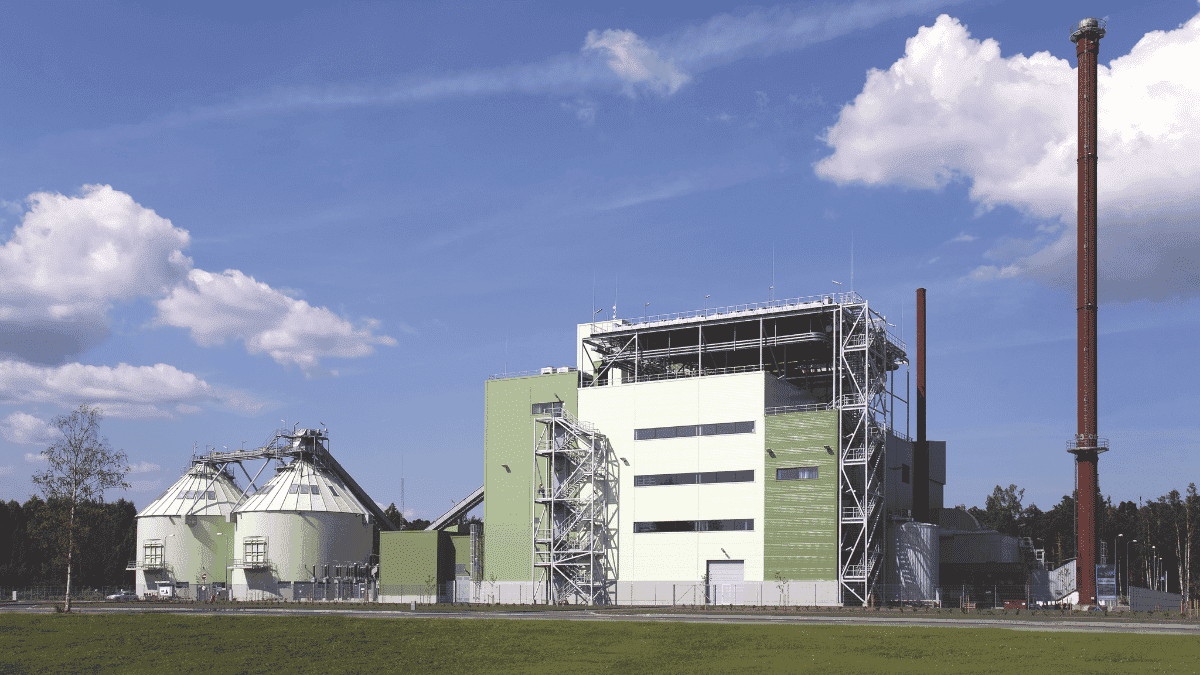
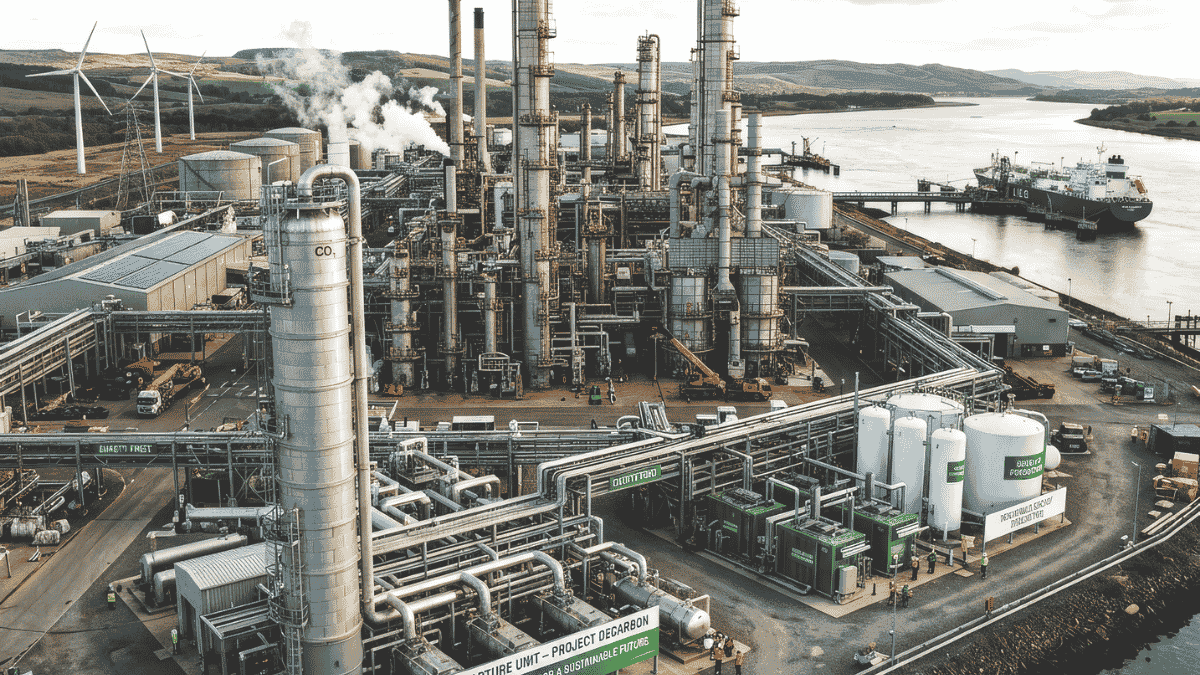
Green hydrogen and carbon capture technologies are emerging as central National Green Hydrogen Mission is expected to significantly influence refining operations, feedstock strategies and clean fuel development over the coming decade pillars of the downstream industry’s decarbonisation roadmap. India’s National Green Hydrogen Mission is expected to significantly influence refining operations, feedstock strategies and clean fuel development over the coming decade.
Refineries are increasingly investing in electrolysers, hydrogen pilots, renewable power systems, and CCUS initiatives aimed at reducing carbon intensity across operations. Pilot projects involving carbon dioxide utilisation, cleaner process technologies and hydrogen substitution are gradually moving from demonstration stages towards commercial relevance.
Industry players also stress the importance of supportive policy frameworks, testing infrastructure, certification systems and collaborative ecosystems for scaling hydrogen and carbon-management technologies.
Circular Economy and Waste-to-Chemicals Transformation
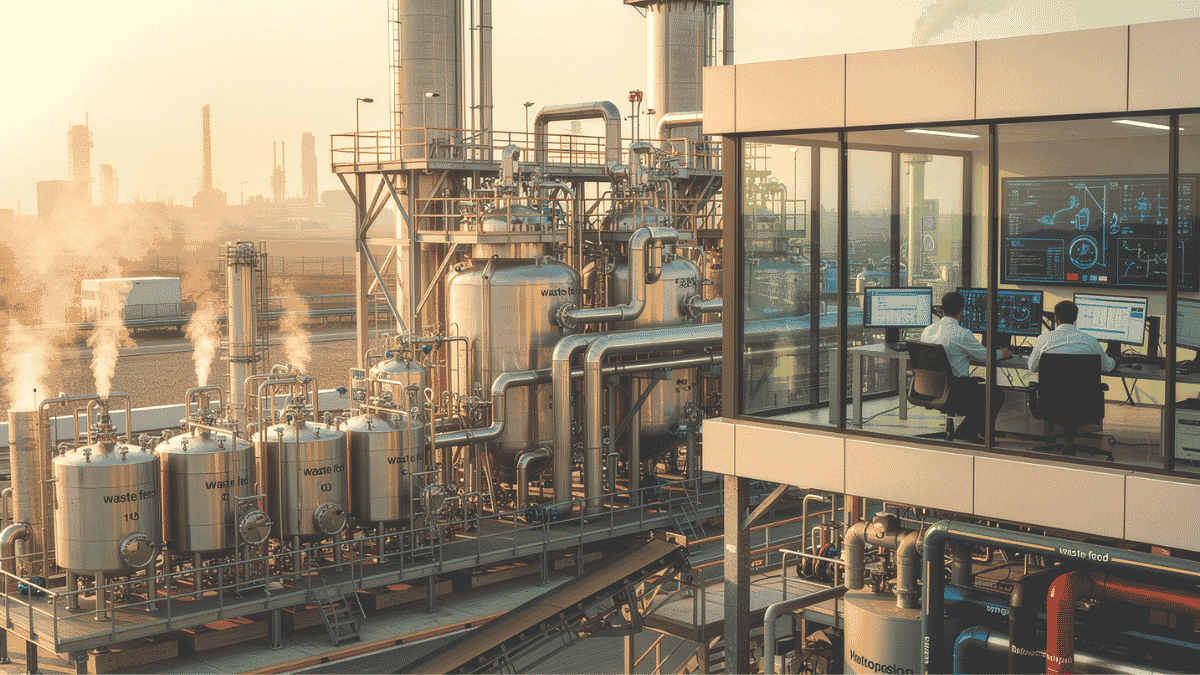
Circularity is increasingly becoming integrated into downstream strategy. Refineries and petrochemical companies are exploring plastics-to-tochemicals technologies, waste-to-fuels systems, biomass valorisation, lubricant recycling, and alternative feedstock pathways.
According to industry players, circular economy systems could become important feedstock sources while also improving sustainability performance and reducing waste management challenges. Technologies such as depolymerisation, pyrolysis, and catalytic waste conversion are being evaluated for commercial scalability. However, scaling circularity will require strong waste collection systems, EPRlinked logistics networks, feedstock standards, and collaboration among municipalities, technology providers, refiners, and startups.
The Intelligent Refinery
Digital transformation is rapidly reshaping refinery operations. Artificial Intelligence (AI) machine learning, predictive analytics and automation are increasingly being deployed to improve operational efficiency, process optimisation, safety and emissions management.
Industry experts note that a large portion of refinery operational data remains underutilised. Advanced analytics platforms, AI-enabled decision systems and digital twins are therefore emerging as critical tools for improving reliability, reducing downtime enhancing process efficiency.
Digitalisation is also driving predictive maintenance systems, real-time monitoring capabilities, and advanced operational intelligence across refining and petrochemical operations.
Digital twins are enabling operators to simulate refinery behaviour, optimise unit performance, identify anomalies, and improve energy efficiency
How Predictive Analytics and Digital Twins are Reshaping Refineries
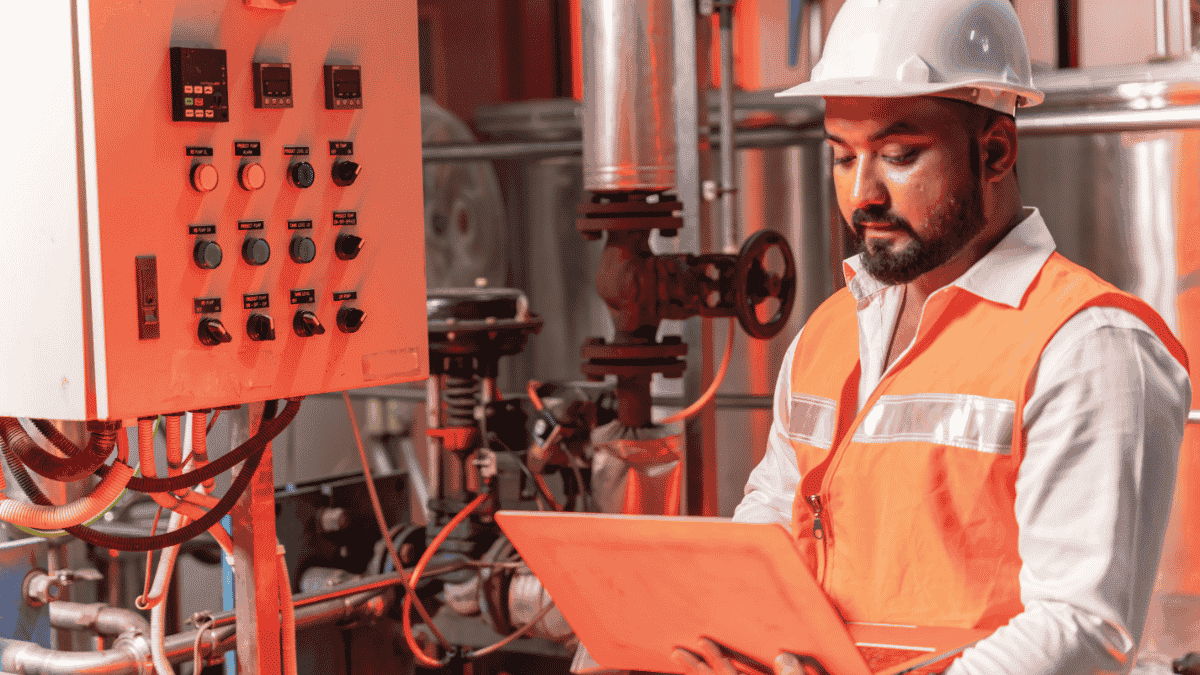
A growing shift from reactive operations towards predictive and prescriptive refinery management systems is noticeable. AI-driven platforms are increasingly integrating plant data, process models, and operational intelligence to support real-time decision-making.
Digital twins are enabling operators to simulate refinery behaviour, optimise unit performance, identify anomalies, and improve energy efficiency. Advanced sensing technologies and process analysers are also improving process visibility and operational precision.
As these technologies mature, digital intelligence is expected to become a defining competitive differentiator across India’s downstream ecosystem.

Digital Intelligence as the Next Competitive Advantage
Industry leaders increasingly view digital intelligence not merely as an operational tool but as a strategic capability. AI-enabled optimisation, predictive maintenance, advanced analytics, and integrated operational platforms are helping refiners improve efficiency, reduce emissions, enhance reliability and optimise margins simultaneously.
The downstream sector is therefore moving towards a future where competitiveness will depend as much on data infrastructure, automation systems and digital capabilities as on physical refining capacity itself. India’s downstream industry is entering a transformative phase defined by petrochemical integration, decarbonisation, circularity, digitalisation and technological innovation. The sector is increasingly evolving from conventional fuel refining towards a broader industrial ecosystem integrating chemicals, clean fuels, advanced manufacturing, and intelligent operations.
The next decade will determine how successfully India can build a resilient, competitive and low-carbon downstream ecosystem capable of balancing industrial growth with sustainability ambitions. The convergence of policy support, technology adoption, investment and collaborative execution will ultimately shape the future trajectory of India’s downstream sector.