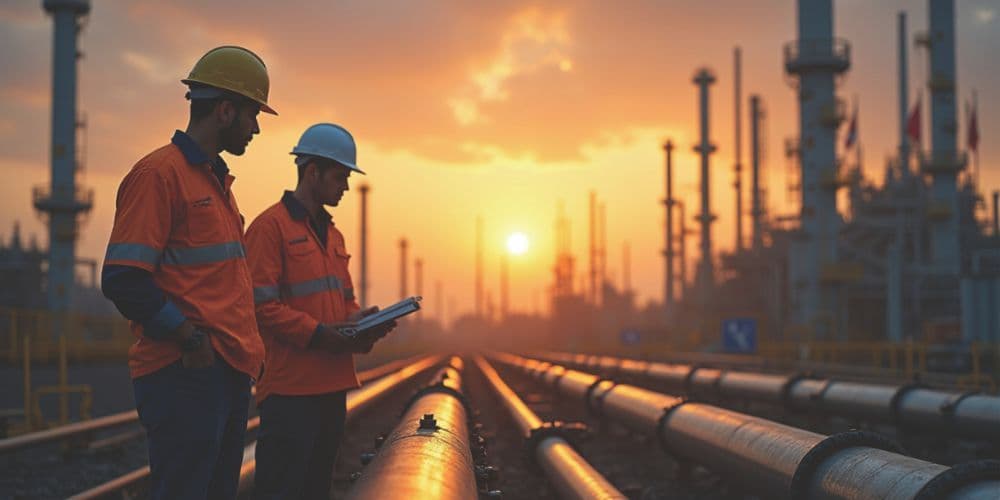
India is entering a decisive phase in its energy journey. As one of the world’s fastest-growing major economies, its energy system must expand in scale even as it undergoes structural change. The transition is unfolding alongside rising consumption driven by economic growth, urbanisation, and industrial activity, rather than in a context of declining demand. This reality fundamentally shapes the choices available across power generation, fuels, and industry.
The country’s energy strategy reflects parallel objectives that entail expanding renewable energy, improving efficiency, reducing emissions, and strengthening energy security, while keeping costs affordable for households and industry. The major challenge is no longer defining intent, but executing change under constraints, including import dependence, infrastructure readiness, land availability, and uneven institutional capacity.
Energy Demand, Growth and Security
India’s energy transition is demand-led. Sustained economic growth requires continued expansion of energy supply, placing energy security at the centre of transition planning. The country remains heavily dependent on imported crude oil and natural gas, exposing the economy to external price volatility and supply risks. This import exposure continues to influence policy choices across fuels, power generation, and industrial energy use.
Coal retains a central role in electricity generation, accounting for roughly 65 percent of power output, despite representing a smaller share of installed capacity. This reflects coal’s role in providing baseload power and system stability. While the share of renewables in installed capacity is rising, managing a gradual transition away from coal generation remains a structural challenge rather than an immediate substitution.
The country has articulated an ambition to reach 500 GW of renewable energy capacity by 2030. This expansion is intended to increase the role of non-fossil sources in the power mix and reduce dependence on coal over time. The pace and impact of this shift, however, depend on execution, infrastructure development, and system integration.
Power Transition
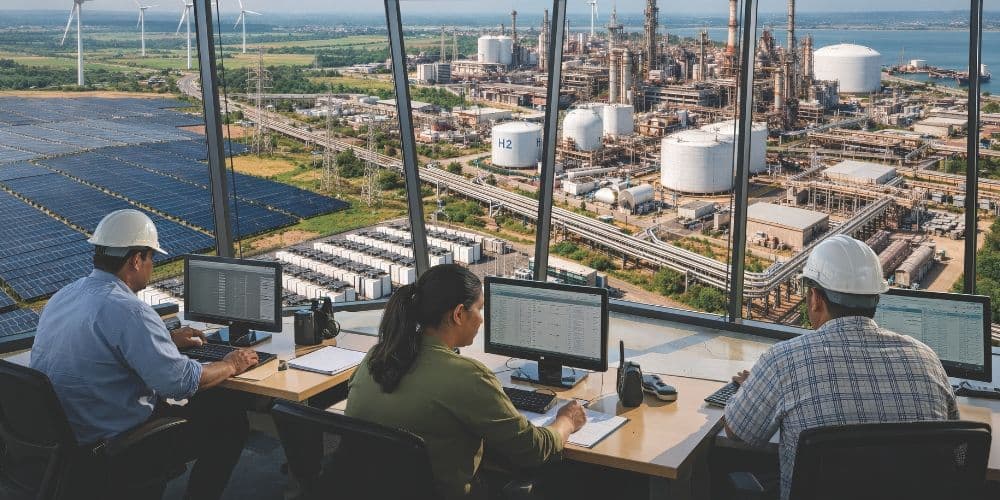
Rapid renewable capacity addition has altered the focus of India’s power transition. The primary challenge is no longer installing generation assets, but integrating variable renewable energy into a system historically designed around centralised thermal power. Grid stability, transmission availability, and storage solutions have emerged as critical enablers of further renewable deployment. Sharp declines in renewable tariffs have demonstrated the viability of solar and wind generation. At the same time, system-level requirements such as balancing resources, transmission capacity, and operational flexibility remain decisive for delivering reliable power. Without these, capacity additions risk underutilisation.
Transmission infrastructure has become a binding constraint. Delays in corridor development, right-of-way challenges, and mismatches between generation and evacuation timelines limit the effective absorption of new capacity. Grid expansion and modernisation are therefore integral to the transition rather than supporting measures.
Fuels Transition through Biofuels, Hydrogen and Cleaner Use of Domestic Resources
India’s fuel transition reflects a pragmatic approach shaped by affordability and availability. Ethanol blending has reached 20 percent, achieving the target ahead of its original timeline. Policy support and cost absorption mechanisms have helped limit the impact on consumers, reinforcing the importance of price stability in transition pathways.
Hydrogen is positioned as a strategic option for decarbonising industry and refining. However, green hydrogen remains significantly more expensive than existing grey hydrogen. Cost differentials, infrastructure gaps, and concerns over passing additional costs to end users constrain immediate large-scale adoption. As a result, attention has expanded to low-carbon hydrogen pathways, blending approaches, and phased infrastructure development.
Cleaner utilisation of domestic coal resources continues to be examined alongside renewable expansion. Coal gasification and carbon capture technologies have been demonstrated domestically, challenging assumptions about technological feasibility. These pathways are viewed as options to enhance energy security and reduce emissions from existing assets, rather than as substitutes for renewable energy.
Industrial Decarbonisation and Competitiveness
India’s decarbonisation challenge is particularly acute in hard-to-abate sectors such as steel, cement, refining, and fertilisers. These industries face limited near-term alternatives to fossil fuels and are highly sensitive to cost increases. Transition strategies, therefore, prioritise efficiency improvements, incremental fuel switching, and emerging technologies such as hydrogen and carbon capture. Decarbonisation is increasingly linked to competitiveness. As global markets evolve and carbon considerations influence trade, maintaining industrial viability while reducing emissions has become a strategic concern. The pace of industrial transition is likely to vary across sectors based on technology readiness, cost, and exposure to international markets.
Affordability, Finance and Political Economy
Affordability remains a defining constraint across India’s energy transition. Energy prices influence household welfare, industrial competitiveness, and political stability. Transition measures that significantly raise costs face resistance, underscoring the need for phased implementation and targeted policy support.
The challenge extends beyond capital availability to risk allocation. Long-term certainty, predictable regulation, and credible implementation frameworks are essential for attracting investment without transferring disproportionate costs to consumers. Balancing fiscal support with financial sustainability remains a central policy issue.
States, Diversity and Institutional Capacity
India’s energy transition does not follow a single national pathway. States operate under diverse geographic, environmental, and economic conditions that shape energy choices. Coastal regulation zones, forest cover, land constraints, and resource availability influence the mix of decentralised generation, efficiency measures, and grid-based solutions. Institutional coordination at the state level plays a decisive role in outcomes. Alignment between utilities, regulators, and planning authorities determines the pace of execution. While policy direction is increasingly clear, implementation capacity and timelines vary across regions.
India’s energy transition is defined by the need to advance multiple pathways simultaneously while managing structural constraints. Renewables, biofuels, hydrogen, cleaner fossil technologies, and efficiency improvements are all part of the evolving energy system. The central challenge lies in sequencing these pathways in a manner that preserves energy security, affordability, and economic growth.
The direction of travel is clear, but outcomes will depend on execution, infrastructure readiness, and institutional coordination. For a large, demand-led economy, the transition is not a single technological shift but a process of continuous system re-engineering under real-world constraints.