The oil and shipping industries are a mainstay of modern post-industrial revolution society. Whilst oil fuels the global economic growth, the shipping industry is the lifeblood of the world economy, carrying 90 percent of the global trade. However, climate change and environmental disaster mitigation are attendant issues that have now become emergent with each passing day.
In spite of zero incident policies and sustainable work practices being the standard norm for these industries globally, disasters in the marine ecosystem and the increasing amount of uncertainty for similar incidents remind us of the fragility of our environment following any incident.
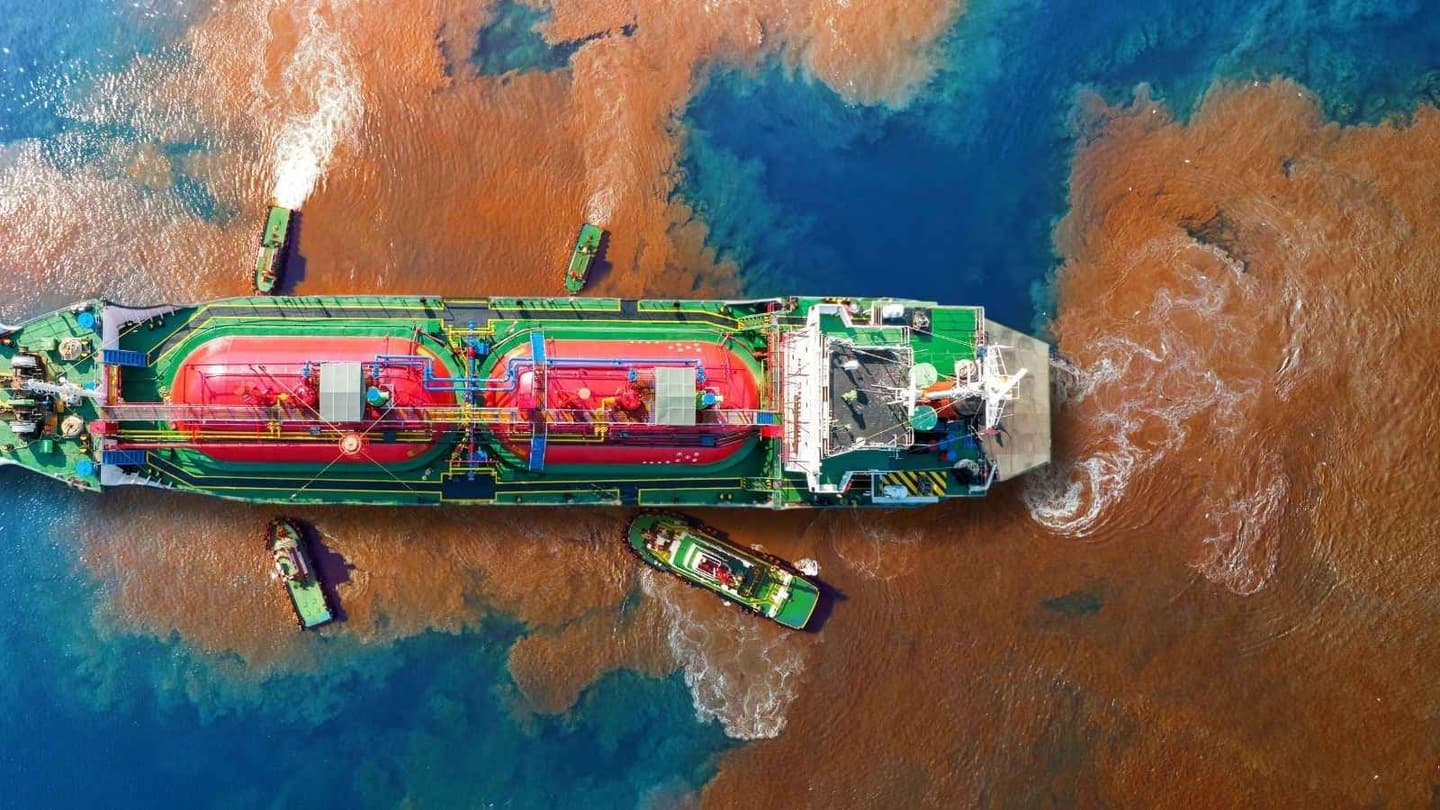
The consequences of oil spill incidents are both disastrous and humongous. Research documents that petroleum toxicity, oxygen depletion and use of dispersants cause death, deformities and mutation in a wide variety of marine species. The marine ecology, including deep-sea environment, corals, the chemistry of the sea and the ocean floor also devastated. On land, though an oil spill is comparatively more containable than one on the sea, they cause catastrophic damage to human life and the surrounding environment.
“The average cost of cleanup worldwide ranges from $20 to $200 per litre, depending on the type of oil and where it is spilled. Cleaning up oil on shorelines is usually the most expensive cleanup process”
Scale of Oil Spill Risk: Global and India
The severity of oil spills can be measured many ways, from the volume spilled to the extent of environmental damage to the cost of clean-up and recovery. The following incidents describe the worst oil spills in the world’s history in terms of the amount of oil released into the environment:
The Drivers
The oil spill response industry will ride on the back of the following aspects:
Rising Maritime Traffic and Oil Movement
The movement of petroleum from the oil fields to the consumer involves a number of transfers between different modes of transportation, including tankers, pipelines, railcars and tank trucks. Any of these transportation steps or storage times can lead to accidents. With millions of tonnes of crude oil is routinely transported by tankship around the world’s oceans on a daily basis, exposure to oil spill has potentially increased and oil spill management is imperative.
Offshore Expansion and Operational Complexity
Offshore exploration and production activities contribute to the complexity of spill risks. As production increases, particularly in offshore environments, the vulnerability to spills also rises. Incidents such as offshore accidents have demonstrated the need for stricter safety standards and improved preparedness mechanisms.
Environmental and Regulatory Pressures
Oil spills trigger massive public outcry, intense media attention, political uproar and legal implications. These after-disaster events bring colossal monetary and reputation losses for organisations and the industry at large. Response, mitigation, clean-up and restoration from an oil spill disaster are extremely challenging and costly. A contingency plan is a set of instructions that outlines the steps that should be taken before, during, and after an emergency.
“Central to oil spill management is preparedness. To effectively respond to spills, a structured framework is required, provided by contingency planning”
Shift from Cleanup to Preparedness
The oil spill management system stresses on drawing up a preparedness plan to be able to manage adverse scenarios.
Contingency Planning and Risk Mapping
Central to oil spill management is preparedness. To be able to effectively respond to spills, a structured framework is required, provided by contingency planning. Typically, the contingency plans include hazard identification, vulnerability analysis, risk assessment and response actions. These ensure stakeholders are equipped to manage different spill scenarios.
Besides, contingency plans has a detailed information on oil storage locations, transportation routes, environmental sensitivities and available response resources, allowing better anticipation of potential risks and more effective response strategies.
Institutional and Operational Readiness
Readiness is required for an effective response. It can be achieved with the availability of trained personnel, rapid deployment of equipment and coordinated action among responsible agencies. A well-organised and timely response can significantly reduce environmental and economic damage caused by spills.
Technology-reshaping Response Systems
Technology and techniques have been resorted to address the challenge of possible and actual oil spill scenario.
Monitoring, Modelling and Decision Support
A variety of models exist which may be used in decision making processes and forecasting the likely locations the oil may strand. Models can be used at a contingency planning stage, allowing stakeholders to envisage a variety of scenarios and their likely outcome, as well as during a real-time spill to aid clean-up and response decisions. Contingency planners are now using Geographic Information Systems (GIS) to make contingency plans better and easier to use.
Response Techniques
Oil spill response involves a range of techniques depending on the nature and location of the spill. Mechanical containment and recovery remain key approaches, with tools such as booms used to restrict the spread of oil and facilitate its removal. Chemical dispersants, combustion, and adsorption methods are also used based on situational requirements.
Economics of Oil Spills
The average cost of cleanup worldwide ranges from $20 to $200 per litre, depending on the type of oil and where it is spilled. Cleaning up oil on shorelines is usually the most expensive cleanup process.
Beyond cleanup, costs include repair of infrastructure, environmental remediation, legal claims, and regulatory penalties. Further, the financial burden is compounded by reputational damage and long-term ecological impacts.
Compensation mechanisms such as the International Oil Pollution Compensation Funds (IOPC Funds) provide financial support where liabilities exceed the responsible party’s capacity, forming a critical component of the global oil spill response framework.
“Birds and mammals may suffer from physical contamination, while long-term exposure can lead to reproductive and developmental issues”
Global Response Architecture
Oil spill response operates within a global framework of cooperation. International organisations and conventions, including those under the International Maritime Organization, promote coordination between governments and industry stakeholders.
Regional and international response organisations play a key role in providing equipment, expertise, and rapid deployment capabilities. However, response times can vary, and in some cases, it may take 48 to 72 hours for resources to reach affected areas. The importance of collaboration has been reinforced by past incidents, where coordinated efforts across multiple organisations were necessary to manage large-scale spills effectively.
Environmental Sensitivity and Impact
The environmental impact of oil spills is extensive and often long-lasting. Oil can spread across large areas, affecting open waters, coastlines and marine habitats.
Sensitive ecosystems such as coral reefs, mangroves, tidal flats, and marshes are particularly vulnerable.Oil exposure can harm marine life through direct contact, toxicity, and disruption of food chains.
Birds and mammals may suffer from physical contamination, while long-term exposure can lead to reproductive and developmental issues. Recovery of affected environments depends on multiple factors, including the type and quantity of oil, weather conditions, and the effectiveness of response measures. In many cases, restoration can take years or even decades.
“Moving beyond cleanup efficiency, reducing response time will be increasingly emphasised, which is likely to fast-track monitoring systems, modelling tools and surveillance mechanisms adoption”
Key Challenges
Several structural gaps continue to affect the effectiveness of oil spill management systems despite improvements in response frameworks. Preparedness levels remain uneven across regions as only major ports and offshore operators are better equipped than smaller ports and coastal locations, creating response capability inconsistency, particularly in high-risk but less-developed areas.
Besides, operational limitations remains with response effectiveness is often influenced by weather conditions, sea state, and the oil spilled type, which can restrict containment and recovery efforts.
In certain cases, delays in response lead to oil reaching shorelines, significantly increasing environmental damage and cleanup complexity. Also, coordination across multiple agencies, though institutionalised, is not always seamless in practice. Variations in infrastructure, training, and local capacity continue to pose challenges in achieving uniformly efficient response systems.
Outlook
Over the next few years, oil spill management is expected to evolve to plug in the structural gaps. Response capabilities are likely to be standardised across regions to ensure a minimum operational readiness is in place even in smaller ports and coastal zones.
Moving beyond cleanup efficiency, reducing response time will be increasingly emphasised, which is likely to fast-track monitoring systems, modelling tools and surveillance mechanisms adoption. This will enable early detection and faster decision-making. As coastal infrastructure, shipping activity and offshore operations expand, response systems will need to scale accordingly. This will likely lead to greater investment in equipment, training, and decentralised response capacity, particularly in high-traffic and ecologically sensitive regions.
At the same time, economic and regulatory pressures are expected to push operators towards preventive approaches. The rising cost of spills, combined with environmental and reputational risks, is likely to reinforce the shift from reactive response to preparedness-driven risk management.