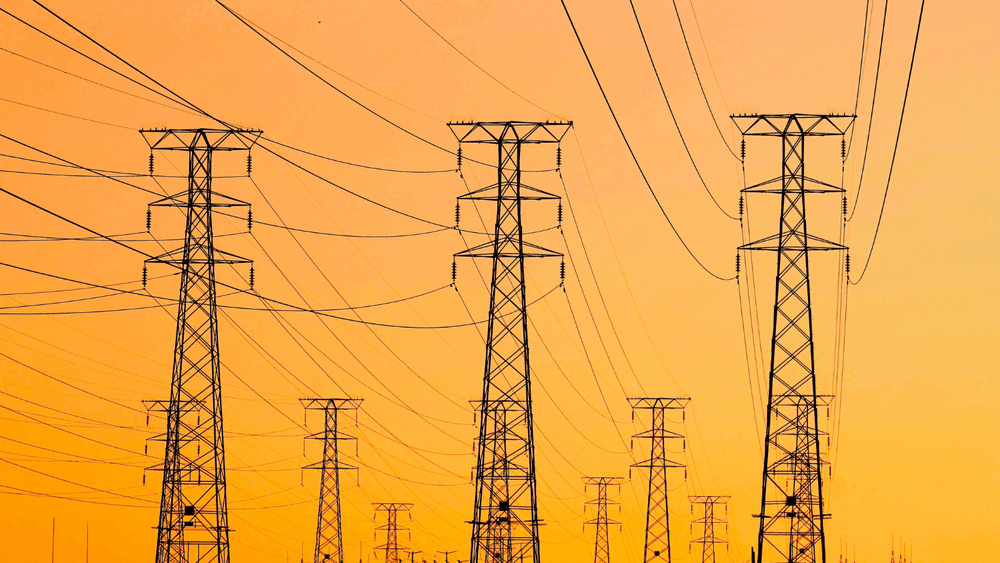
NewsTata Power Commissions 400 kV Jalpura-Khurja Transmission Link in Uttar Pradesh
Tata Power has commissioned a 162 CKM, 400 kV transmission line and 1,000 MVA GIS substation under its Jalpura-Khurja project in Uttar Pradesh.

Mrinmoy Bhattacharjee is Senior Editor at ENERGDIVE with over 16 years of experience in energy-business journalism across print and digital media. His work covers oil and gas, power and utilities, new energies, energy efficiency, sustainability, and climate change. He has produced research-driven reporting and analysis for industry and institutional audiences. He holds a master’s degree in Communication Studies from the University of Pune.
NewsTata Power has commissioned a 162 CKM, 400 kV transmission line and 1,000 MVA GIS substation under its Jalpura-Khurja project in Uttar Pradesh.
InterviewAs India races to establish a globally competitive battery manufacturing ecosystem, the conversation has shifted from capacity announcements to building an integrated value chain spanning cells, materials, technology and energy storage systems. Against this backdrop, ENERGDIVE sat down with Mithil Gandhi, Global Head – Business Development (BESS), Waaree Energies Ltd, to discuss the industry's evolving priorities, policy landscape, investment outlook and the road ahead for India's battery manufacturing ambitions.
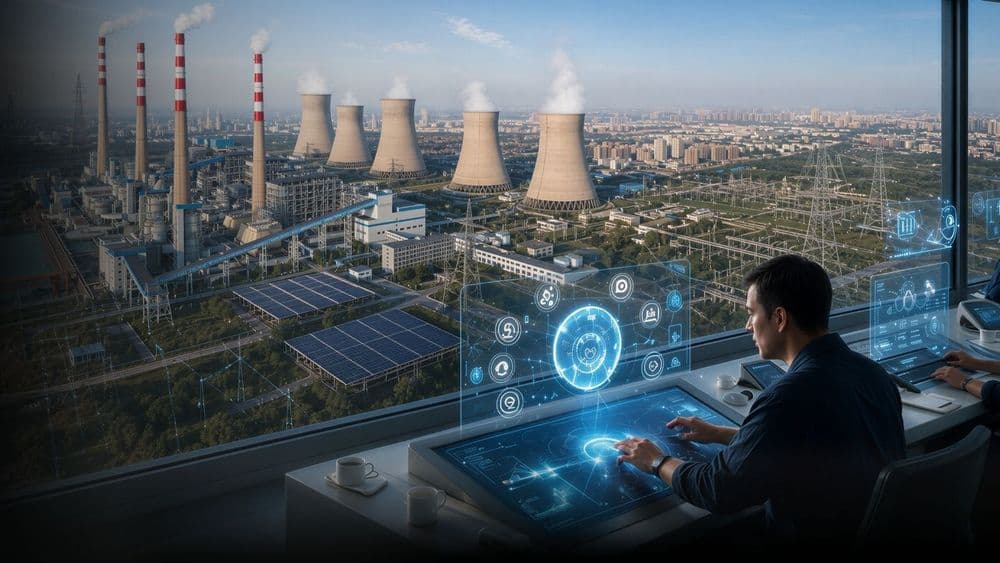
Featured StoriesArtificial intelligence is beginning to reshape operations across India's power and renewable energy sector, but its success depends less on algorithms than on the quality of data, engineering expertise, predictive applications and cybersecurity.
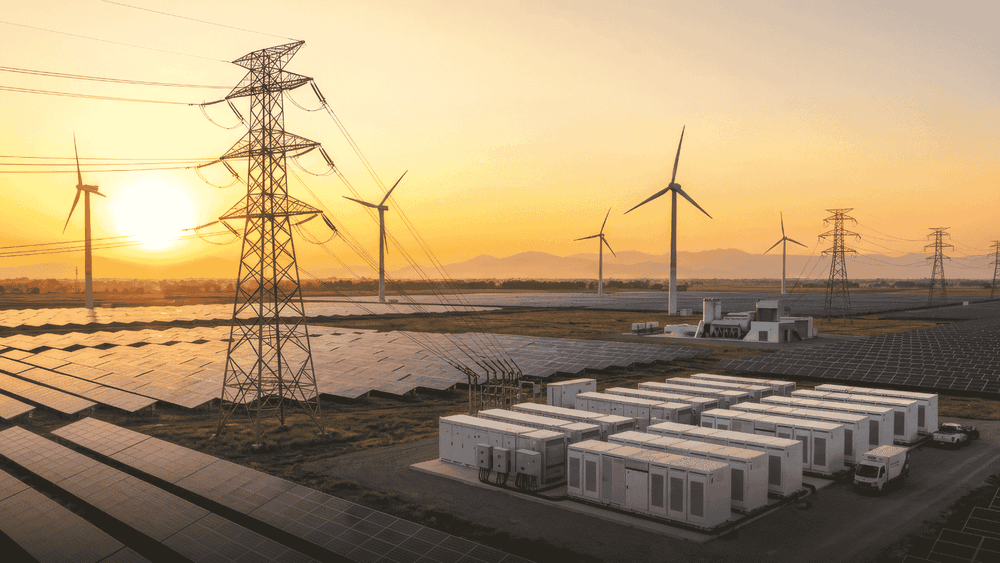
Cover StoryBuilding renewable capacity is no longer India's biggest challenge; expanding transmission, scaling storage and securing firm power now define the country's path to a resilient, low-carbon electricity system.
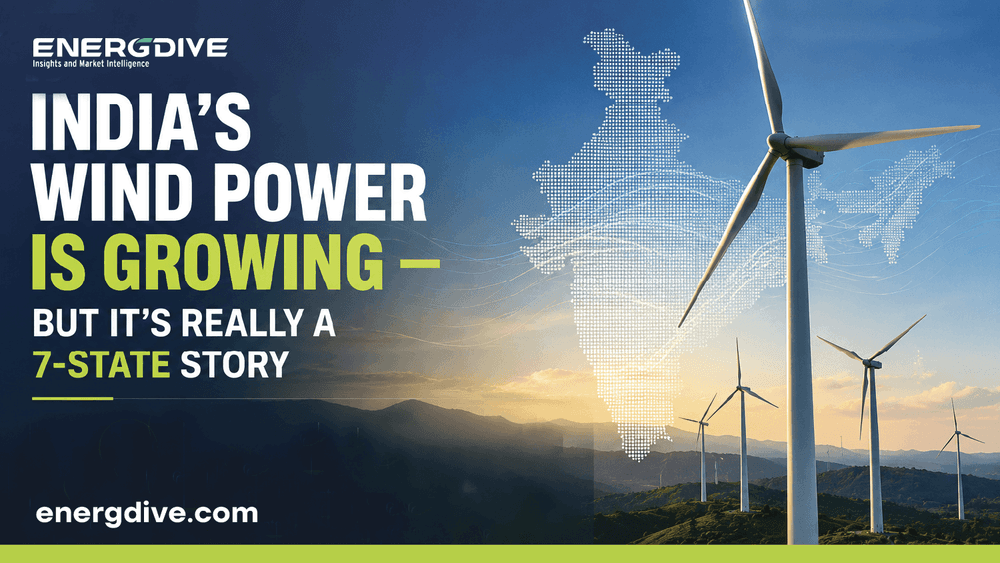
Featured StoriesThe country generated 33,562.83 MU wind power during April–June this year. This is 5.3 year-on-year increase, as per the Central Electricity Authority (CEA). This growth remains highly concentrated to seven states, notching around 99.7 percent of India’s generation.
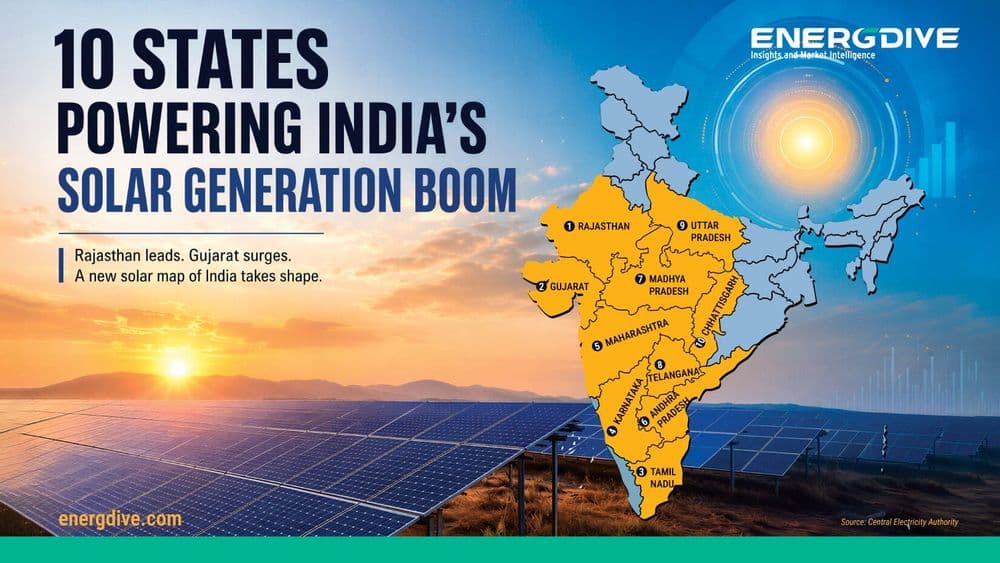
Featured StoriesThe country’s solar generation story is becoming increasingly concentrated in a handful of states. According to the Central Electricity Authority (CEA), India generated 62,791.14 MU of solar power, an increase of 45.9 percent from 43,044.62 MU during the same period last year.
InterviewAs energy and petrochemical companies confront evolving workplace risks, occupational health is emerging as a strategic business priority rather than a compliance function. In an interview with ENERGDIVE, Dr R Rajesh, Group Head, Medical Services, Reliance Industries Ltd, discusses predictive health systems, workforce resilience, ESG integration and the future of occupational health in high-risk industries.
InterviewAs India's energy landscape undergoes rapid transformation, the downstream sector is being reshaped by decarbonisation, digitalisation and evolving market dynamics. In an exclusive interview with ENERGDIVE, Atanu Mukherjee, CEO, Dastur Group of Companies, explains why the future of energy transition lies beyond electrification alone. He discusses pragmatic decarbonisation, value-added petrochemicals, carbon management, artificial intelligence, energy security and the strategies needed to strengthen India's global competitiveness.
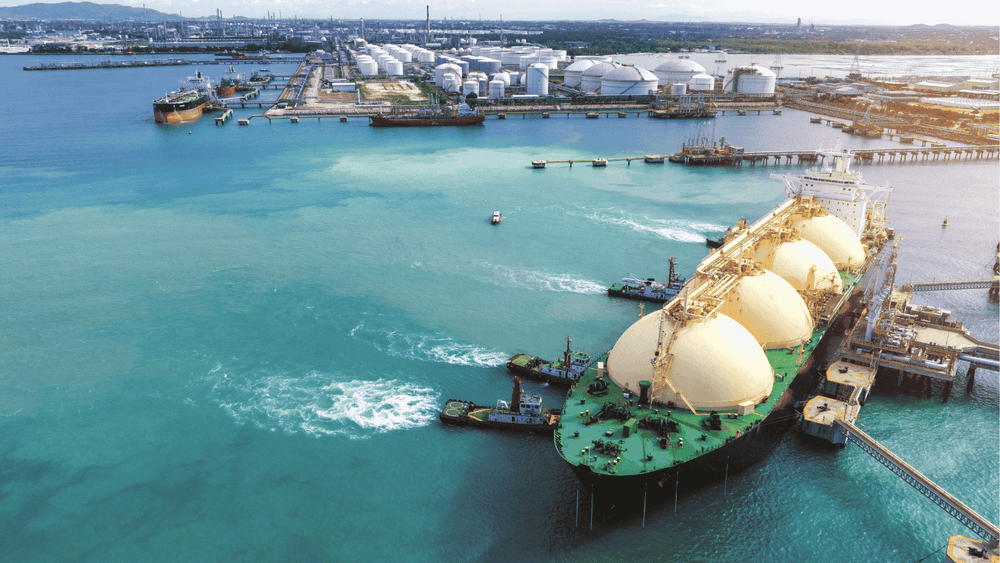
Featured StoriesAs pipelines, Liquified Natural Gas (LNG), city gas networks and compressed biogas infrastructure expand, India’s push towards a gas-based economy is steadily reshaping fuel accessibility, mobility and energy consumption across sectors.
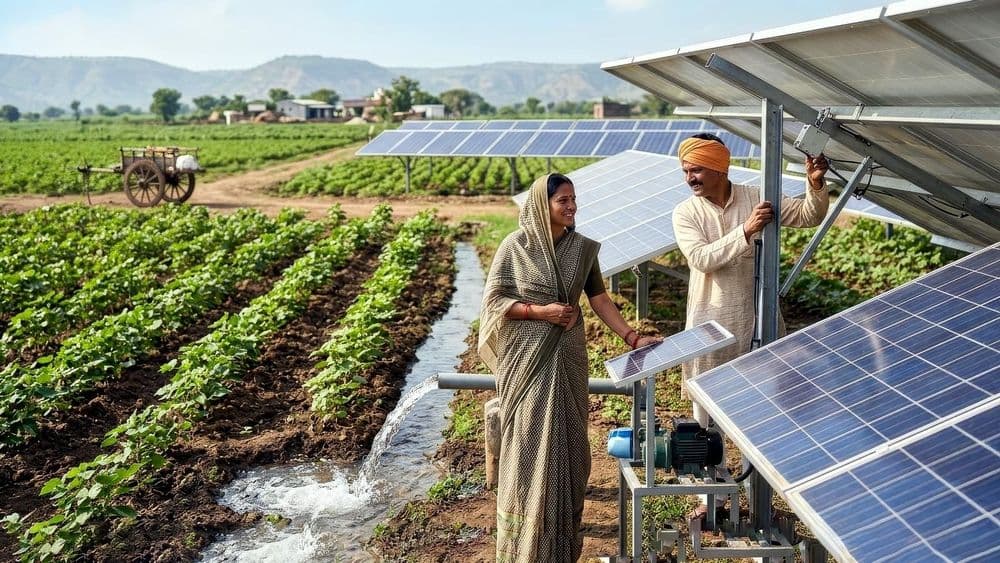
Cover StoryAs India’s clean energy transition gains steam, government initiatives such as PM Surya Ghar and PM-KUSUM are driving a shift from centralised power generation to distributed solar systems, enabling households, farmers and communities to become active participants in the country's evolving energy economy.
Cover StoryFrom geopolitical shocks and carbon scrutiny to molecule economics and Net Zero ambitions, India’s downstream sector is undergoing a structural reinvention beyond conventional refining and fuels.
InterviewAs industries across the Asia-Pacific region accelerate investments in Liquified Natural Gas (LNG), hydrogen, refining and petrochemicals, process safety is emerging as a boardroom priority rather than just a compliance requirement. Ajay Gurao, General Manager at Dekra India, sat down with ENERGDIVE to discuss leadership blind spots, safety culture, digitalisation, and why AI-driven process safety systems could shape the sector by 2030.
InterviewAs the country’s oil and gas industry is increasingly becoming digital and inter-connected, their process safety management is noticeably transforming– from a traditional monitoring system to an intelligent and real-time decision-making framework. In an interview with ENERGDIVE, Badal Roy, Former Executive Director, Oil and Natural Gas Corporation Ltd, feels that Artificial Intelligence (AI), Machine Learning (ML), Industrial Internet of Things (IIoT) and predictive analytics will redefine how the industry assess risks, manage emergencies and strengthen operational resilience.
InterviewSafety is now a strategic imperative for high-risk industries. Dr SP Garg, Former Executive Director, GAIL (India) Ltd, shares insights with ENERGDIVE on safety culture, AI-led risk management and evolving energy-sector risks.
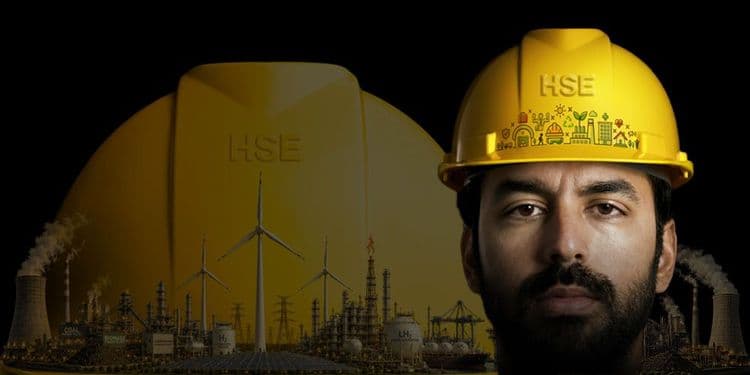
Cover StoryAcross India’s energy value chain, Health, Safety and Environment (HSE) is being integrated into operational systems through inspections, training, audits, and monitoring, making risk management integral to how these operations run at scale.
InterviewAs global electricity demand rises with the expansion of renewables, electrification and data-centre growth, power grids are facing increasing pressure to modernise. Simon Evans, Director & Global Digital Energy Leader at Arup sat down with ENERGDIVE to discuss the urgent need for grid modernisation, digital infrastructure, interoperability and governance as electricity systems adapt to rising demand from renewables, electrification and data centres.
InterviewAs India races towards its 500 GW non-fossil fuel target, wind energy is quietly reasserting itself as a strategic pillar of the transition. Beyond capacity addition, the real story lies in industrial depth, supply chain resilience and global competitiveness. In an interview with ENERGDIVE, Aditya Pyasi, CEO, Indian Wind Turbine Manufacturers Association, explains how India’s wind sector aims to scale, innovate and compete with global manufacturing leaders.
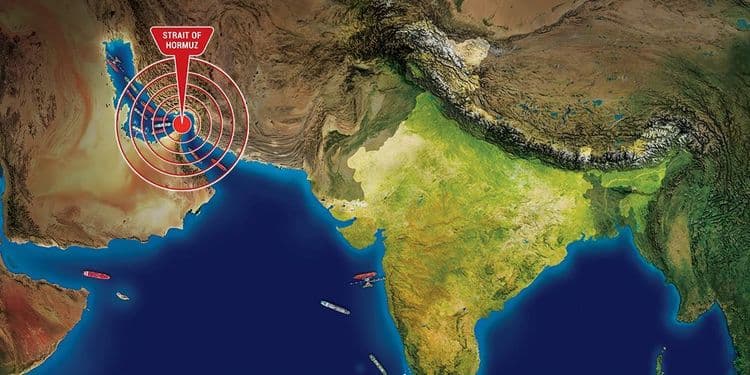
Cover StoryAs energy security returns to the global agenda, India is managing supply risks, navigating import dependence and strengthening its energy systems, even as it advances a measured transition towards a more resilient future.
InterviewAs India advances towards 500 GW of renewable capacity, transmission infrastructure is emerging as the critical backbone of the energy transition. Arun Sharma, CEO, Resonia Ltd, sat down for an interview with ENERGDIVE to discuss execution priorities, regulatory coordination, productivity benchmarks, and the role of technology in sustaining clean energy growth.
Cover StoryUnder the stewardship of Union Power Minister Manohar Lal, India’s electricity system is transitioning beyond InFrom repairing a strained and uneven system to engineering a renewable-dominant grid at unprecedented scale, India’s power sector is pivoting from expansion to orchestration, managing demand growth, financial discipline, flexibility and storage as it advances towards 500 GW and beyond.
InterviewAs India's renewable energy capacity expands, Debmalya Sen, President of IESA, discusses the critical role of pumped storage hydropower in grid stability, stretching peak durations, and scaling off-river projects.
Cover StoryIn just over a decade, India has moved renewable energy from the margins to the mainstream by making scale its guiding strategy. With capacity built at unprecedented speed, the focus now turns to strengthening reliability, resilience and long-term performance across the power system.
Cover StoryWhen Narendra Modi became Prime Minister in 2014, India’s energy sector was troubled by shortages and inefficiencies; a decade later, reforms have driven major progress towards clean energy leadership.
Cover StoryIndia’s approach to energy security has moved beyond crisis management to long-term system building, combining hydrocarbons, gas, clean fuels, infrastructure and diplomacy to support an economy preparing for a far larger scale by 2030 and beyond.
InterviewIndia’s clean energy transition extends beyond targets to institutions, markets, and delivery. Dr Ajay Mathur, associated with the Bureau of Energy Efficiency (BEE) and the International Solar Alliance (ISA), now an IIT Delhi professor, explains policy-to-ground realities.
InterviewPuneet Kumar, Kerala’s Resident Commissioner and Additional Chief Secretary (Power), explains how Kerala is securing reliable supply through hydro and rooftop solar, managing EV-driven demand, fast-charging peaks, decentralised renewables, and stronger Centre–State grid coordination.