Health, Safety and Environment (HSE) in the energy business is rarely visible until it fails. Across offshore platforms, gas pipelines, refineries and power stations, operations run under conditions where pressure, temperature and scale leave little margin for error. What stands out across companies such as Oil and Natural Gas Corporation Ltd, GAIL (India) Ltd, Indian Oil Corporation Ltd, Reliance Industries Ltd, NTPC Ltd, NHPC Ltd, Power Grid Corporation of India, and Tata Power Company Ltd is beyond the presence of safety protocols, extending to which these have been structured into systems. Inspections, audits, training and monitoring are no longer parallel processes, but are embedded into how these businesses operate. Across the energy value chain, safety is less an intervention and more an operating condition.
ONGC’s emergency preparedness is bolstered by implementing site-specific ERP, onsite/offsite DMP... complemented by periodic mock drills to verify their effectiveness
Strengthening Safety at the Source
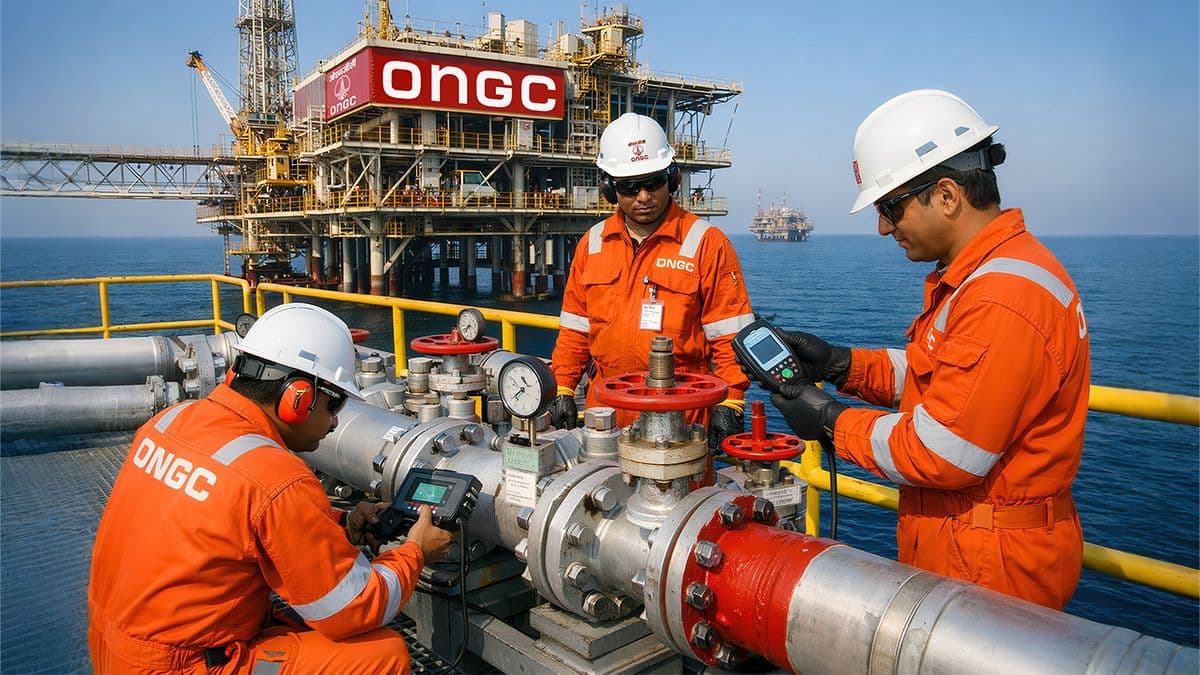
To ensure a safe and healthy workplace, Oil and Natural Gas Corporation Ltd (ONGC) says that it “upholds high standards” of workplace safety and employee well-being through a comprehensive HSE Management System aligned with ISO 9001, ISO 45001 and ISO 14001.
According to the company, regular housekeeping, equipment maintenance as per OEM guidelines and Risk-Based Inspections (RBI) at offshore sites form the core of its operational safety framework. ONGC also says that Plant General Inspections (PGI) guided by the Corporate Inspection Plan and Offshore Installation Manager (OIM) recommendations ensure asset integrity. Besides, senior management actively participates through routine site inspections and Safety Committee reviews. “Risk-based assessments of pipelines and equipment are conducted periodically, and employee health is monitored through age-based Periodic Medical Examinations (PMEs). Safety awareness and preparedness are strengthened through structured training and technology integration,” it informs.
Furthermore, it mandates Advanced Marine Aviation and Sea Survival Training (A-MAST) for offshore personnel focusing on helicopter safety and emergency escape protocols. Employees are also encouraged to pursue industry-recognised certifications such as NEBOSH and disaster management courses. To further enhance operational safety, the company says that it leverages automation, IT systems, and real-time hazard detection and response creating a safer and more resilient work environment. What is more, ONGC mandates its value chain partners to comply with its HSE standards and actively participate in structured training and awareness programs.
Emergency preparedness is bolstered by implementing Site-Specific Emergency Response Plans (ERP), onsite/offsite Disaster Management Plans (DMP) and Corporate Disaster Management Plans (CDMP), complemented by periodic mock drills to verify their effectiveness.
For high-risk operations like offshore drilling, Crisis Management Teams (CMT) at central, regional, and work-centre levels are mobilised to provide prompt and effective response. “These comprehensive measures underscore ONGC’s commitment to protecting the health and safety of all stakeholders within its operational ecosystem.”
No ‘Middle’ Ground on Safety
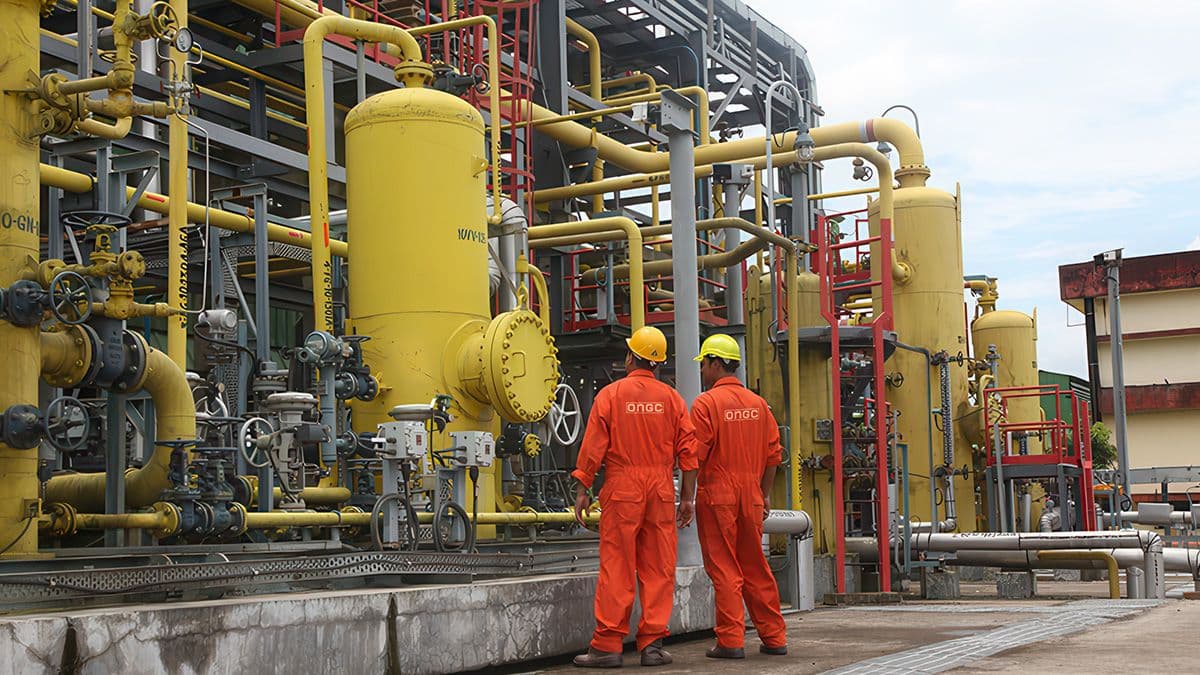
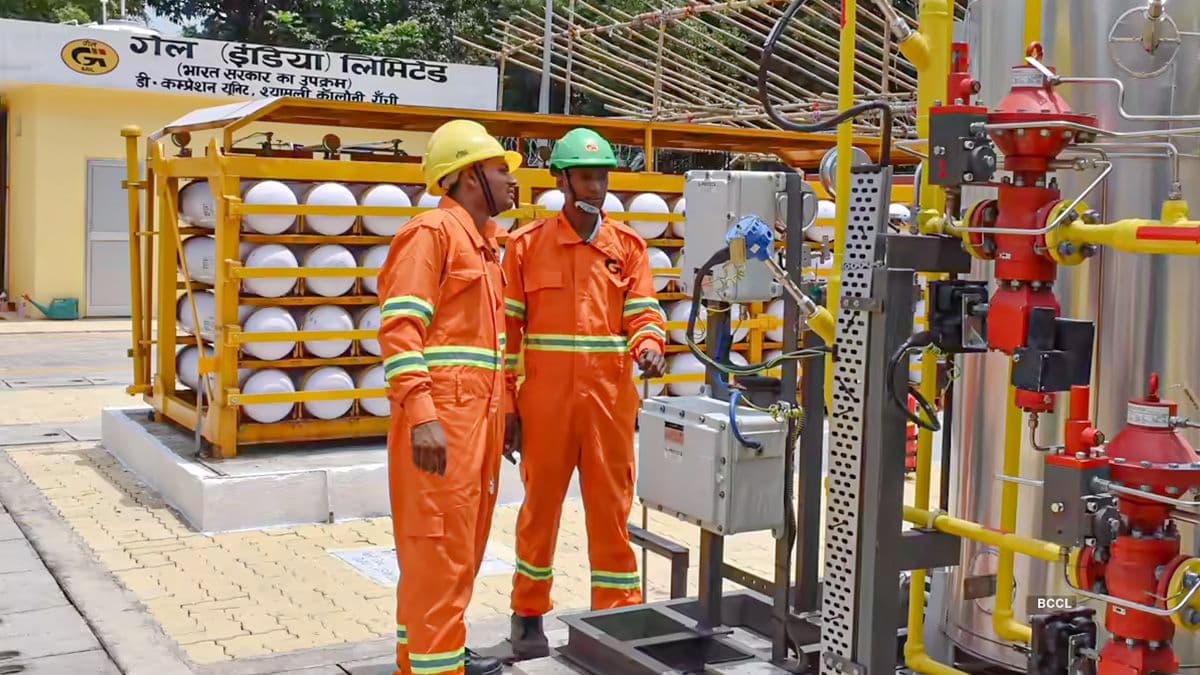
GAIL (India) Ltd has embedded safety in its corporate culture. The company says that it has achieved an ‘HSE Score’ of 96.37 percent in FY 2024-25, exceeding the target of 95.5 percent, demonstrating its “strong” dedication to safety and environmental standards. “Our corporate HSE policy is embedded in the core organisational values, and it emphasises the highest level of safety during operations and maintenance of our assets, with a focus on the health and well-being of employees and promoting environmentally friendly practices.”
The company’s HSE management system, GAIL says, has been formulated and aligned with Oil Industry Safety Directorate (OISD) Standards on ‘Safety Management System in Petroleum Industry’, PNGRB Regulations, and other national and international codes and standards. Accordingly, it adds that 18 elements have been identified to be part of the Health, Safety and Environment Management System (HSEMS), which are applicable to all GAIL activities.
GAIL’s world-class training institutes in Noida and Jaipur impart technical, behavioural, management and functional training to its regular employees
To ensure the effective implementation of HSE management system and management governance pertaining to HSE matters, the company informs that HSE score system has been developed to measure the performance of O&M installations through predefined parameters with specific weightage on HSE aspects like significant legal or statutory requirement, monitoring critical operation and maintenance parameters, compliances of safety audit recommendations, emergency preparedness, and training and awareness, among others. These enable the company to monitor and keep track of the HSE performance of its installations to derive the improvement areas for strengthening the company’s HSEMS.
When it comes to the safety training and awareness aspect, GAIL says that it has world-class training institutes in Noida and Jaipur to impart technical, behavioural, management and functional training to its regular employees. “Our HSE training and awareness has been identified as one of the key drivers and significant elements of the HSE management system with an objective to train employees with the knowledge and skills to identify and manage workplace hazards, follow safe work practices, and respond effectively to mitigate emergencies.” Also, an internal operational and safety training system at the O&M installations level has been established in accordance with OISD & PNGRB Codes or Standards to provide structured training to various levels of employees and other stakeholders.
Framing Non-negotiable Safety Framework Inside Refining
Indian Oil Corporation Ltd (IOCL) says that it operates under a “comprehensive” policy that provides a clear framework for driving safety, occupational health and environmental protection initiatives, integrating HSE as a core component of effective and responsible business management.
“Guidelines on HSEMS are in place, which cover various elements in line with OISD standards and other statutory rules and regulations. We have also instituted ‘Golden Rules of Safety’ that are non-negotiable and mandatory to be complied with by all employees and contract workers across all locations to ensure personal and occupational safety.”
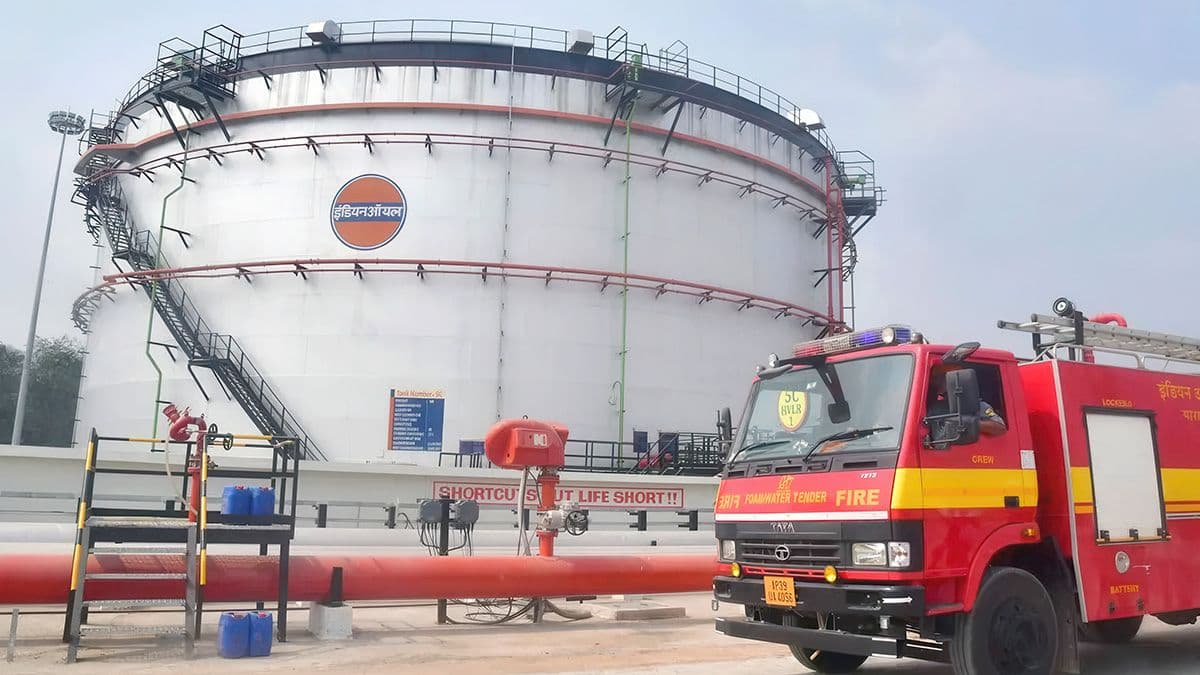
To reinforce safety readiness, IOCL informs that regular audits, inspections and mock drills are conducted to identify unsafe practices and gaps in implementation of safety management system at its locations. “Time-bound corrective actions are taken to bridge the identified gaps. Additionally, digital portals are in place for reporting and analysing near-miss incidents, unsafe acts and unsafe conditions, fostering a culture of continuous safety improvement.”
Moreover, Emergency response is guided by the disaster management plan of the Ministry of Petroleum and Natural Gas and supported by corporate and divisional frameworks. “Robust site-specific Emergency Response and Disaster Management Plans (ERDMP) are developed and implemented at all locations and cover all possible emergency scenarios such as fire, explosion and toxic release.”
IOCL’s robust site-specific ERDMP are developed and implemented at all locations and cover all possible emergency scenarios
These plans, the company emphasises, define roles, establish responses that mobilise the emergency services and outline recovery measures. ERDMPs are certified by third parties and approved by the board. Regular training, mock drills and coordination with authorities ensure readiness for both onsite and offsite emergencies.
To ensure comprehensive safety training and skill development, IOCL says that it has conducted structured induction and refresher training programmes for employees and contract workers in line with OISD and other relevant safety standards. These include both classroom and practical field sessions, which are focused on hazard identification, risk mitigation, safe operating procedures and emergency response. Specialised training is also offered in key areas such as safety leadership, electrical and construction safety, confined space entry, Quantitative Risk Assessment (QRA) and Hazard and Operability Study (HAZOP), incident investigation and advanced medical management.
Additionally, international certifications such as NEBOSH and targeted programmes on lessons from past incidents are regularly imparted to build a safety-first culture across the organisation.
Ensuring Safety Excellence in Integrated Operations
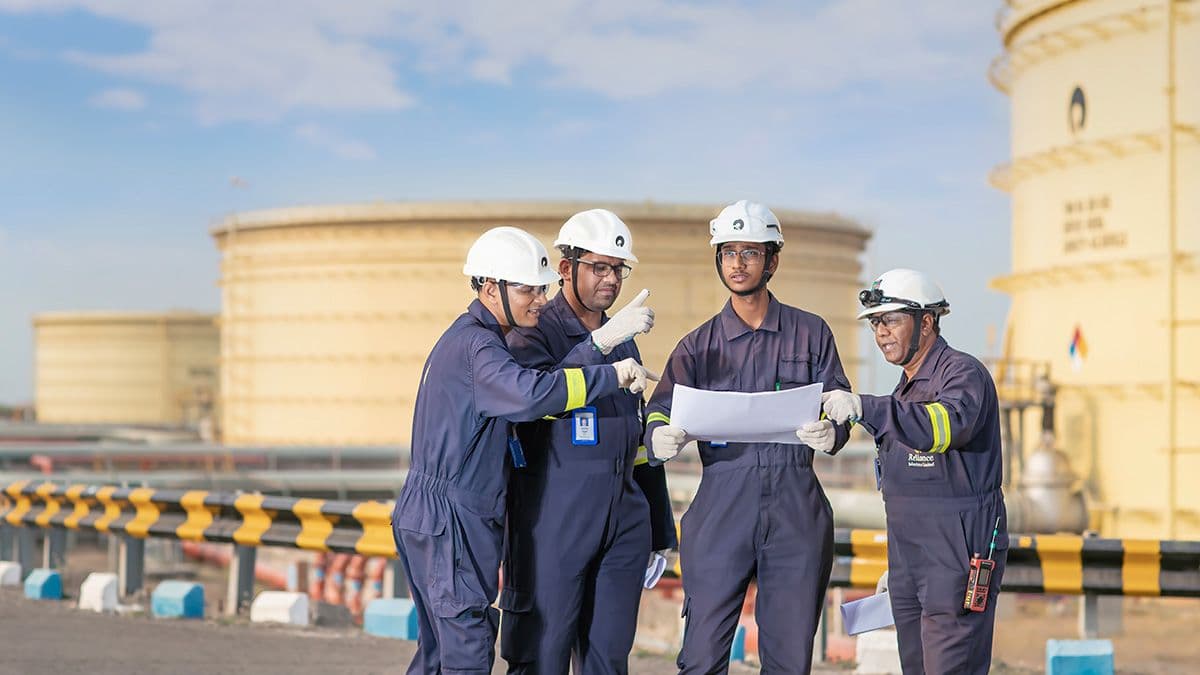
Reliance Industries Ltd (RIL) has established “robust” systems to “proactively” identify potential risks that may affect stakeholders and mitigate HSE risks across operations, as the company realises that effective risk management, compliance and safety measures are crucial to safeguarding employees, customers, and ensuring business continuity.
RIL’s HSE risk management is integrated throughout the project lifecycle of all projects, including oil, chemicals, and new energy initiatives”
“Considering the operational environment of our facilities, we manage and mitigate a range of risks: loss of containment of hazardous materials, fire and explosion hazards, exposure to extreme weather conditions, natural disasters, etc,” RIL says. According to RIL, the company’s HSE risk management is integrated throughout the project lifecycle of all projects, including oil, chemicals, and new energy initiatives, with “appropriate” controls at every stage gate. “Operating Management System (OMS) drives safe, sustainable, reliable, and compliant operations, and Change Agents for Safety, Health, and Workplace Environment (CASHE) empowers employees to continually improve safety.
Leadership’s strong HSE and sustainability commitment drives a zero-incident culture, protecting stakeholders and aligning with RIL’s operational excellence vision.” Giving details of employee wellbeing through a HSE management system, RIL says that the Central HSE Audit Programme and Operating Management System (OMS) ensure continuous improvement and compliance with statutory requirements for all employees and contractors.
The CASHE programme empowers employees to champion workplace safety, contributing to measurable risk reduction.“In FY 2024-25, Reliance invested ₹874 crore in HSE initiatives. The Lost Time Injury Frequency Rate (LTIFR) in per million man-hours was 0.12 for O2C and E&P, 0.60 for Malaysia, 0.04 for RRVL and 0.70 for RJIL, highlighting the company’s focus on safety excellence. Additionally, the R-Swasthya and Jio Health & Wellness Academy programmes support holistic wellbeing through initiatives encompassing physical, mental, emotional, social, financial and spiritual wellbeing.”

‘Power’ing Broad Safety Framework
NTPC says that it has established a “comprehensive” safety framework, which is a “guidance” document for various functions and roles in the organisation. The framework has a set of expectations that ensure all efforts are aligned with the company’s overall policy and objectives.
The framework broadly contains four key components: safety policy and objectives, safety risk management, safety assurance and safety promotions. It covers functional implementation expectations: what the different functions and roles must do to implement a robust system, and provides essential guidance on how it will be accomplished. “Evidence of a system and evidence of its compliance is what we believe to be the cornerstone of sustainable safety culture.”
To accomplish a fully evidence-based system, NTPC informs that it has implemented full-fledged SAP integration of the safety framework across its stations. The safety framework triggers auto generated orders for uploading evidence of compliance in the central repository for mandatory safety activities as per a defined set of expectations for different roles and functions. This ensures the implementation of a uniform and evidence-based safety management system across all stations.
NTPC’s framework has four components: safety policy and objectives, safety risk management, safety assurance and safety promotions
Alongside, the company continuously evaluates the safety of its operations through rigorous internal and external safety audits. While internal audits are conducted annually by a team of safety officers, external audits are carried out by reputed third-party organisations in compliance with statutory requirements.
“Time to time, as per requirement, special audits are also undertaken to ensure strict adherence to safety procedures and rules. Our team includes certified auditors, such as National Occupational Safety Association (NOSA) auditors and ISO 45001-certified lead/internal auditors, ensuring high-quality assessments.”
In FY 2024- 25, NTPC launched a special evaluation of its safety management system by engaging a globally recognised consultant. “The comprehensive evaluation shall be done by the consultant in six selected NTPC stations or projects located at different regions of NTPC, and their findings shall be used by the management for further improvement of our systems and practices.”
In accordance with the company’s safety policy principles, NTPC also conducts Hazard Identification and Risk Assessment (HIRA) for all routine and non-routine activities at its plants and project locations as per standard procedure and risk matrix. “NTPC has developed detailed centralised guidelines for conducting HIRA, and the same is followed uniformly by all stations. The hierarchy of risk control measures followed in NTPC is elimination of hazards, substitution of hazards, engineering controls, administrative controls and PPEs in respective order.”
To promote a culture of safety and worker participation, the company says it has established structured processes for workers to report work-related hazards. Additionally, the company informs that it has policies that empower workers to remove themselves from potentially hazardous work situations without fear of retaliation. “Clear guidelines and procedures are in place to safeguard employees’ rights and well-being in such scenarios.”
Creating a Safety Structure in Hydropower
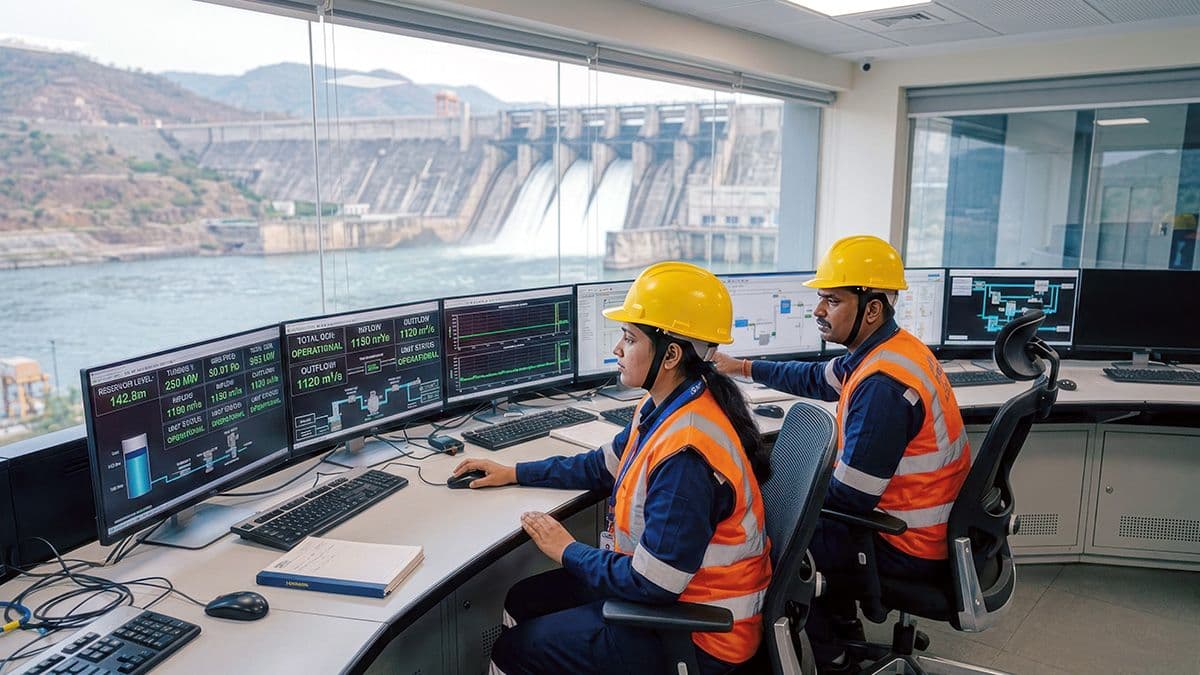
For NHPC Ltd, safety stands as a foundational value that supersedes any business objective. This fundamental principle is “rigorously” upheld across divisions, clusters and throughout the organisation.
“We have implemented an Integrated Management System (IMS) that encompasses the standards outlined in ISO 45001:2018 for Occupational Health and Safety Management. This system extends its coverage to include all employees and workers within the organisation,” the company says.
When it comes to the processes used to identify work-related hazards and assess risks on a routine and non-routine basis by the entity, NHPC says that it adheres to HIRA procedures to identify work-related hazards. This process encompasses all employees and workers who have access to the workplace.
Besides, the company says that it is “dedicated” to protect local environment during the implementation of different phases of the hydropower project. “We are well aware of our obligation to conserve and protect the environment,” it adds.
During the investigation stage, the company explains, the probable impacts on environment and social aspects are assessed and identified by carrying out Environment Impact Assessment (EIA) study. “Environmental Management Plans (EMP) are formulated and implemented to compensate for the adverse impacts of the project by taking necessary measures.”
NHPC has implemented an IMS that encompasses the standards outlined in ISO 45001:2018 for Occupational Health and Safety Management
Besides, NHPC has prepared a safety manual and safety policy, which provides the details of scope, applicability of laws, Standard Operating Procedures (SOP), operations control procedures, roles and responsibilities for effective safety management. “All power stations and projects have prepared their safety and disaster management plan.”
Also, safety policy and safety manual have been placed and followed at all NHPC power stations and projects with a target of zero hazard potential at the workplace. Additionally, the Occupational Safety, Health and Working Conditions Code, 2020 or Factories Act, 1948; Building and Other Construction Workers Act, 1996; Disaster Management Act, 2005; The Environment Protection Act, 1986; Hazardous Waste Rules, 2016; National Building Code and other applicable acts, rules and standards are being followed at the company’s assets.
Building a Safety ‘Grid’
Power Grid Corporation of India says that it is “acutely” aware of the occupational hazards of fatal and non-fatal injuries in the transmission sector, including planning, construction, maintenance, and operation of substations and lines.
In response, the company says that it has established a “comprehensive” safety policy incorporating industry-leading practices and stringent compliance measures, consistently aiming to surpass safety standards. “Committed to safeguarding its transmission lines, substations, personnel, and the public, Powergrid upholds its legal and ethical responsibilities. The company adheres to ISO 45001:2018 standards, ensuring comprehensive systems and procedures across all operations, verified through inspections by the Central Electricity Authority.”
Striving for zero workplace incidents, the company informs that it has instituted a “robust” three-tier safety framework, ensuring the effectiveness of its safety policy. “A specialised safety unit provides technical support to on-site teams, enhancing safety protocols across all levels.” This approach, it adds, reflects the company’s dedication to maintaining a safe working environment.
Plus, Powergrid conducts thorough HIRA across project stages, covering routine and non-routine activities. High-risk jobs are planned using SOPs with virtual monitoring and executive reviews, supported by audits and training, integrated into the OHSMS for continuous improvement.
What is more, workers can refuse unsafe work, supported by training and site-specific risk assessments, with escalation mechanisms for resolution without retaliation. “Incident Investigation defined guidelines for accident reporting include a near miss reporting-cum-reward policy. Serious incidents are reviewed by inquiry committees, overseen by the Standing Safety Management Committee and the Apex Safety Board.”
Designing a Robust Safety System in Utilities
In line with its vision of ‘To be a Leader in Safe Work Practices in the Global Power and Energy Business’, Tata Power Company Ltd says that it ensure “deep” engagement across all levels through a “proactive” and preventive approach to occupational health and safety.
The company trains 100 percent of its employees and contract workforce under the occupational health and safety management system. Besides, its continuous system improvements focus on hazard elimination and risk reduction in line with the goal of ‘No Harm, No Injuries’ occupational health and safety management system. “The company’s occupational health and safety management system operates under a robust Tata Power safety management framework aligned with Tata Group’s health and safety system and ISO 45001:2018. The system ensures safe operations through HIRA for all tasks and Job Safety Assessments (JSA) training of our engineers. It maintains health standards through regular internal audits, calibrated instruments, supported by ISO-certified labs. The system tracks employee health risks through on-site doctors and stores records securely on a digital platform for real-time analysis and personal risk mitigation, besides safeguarding employee health data via encrypted, password-protected systems, with strict confidentiality protocols for vendors and labs.
According to the company, the system also makes medical records accessible only to employees and attending doctors; only aggregate data is used for leadership reviews or statutory submissions. It drives group-wide health check-ups by insights from aggregate trends, while all medication procurement is centrally managed with no brand preference.
What varies across these operations is not the intent but the context. Offshore rigs, pipelines, refineries and power assets operate under very different conditions. Yet, safety practices are being adapted to each environment. The outcome is not uniformity, but a structured approach that reflects the realities of each system.