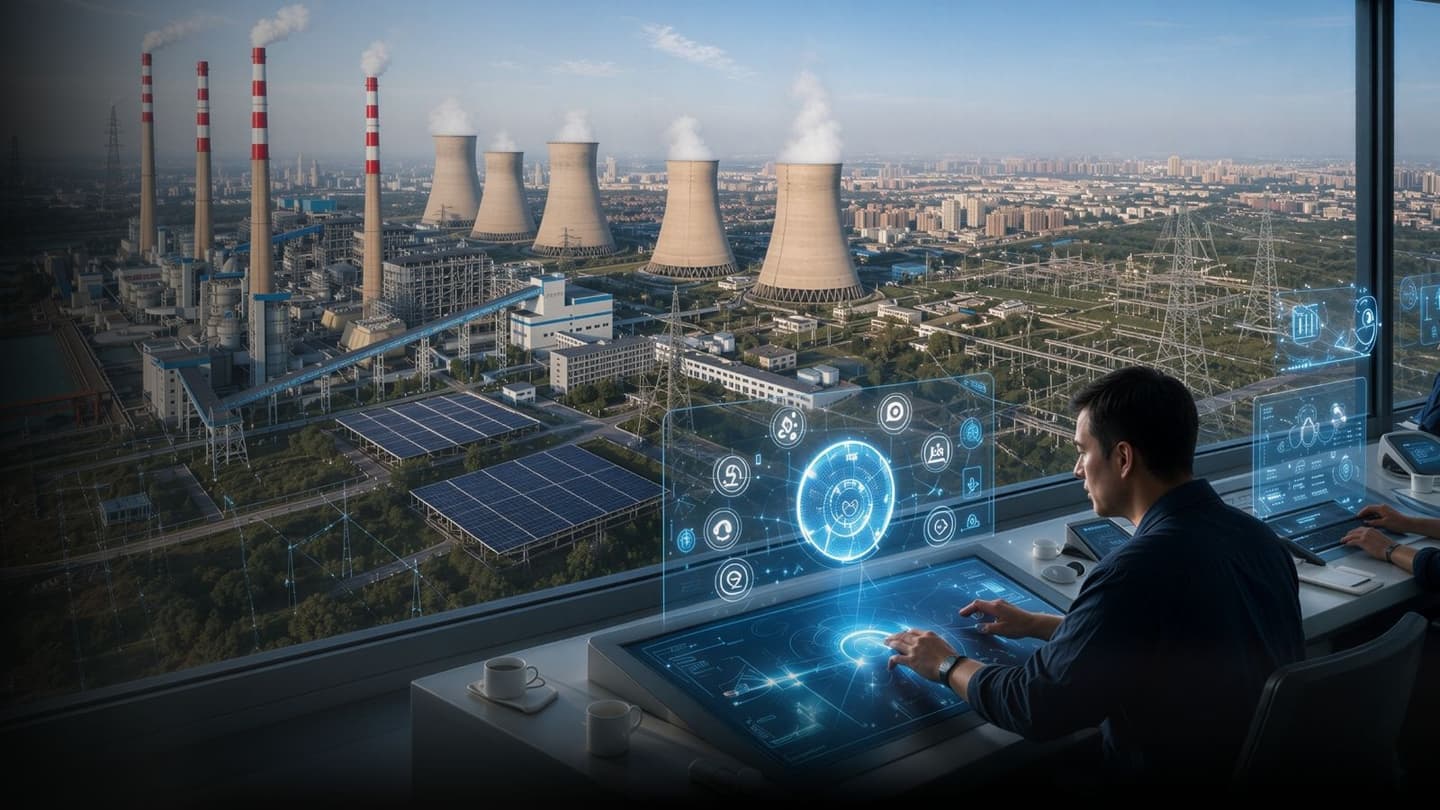
Across India's power and renewable energy industry, technology leaders are settling on the same hard truth about artificial intelligence: it is not a fad, and it is not magic. It only works if the data behind it is good and the people running it are careful. The real focus is on the so-called boring stuff underneath it — clean data, trained engineers, and security that does not fall apart the moment something goes wrong. The Group CIO and Sr Vice President at a full stack renewable energy major, sums up the mood with an old story: AI, he says, is like Krishna guiding Arjuna in the Bhagavad Gita — "a strategic adviser," a Sarthi, standing beside the person who does the actual work, not replacing them. It is a tidy way of saying something the industry keeps circling back to in less poetic terms: AI helps. It doesn't drive.
The Data Imperative
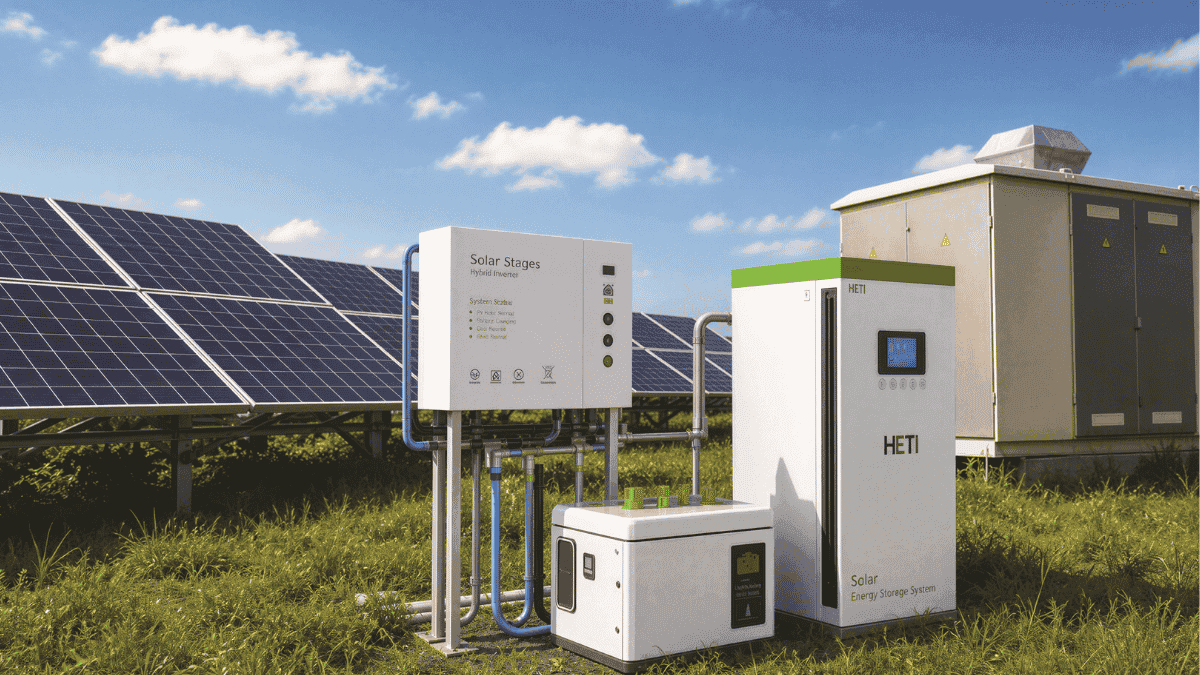
Every serious use of AI in this industry starts in the same place — with the quality of the information going into it. The Vice President of IT at one of the country’s leading integrated energy solutions provider, puts it, “The data is the fuel for any AI or ML." Power companies, he says, are sitting on enormous amounts of it without using most of it properly. Echoes the Head of IT and Digital of one of the fastest growing renewable energy companies based in New Delhi. “It is based out of our inputs, that the outputs are always going to be driven by the inputs that we feed in," she says, adding that without accurate, trustworthy data, AI "is not going to be meeting the strategic objectives" it was built for.
That is also why hiring has changed at some firms. The MD of a Noida-based AI-powered industrial intelligence solutions provider, says her company deliberately hires engineers first and teaches them AI second, rather than the other way round. "The model is only, you can say, 50 percent or 40 percent of the entire solution,” she says. "The basic is understanding of the data and the knowledge of how to use it properly.” Without someone who understands how a turbine or a boiler actually behaves, in other words, the smartest model in the world is guessing.
Fixing problems before they happen
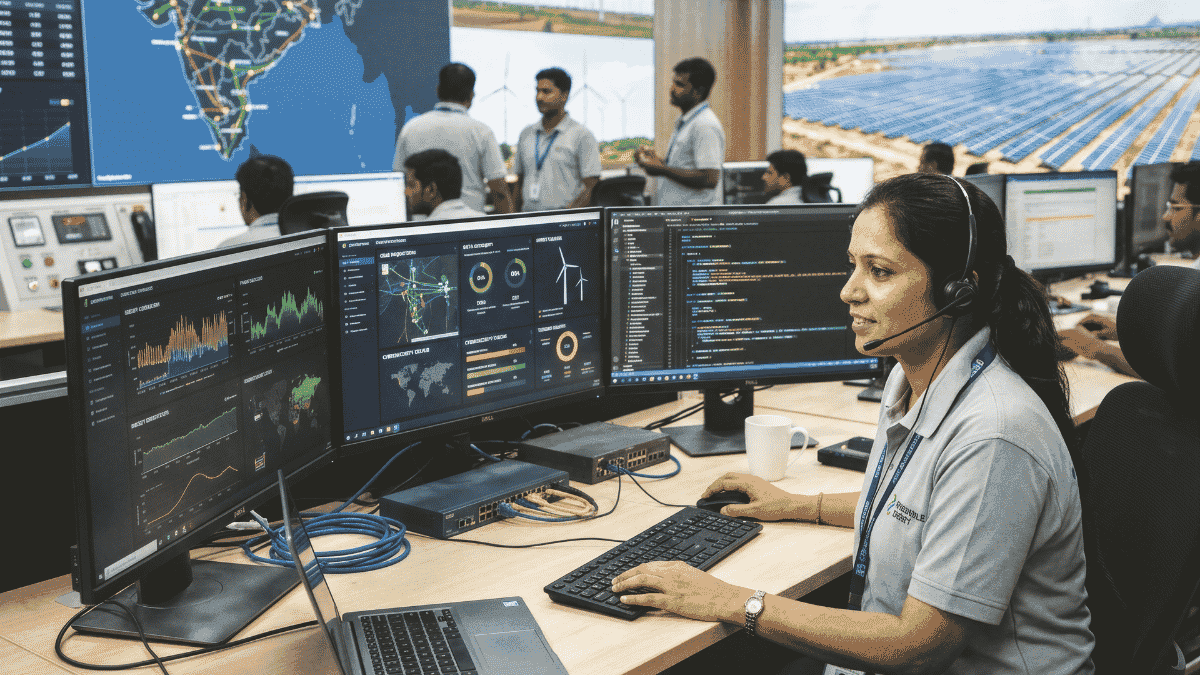
Where AI is already earning its keep is unglamorous: maintenance, forecasting, and spotting faults early. The CISO and General Manager for IT Communications at a state-owned integrated power utility says that AI already flags boiler tube failures before they occur, and the company is now applying the same approach to fuel and spare-parts stock, aiming to cut inventory by 10-15 percent. "If I can reduce my inventory to around 10 to 15 percent," he says, "that is a huge benefit for me."
The full stack renewable energy major is running a similar playbook across three parts of its business: spotting manufacturing defects on the blade line, predicting turbine breakdowns before servicing is needed, and tracking construction progress by satellite. The next step, he says, is agentic AI — systems that do not just flag a fault but act on it.
Meanwhile the Head of IT and Cyber Security of a homegrown renewable energy company is building digital twins — virtual copies of real equipment — to run failure and attack simulations safely before they can happen for real. "AI is the technology which processes your data and creates the scenarios what will happen if these parameters deviate," he says. "So instead of facing that situation, we protect against the incident before it happens."
The Trust Challenge
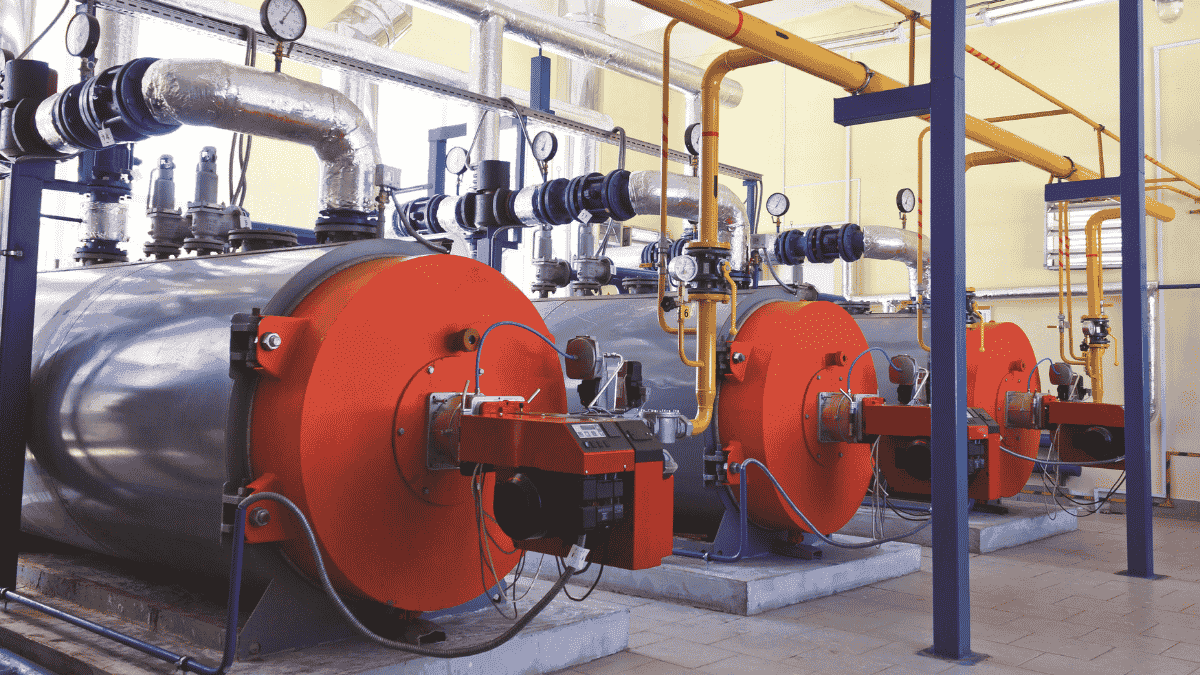
The same tools that catch problems early can also become a new way in for attackers, and this is where the industry is cognisant. The homegrown renewable energy company’s Head of IT and Cyber Security is direct about it: "there is another trend — the security of AI itself. Whatever algorithm you are developing, what is the security of those algorithms?" He also points out that most breaches do not come from clever attacks but from basics that trained teams overlook. "Hackers do not have a belief system," he says. "He is open to explore all the possible ways to breach the data. And we, as educated [professionals], forget to refill the basics."
Humans in the Loop
The leaders are of the view that people should not be fearing it but should be leveraging it to excel in their own field. They are candid about the trade-off, comparing the moment to the arrival of the internet, which wiped out clerical banking jobs while creating entirely new ones. "This is going to happen," they say, "so definitely it is going to help, but at the same time it is going to hit some of the roles." Power stations still need real machinery run by real people, and AI is not running the machine. What it changes, in their view, is how fast people can be trained and how efficiently things run — not whether people are needed at all.
The industry's AI journey is moving beyond experimentation towards practical application. Companies are increasingly deploying the technology where it can deliver measurable operational gains—anticipating equipment failures, improving maintenance planning, strengthening grid operations and enhancing decision-making. But the conversations suggest that competitive advantage will not come from adopting AI alone.
Instead, success will depend on whether organisations can build the foundations that make AI reliable: high-quality data, domain expertise, secure digital infrastructure and a workforce capable of working alongside intelligent systems. In the power and renewable energy sector, where reliability and safety are paramount, artificial intelligence is emerging less as a replacement for human judgement than as a tool to augment it. As the technology matures, the companies that treat AI as an operational capability rather than a standalone technology are likely to be best positioned to unlock its long-term value.