Maharashtra, unlike Rajasthan, did not enjoy affordable land or blistering irradiation. The state, unlike Gujarat, neither had a long coastline nor an early mover advantage. Nonetheless, as per the Ministry of New and Renewable Energy (MNRE), Maharashtra has been able to occupy the third rank when it comes to installed solar capacity, with about 20.3 GW of solar and nearly 32.9 GW of total renewable energy capacity.
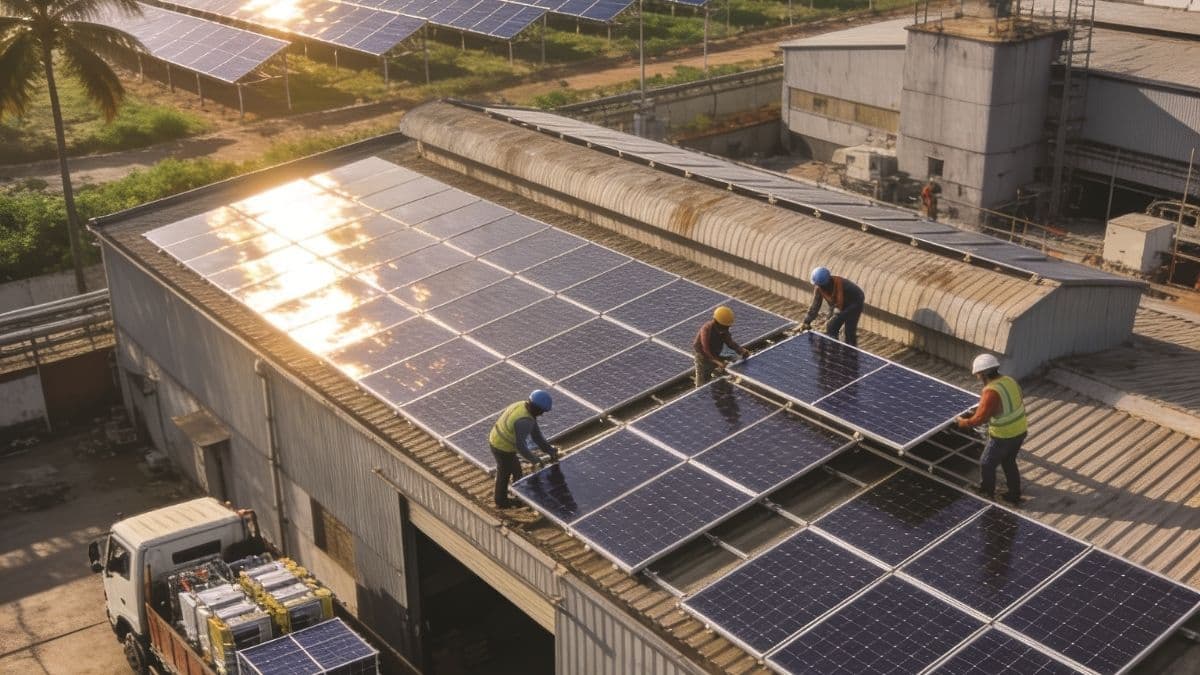
Leading the new rooftop solar installations is Maharashtra, with around a quarter of the national tally of new rooftop additions with 2,144 MW and off-grid additions
This has positioned the state only behind Rajasthan and Gujarat and surpassed traditional renewable bulwarks such as Tamil Nadu and Karnataka in the solar-specific count.
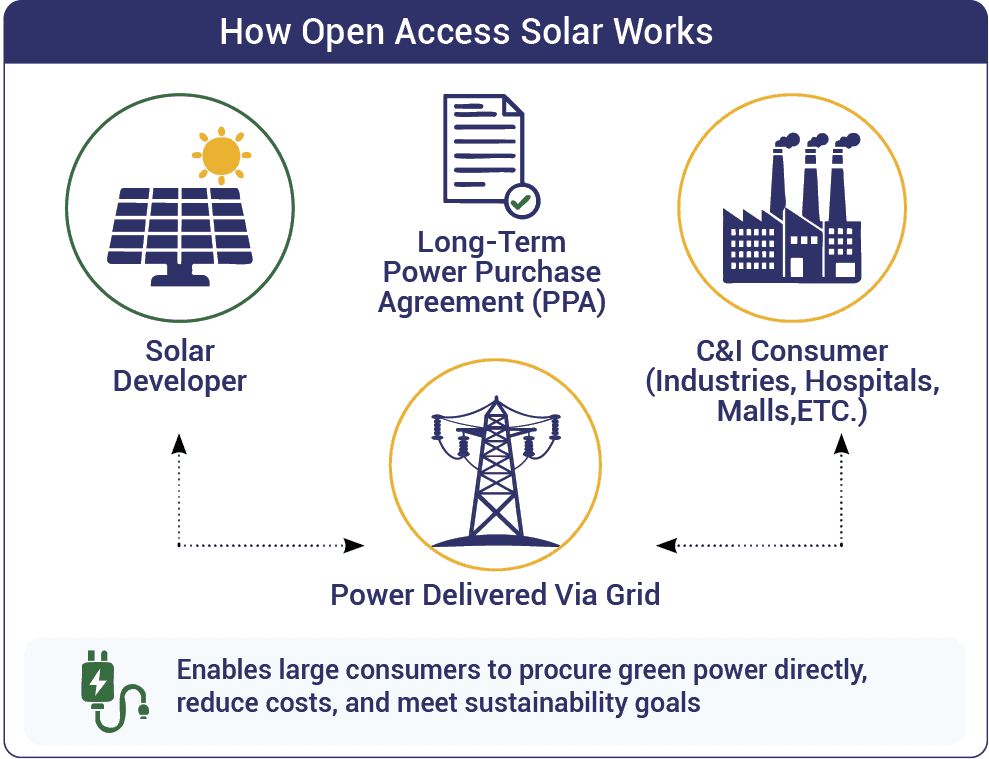
What makes Maharashtra's story unique is ‘Why’ the capacity is being developed. In Rajasthan and Gujarat, growth has largely been driven by utility-scale, government-tendered solar parks pursuing the best sun and the cheapest land. However, it is the demand that has emerged as the most interesting driver in Maharashtra. This demand is generated from a heavy industrial base, a rapidly expanding data centres and a wave of Commercial and Industrial (C&I) buyers signing up for open access solar to reduce costs and meet sustainability targets.
The Count behind the Surge
From nearly 11.8 GW in the mid-last year to around 17.2 GW by March FY 2025-26, Maharashtra’s solar capacity increased before surpassing 20 GW in the months since almost doubling in a fiscal year.
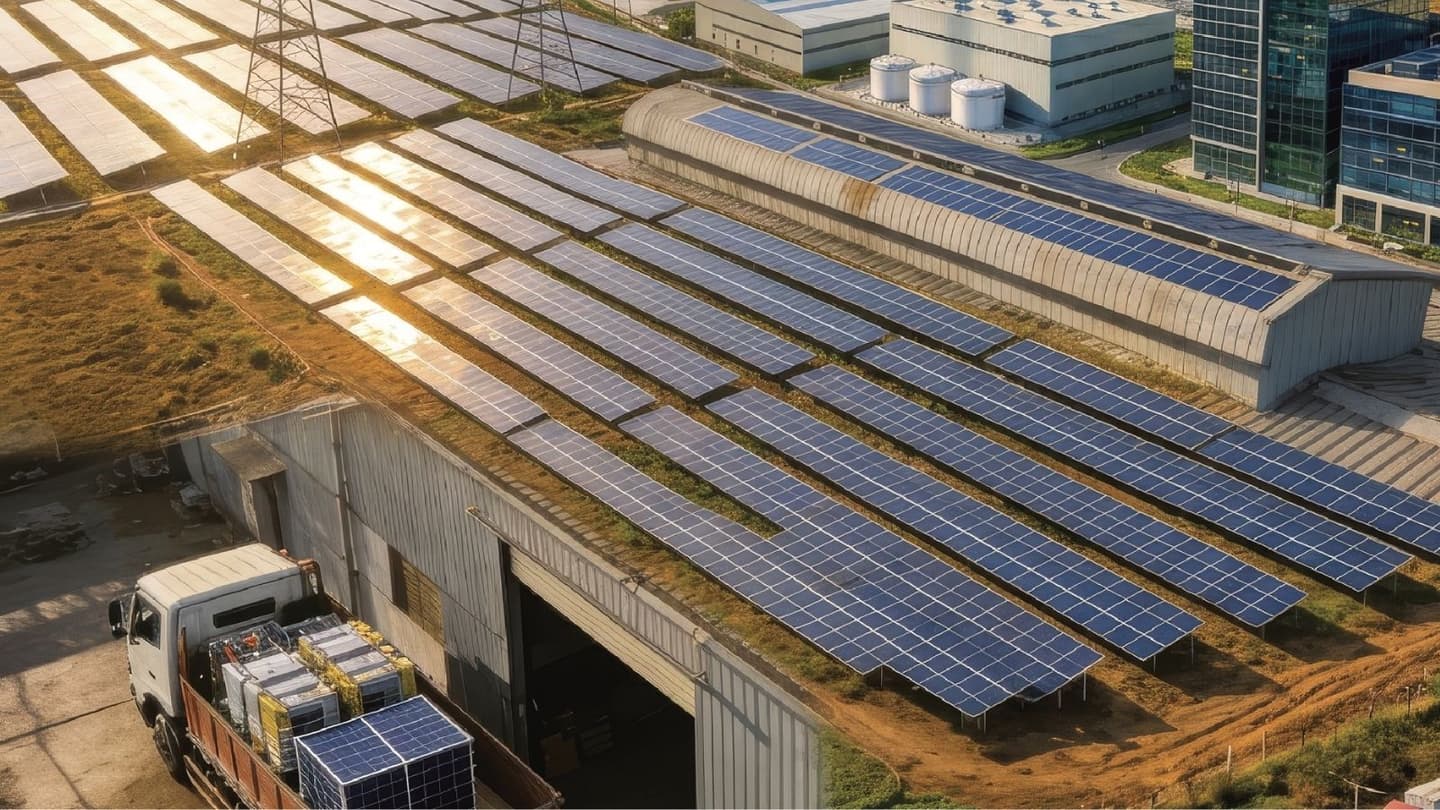
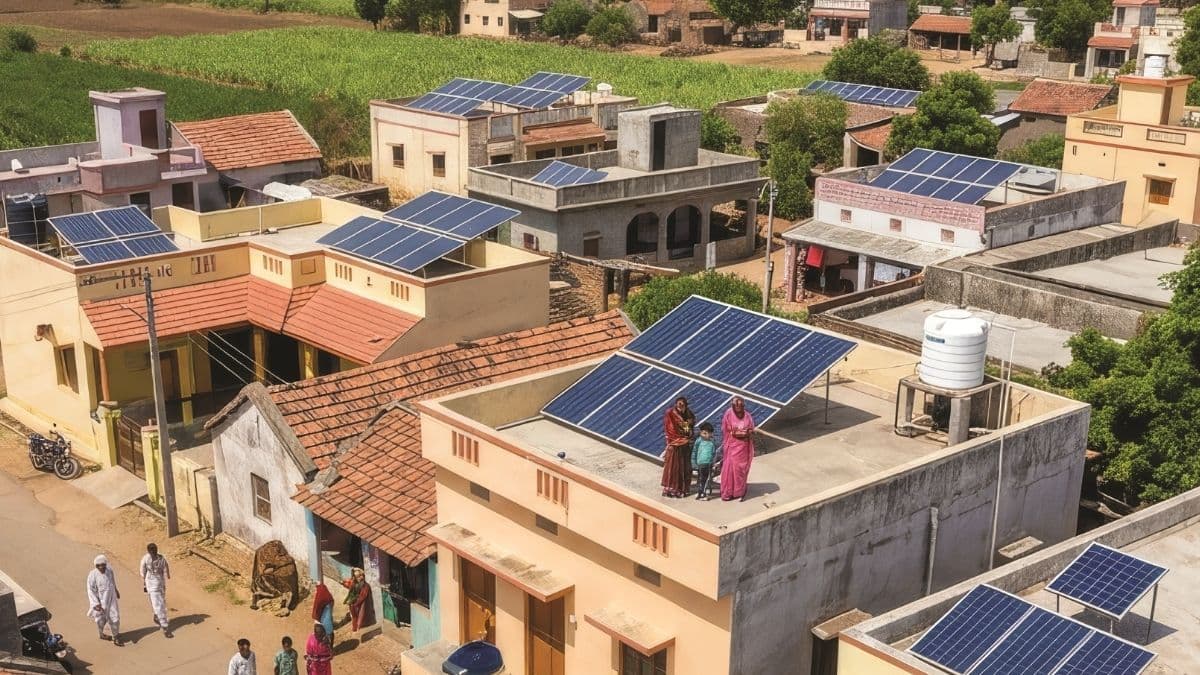
The country added a record solar capacity of 44.6 GW in FY 2025-26. Leading the new rooftop solar installations is Maharashtra, with around a quarter of the national tally of new rooftop additions with 2,144 MW and off-grid additions, while also registering significant off-grid capacity additions. What is more, the state stands third in new utility-scale capacity behind Rajasthan and Gujarat. This is a pattern that reflects its land-constrained, demand-dense geography.
C&I: The Demand Engine
The clearest evidence of a demand-led market is open access solar: large C&I consumers buying renewable power directly from developers via long-term contracts. Maharashtra, behind only Karnataka, ranked among the top two states in India for cumulative open-access solar capacity as of March 2026. Its policy is reinforced by the Maharashtra Renewable Energy and Energy Storage Policy 2025-26 to 2035-36, which reduced the green open-access eligibility threshold from 1 MW to 100 kW. This opened participation to smaller manufacturers and introduced 24X7 renewable supply contracts aimed at industrial buyers needing round-the-clock green power.
Manufacturing: The Second Demand Layer
Maharashtra is not only consuming solar power, but is building the equipment too. Waaree Energies has broken ground on a roughly ₹6,200 crore integrated solar ingot and wafer facility in Nagpur, expected to add 10 GW each of ingot and wafer capacity, deepening local industrial power demand across the supply chain, not just at installation.
Data Centres: Newest Power-hungry Tenant
Maharashtra hosts an estimated 60 percent of India's data centre capacity, concentrated around Navi Mumbai. As the state is not power-surplus, it now allows data centre parks in Mumbai, Navi Mumbai and Thane to generate and distribute their own captive renewable power under a deemed distribution licence framework introduced in late 2025. This is turning data centre campuses into both consumers and developers of solar capacity.
Maharashtra's rise to around 20 GW of solar and almost 33 GW of total renewable capacity is a story of economic necessity rather than natural endowment. Rajasthan and Gujarat got there first because the sun and land made it easy. Maharashtra is getting there because its factories, IT corridors and data centres need the power and are paying for it directly. That demand-led model may prove more durable, but it will require grid and storage infrastructure to keep pace with a state still recording some of India's highest peak electricity demand.