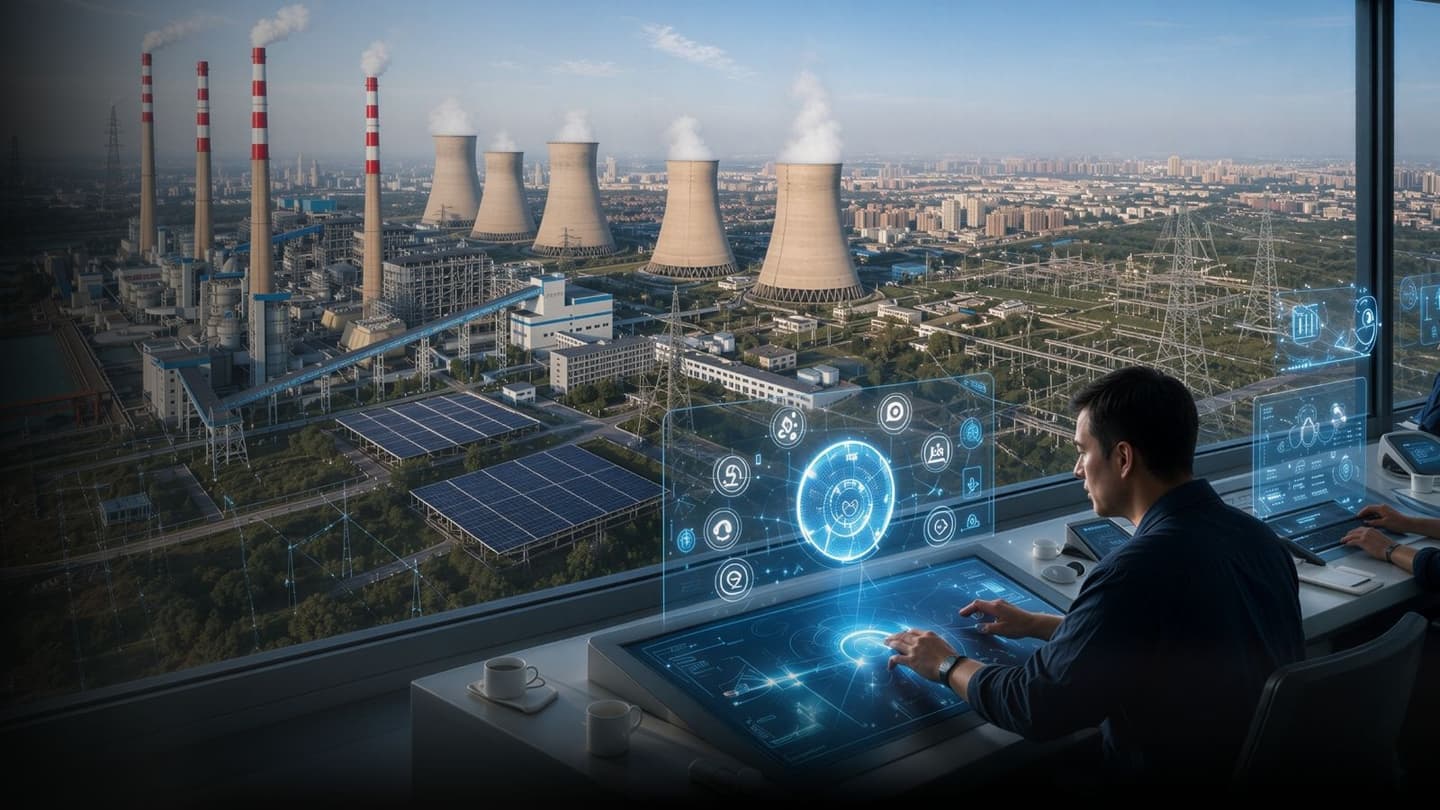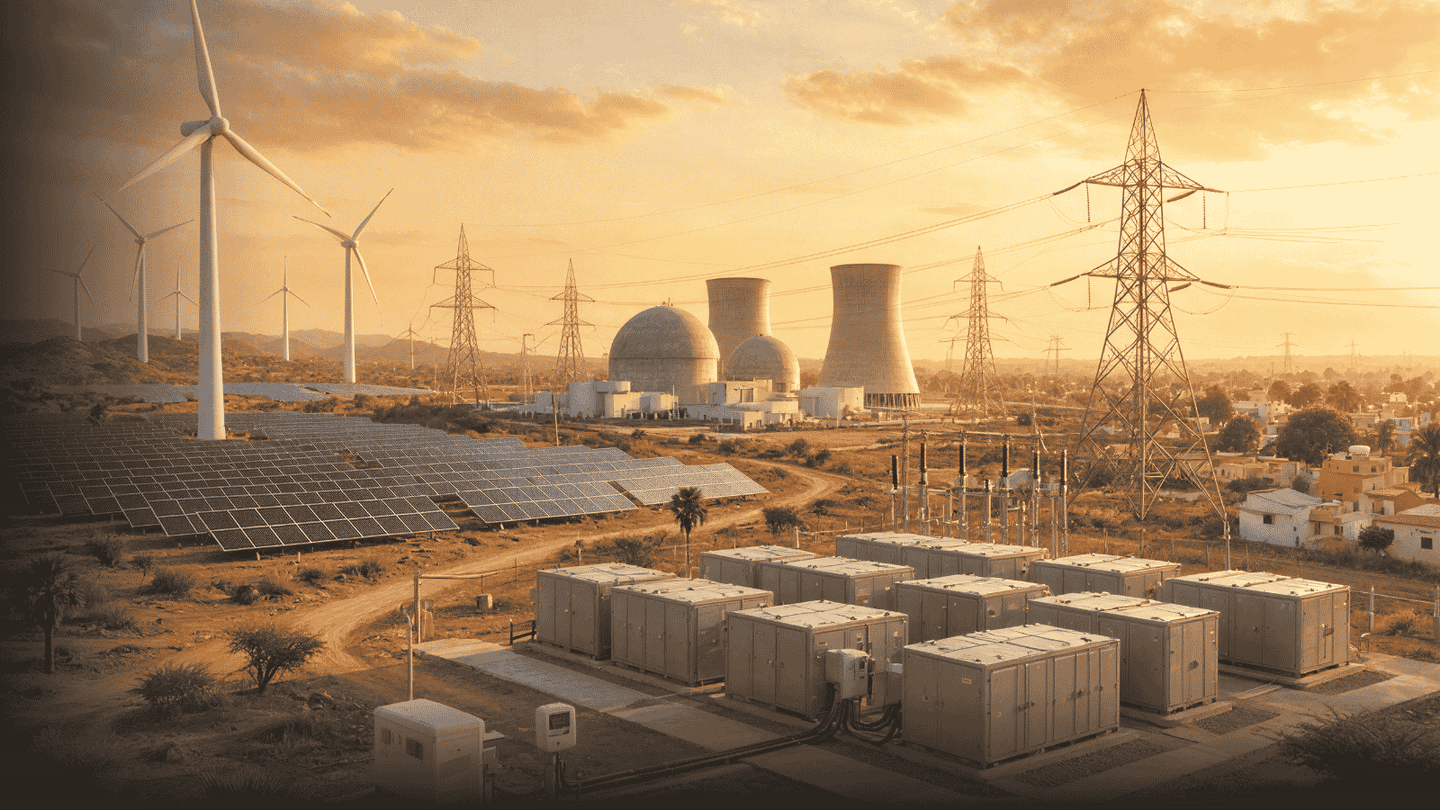
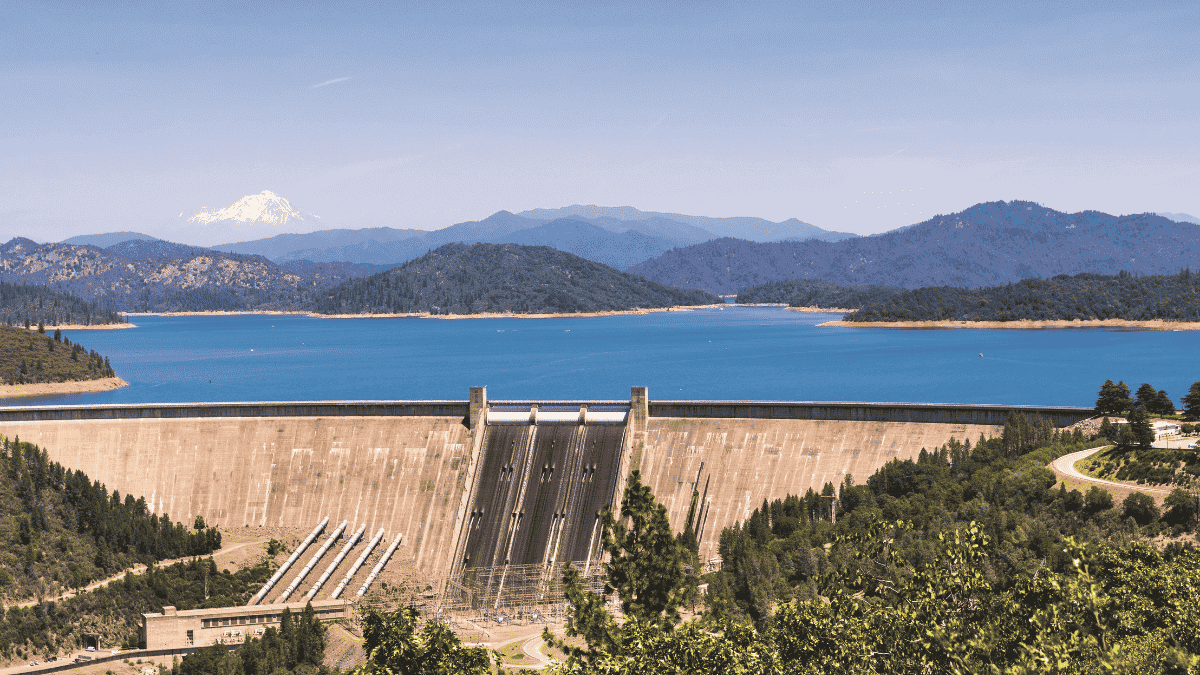
At Independence, India's power system could barely meet 1 GW of peak demand. Eight decades later, the country is designing a grid meant to serve four to five times its current installed capacity, drawing on the sun, wind, water, nuclear fission and increasingly on batteries that did not exist in any meaningful capacity a decade ago.
The Ministry of Power (MoP), the Central Electricity Authority (CEA) and NITI Aayog, over the past two years, have released a series of long-term planning documents, complemented by policy initiatives from the Ministry of New and Renewable Energy (MNRE). These documents include the National Electricity Plan, the Draft National Electricity Policy 2026, the Road Map for Achieving 100 GW of nuclear capacity by 2047 and the Master Plan for Evacuation of Power from Hydroelectric Plants in the Brahmaputra Basin, which together sketch what the system is expected to look like by 2047, the year India completes a century of independence and aims to be a ‘Viksit Bharat’ (Developed Nation).
Where the System Stands Today
As per MoP, India's total installed power generation capacity stood at around 552 GW as of July 2026. Since 2014, the country has added over 320 GW of capacity. This, the government describes as a shift from a power-deficit to a power-surplus nation with the supply-demand gap at just 0.03 percent in 2025-26 and average daily electricity availability rising to 22.6 hours in rural areas and 23.4 hours in urban areas.
Non-fossil sources now account for a majority of that capacity, and crossed a symbolic threshold in the last week of July. According to MNRE, the country’s non-fossil fuel-based installed electricity generation capacity crossed 300 GW as of July 31, 2026, touching 300.50 GW and taking its share of the country's total generation capacity past 54 percent, over 60 percent of the way to the 500 GW target set for 2030.
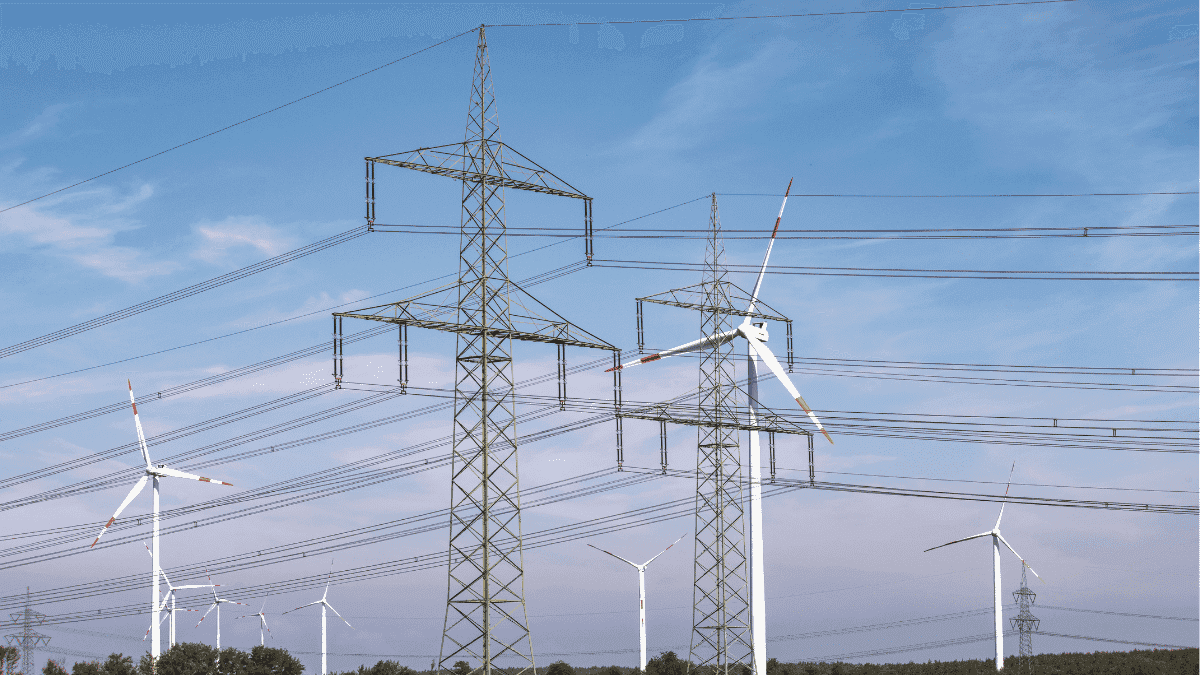
The Ministry of Power, the Central Electricity Authority and NITI Aayog, have released a series of long-term planning documents, complemented by policy initiatives from the Ministry of New and Renewable Energy
The breakup: solar at 164.59 GW, wind at 58.14 GW, large and small hydropower at 57.24 GW, bio-power at 11.75 GW, and nuclear at 8.78 GW.
Solar capacity alone has grown from just 2.8 GW in 2014, and wind from 21 GW in the same year. The ministry credits the pace to a record year — 55.29 GW of non-fossil capacity was added in 2025-26, including 44.6 GW of solar and 6 GW of wind, the highest annual addition on record. Renewable energy generation has kept pace with this capacity build-out, rising from 190.96 billion units in 2014-15 to 477.79 billion units in 2025-26. India now ranks third globally in renewable energy installed capacity by overtaking Brazil, based on The International Renewable Energy Agency’s (IRENA) Renewable Energy Statistics 2026.
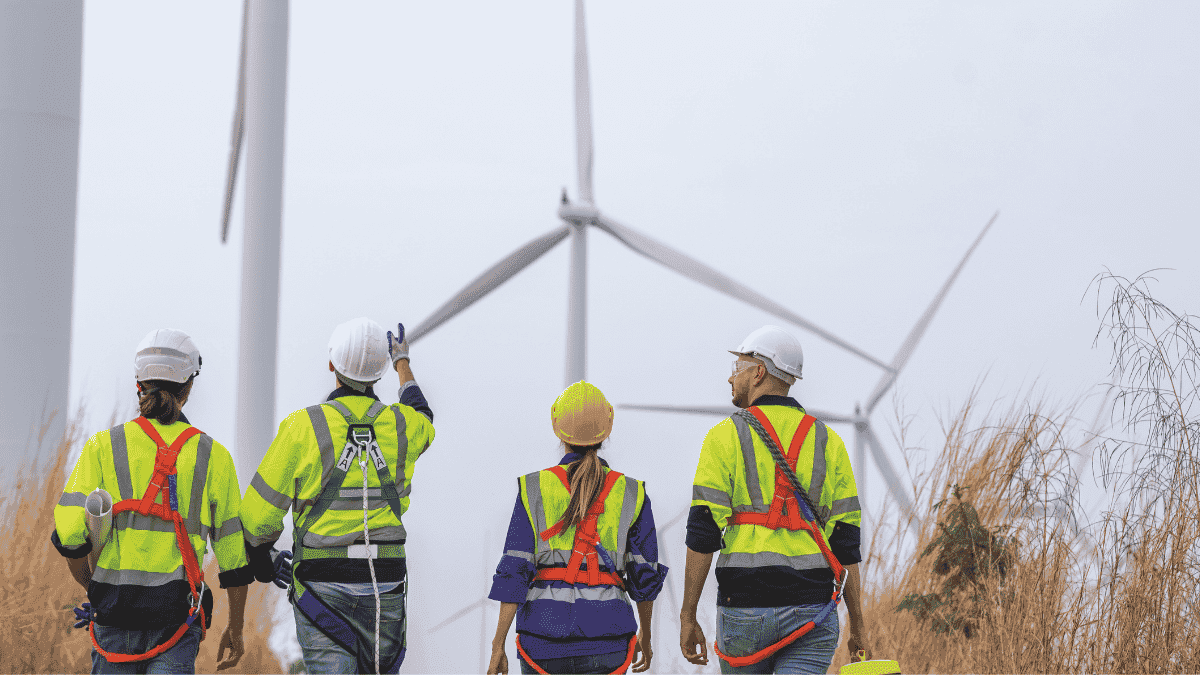
India now ranks third globally in renewable energy installed capacity by overtaking Brazil, based on The International Renewable Energy Agency’s (IRENA) Renewable Energy Statistics 2026
The ministry has also tied this expansion to domestic manufacturing. Under the Production-Linked Incentive (PLI) scheme for high-efficiency solar modules, capacity enlisted under the Approved List of Models and Manufacturers (ALMM) for solar PV modules has crossed 200 GW, up from just 2.3 GW in 2014 — a supply-chain build-out the government frames as central to energy independence rather than climate commitment alone.
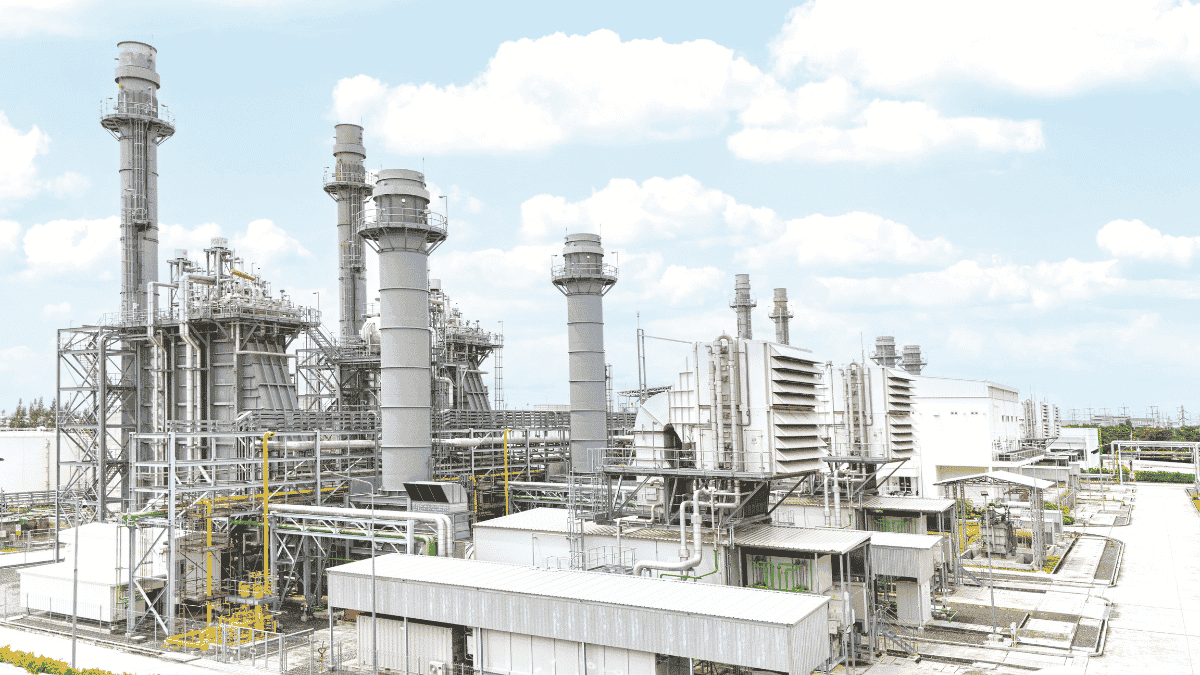
The 2047 Numbers
Presenting at CEA's Brainstorming Session on the Indian Power Sector Scenario 2047, held in New Delhi in October 2024, the authority's Chairperson Ghanshyam Prasad traced the system's growth from 1 GW of peak demand at Independence to a projected peak demand of 708 GW by 2047, requiring around 2,053 GW of installed generation capacity, roughly four times India's current installed capacity.
That trajectory would be underpinned by 1,200 GW of solar and over 400 GW of wind capacity, alongside a sharp scale-up of pumped hydro storage from roughly 4.7 GW today to 116 GW.
The roadmap also identifies flexible operation of thermal and nuclear plants, skill development, research and development, financing the energy transition, and innovative solutions in transmission and distribution as key priorities for the sector
Nuclear power occupies a distinct place in this arithmetic. The government has set a target of at least 100 GW of nuclear capacity by 2047, a more than tenfold jump from the 8.78 GW installed today. The CEA released a dedicated ‘Road Map for Achieving the Goal of 100 GW of Nuclear Capacity by 2047’, the product of a MoP committee constituted in February 2025 to examine the financing, fuel-supply and regulatory steps needed to get there.
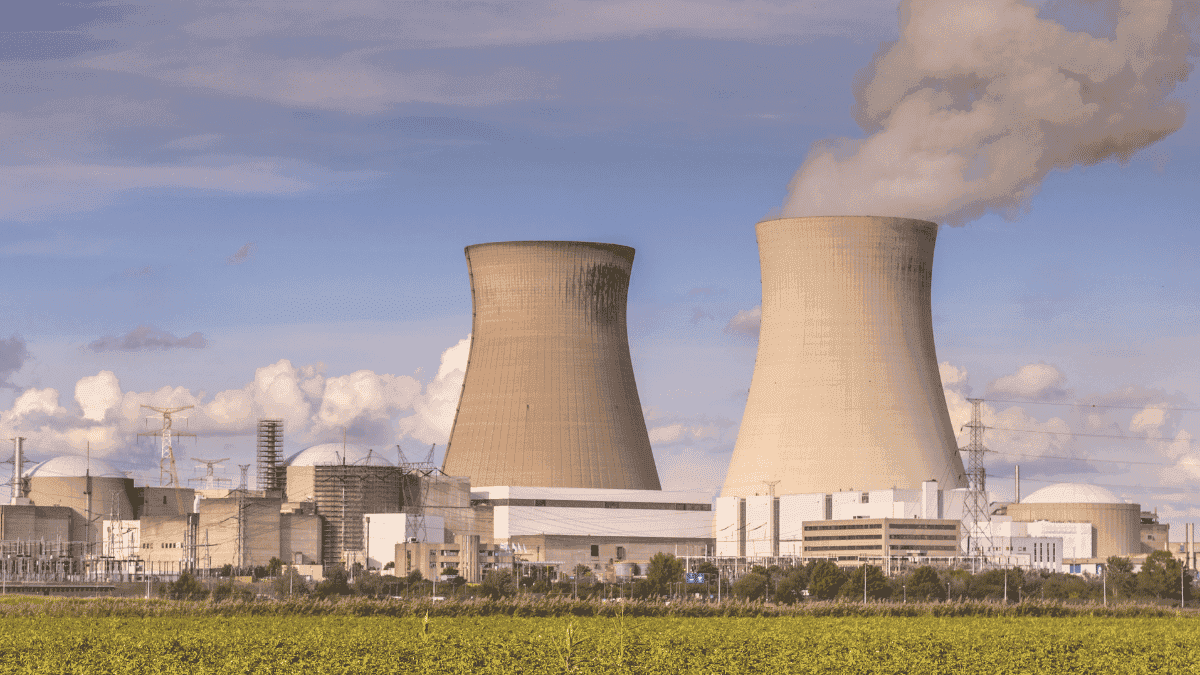
The Nuclear Energy Mission, announced in the Union Budget for 2025-26 with an outlay of ₹20,000 crore, targets at least five indigenous small modular reactors in operation by 2033
Under that roadmap, The Nuclear Power Corporation of India Ltd (NPCIL) is expected to take capacity to about 54 GW using indigenous pressurised heavy water and light water reactors, with the remaining 46 GW envisaged from other public sector enterprises, state governments, private players and joint ventures across a mix of reactor technologies; nuclear capacity is separately projected to reach roughly 22 GW by 2031-32 as the 18 reactors (13,800 MWe) currently under implementation are progressively commissioned.
The Nuclear Energy Mission, announced in the Union Budget for 2025-26 with an outlay of ₹20,000 crore, targets at least five indigenous small modular reactors in operation by 2033, with the Bhabha Atomic Research Centre developing the 220 MWe Bharat Small Modular Reactor and a 55 MWe unit, both to be at Tarapur, and an up to 5 MWth high temperature gas cooled reactor for hydrogen generation.
The legal architecture to support this expansion changed in December 2025, when Parliament passed the Sustainable Harnessing and Advancement of Nuclear Energy for Transforming India (SHANTI) Act, which received presidential assent on December 20 and, for the first time since Independence, permits private and joint-venture entities to build, own and operate nuclear plants under government licence, while retaining enrichment, heavy-water production and spent-fuel management with the state.
Analysts have described the reform as unlocking an investment opportunity running to roughly $214 billion through 2047, though that figure comes from industry assessments rather than an official government estimate. NITI Aayog's own projections go further out, suggesting India will need at least 100 GW of nuclear capacity by 2047 and 250-300 GW by 2070 to meet the demands of a developed, sustainable economy.
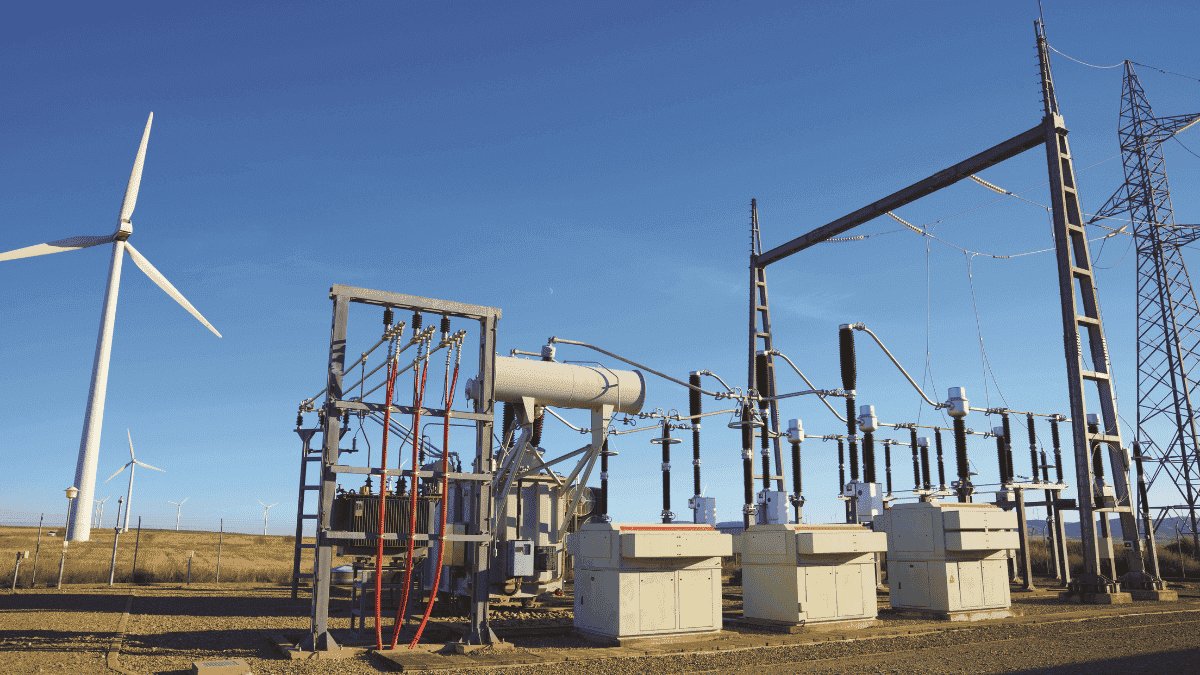
Building the Wires to Match the Generation
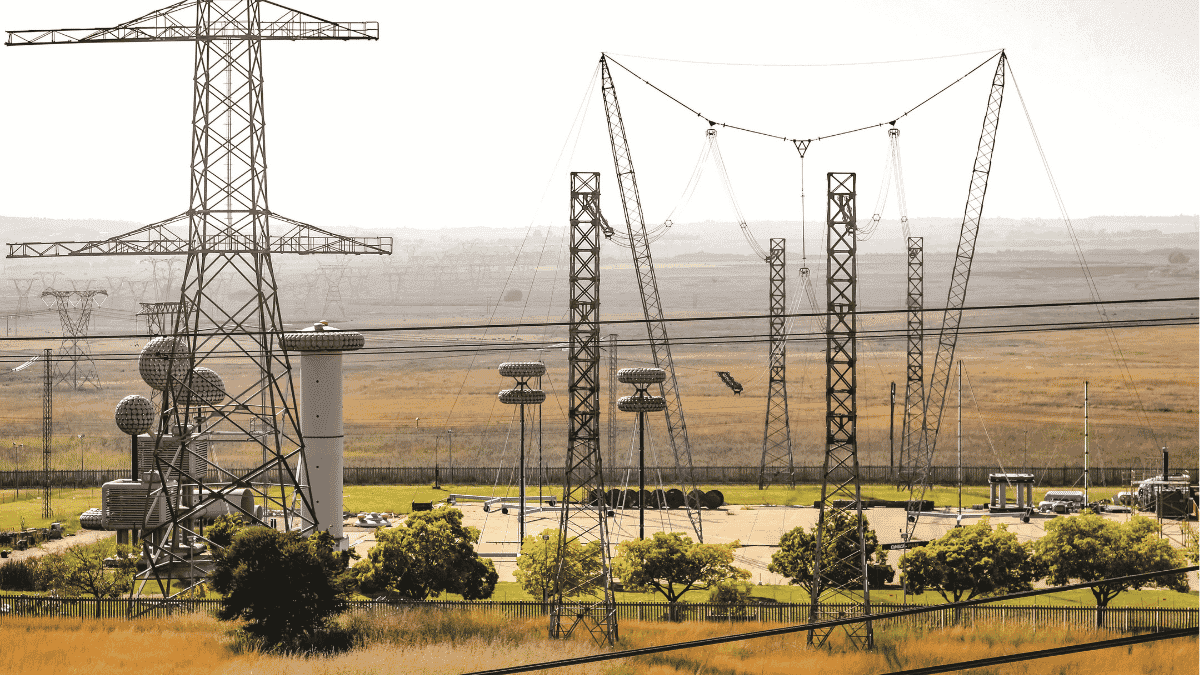
Generation capacity is only half the planning problem; moving that power across the country is the other. CEA's National Electricity Plan (Volume-II, Transmission), notified for the 2022-32, is designed to integrate 500 GW of renewable energy capacity by 2030 and more than 600 GW by 2032. As per the plan, India's transmission network is to expand from about 5.04 lakh circuit kilometres in February 2026 to 6.48 lakh circuit kilometres by 2032, with transformation capacity rising from roughly 1,429 GVA to 2,345 GVA.
Inter-regional transmission capacity is projected to climb from 120 GW to 143 GW by 2027 and to 168 GW by 2032. The plan factors in 47 GW of battery energy storage and 31 GW of pumped storage to smooth out the intermittency that comes with a solar- and wind-heavy grid, along with dedicated transmission corridors to coastal green hydrogen and green ammonia hubs at Mundra, Kandla, Gopalpur, Paradeep, Tuticorin, Visakhapatnam and Mangaluru.
MoP has put the associated investment at over ₹9.15 lakh crore through 2032, and separately noted that transmission capacity is being planned for cross-border interconnections with Nepal, Bhutan, Myanmar, Bangladesh and Sri Lanka, with possible future links to Saudi Arabia and the UAE.
Hydropower has its own dedicated evacuation blueprint. The CEA’s ‘Master Plan for Evacuation of Power from Hydroelectric Plants in the Brahmaputra Basin’, lays out phased transmission infrastructure for around 65 GW of hydro capacity in the region, a project the authority says, required close coordination with the Central Water Commission as the water-power interdependence involved. As a part of strengthening grid safety oversight alongside the capacity build-out, the CEA launched the Electrical Accident Data Monitoring System, a portal meant to centralise reporting and analysis of electrical accidents nationwide.
Grid Security and the Distribution Backbone
Scale means little if the wires reaching individual consumers remain lossy or the utilities buying that power remain financially unstable — the security dimension of the roadmap rests as much on this last mile as on gigawatt targets.
In a written reply in the Rajya Sabha on March 30 this year, MoP stated that Aggregate Technical and Commercial (AT&C) losses across distribution utilities had declined to 15.04 percent in FY25 from 21.91 percent in FY21, with national billing efficiency improving from 84.08 percent to 87.59 percent and collection efficiency from 92.9 percent to 97 percent over the same period.
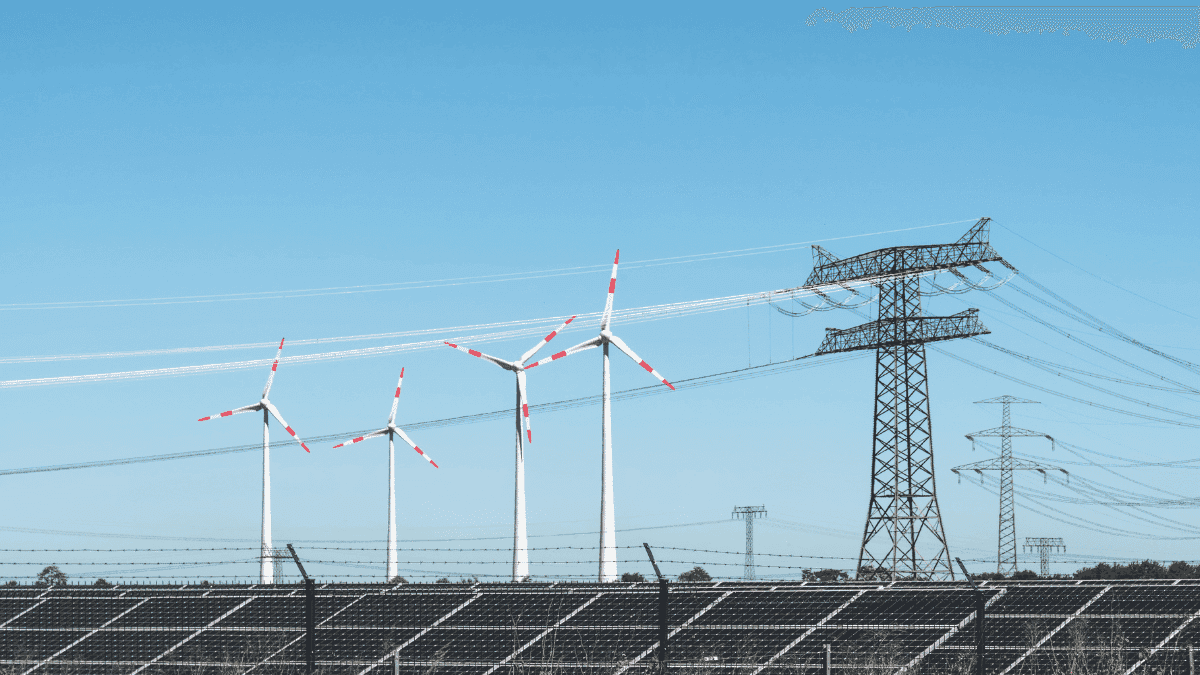
The government has built out green energy corridors and established 13 Renewable Energy Management Centres to forecast and balance solar and wind generation in real time
Separately, legacy dues owed to power generating companies, which stood at ₹1,38,378 crore when the Electricity (Late Payment Surcharge and Related Matters) Rules took effect in June 2022, have fallen sharply since, to roughly ₹4,100 crore by February 2026, as states cleared arrears in monthly instalments under the rules. The government is carrying this consolidation forward through the Revamped Distribution Sector Scheme, under which ₹1.53 lakh crore has been sanctioned for loss-reduction infrastructure and ₹1.31 lakh crore for smart metering have been sanctioned.
Grid resilience against the variability of renewable output has also drawn dedicated infrastructure. The government has built out green energy corridors and established 13 Renewable Energy Management Centres to forecast and balance solar and wind generation in real time. This sits within a broader energy security framing that predates the current planning cycle. Prime Minister Narendra Modi set out a goal of energy independence by 2047 in 2021. The electricity roadmap, in that sense, is one leg of a wider effort to reduce that import dependence, alongside pushes on electric vehicles, green hydrogen and domestic manufacturing of solar and battery components.
Storage, Demand and the Policy Scaffolding
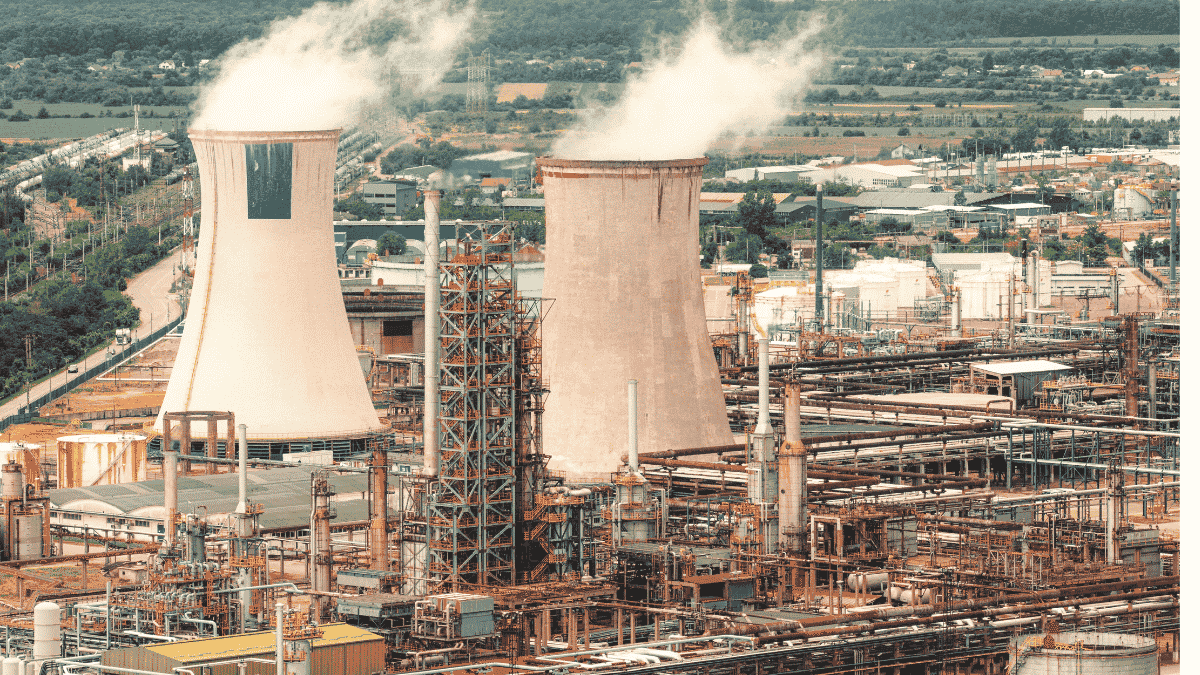
Storage requirements are expected to grow sharply as renewable energy penetration increases. Industry projections suggest India's grid-scale energy storage requirement could reach around 888 GWh by 2035-36. To support domestic manufacturing, the Ministry of Heavy Industries is implementing a ₹18,100 crore PLI scheme for 50 GWh of Advanced Chemistry Cell (ACC) battery manufacturing. Separately, CEA has updated project appraisal and detailed project report (DPR) guidelines for pumped storage projects to help accelerate their development
On the demand side, MoP’s Draft National Electricity Policy (NEP) 2026, released for public consultation on January 21, 2026, targets per capita electricity consumption of 2,000 kWh by 2030 and more than 4,000 kWh by 2047, up from 1,460 kWh in 2024-25. Once finalised, it will replace the National Electricity Policy notified in 2005.
To support domestic manufacturing, the Ministry of Heavy Industries is implementing a ₹18,100 crore PLI scheme for 50 GWh of Advanced Chemistry Cell (ACC) battery manufacturing
Besides aligning with India's commitment to reduce emissions intensity by 45 percent below 2005 levels by 2030, the draft policy proposes reducing AT&C losses to single-digit levels, establishing Distribution System Operators to manage rooftop solar and other distributed energy resources, introducing index-linked automatic tariff adjustment mechanisms, and strengthening the grid through a dedicated cybersecurity framework.
NITI Aayog's India Energy Security Scenarios (IESS) 2047 platform—now in its third version and developed with IIT Bombay—remains one of the government's principal energy scenario-modelling tools. It incorporates variables ranging from green hydrogen and battery storage to electric vehicle adoption and renewable purchase obligations, with projections extending to 2047 and the framework being expanded to support longer-term modelling through 2070.
Financing the Transition
None of this comes free. Between FY2014 and FY2026, India's renewable energy sector attracted approximately $45.72 billion in Foreign Direct Investment (FDI), according to figures tabled in Parliament. During the same period, domestic financial institutions, including 12 public sector banks, the Indian Renewable Energy Development Agency Ltd (IREDA), Power Finance Corporation Ltd (PFC), REC Ltd, India Infrastructure Finance Company Ltd (IIFCL), National Bank for Financing Infrastructure and Development (NaBFID), and the Small Industries Development Bank of India (SIDBI)deployed a further ₹12.32 lakh crore towards renewable energy projects.
Layered on top of the estimated ₹9.15 lakh crore required for transmission infrastructure through 2032 under the National Electricity Plan and the roughly $214 billion nuclear investment opportunity identified by industry analysts, the financing requirement through 2047 is likely to far exceed the capital mobilised so far. How consistently that investment continues to flow—and whether state-level distribution reforms keep pace with generation and transmission expansion—may ultimately prove more decisive to India's 2047 energy ambitions than any single installed-capacity target.
These documents describe a system attempting three things at once: quadrupling in scale, shifting decisively away from fossil fuels, and doing so without compromising the reliability that a large, growing economy needs. The scale of ambition is considerable: 1,200 GW of solar, 400-plus GW of wind, 100 GW of nuclear and a transmission network stretching past 6.48 lakh circuit kilometres are figures with few precedents globally. Much of the framework such as the National Electricity Plan, the nuclear roadmap, the draft National Electricity Policy has only been finalised or floated for consultation in the past two years, meaning execution, financing and grid-integration challenges will determine how much of the 2047 vision is realised on schedule. As per MoP’s submissions to Parliament, the immediate milestone remains the 500 GW non-fossil capacity target for 2030; how smoothly that is met, and whether distribution utilities remain financially sound enough to keep paying for the power flowing through this expanded grid, will be early indicators of whether the longer horizon to 2047 stays on track.