Once defined by chronic power shortages and execution inertia, Uttar Pradesh is today scripting one of modern India’s most remarkable transformations. What was once labelled as a paradox of potential—rich in people and geography yet limited by legacy constraints—is now emerging as one of the country’s most confident, fast-changing and investment-ready energy economies.
This resurgence is not accidental. It reflects the combined impact of Prime Minister Narendra Modi’s national vision for infrastructure-led growth and energy security, and Chief Minister Yogi Adityanath’s governance model, which has emphasised clean administration, policy stability, and last-mile execution with unprecedented discipline. This leadership alignment has allowed India’s largest state to shed its historical baggage and accelerate into a new era of reliable power, renewable ambition and digital-led service delivery.
Uttar Pradesh’s Composite Sustainable Development Goals (SDG) score rising from 60 to 67 in 2022-23, making it the highest improver in the country—is symbolic and structural at the same time. For a state with a population of over 25 crore, this seven- point leap is not just progress; it is a statement of intent.
From Shortages to Surpluses: Rewiring the Power Backbone
The transformation rests on the state’s sweeping renewal of its power sector. A region once associated with unpredictable outages is now demonstrating grid dependability at a national scale. In 2025, Uttar Pradesh Power Transmission Corporation Ltd (UPPTCL) met a record demand of 31,347 MW without outages—a milestone unimaginable just a decade ago.
This stability is the result of a decisive shift in planning philosophy. New substations and transmission expansion—such as those in western Uttar Pradesh and the crucial Gorakhpur project in Purvanchal—have created infrastructure ahead of demand rather than in reaction to crises. This forward-looking approach is now powering industrial corridors stretching from NCR to Purvanchal, strengthening the state’s economic spine.
Under the leadership of Modi and Yogi, Uttar Pradesh is no longer managing scarcity—it is preparing for scale
Solarising the State: A New Era of Renewables + Storage
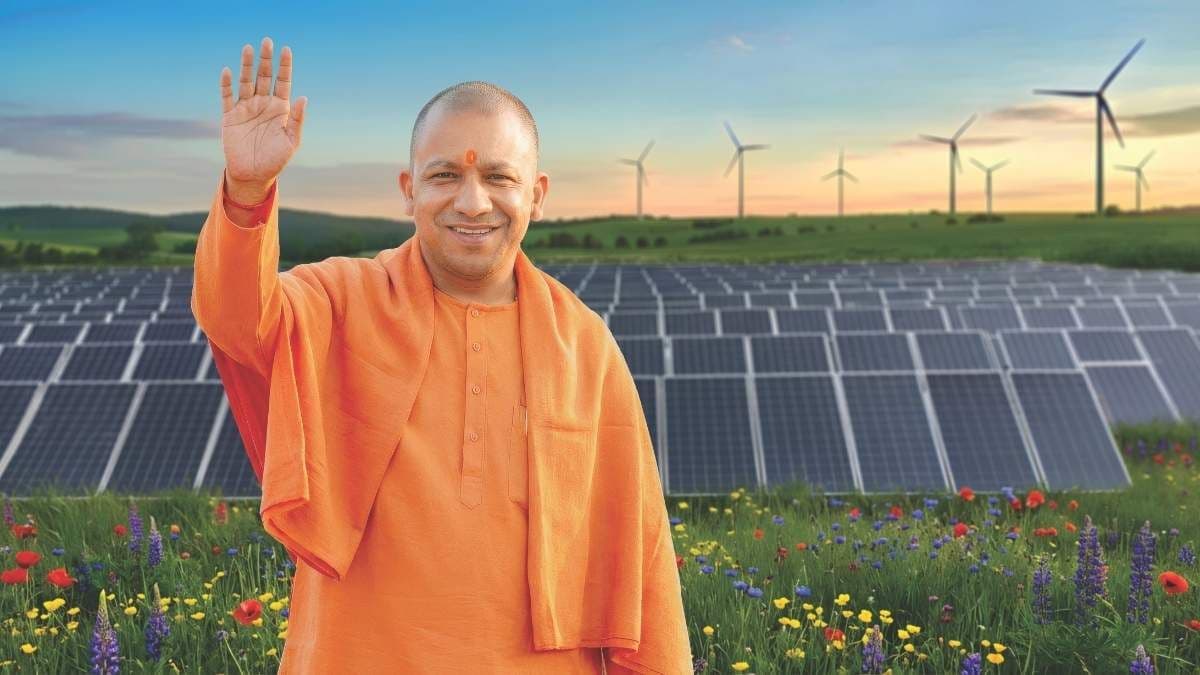
Uttar Pradesh’s ambition in renewable energy mirrors India’s national clean-energy trajectory. Under the UP Solar Energy Policy 2022, the state aims for an impressive 22,000 MW of solar capacity by 2026–27, including 6,000 MW through rooftop installations.
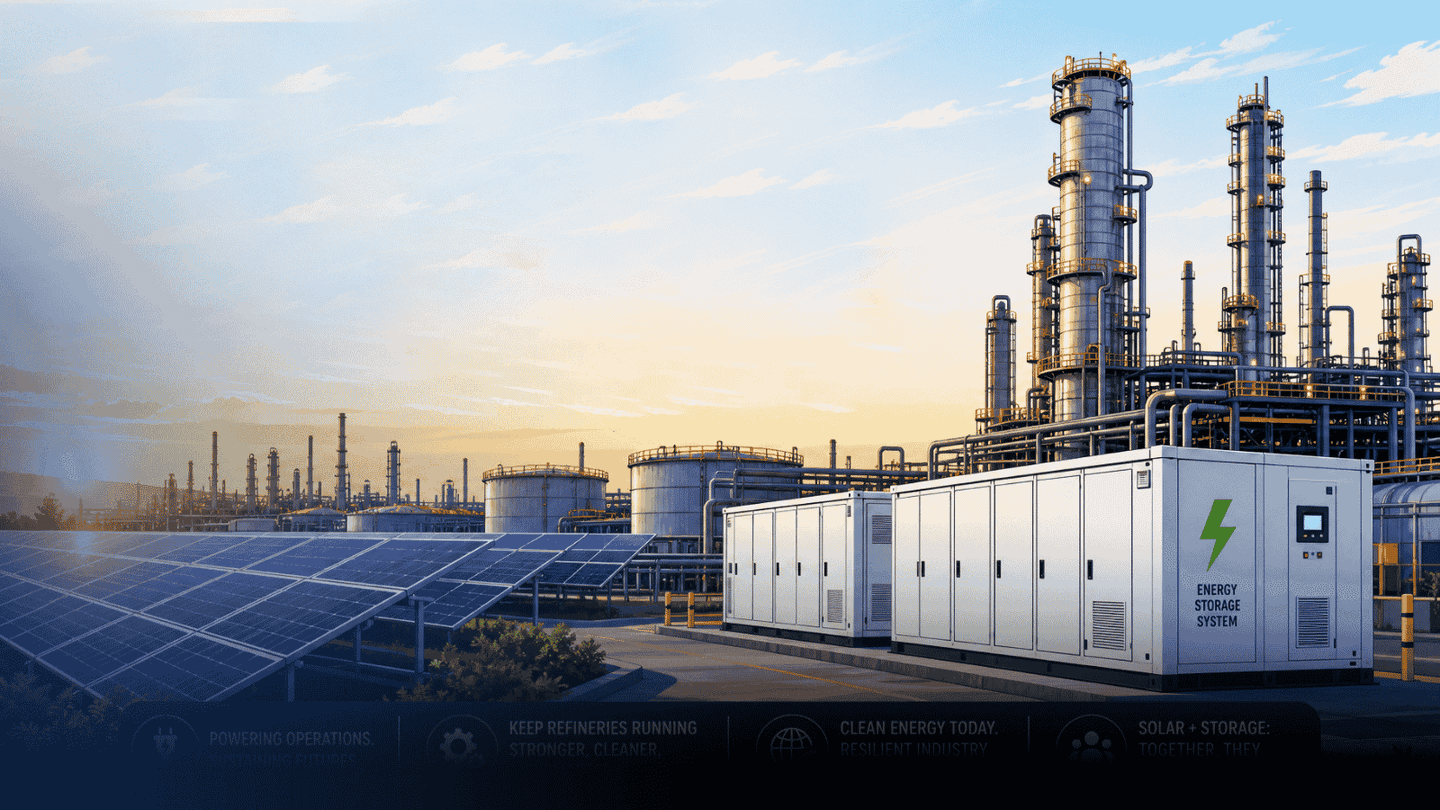
What distinguishes UP’s model is its integration of solar + storage, with a subsidy of ₹2.5 crore per MW for utility-scale projects paired with four-hour battery storage. This positions Uttar Pradesh to transition from daytime solar to round-the-clock renewable power—marking a major shift toward cleaner and more resilient energy systems.
The numbers tell a story of exponential uptake: as of August 2025, the state had installed 28,029 rooftop solar systems, averaging an extraordinary 904 installations per day under PM Surya Ghar: Muft Bijli Yojana. This surge reflects both consumer confidence and the state’s enabling environment. Complementing deployment is the Surya Mitra programme, which aims to skill 30,000 solar technicians by 2027, creating a green workforce for India’s clean-energy future.
Digital Governance: Accountability in Real Time
Often overlooked but equally revolutionary is Uttar Pradesh’s embrace of digital governance. Under CM Yogi Adityanath, the state has operationalised a real-time CM Dashboard and the Integrated Grievance Redressal System (IGRS), enabling direct monitoring of transformers, feeders, and citizen complaints.
This digital backbone has strengthened coordination across departments, drastically reduced delays, and enhanced transparency— contributing significantly to the state’s leap in SDG 16: Peace, Justice, and Strong Institutions.
Simultaneously, the installation of over 35 lakh prepaid smart meters under RDSS is reshaping the state’s power distribution narrative. With smart meters integrated through the UPPCL consumer app, transformer failures have reduced by as much as 33 percent, reinforcing the reliability of service delivery.
Smart governance is no longer a slogan here—it is a system.
While the state’s DISCOMs have historically faced financial constraints, the narrative is shifting in a more positive direction reflecting a system undergoing reform-driven stabilisation rather than deterioration.
Smart metering, AT&C loss reduction, technology-enabled billing and enhanced transparency are beginning to improve the financial health of distribution operations. Timely subsidies, data-led monitoring, and cleaner governance architectures have created conditions for a structural turnaround—one that positions Uttar Pradesh’s distribution sector on a stronger, more predictable trajectory.
In the larger arc of transformation, these improvements are not signs of strain but indicators of a sector transitioning into financial discipline and operational maturity.
Poised for Leadership: Uttar Pradesh’s Next Energy Leap
Uttar Pradesh’s energy resurgence is not a temporary spike—it is becoming a durable model for India’s state-led transformation. The state’s dramatic rise in SDG rankings underscores its strengthened infrastructure, digital governance, and citizen-centric reform ecosystem.
But the deeper story is one of momentum. With some of India’s most ambitious solar targets, rapidly strengthening transmission capacity, aggressive rooftop adoption, and a maturing power distribution network, Uttar Pradesh is positioning itself as a national leader in clean energy, industrial growth and future-ready infrastructure.
The combined leadership of Prime Minister Narendra Modi—whose national energy reforms have reshaped India’s power landscape—and Chief Minister Yogi Adityanath, whose governance model prioritises integrity, order and execution, has unlocked an energy transition of exceptional scale and purpose. Their aligned vision is turning Uttar Pradesh into a state that no longer waits for change—it drives it.
As the state continues to deepen its renewable footprint, digitise service delivery, and strengthen its power ecosystem, it is poised to become one of India’s foremost energy-transition success stories—a state ready not just to participate in India’s clean-energy future, but to lead it.