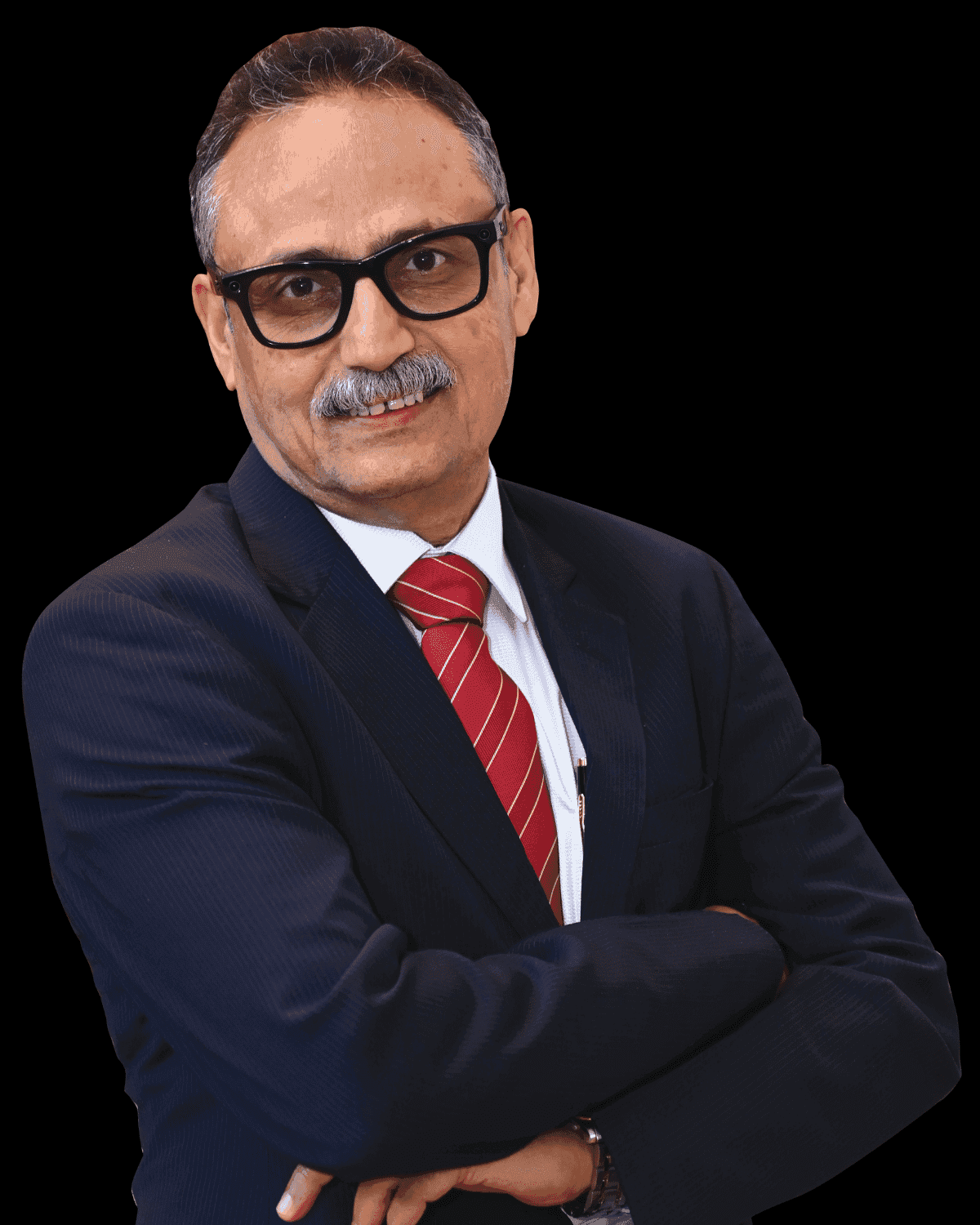
As the country’s oil and gas industry is increasingly becoming digital and inter-connected, their process safety management is noticeably transforming– from a traditional monitoring system to an intelligent and real-time decision-making framework. In an interview with ENERGDIVE, Badal Roy, Former Executive Director, Oil and Natural Gas Corporation Ltd, feels that Artificial Intelligence (AI), Machine Learning (ML), Industrial Internet of Things (IIoT) and predictive analytics will redefine how the industry assess risks, manage emergencies and strengthen operational resilience.
Q: As digital systems provide real-time data through sensors and integrated control platforms, how can organisations ensure that this connected data leads to timely command-driven decisions during process deviations rather than remaining limited to monitoring dashboards?
A: Here, the role of AI and ML comes into the picture. In IIoT, when sensors are monitoring the data, this data has to be connected to the entire system. Data comes from sensors, digital twins, ERP systems, and digital maintenance management systems.
"ML can calculate the risk based on consequences and the likelihood of disaster. The risk level can be calculated contextually and conveyed, and based on the level of risk, preventive decisions can also be taken"
Q: For installations located near urban clusters, how can process safety management integrate on-site emergency systems with district authorities and disaster management agencies to enable a unified command response?
A: This kind of integration has already happened in the environmental field. Data recorded within installations is being transferred to authorities in real time. Real-time transfer of data is not a big challenge today. If we want faster emergency response in urban environments, the best approach is online or real-time transfer of data to authorities. Disaster management control rooms already exist in many places. Critical disaster-related data from installations can be connected to district control rooms so authorities receive real-time information and can respond immediately without waiting for phone calls.
Q: Beyond incident statistics, which technical leading indicators should define next-generation PSM maturity?
A: Next-generation PSM maturity will be digitally driven. Barrier management and monitoring systems that provide data and decision-making support will become important leading indicators. Two additional indicators will become very important in the digital era. The first is the training of people. If organisations are going to use AI, ML, and The Internet of Things (IoT) systems, people must be trained to use them properly. The second is cybersecurity. As everything becomes connected and linked to the cloud, data becomes vulnerable. Cybersecurity will therefore become another critical leading indicator. Traditional leading indicators will remain, but these new indicators will emerge as even more important.
Q: Are there any best practices India can adopt from the West, and anything the West can learn from India, particularly in process safety and industrial operations?
A: One important thing we can learn from the West is self-care and the value of life. In Western countries, people value their own lives a lot. In our country, many people knowingly do unsafe things that can lead to accidents or even death. This lack of self-care is something we need to improve. What the West can learn from India is compassion. Indians also have the ability to work efficiently during critical situations and emergencies. When the time is critical, we are often at our efficient best. This exchange of strengths can benefit both sides.
"Next-generation PSM maturity will be digitally driven. Barrier management and monitoring systems that provide data and decision-making support will become important leading indicators "