As India races to establish a globally competitive battery manufacturing ecosystem, the conversation has shifted from capacity announcements to building an integrated value chain spanning cells, materials, technology and energy storage systems. Against this backdrop, ENERGDIVE sat down with Mithil Gandhi, Global Head – Business Development (BESS), Waaree Energies Ltd, to discuss the industry's evolving priorities, policy landscape, investment outlook and the road ahead for India's battery manufacturing ambitions.
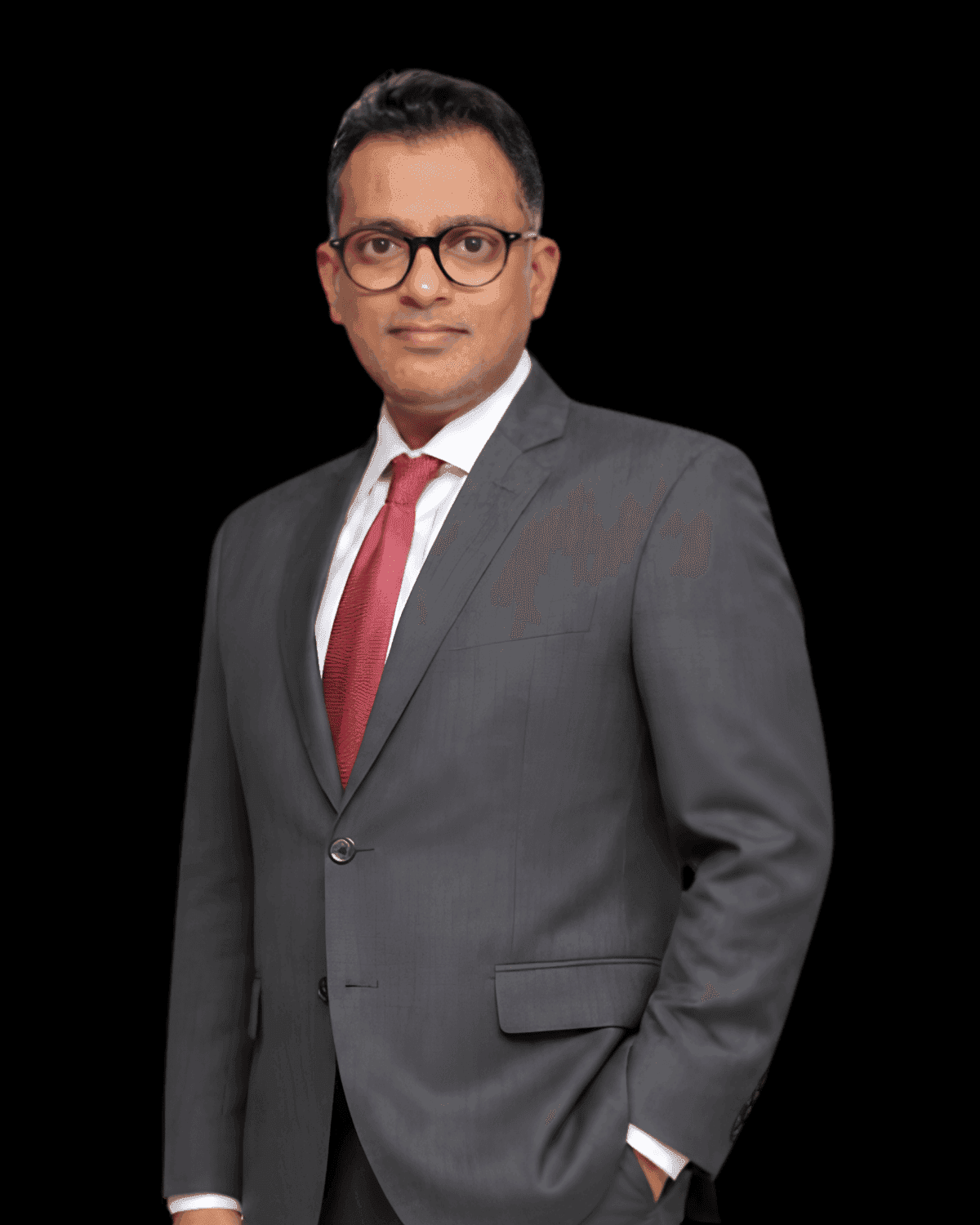
Q. In your view, what capabilities does India need to build next to move from cell assembly towards full value chain manufacturing?
A. I think India has come a long way. If I just talk about Waaree, we are setting up India's largest cell manufacturing facility. And we are not the only ones. There are a few more companies, a few more conglomerates, and groups that are investing in it.
From an ecosystem point of view, a few things need to be done. While access to capital and availability of equipment are available, the whole ecosystem approach is still missing—be it at the policy level, the academia level, the industry level.
To be very specific about it, the cell manufacturing know-how at the academia level should start along with the industry capability building. There should be more policy support coming in for preferential treatment for ‘Make in India’ products. We should also try to open up gates for the developed markets where we have good relationships, like for example, the EU, India-FTA, India-US relationship, and India-Australia access. So all these FTAs should be leveraged to help the industry put their products across globally. So, one is manpower at the grassroots level through academia, then the policymakers, and as an industry, we think too much in competitive terms and not in collaborative terms, which is an inherent nature of the Indian business landscape that needs to change. We have to come together to make it happen.
"We are setting up India’s largest cell manufacturing facility"
Q. In your assessment, how is the Production-Linked Incentive (PLI) scheme shaping investment decisions across the manufacturing ecosystem ?
A. A lot of PLI schemes in other sectors have been very, very successful. You can count any number of electronic manufacturing, semiconductors, and so on. But so far in cell manufacturing for batteries, there have been some roadblocks. I think MHI is doing the course correction and coming up with a new set of incentives, and right now they are not just looking at cells but also the entire ecosystem with active anode and cathode material. So this should support the next phase of growth, and we are very optimistic about the same.
Q. What are the most important lessons from other countries' gigafactory buildouts that India should apply?
A. Very interesting question. Different countries have had different challenges. Scandinavian companies had different challenges than the US. Then, in our own country, we have had a few examples where people have learned the hard way. I would not be able to pinpoint a single one, but I think at the industry level, someone should try to consolidate all this for general consumption so that newcomers to the market are aware of it. There are varied challenges that we can learn from.
Q. How should the industry think about sequencing precursor chemical, cell, and pack manufacturing investments?
A. I think the approach the government has taken is pretty much aligned with our beliefs. Start with the integration business, which is pack and Battery Energy Storage System (BESS), and we see the same thing in the EV part as well. Then go to the cell and then go to the ecosystem. While we should not take too much time to get into the upstream the way it has taken in solar, it should be done at a much faster rate because the demand behaviour in batteries is very different from what we have seen in solar.
Q. What financing structures are proving most effective in supporting capital-intensive manufacturing scale-up?
A. I think access to finance is not a challenge. People are ready to put in money as long as things are viable and there is a way to sell the product and make the product.
Global institutions are interested in financing these projects, be it on the IP side or on the manufacturing side. So there are no very specific structures that are needed today as far as manufacturing is concerned. The prevalent structures in the semiconductor industry or equally capital-intensive industries should be replicated here with some course correction because the risk profile of the business is different.
Q. Finally, what would mission accomplished look like for India's battery manufacturing ambition by 2030, and where do you see your company playing a role?
A. By 2027-28, we are very clearly going to be a 20 GW cell and pack manufacturing company. Along with that, in 2027-28, we will also have active anode, cathode, and other raw material investments happening or already completed. We are looking at it as a very ecosystem kind of play. Overall vision is to get to 100 GW, but the first 20 is pretty crystal clear in terms of timeline and approach.
As an industry, I think it is a decadal journey. We have reached where we were to reach earlier than expected in terms of demand, and I think similar things will happen going forward.
By 2030, we would be a very independent industry, probably 100 percent away from Chinese dependence in terms of raw material, technology, equipment, and demand.