Rituraj Mehta, Group Head – Safety, Adani Enterprises Ltd, discusses with ENERGDIVE leadership-led safety culture, AI-driven risk management and resilient frameworks for ESG performance and operational reliability.
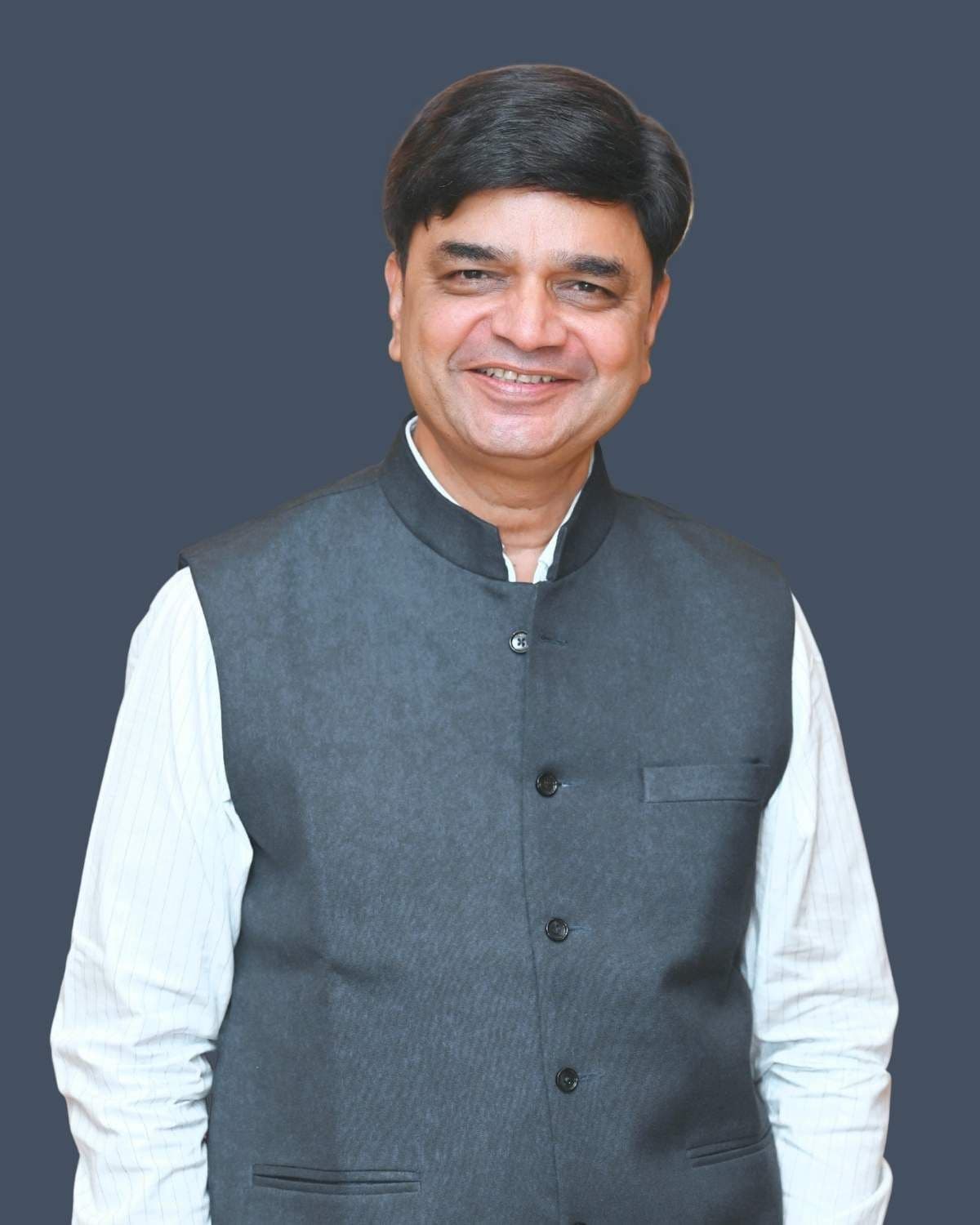
I always say that it has to start from the top. If the top leadership can demonstrate themselves as a role model for safe behaviour, the message automatically goes down to different levels in the organisation. Firstly, whenever you want to have a strategic approach towards changing the safety culture in any organisation, it is required to start from the top. Secondly, make it a part of board review meetings as a priority. Thirdly, building the capabilities of the people and making them believe that they are ensuring safety because it is the right thing to do.
The most important thing is to create safety as a subject – a common thread for the entire organisation. When we talk about safety, it should not be treated just as a subject but as a matter of compliance. It should be treated as a value, and when I say value, it should start from a safety culture and creating a belief in every person that he is ensuring safety because it is the right thing to do.
This is a very relevant question you asked because this week we started working on this particular thing. We have had a two-day technological event, wherein we invited all technology suppliers in safety subject from across the globe. We started discussing with them how we can really leverage AI technology to ensure that we are able to predict certain things across locations, potential hazards at some point of time, at some location and in some particular equipment. When we talk about AI-driven technology, we are also looking towards how we can keep human intervention distant from any equipment and process, which can potentially involve hazards and harm people. This kind of technology would be helping us. For example, there are certain things which we are trying to create as manless substations, manless mining and other manless processes in our organisation.
I guess the safety risks are the same whether it is hydrocarbon, energy, cement, or any sector. You will find that working at height, electrical hazards and process-related hazards would remain the same. What changes is our approach towards looking at these potential hazards and seeing how we can cope with them in a changing world.
This happens when you have a culture of blaming people for something that happens. People have a fear that if they report something, they will be blamed for it. Organisations need to shift from that culture to a culture where people are encouraged to report unsafe acts and near miss cases more and more and are rewarded as well for that. This will probably create an enabling and world-class culture of safety in the organisation.