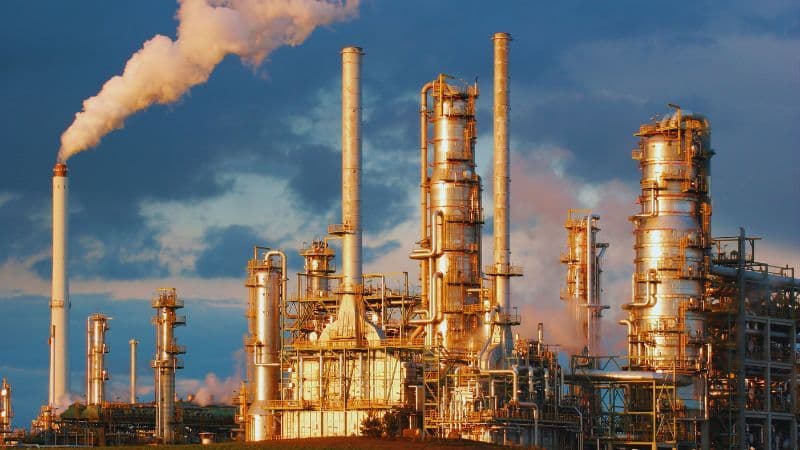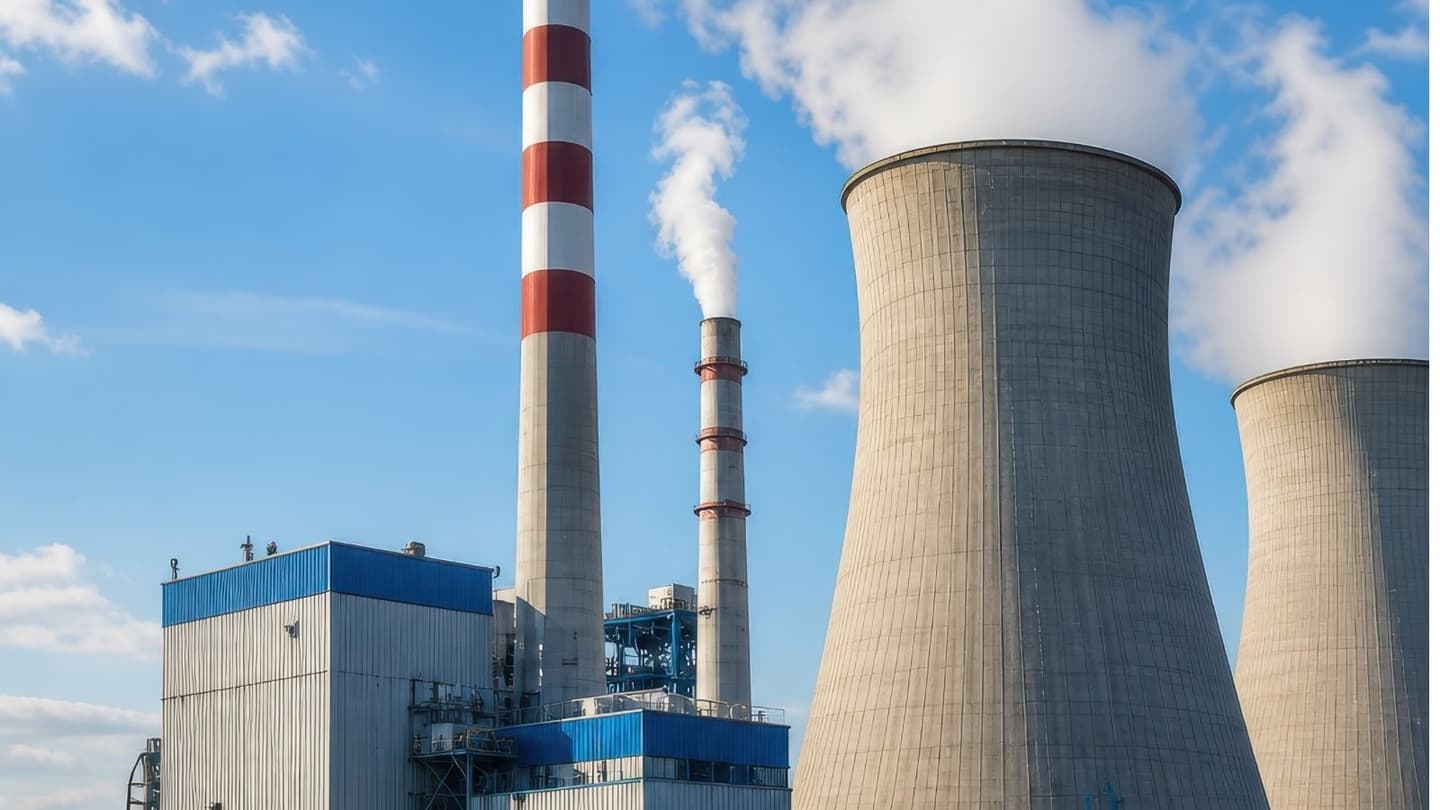
Data from the Petroleum Planning & Analysis Cell (PPAC), the Central Electricity Authority, and the Ministry of New and Renewable Energy show that the country’s energy system is backed by refining muscle, robust export of petroleum products and continued dependence on imported crude oil and Liquefied Natural Gas (LNG) to meet domestic demand. On the power and utilities front, India has generated 179.12 BU of electricity in June 2026. This has been achieved with the domination of thermal power generation even as renewable energy continues to increase its share in India’s energy mix. Strong solar capacity additions, hydro and nuclear power’s stable contributions and near-fulfilment of peak demand highlights the power sector is able to strike a balance between a rise in power consumption with an accelerated transition to clean energy.
Oil and Gas
The June 2026 data depicts that the country continues to be heavily reliant on imported oil and gas, as domestic production is able to cater to a fraction of demand. It shows that India has experienced strong refining, which enabled the country to export a considerable quantum of petroleum in spite of importing crude oil. In the natural gas space, domestic production continues to be outpaced by demand. This makes Liquefied Natural Gas (LNG) imports a crucial component of the country’s energy basket. Moreover, the increased crude oil prices are expected to exert pressure on India’s import bill, besides influencing fuel pricing and triggering inflation.
*Provisional Data Source: Petroleum Planning & Analysis Cell (PPAC)
Power and Utilities
Data from June this year reveals that India’s source of electricity continues to be dominated by thermal power, which has over two-thirds of total generation, ensuring grid stability. Continuing to strengthen its role, renewable energy contributes more than one-fifth of electricity generation, with strong solar power capacity addition. The country's power infrastructure has been able to manage a near-record peak demand, as it could largely meet demand with minimal supply shortfall.
When it comes to renewable energy expansion, solar energy is driving it; wind capacity additions are far behind solar. Playing complementary roles in diversifying the generation mix and supporting system reliability are large hydropower, nuclear power, and imports from the neighbouring nation Bhutan.
The latest dashboard highlights an energy sector balancing two parallel priorities: ensuring energy security while accelerating the transition to cleaner sources. In oil and gas, strong refining capabilities continue to underpin India's position as a leading exporter of petroleum products despite heavy reliance on imported crude and LNG. In the power sector, thermal generation remains indispensable for meeting rising electricity demand, even as renewable energy, led by solar, steadily expands its contribution. Sustaining this trajectory will require continued investment in domestic energy production, grid modernisation, storage, transmission infrastructure and low-carbon technologies to support India's long-term energy and climate ambitions.