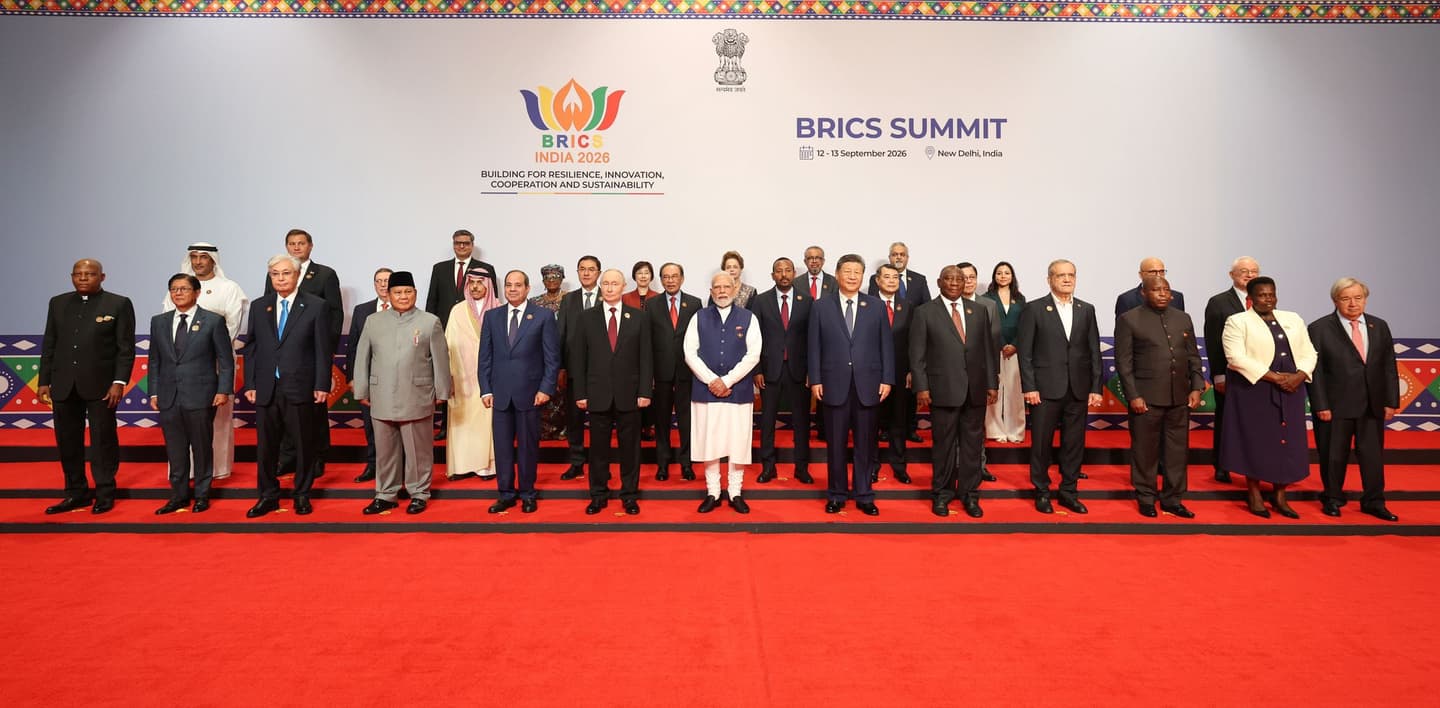
The BRICS New Delhi Declaration has stated the world’s growing energy needs, speedy industrialisation and the role of fossil fuels are interdependent and it is very unlikely to be able to completely eliminate fossil fuel.
“We acknowledge fossil fuels will still play an important role in the world’s energy mix, particularly for emerging markets and developing economies, and we recognize the need to promote just, orderly, equitable and inclusive energy transitions and reduce greenhouse gas emissions in line with our climate goals and observing social development goal 7, and the principles of technological neutrality and common but differentiated responsibilities and respective capabilities taking into account national circumstances, needs and priorities,” said the declaration.
BRICS prioritises energy security within the transition. As seen in the previous declarations, the role of fossil fuels in energy systems is valuable and we should not undermine the importance of it.
“However, BRICS’ rapidly growing adoption of clean technologies like solar energy and electric vehicles positions the bloc well to aim higher and aspire for a faster transition rather than lock in vast amounts of fossil fuel infrastructure. BRICS nations are already generating more than half of the world’s solar power. Doubling down on scaling up renewable energy and economy-wide decarbonisation is the need of the hour -- not only to cut emissions, but also to shield from volatility and supply disruptions like those precipitated by the Hormuz crisis,” Goswami added.
The bloc also emphasized on implementing national disaster risk reduction systems to minimize disaster-related damage.
The Declaration also underscored that strengthening the infrastructure systems and accommodating them to possible natural disasters is necessary.