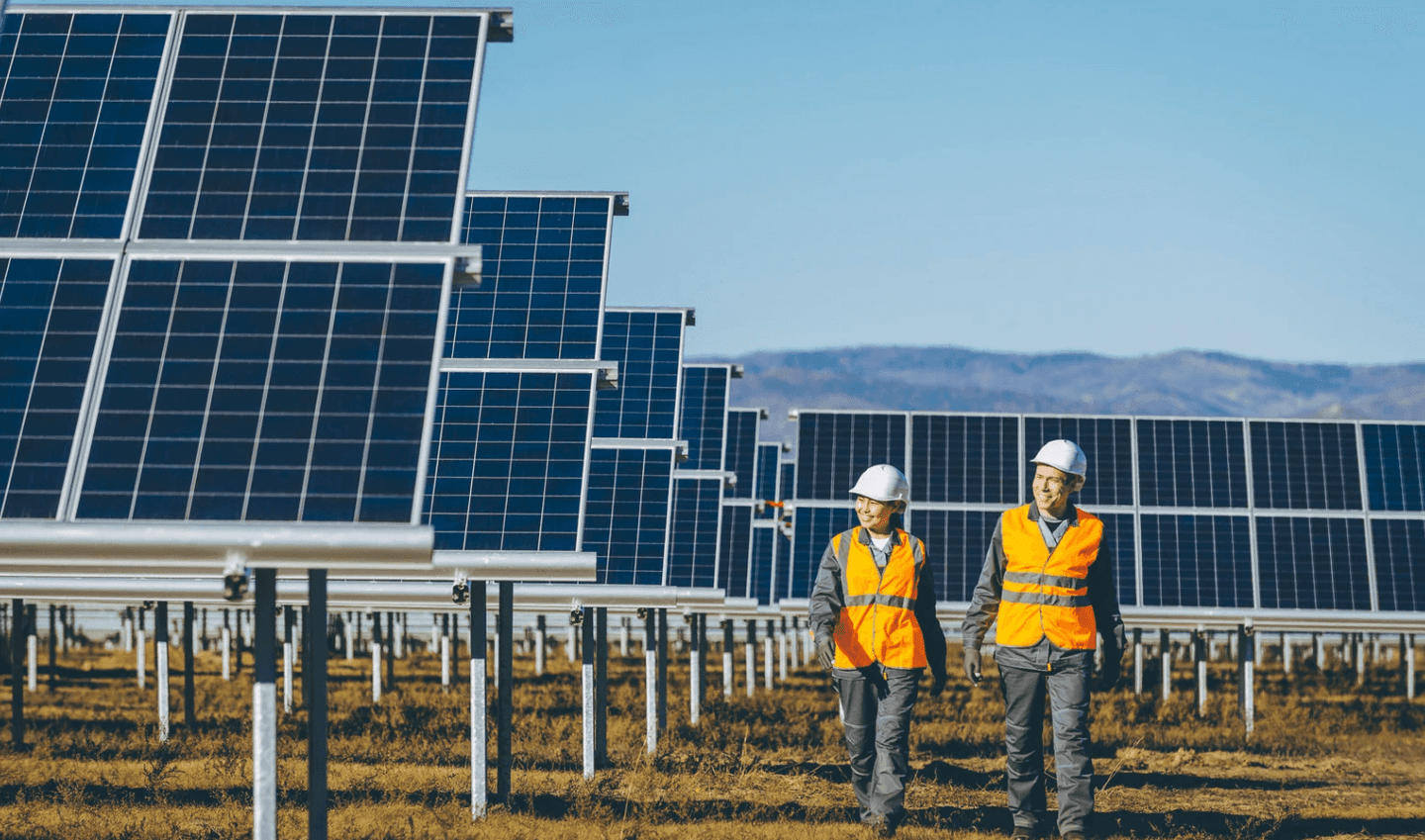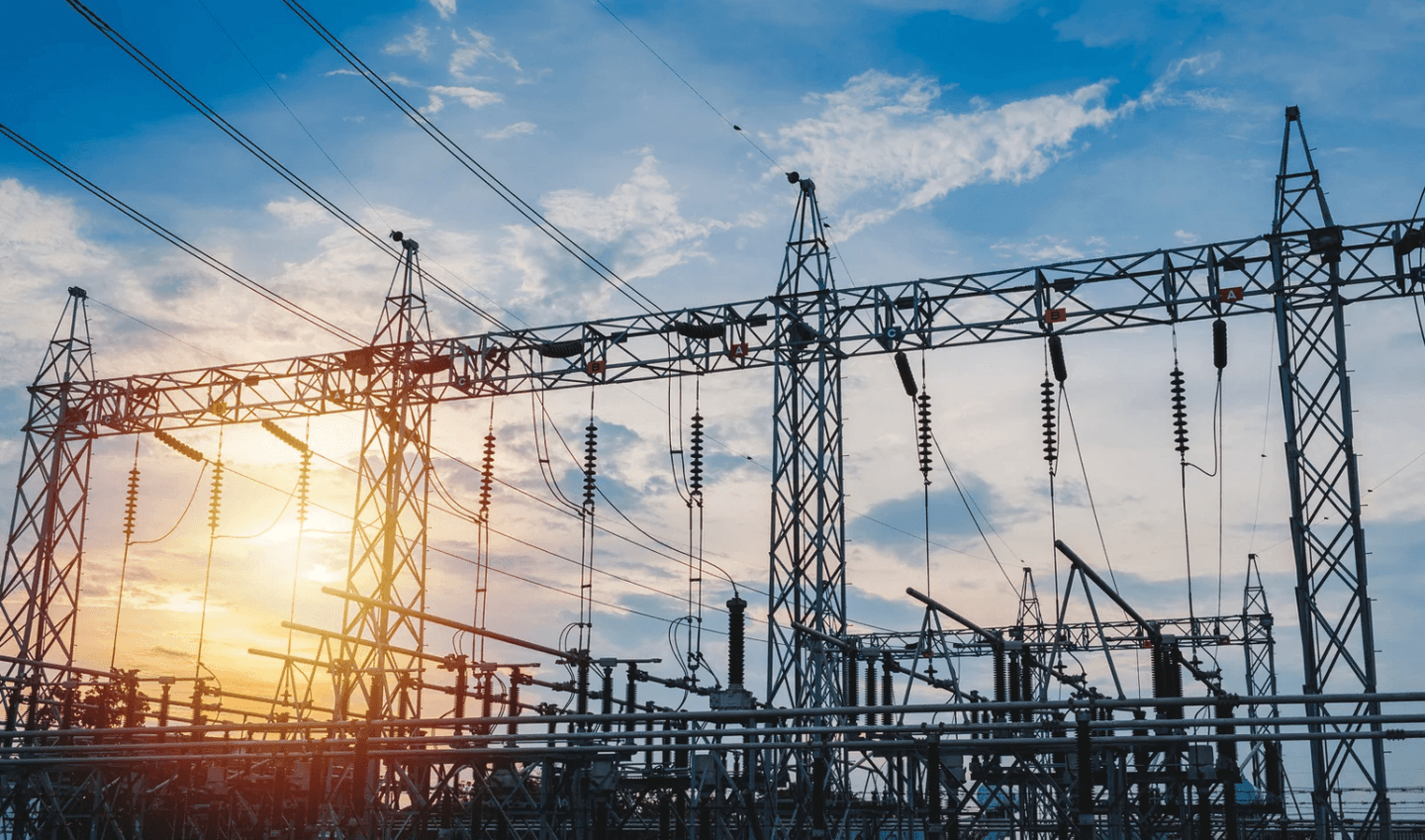

India is stepping up its grid-scale energy storage ambitions with a ₹14,500 crore Viability Gap Funding (VGF) scheme for FY2026–27 to FY2030–31, targeting the deployment of 92 GWh of storage capacity. The initiative is expected to mobilise nearly ₹97,600 crore in investments, with 60 GWh earmarked for pumped hydro storage, 30 GWh for Battery Energy Storage Systems (BESS) and the remaining 2 GWh for emerging storage technologies. The programme seeks to address the growing need for grid flexibility as renewable energy penetration increases and solar generation creates sharper variations in electricity supply. By supporting storage projects through tariff-based competitive bidding, the scheme aims to improve project viability and encourage participation from both public and private developers. A key feature is the mandatory 40 per cent Domestic Content Requirement (DCR) for BESS projects, signalling a stronger push towards indigenous battery manufacturing and domestic supply-chain development.
The dual focus on deployment of storage and local manufacture is intended to increase India's ability to absorb surplus renewable energy, manage peak demand, reduce reliance on thermal power for flexibility and make available inexpensive and round-the-clock clean electricity.