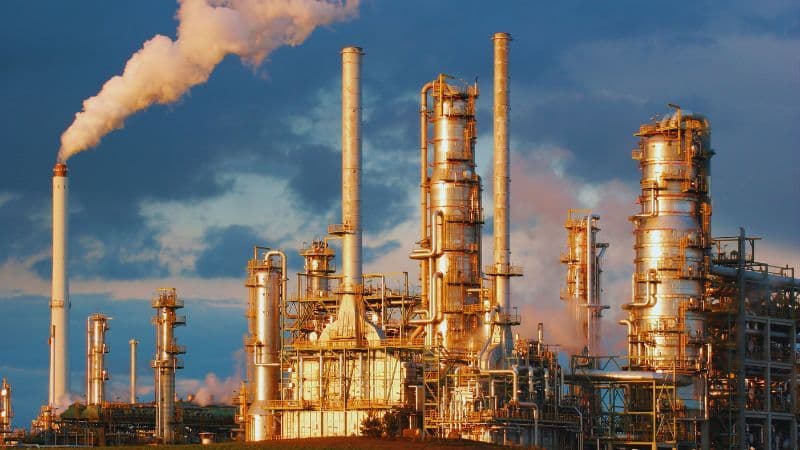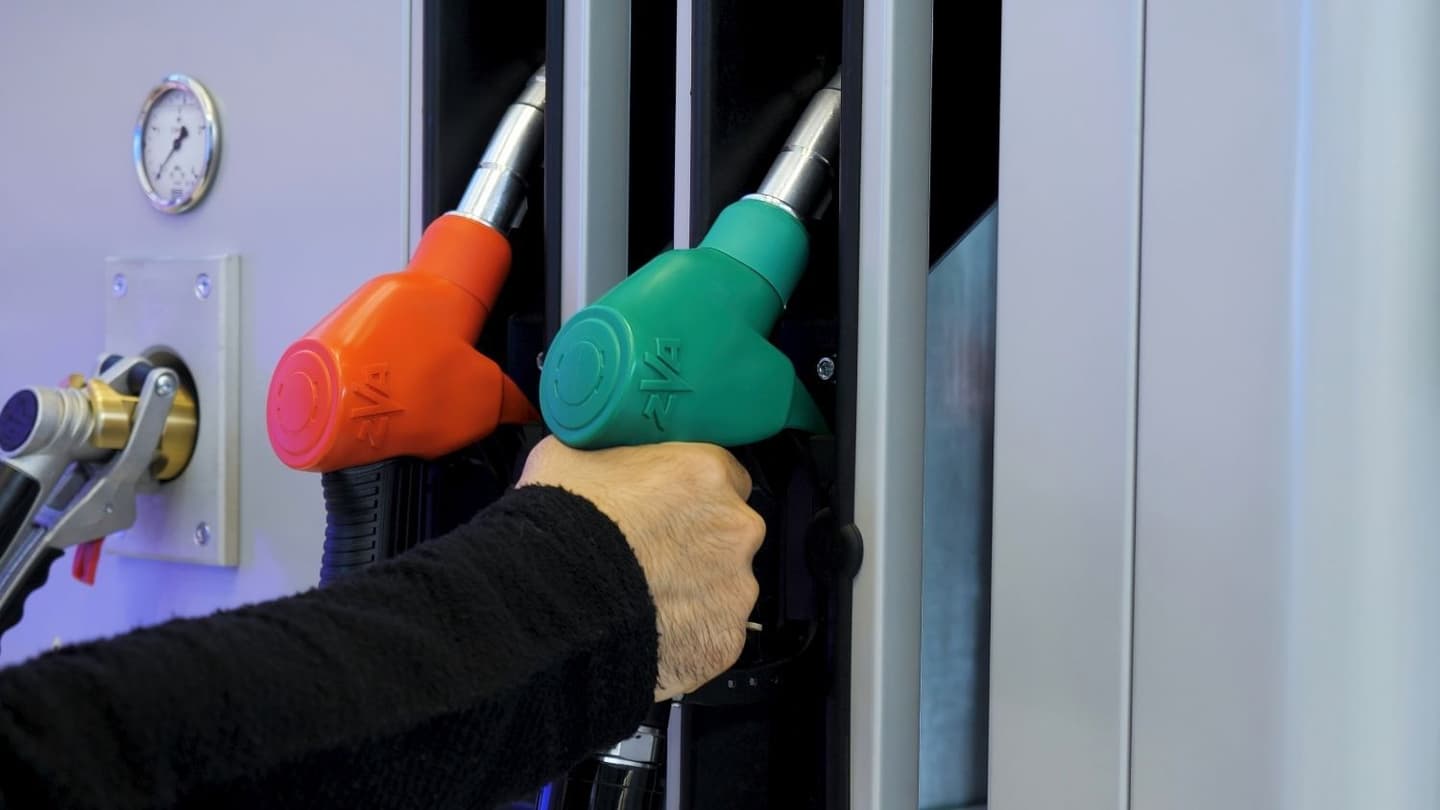
The centre defended Ethanol Blended Petrol (EBP) programme, stating that it has strengthened India’s energy security, decreased reliance on foreign crude oil and increased farmers’ incomes, ensuring full protection of food security.
The government also denied allegations that foodgrains meant for the underprivileged were diverted for ethanol production or that discounted rice was furnished to distilleries funded by public taxpayers.
The centre in a statement asserted that foodgrain procurement primarily fulfills needs of the Public Distribution System (PDS), the National Food Security Act (NFSA), welfare schemes and mandatory buffer stock norms and only the excess stocks, certified by the Department of Food and Public Distribution amid the fulfillment of all food security obligations, are approved for ethanol production.
Moreover, the government specified that ethanol production mainly uses damaged grains, broken rice and foodgrains unfit for human consumption that would go into waste otherwise adding that the Pradhan Mantri JI-VAN Yojana is supporting the second-generation (2G) ethanol production through agricultural residues, reducing dependence on foodgrain-based feedstocks.
Furthermore, the government in a statement specified the programme’s achievements stating that India saved above ₹1.97 lakh crore of foreign exchange and substituted over 316 lakh metric tonnes of crude oil imports.
The programme also led to reduction of nearly 950 lakh metric tonnes of carbon dioxide emissions. Additionally payments of more than ₹1.66 lakh crore were made to farmers and distillers.
The government emphasised that ethanol blending targets to reduce reliance on foreign crude oil, which currently stands at approximately 88 percent of the country’s oil requirement describing the programmes as an vital aspect of India’s long-term energy security strategy, protection of consumers from international oil price fluctuations while encouraging cleaner energy and strengthening the agricultural industry.