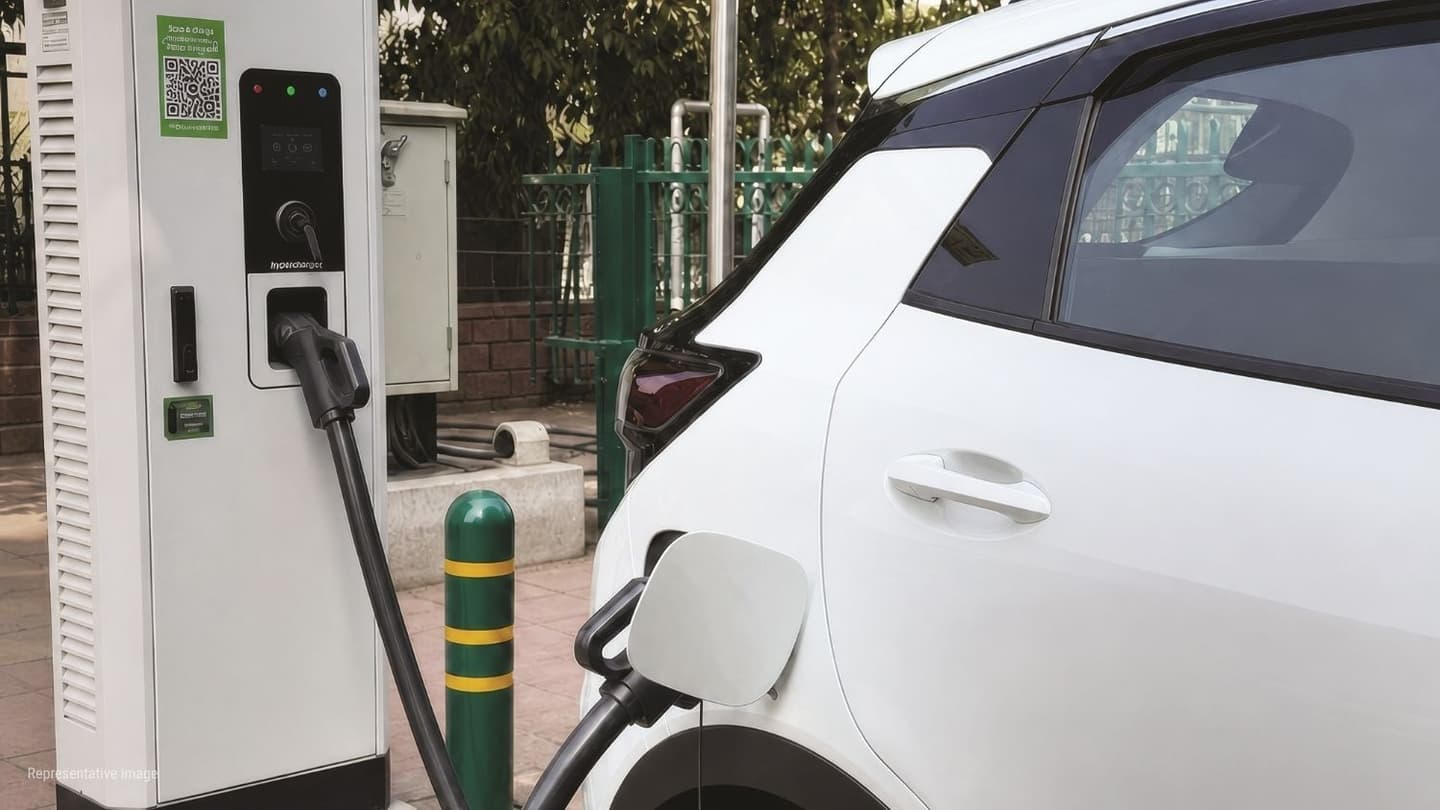
The Delhi government has officially notified ‘Delhi Electric Vehicles Policy 2026’, a four-year plan to push EV adoption, clean up the capital's air, and build out the ecosystem needed to support electric mobility.
At its core, the policy combines carrots and a slow-moving stick: financial incentives, tax breaks, and a wider charging network to make EVs more attractive, paired with a gradual phase-out of new registrations for select petrol and CNG vehicle categories. The timeline is deliberately staggered, giving buyers and manufacturers time to adjust rather than forcing an abrupt switch.
The push comes against the backdrop of Delhi's chronic air quality crisis, where vehicle emissions rank among the top contributors year-round, alongside dust, industrial pollution, and seasonal weather. The government's bet is that swapping combustion engines for electric ones will cut tailpipe emissions, reduce fuel demand, and lower fossil fuel dependence. Crucially, officials are counting on affordability and convenience — not just restrictions on new petrol and CNG vehicles — to actually get people to make the switch.