India has already reached its target of 50 percent installed electricity capacity from non-fossil fuel sources, five years ahead of the 2030 deadline, Union Minister of State for New and Renewable Energy and Power, Shripad Yesso Naik stated on Wednesday. He added that by the end of June 2026, non-fossil sources accounted for 297.36 GW of total capacity, including 288.58 GW from renewable energy.
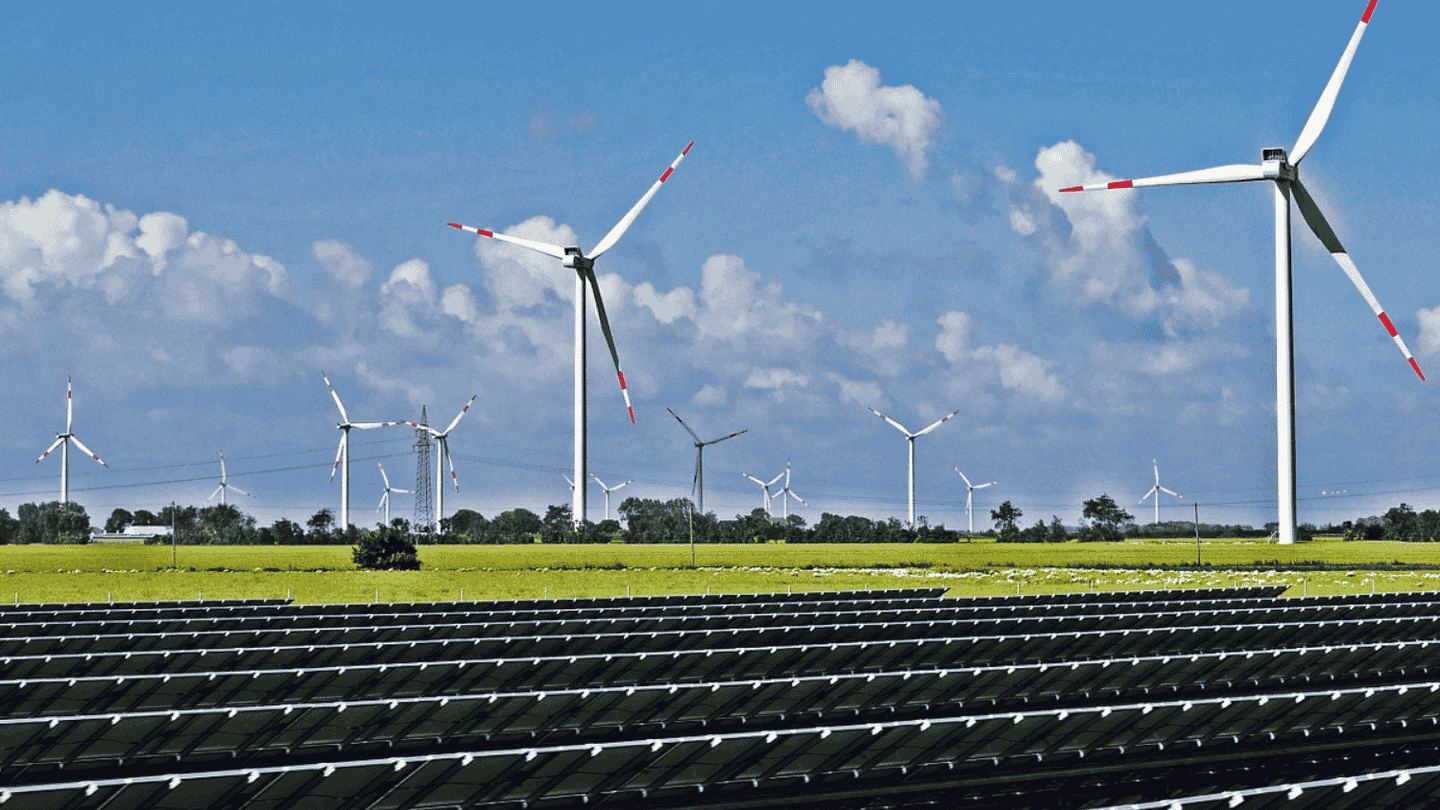
In response to a question by Cuddalore Member of Parliament M Vishnu Prasad in the Lok Sabha, Naik highlighted that solar power holds the largest share at 162.15 GW. Wind energy contributed 57.44 GW, followed by large hydro (52.06 GW), bio-power (11.75 GW), and small hydro (5.18 GW).
He stated, “India is also well on track to achieve its target of 500 GW installed electricity capacity from non-fossil fuel-based sources by 2030. Renewable energy addition has accelerated significantly over the last five years, rising from 14,595.29 MW in 2021-22 to 54,591.75 MW in 2025-26,”
Naik also mentioned that the key challenges in the expansion of renewable energy are land acquisition, transmission infrastructure, and grid integration and to tackle these obstacles, the centre has been working with the states and union territories under the Green Energy Corridor Scheme for allocate appropriate land, enhance evacuation networks allocate appropriate land, enhance evacuation networks.
Furthermore, he added that to overcome Right of Way (RoW) obstacles, the ministry of power released Guidelines for payment of compensation in regard to Right of Way (RoW) for transmission lines. States and UTs have been urged to implement these guidelines entirely or in an adapted format.