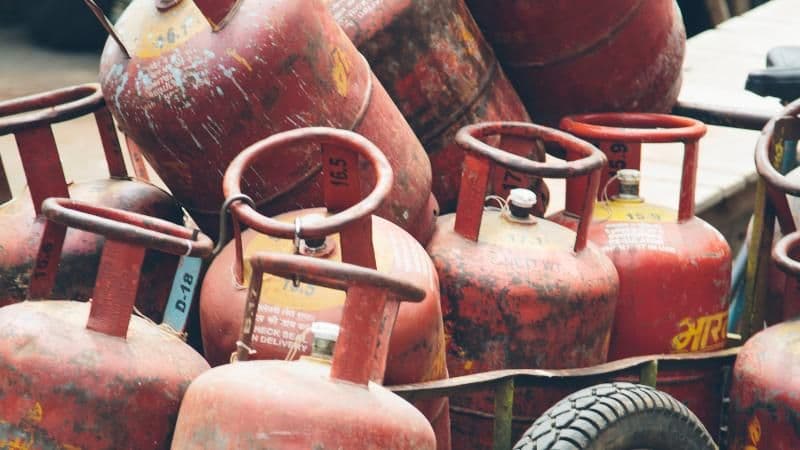
The government has said significant improvements in transparency and efficiency in the delivery of Liquefied Petroleum Gas (LPG) subsidies under the PAHAL scheme, formally known as the Direct Benefit Transfer of LPG. In a written reply to the Rajya Sabha, Minister of State for Petroleum and Natural Gas Suresh Gopi said PAHAL, implemented nationwide since January 2015, continues to ensure that domestic LPG cylinders are sold at a uniform retail price, with the applicable subsidy deposited directly into consumers’ bank accounts.
The Ministry said that Aadhaar-based verification, biometric authentication and systematic removal of ineligible or duplicate LPG connections have strengthened targeted subsidy delivery and reduced diversion of subsidised cylinders for commercial use. A common LPG database platform has been introduced to identify and eliminate duplicate entries using Aadhaar numbers, bank account details, ration card information and household identifiers.
Biometric Aadhaar authentication has been made mandatory for beneficiaries under both PAHAL and the Pradhan Mantri Ujjwala Yojana (PMUY). As of November 1, 2025, biometric authentication has been completed for 69 percent of existing PMUY consumers, and all new PMUY connections are issued only after biometric verification. Since the launch of PAHAL, 8.63 lakh PMUY connections have been terminated following large-scale de-duplication exercises. A Standard Operating Procedure issued in January 2025 for identifying beneficiaries who had not taken any refills after installation has resulted in an additional 20,000 inactive PMUY connections being cancelled up to November 1, 2025.
A third-party evaluation conducted by the Research and Development Initiative found that more than 90 percent of respondents were satisfied with the subsidy reimbursement mechanism. The review recommended strengthening payment systems, improving grievance redressal, refining targeting for economically weaker households and expanding safety awareness and outreach through local language communication. The Ministry said steps had been taken in line with these recommendations.
The government also informed the House that grievance redressal avenues for LPG consumers have been expanded through toll-free helplines, oil marketing company websites and mobile applications, the Centralised Public Grievance Redress and Monitoring System, chatbots, WhatsApp and social media platforms. Consumers are permitted to reopen complaints if they are not satisfied with the resolution provided.