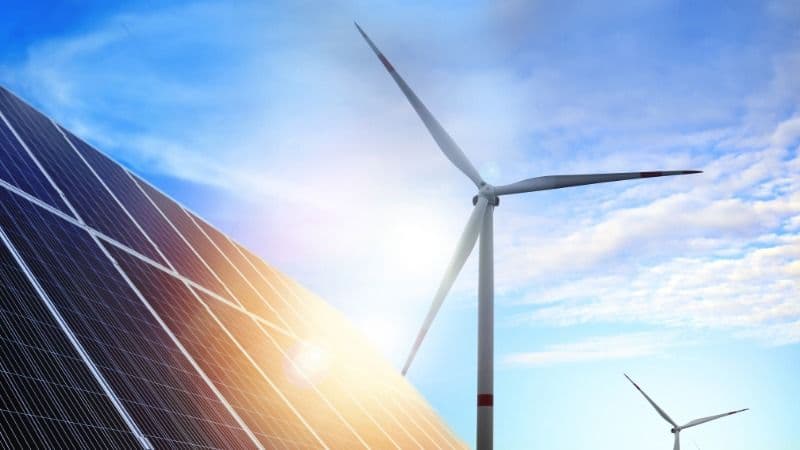
India added 31.2 GW of non-fossil fuel-based electricity capacity in the current financial year up to October 2025, taking the country’s total non-fossil installed capacity to about 259 GW, Union Minister for New and Renewable Energy Pralhad Joshi said. With this increase, India has reached 50 percent non-fossil capacity in its electricity mix, achieving the target five years ahead of its Nationally Determined Contributions commitment.
The minister said tendering activity in the renewable-energy sector continues to remain strong. Renewable Energy Implementing Agencies (REIA) — Solar Energy Corporation of India Ltd, NTPC Ltd, NHPC Ltd and SJVN Ltd — have issued 67,554 MW of Letters of Award since April 2023, with no cancellations to date. He noted that capacity addition is also progressing through state-level tenders and through commercial and industrial procurement under Green Energy Open Access and captive routes, indicating a broad-based expansion in renewable deployment beyond REIA-led bids.
Joshi added that procurement patterns have also begun to shift. Distribution companies and large consumers are increasingly opting for solar-plus-storage and other dispatchable renewable-energy configurations. Declining battery prices and the need for dependable peak-hour supply have strengthened demand for such solutions, while interest in plain solar has moderated. In response, the government has advised REIAs to prioritise tenders for solar with energy storage, peak-hour supply and firm and dispatchable renewable energy.
To support timely execution of Power Purchase Agreements (PPA), the centre has urged states to comply with their Renewable Consumption Obligation under the Energy Conservation Act. REIAs have been encouraged to aggregate demand from distribution companies and other procurers before designing tenders. Regional workshops have been held with major renewable-procuring states to address operational bottlenecks and expedite PPA signing, he added.
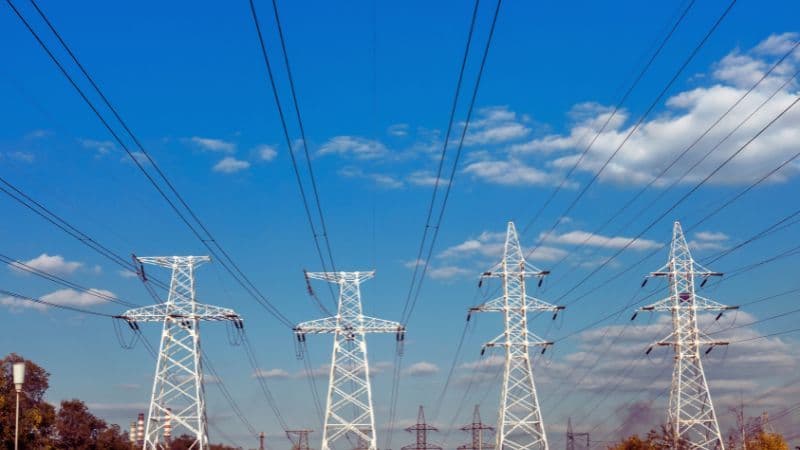
On the transmission side, the Central Electricity Authority prepares advance plans based on renewable-energy potential identified by the ministry, giving developers greater clarity on future infrastructure availability. Transmission expansion is implemented in phases to align with generation capacity growth and optimise investment. Around 47.2 GW of Battery Energy Storage System capacity has been incorporated into transmission planning up to 2032, enabling peak shifting, reducing congestion and improving utilisation of network assets.
Regulatory measures are also expected to aid integration of new renewable energy capacity. Under the Central Electricity Regulatory Commission’s connectivity and general network access (Inter-State Transmission System) Third Amendment Regulations, 2025, connectivity will be granted separately for solar and non-solar hours. According to the minister, this change will improve transmission-system efficiency and facilitate integration of additional renewable projects, including those paired with storage.