India has significantly reduced its reliance on crude oil shipments through the Strait of Hormuz as it increases sourcing from alternative routes amid disruptions to global energy supply caused by the conflict in West Asia.
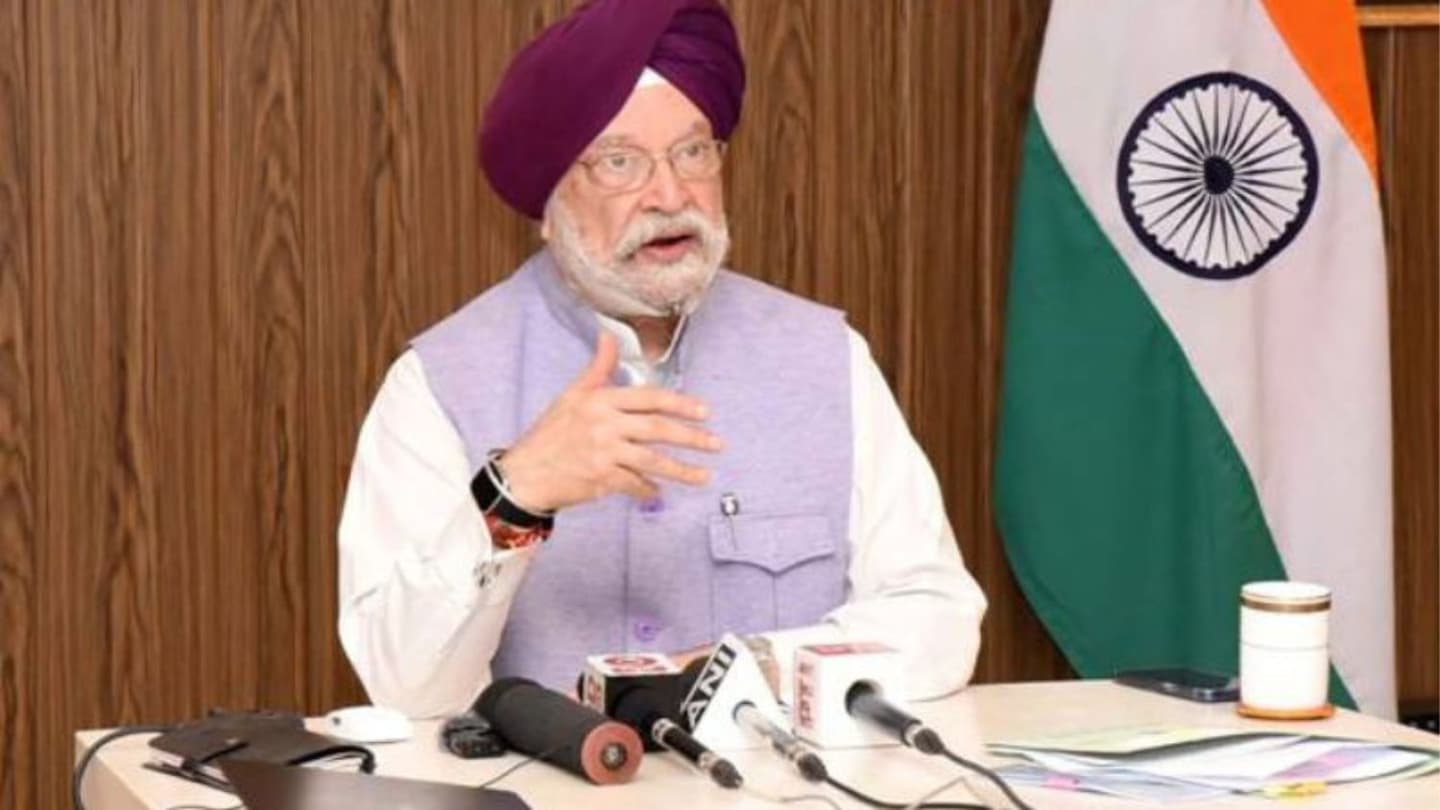
Union Petroleum and Natural Gas Minister Hardeep Singh Puri told the Lok Sabha that non-Hormuz crude sourcing has risen to around 70 percent of India’s total imports, compared with about 55 percent before the conflict began.
Before the disruption, roughly 45 percent of India’s crude imports transited the Strait of Hormuz, one of the world’s most important energy corridors that carries around 20 percent of global crude oil, natural gas and liquefied petroleum gas trade.
The Minister said India has been able to secure crude supplies that exceed volumes previously transported through the Hormuz route, helping ensure stability in domestic fuel availability.
India currently sources crude oil from around 40 countries, compared with 27 suppliers in 2006-07, reflecting a long-term strategy to diversify procurement and reduce vulnerability to geopolitical chokepoints.
Domestic refineries are operating at high capacity utilisation and, in several cases, exceeding 100% throughput, ensuring uninterrupted supply of petrol, diesel, aviation turbine fuel and other petroleum products.
The government also assured Parliament that there is no shortage of petrol, diesel, kerosene, aviation turbine fuel or fuel oil, with retail outlets across the country adequately stocked and supply chains functioning normally.
Officials said the diversification of crude sourcing and operational flexibility in refineries have helped India navigate one of the most severe disruptions to global energy supply in recent years while maintaining stability in domestic fuel markets.