India has developed an indigenous technology to produce bio-bitumen from agricultural residue, a step aimed at reducing dependence on imported petroleum-based bitumen, curbing stubble burning and lowering emissions from road construction.
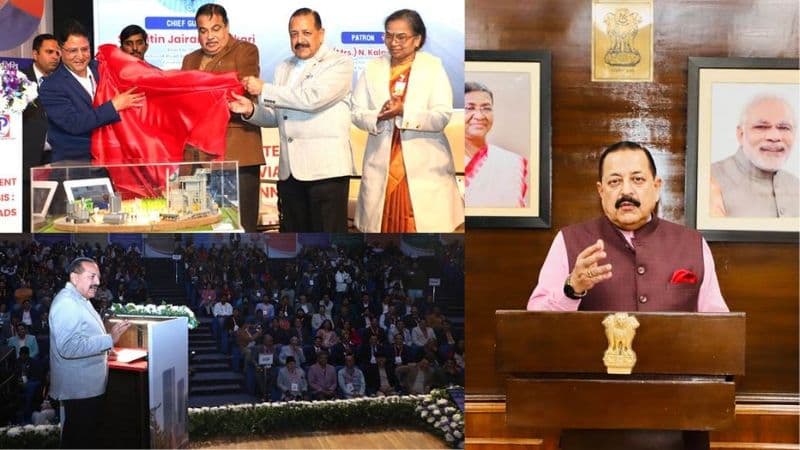
In a written reply in the Lok Sabha, Union Minister of State with Independent Charge for Science and Technology Dr Jitendra Singh said the Council of Scientific and Industrial Research (CSIR), through the Central Road Research Institute (CRRI), Delhi and the Indian Institute of Petroleum (IIP), Dehradun, has jointly developed a process that converts rice straw into bio-oil via pyrolysis, which is then chemically upgraded to produce a bio-binder suitable for bituminous roads.
The minister stated that the material can replace up to 30 percent of conventional bitumen without compromising pavement performance. At a conservative 15 percent blending level, nationwide adoption could lead to foreign exchange savings of around ₹4,000 crore annually through reduced petro-bitumen imports. The government added that actual savings would depend on blending ratios, feedstock availability and market prices.
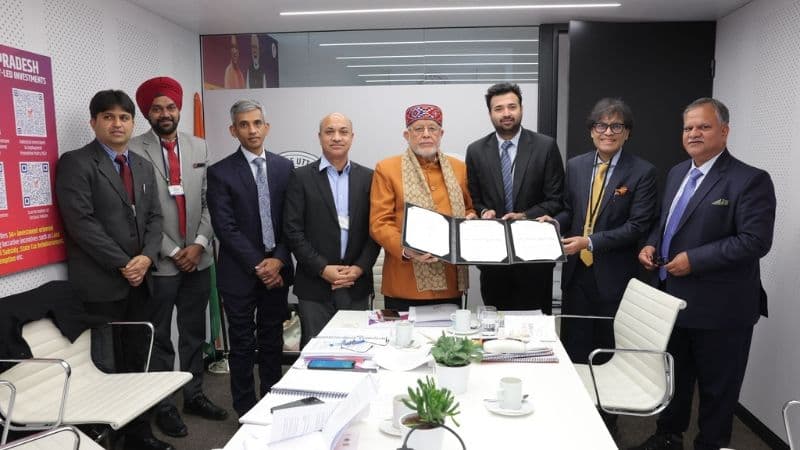
On January 7, the technology was transferred on a non-exclusive basis to 14 companies across Punjab, Haryana, Gujarat, Maharashtra, Tamil Nadu, Rajasthan, West Bengal, Arunachal Pradesh and Delhi for commercial manufacturing and scale-up. The licensing agreements include provisions on technical standards, royalties, intellectual property protection and quality compliance.
The government highlighted multiple benefits: partial substitution of petroleum bitumen would lower lifecycle carbon emissions, while use of crop residue as feedstock would help prevent open-field burning, a major source of air pollution. The initiative is also expected to create new rural value chains in biomass collection, transport and processing, providing additional income opportunities for farmers and local entrepreneurs.
To support wider adoption, CSIR-CRRI is working with the Ministry of Road Transport and Highways to evaluate long-term performance of bio-bitumen roads, while engagement with the Bureau of Indian Standards is under way to frame material specifications, test protocols and usage guidelines.