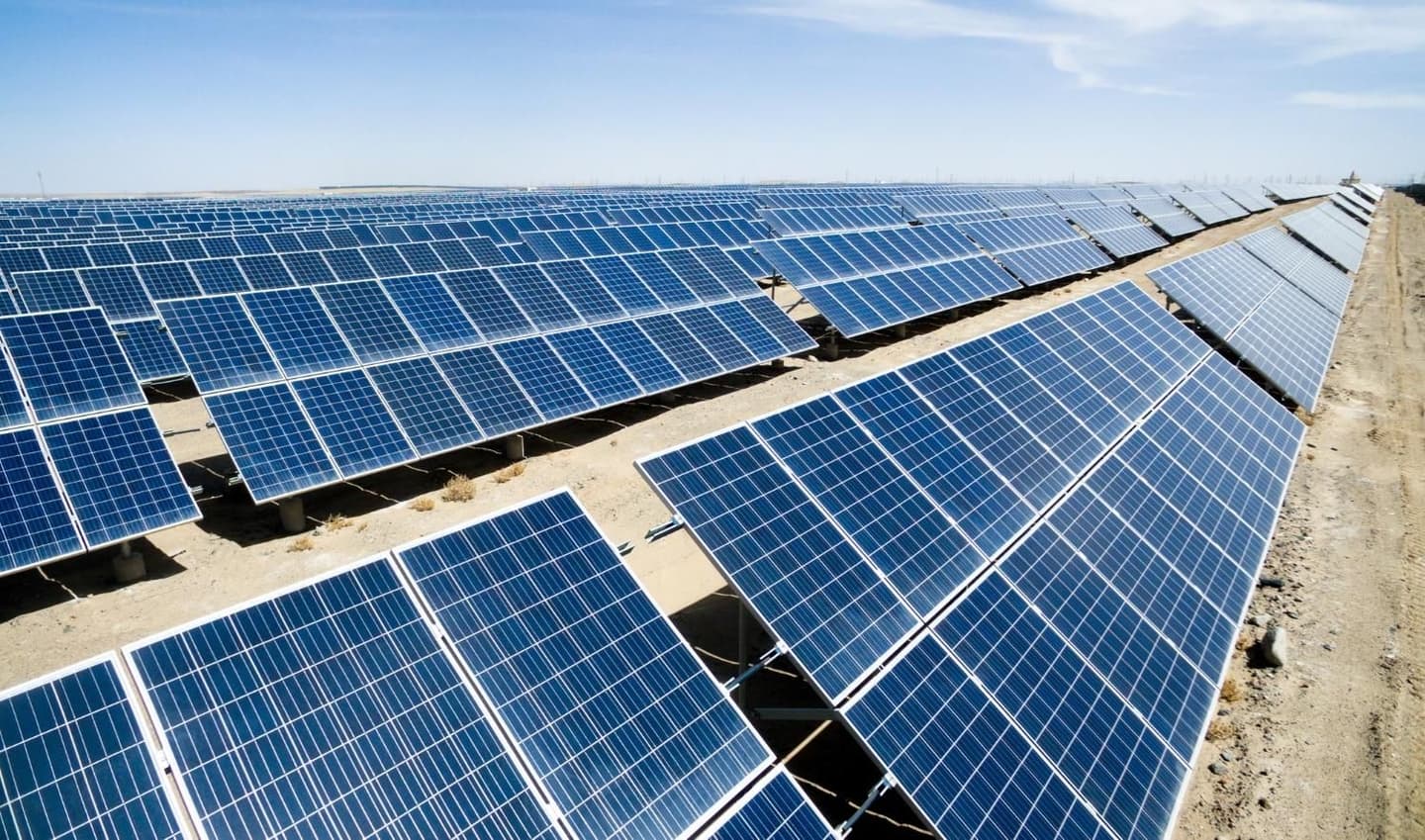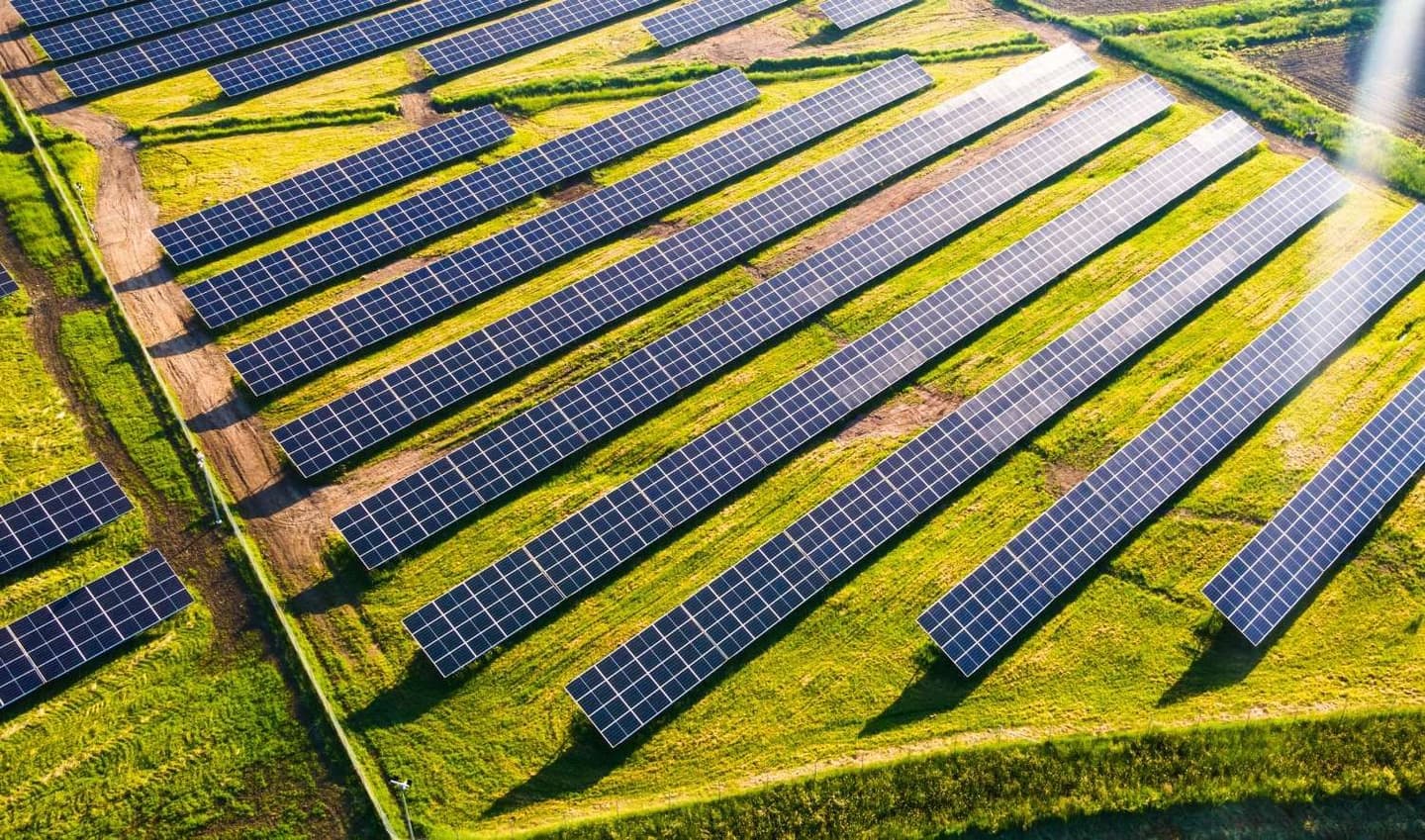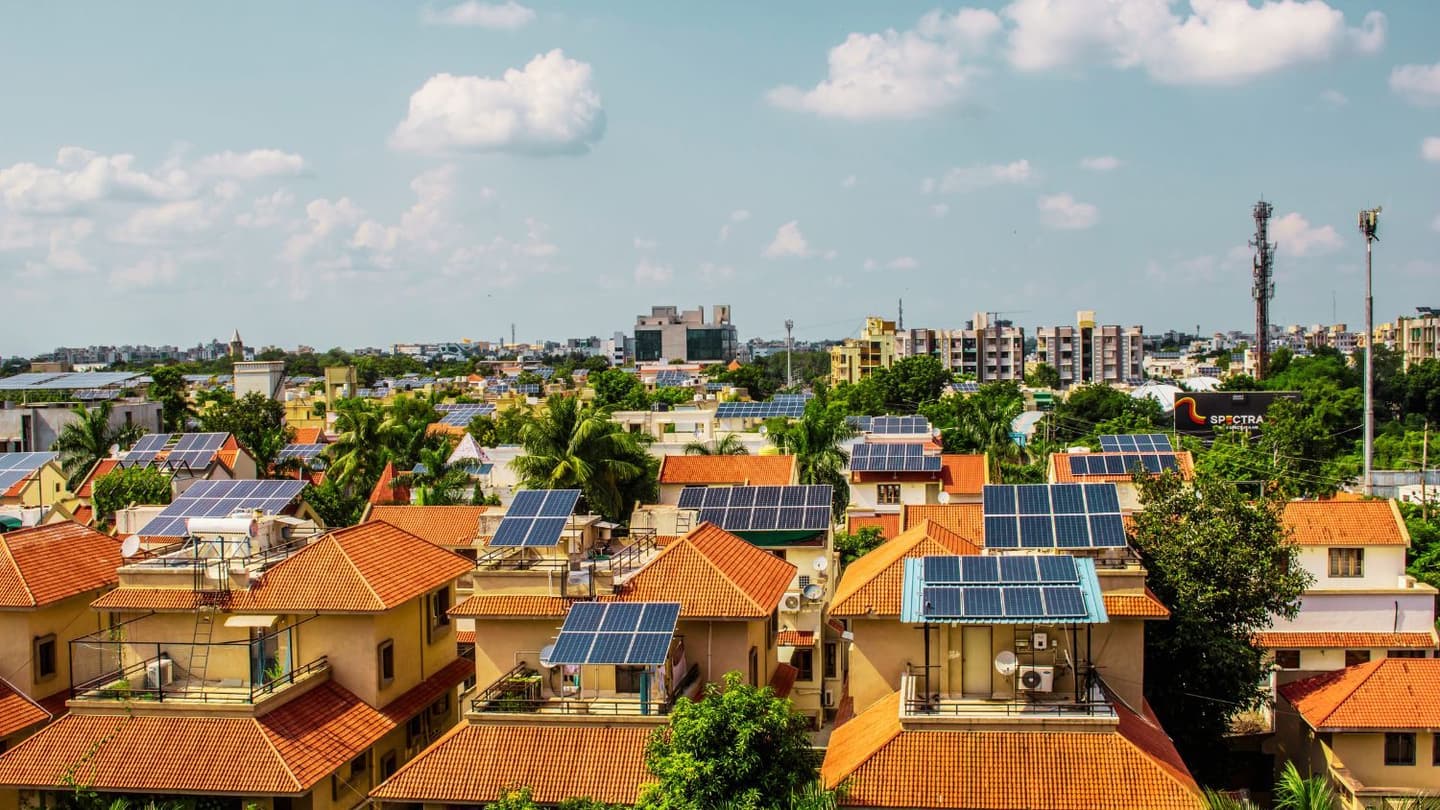
The country’s clean energy targets may generate over 44 lakhs Full-time Equivalent (FTE) jobs by 2030, as rooftop solar emerging as the largest source of employment, a latest report by the Council on Energy, Environment and Water (CEEW) and NRDC India said.
The report, ‘Energy Transition: Workforce, Skills, and Gender in India’s Renewable Energy Sector’, was developed with the Ministry of New and Renewable Energy’s (MNRE) technical guidance. It is based on a primary survey of companies conducted in 2024–25. These companies operate in solar, wind, bioenergy and hydropower sectors.
Introducing new FTE employment coefficients for estimating workforce intensity across clean energy technologies and project phases, the study includes manufacturing, deployment and operations.
India has already become the world’s third-largest renewable energy installer and achieved its target of 50 percent cumulative electric power capacity from non-fossil sources in 2025, five years ahead of schedule.
Commenting on the study, Santosh Kumar Sarangi, Secretary, MNRE underscored the centrality of workforce participation to the green transition. He observed that India’s economic growth and sustainability objectives can move forward with continued expansion in renewable energy capacity. Added Dr Arunabha Ghosh, CEO, CEEW, “Rooftop solar shows why distributed renewables matter. They generate clean power while creating more jobs per MW than utility-scale projects.”
As per the study, rooftop solar is the largest contributor to employment within the clean energy sector. Rooftop solar comprised 62 percent out 6.5 lakh clean energy jobs added between FY23 and FY26. Other initiatives such as PM-KUSUM contributed 16.3 percent, biomass power 12.6 percent and ground-mounted solar at 6 percent.