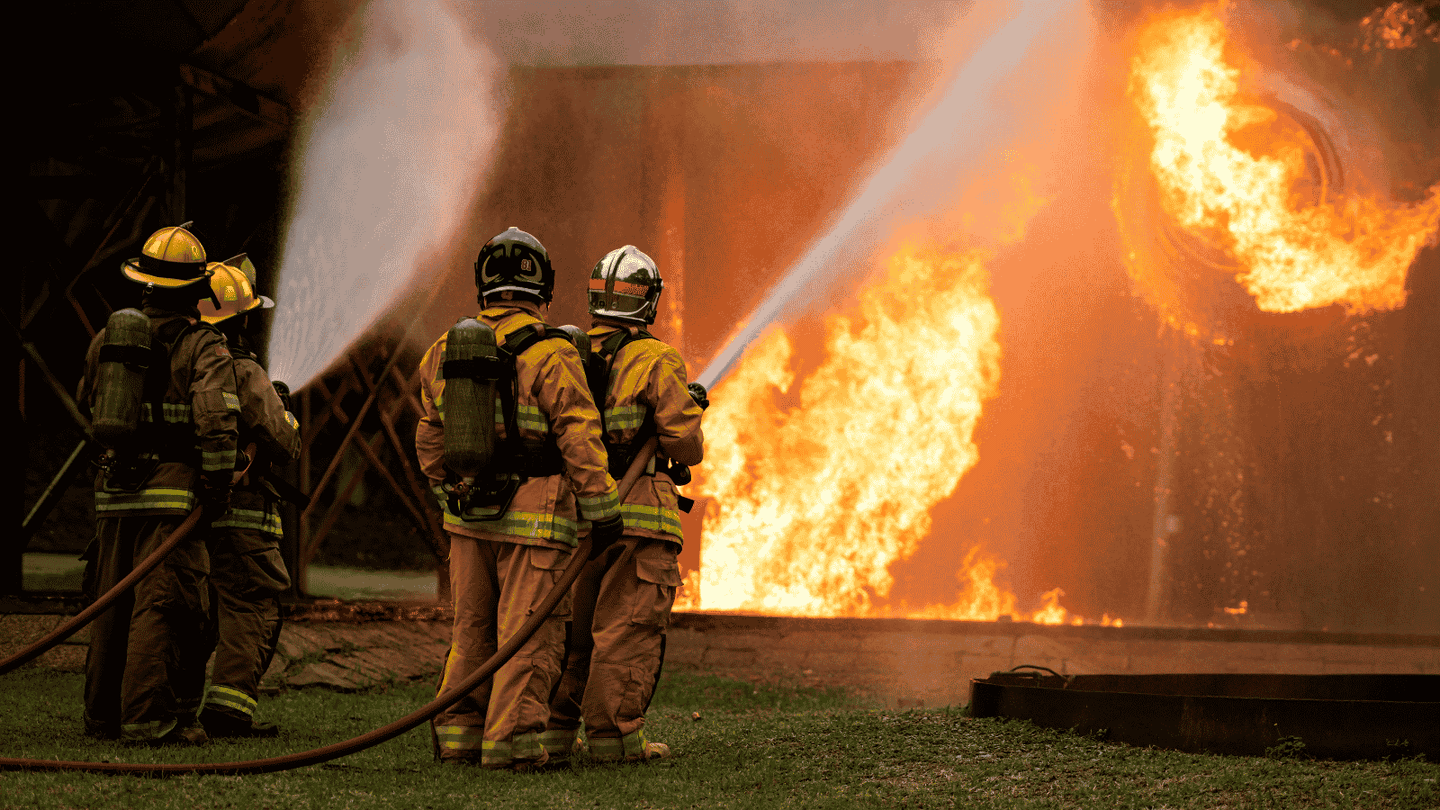
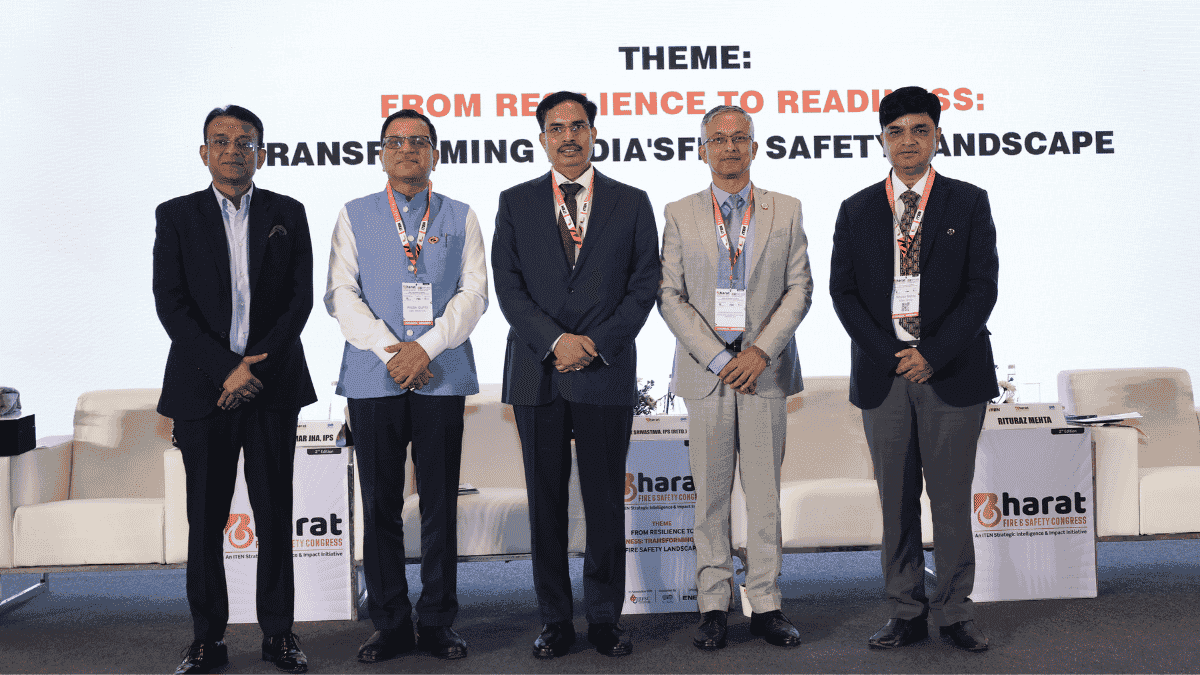
With a theme ‘From Resilience to Readiness: Transforming India’s Fire Safety Landscape’, the second edition of Bharat Fire & Safety Congress (BFSC) was held on May 14-15 in New Delhi. Organised by ITEN Media Pvt Ltd in association with the Bharat Fire Safety Council and supported by the Energy & Climate Initiatives Society (ENCIS), it brought together policymakers, state fire chiefs, industry leaders, and global experts to exchange knowledge, shape policy, and forge collaborations to strengthen India’s fire safety ecosystem.
BFSC has evolved into a multi-dimensional forum that blends policy dialogue with practical learning and real-world innovation. This year, it featured an international conference, an innovation track and technical sessions, advancing professionalism, partnership and preparedness in India’s fire safety journey.
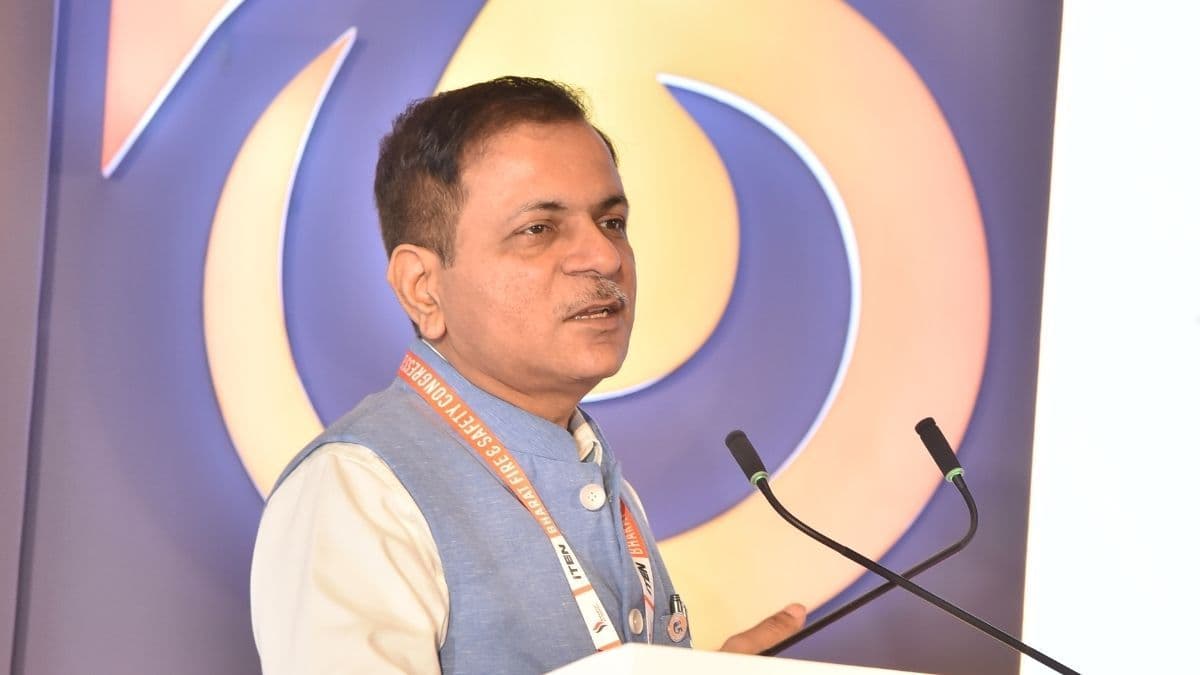
Fire safety can no longer remain a narrow compliance subject, but is a matter of governance, business continuity, public trust and national resilience

Abhishek Bhatnagar
Director General, ENCIS
Fire Safety is Matter of Governance
Abhishek Bhatnagar, Director General, ENCIS, said, “For many years, we have spoken about resilience, the ability to recover from an incident, but a growing India needs much more than recovery. developed India must be prepared for such incidents. It must be ready in design, systems, enforcement, response and mindset.”
Bhatnagar added that India is building at a remarkable pace by expanding its cities, industries, transport networks, hospitals, schools, energy systems, data centres, and public infrastructure, which is the story of a confident nation. However, safety must grow at the same pace as the development. If infrastructure is a symbol of progress, safety is the foundation that protects that progress. He further added that fire safety can no longer remain a narrow compliance subject, but is a matter of governance, business continuity, public trust and national resilience. “The gap in India is not only in the laws or the rules, but it is often in implementation. We do not need safety on paper, but safety that works on site during operations and in the moment of an emergency.” The DG ENCIS remarked that fire safety is not the responsibility of one department, but a shared responsibility. “It belongs to the regulator, designer, builder, plant head, facility manager, safety officer, technology provider, insurer, boardroom, and the citizen.”
Ayush Gupta
Director, HR, GAIL (India) Ltd
Explore AI for a Heightened Safety System
Ayush Gupta, Director, HR, GAIL (India) Ltd, “India as a nation or we as a business organisations can fairly say that we are fairly resilient…we have been able to quickly tackle fire or emergency situation and recover fast, be it a biggest of disasters or smallest of fires that we have to fight,” adding “there are occasions where we have not been able to perform but largely we are geared up to handle those situations with all the infrastructure support being provided by the government or the policy support being provided by the government or in terms of our firefighting capability that we have built over the years.”
Gupta remarked that the future belongs to those who are ready before the fire starts. “We must control every major fire incident that happens, whether in an industrial complex or urban highrise building or energy or chemical infrastructure.” He also observed that stakeholders should explore the possibilities of Artificial Intelligence (AI) towards a heightened safety system.
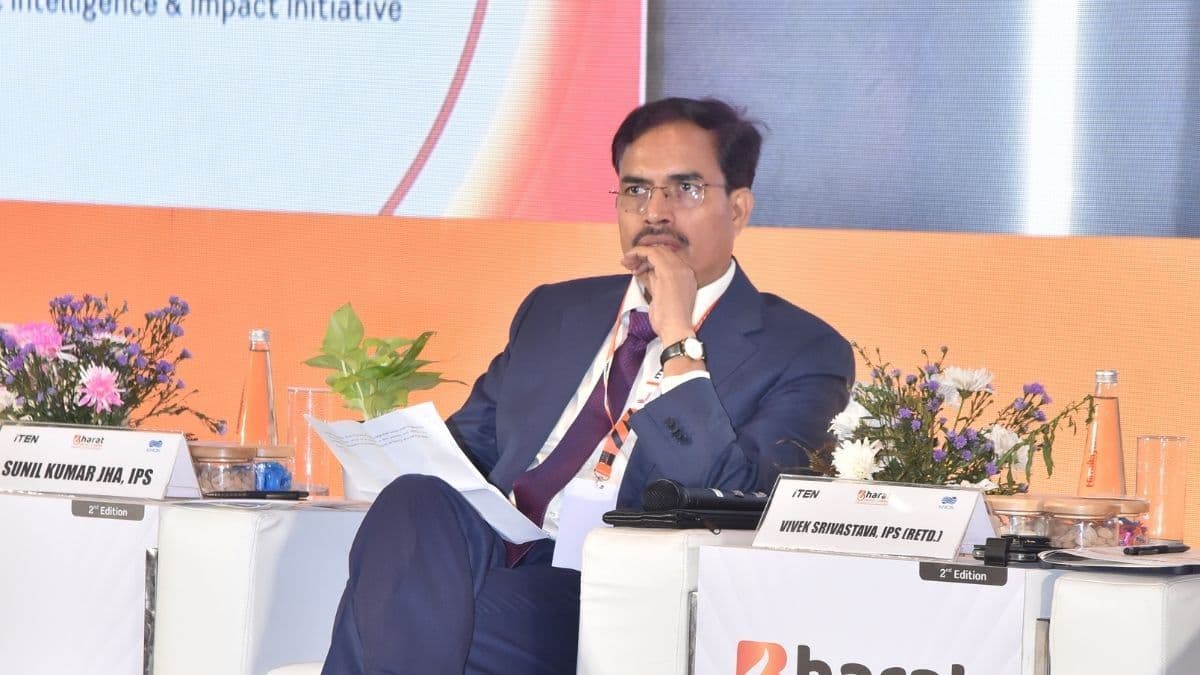
Sunil Kumar Jha
Director General, Directorate General Fire Services, Civil Defence & Home Guards,
the Ministry of Home Affairs
Need for National Level Coordination
Sunil Kumar Jha, Director General, Directorate General Fire Services, Civil Defence & Home Guards, the Ministry of Home Affairs, said that it is important to recognise that fire services in India is a state subject, and the responsibility of fire prevention, protection and responsibility primarily rests with the urban local bodies and states. In view of the increasing complexity of fire risks arising from rapid urbanisation, industrialisation and emerging technologies, there is a compelling need for national level coordination, standardisation and capacity enhancement.
“I would like to inform this gathering that, as per a rough estimate, around 5 lakh fire incidents take place in India, out of which almost 5 to 10 percent are major fire incidents in which lives are lost, or huge destruction of property takes place.”
As per a rough estimate, around 5 lakh fire incidents take place in India, out of which almost 5 to 10% are major fire incidents in which lives are lost, or huge destruction of property takes place
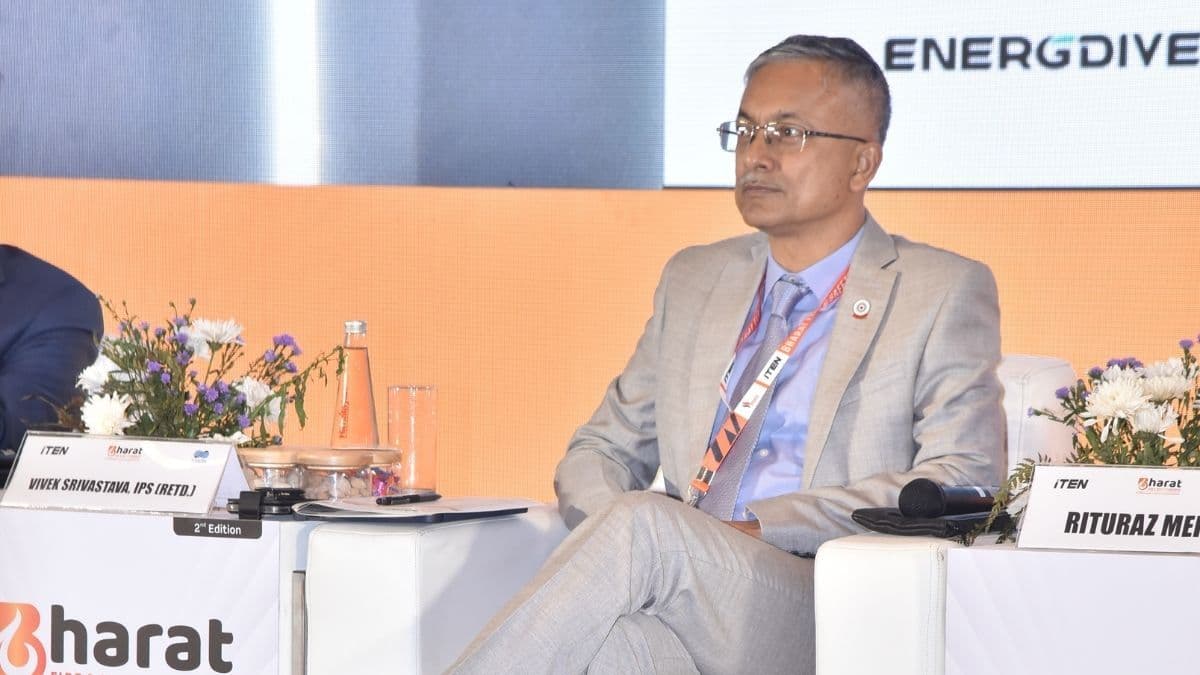
Vivek Srivastava
Chairman, Bharat Fire Safety Council and Former Director General, Directorate General Fire Services, Civil Defence & Home Guards, the Ministry of Home Affairs
Fire Safety No longer Peripheral Subject
Vivek Srivastava, Chairman, Bharat Fire Safety Council and Former Director General, Directorate General Fire Services, Civil Defence & Home Guards, the Ministry of Home Affairs, said: “The presence of partners, supporting organisations, knowledge collaborators, participating institutions and delegates at the platform reflects a growing and timely recognition that fire safety, industrial safety and disaster preparedness are no longer peripheral subjects. They are now integral to economic growth, infrastructure resilience, national security, urban sustainability and public confidence.”
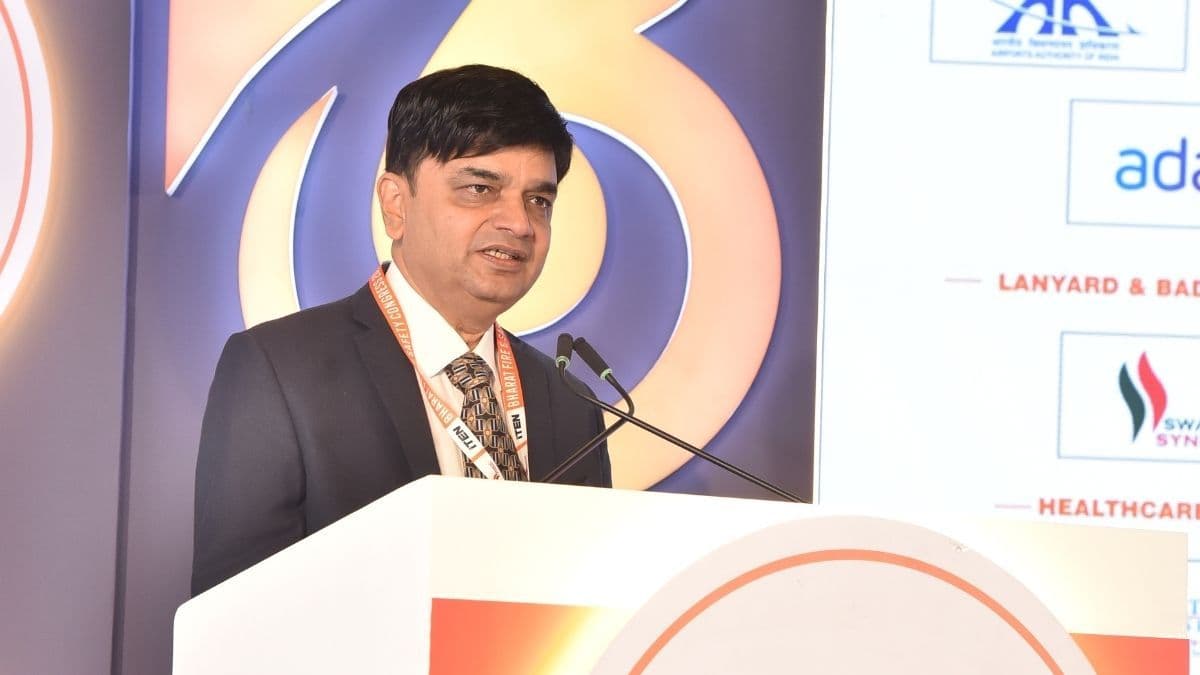
Rituraj Mehta
Group Safety Head, Adani Group
Execution Matters
Rituraj Mehta, Group Safety Head, Adani Group added, “I am working for a variety of businesses, and we have the resilience required in our organisation. We have coal mines, battery storage systems, cement manufacturing, data centers, thermal power generation, airports, sports, logistics, and others. It is very relevant for us to be associated with all of you and learn and see how things can be executed in our organisation.”
In view of increasing complexity of fire risks arising from rapid urbanisation, industrialisation and emerging technologies, there is a need for national level coordination...
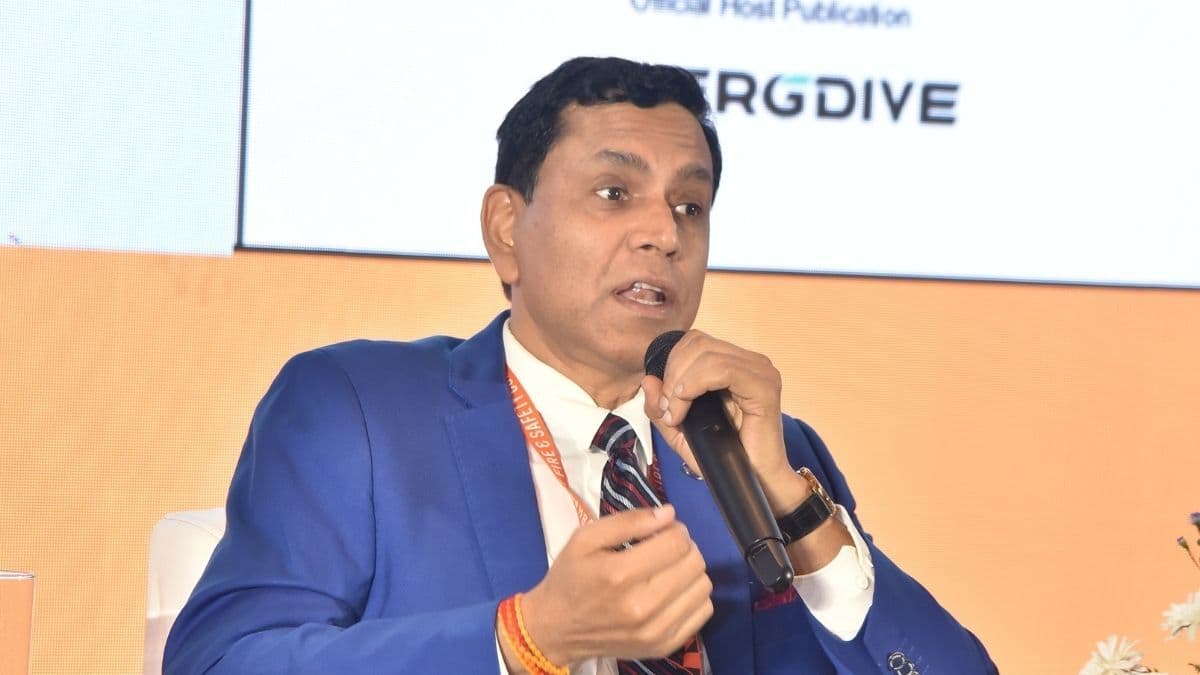
Dr Sudhanshu Sarangi
Director General, Fire Services, Home Guards & Civil Defence, Odisha
Fire Safety Practices, Response Drills Need Improvement
Dr Sudhanshu Sarangi, Director General, Fire Services, Home Guards & Civil Defence, Odisha, shared: “My experience in handling fire safety is that things are not good. There are old constructions, industries, hospitals, and hotels, which require either to be brought down, as we are not finding adequate ways of retrofitting fire safety to these old structures. That is going to be our biggest challenge.
The second big challenge is the lack of ambition of India as a nation, again attempting to find shortcuts for new buildings, industrial clusters, hospitals, hotels, and societies. I can understand the ease of doing business, and we are all for it. But, these are things for future constructions and we should not commit past errors, that is very clear.
Third is our response mechanism; recently we had a major hospital tragedy, and one of the things I realised is that in the emergency, the doctor did not know that there is a phone number 112 applicable to the entire country. It is a unified response system for fire, police and ambulance. So wherever anyone has difficulty has to call 112 like 911. So our fire safety practices and response drills have to be substantially improved.”
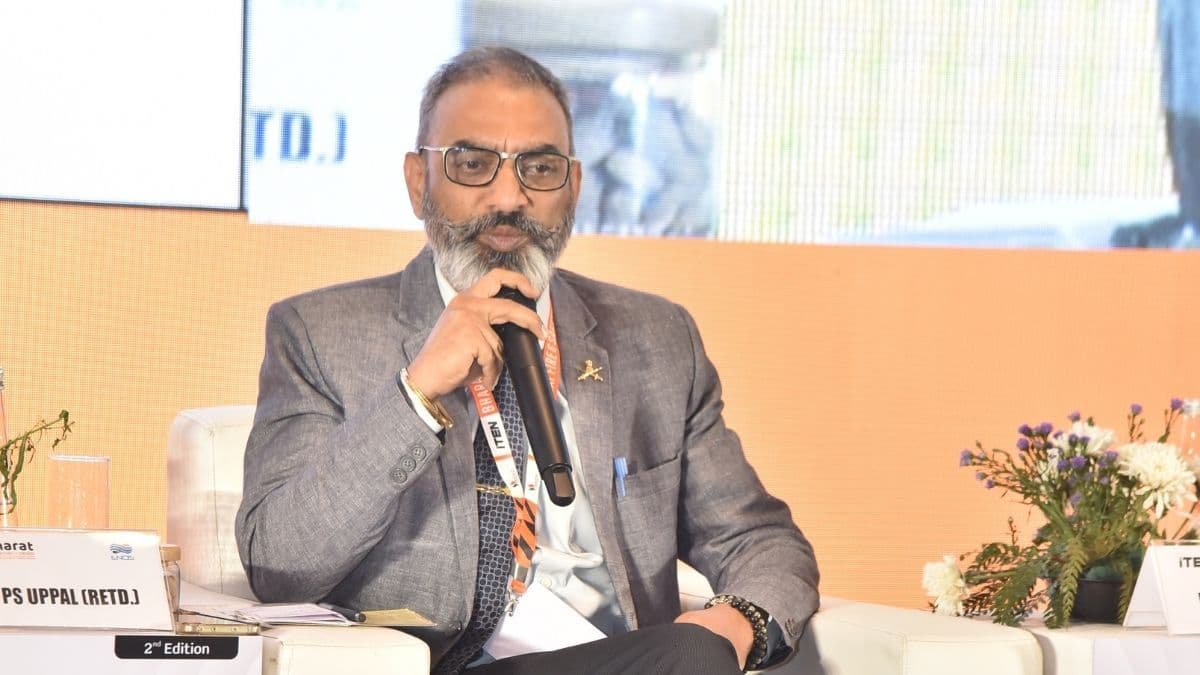
Major Gaurav PS Uppal (Retd)
Assistant General Manager, Security, Punjab National Bank
Prompt Action is the Need of Hour
Major Gaurav PS Uppal (Retd), Assistant General Manager, Security, Punjab National Bank, said, “It is all about consciousness. In uniformed forces, we train through the peace so that we do not bleed through the wars so this is part of our training. If we see fire, we do not think; we simply take action. So after I hung up my boots…I joined Punjab National Bank. Over the period of about two plus decades, I have been in the banking sector. We have bee experimenting with a lot of things…and personally, I have been talking AI as an enabler.”
At the design step, and Natural Gas Corporation Ltd if we involve all the checks and balances, if one system fails, the other system should work
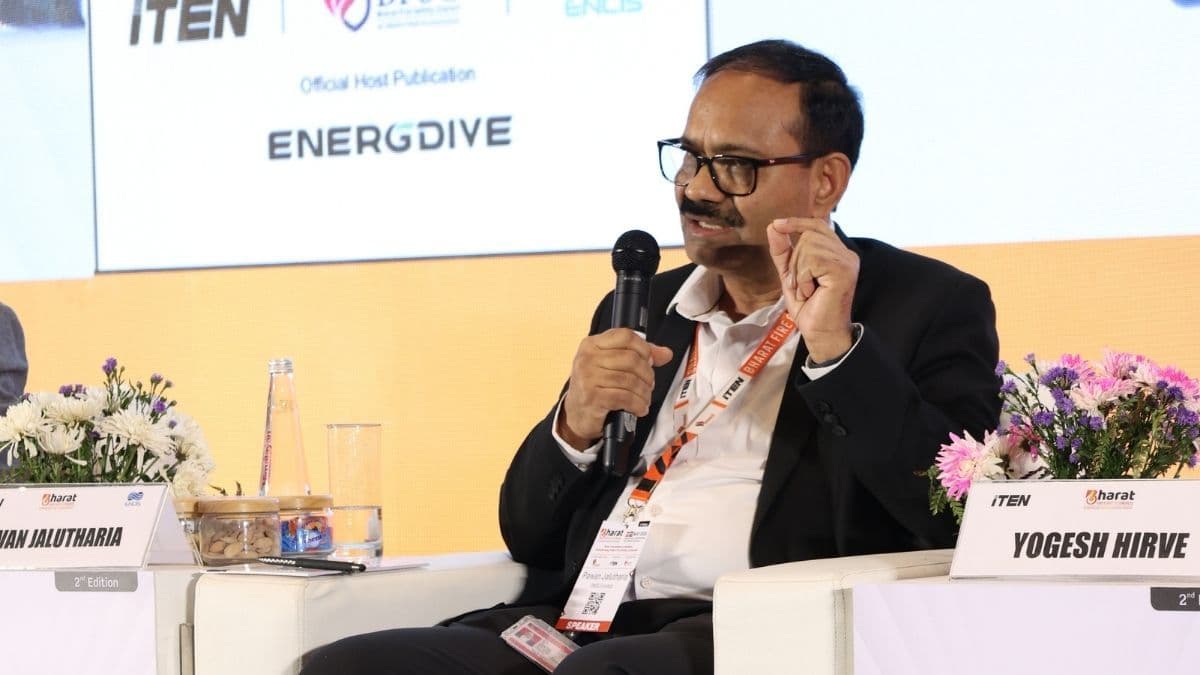
Pawan Jalutharia
Executive Director - Chief HSE, Oil At the design step, and Natural Gas Corporation Ltd
Designing a Robust System
Pawan Jalutharia, Executive Director- Chief HSE, Oil and Natural Gas Corporation Ltd, said, “With respect to industries, we have to see all aspects; starting from the design stage, we need to see how we can think that fire can be preventable. At the design step, if we involve all the checks and balances, if one system fails, the other system should work. So a lot of importance has to be given at the design stage, not only in the upcoming infrastructure but also in old infrastructure.”
Safety cannot be seen in isolation but needs to be taken forward with everyone in the society. This approach is necessary for India to be a developed country by 2047
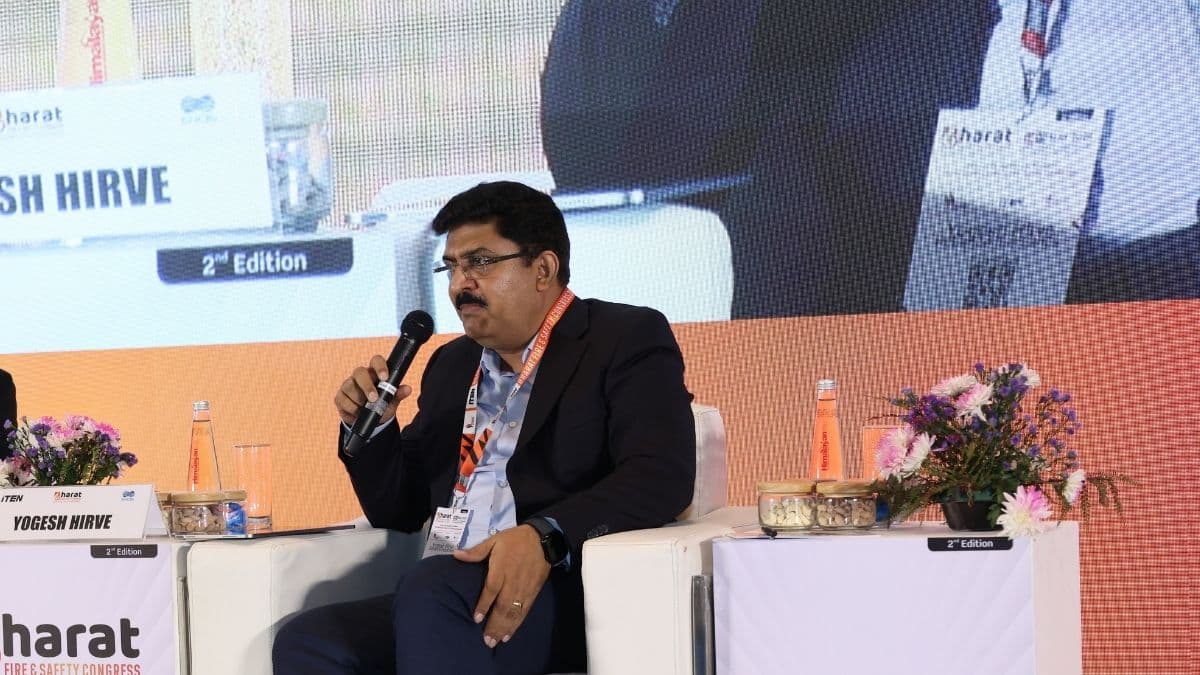
Yogesh Hirve
Group Head-Fire, Reliance Industries Ltd
Safety a Shared Responsibility
Yogesh Hirve, Group Head-Fire, Reliance Industries Ltd, emphasised that safety cannot be seen in isolation but needs to be taken forward with everyone in the society. This approach is necessary for India to be a developed country by 2047.
With the advent of new technology, gigabyte factories and smart cities, new challenges will be different.” ENERGDIVE is the official host publication of BFSC 2026.
As the country’s infrastructure and industrial footprint expands, fire safety is emerging as a leadership and governance imperative. Experts said preparedness, behavioural change, technology adoption and stronger enforcement must replace reactive, compliance-driven approaches to build a safer and more resilient India.