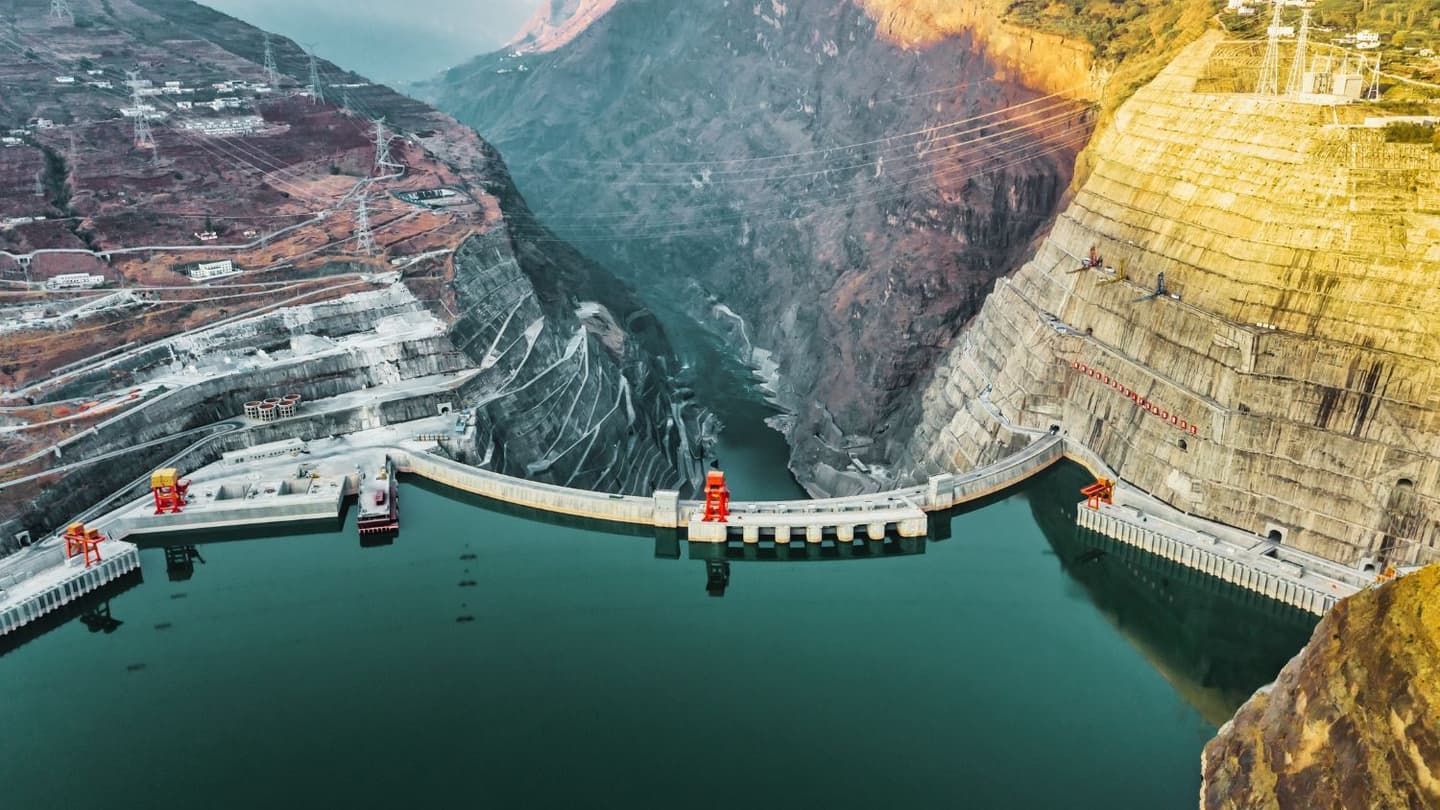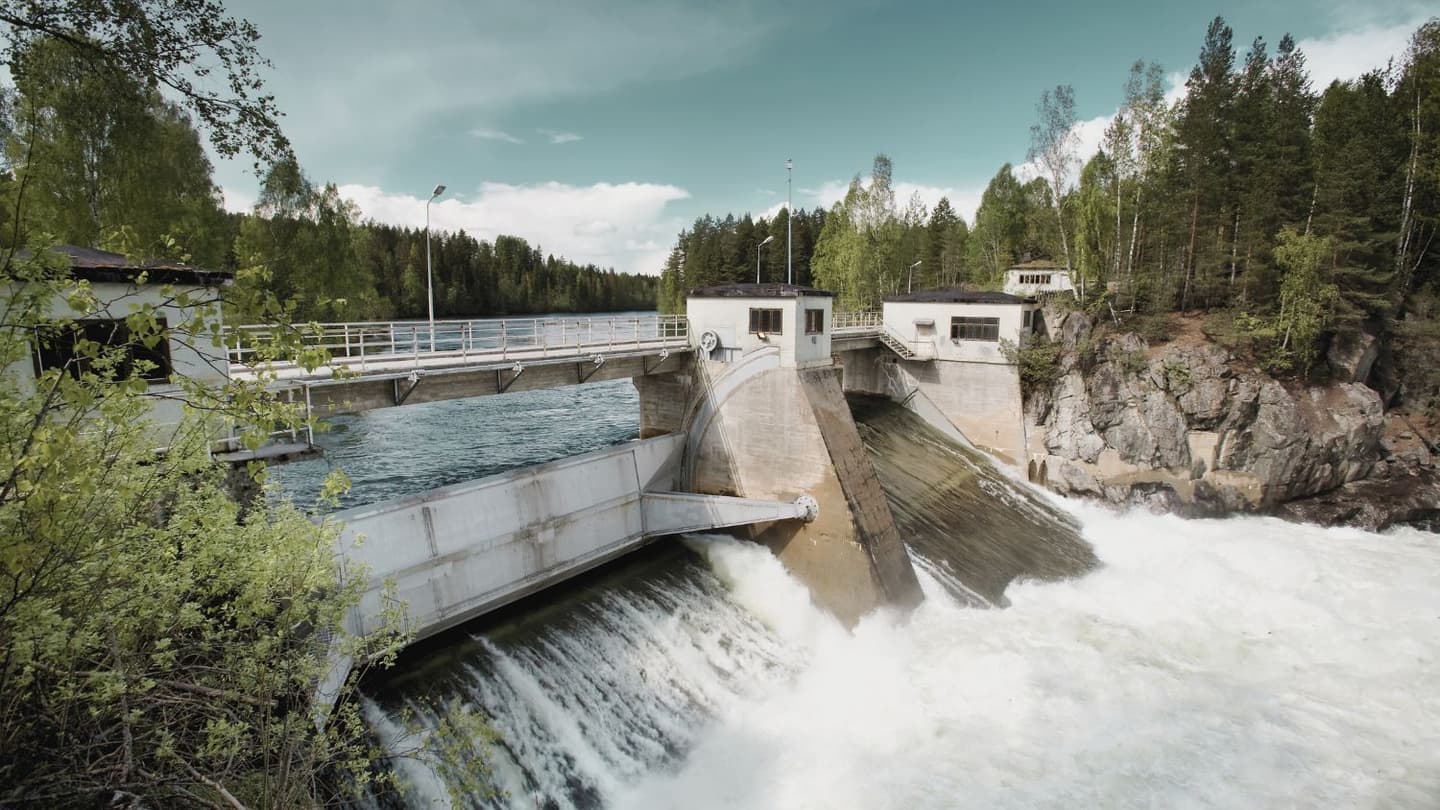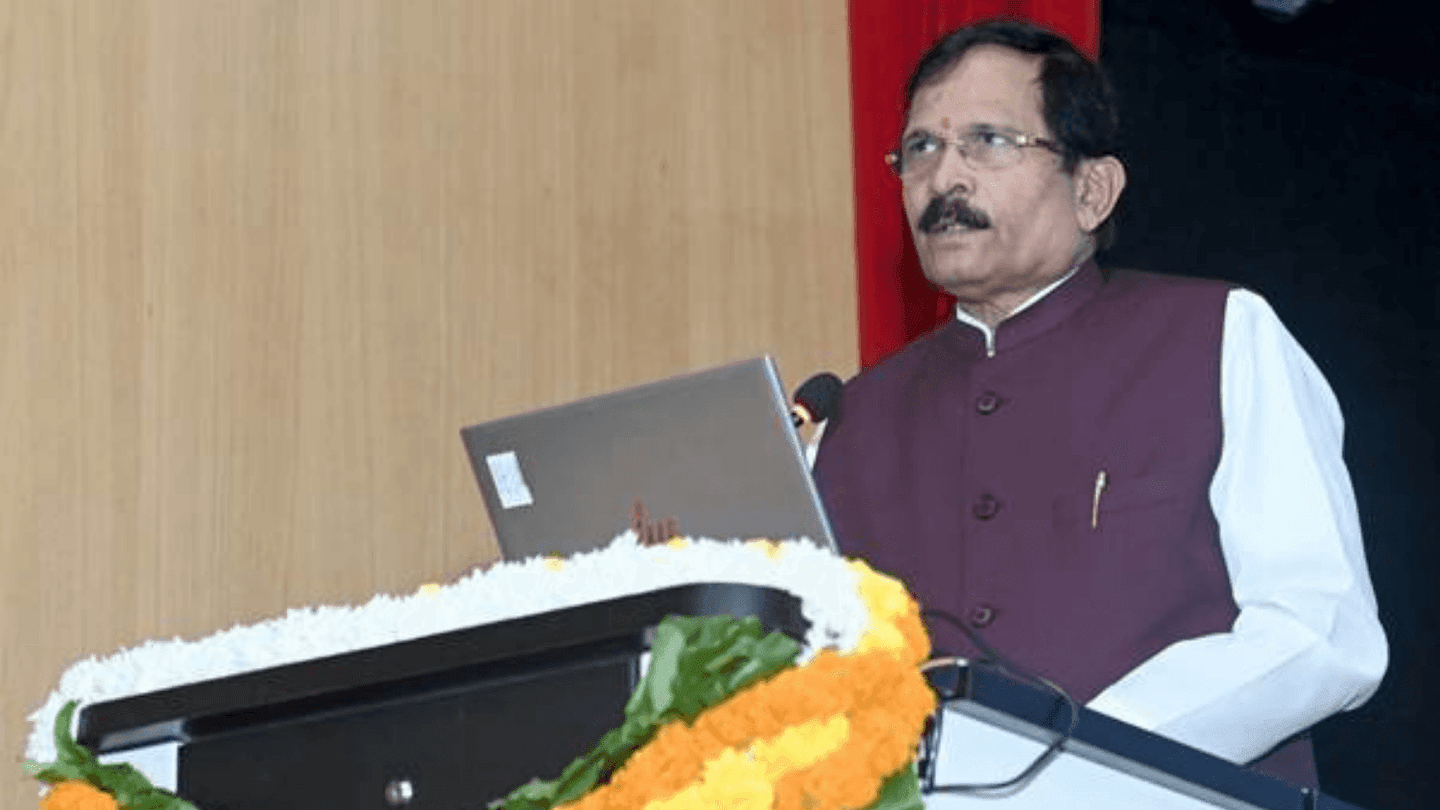
Small Hydro Power (SHP) has a distinctive role in India’s clean energy transition, said Shripad Yesso Naik, Minister of State for New and Renewable Energy and Power while addressing the Curtain Raiser Programme for the dedicated SHP session at the Bharat Renewable Energy Summit & Expo 2026 held today in New Delhi. Addressing the gathering, he said that SHP can contribute to energy security, decentralised generation, employment and socio-economic development in remote areas.
Naik said that under the visionary leadership of Prime Minister Narendra Modi, India’s clean energy journey has undergone a remarkable transformation, propelling the country to the forefront of the global energy transition. He said renewable energy has emerged as a powerful instrument of energy security, economic growth, technological progress and employment generation.
The Minister highlighted that India has crossed the milestone of 300 GW of installed non-fossil-fuel capacity. He said the strength of India’s energy transition lies in building a diverse, balanced and resilient energy portfolio suited to the country’s geography, resources and development needs.
Naik emphasised the significant potential of Small Hydro Power in this context. He said India’s presently assessed SHP potential is around 21 GW across more than 7,100 identified sites, of which only about 5.2 GW has been harnessed. He noted that this represents a significant opportunity for further development of the sector.
Naik said the significance of SHP goes beyond adding generating capacity. He noted that, wherever technically and environmentally feasible, appropriately designed run-of-river projects can provide a renewable energy option requiring relatively less land and avoiding the large-scale submergence and displacement associated with major reservoir-based projects.
He said SHP can provide dependable renewable electricity closer to the point of consumption, strengthen decentralised generation and contribute to the resilience of the power system, particularly in geographically challenging regions. The sector can also create employment, support local enterprises and generate economic opportunities in remote areas while maintaining sensitivity towards ecology and local communities.
The Minister highlighted the government’s proposed Small Hydro Power Development Scheme for the period 2026-27 to 2030-31, with an outlay of ₹2,584.60 crore and a target of approximately 1,500 MW of new Small Hydro Power capacity. The Scheme will also incentivise States to prepare Detailed Project Reports for about 200 projects, thereby creating a pipeline of Small Hydro Power projects for future development.
The Minister stressed that government support alone cannot unlock the full potential of the sector and called for a strong partnership among the central government, state governments, developers, financial institutions, technology providers and investors. He emphasised the need for policy certainty, streamlined approvals, improved ease of doing business, stronger Centre-State coordination and better bankability of projects.