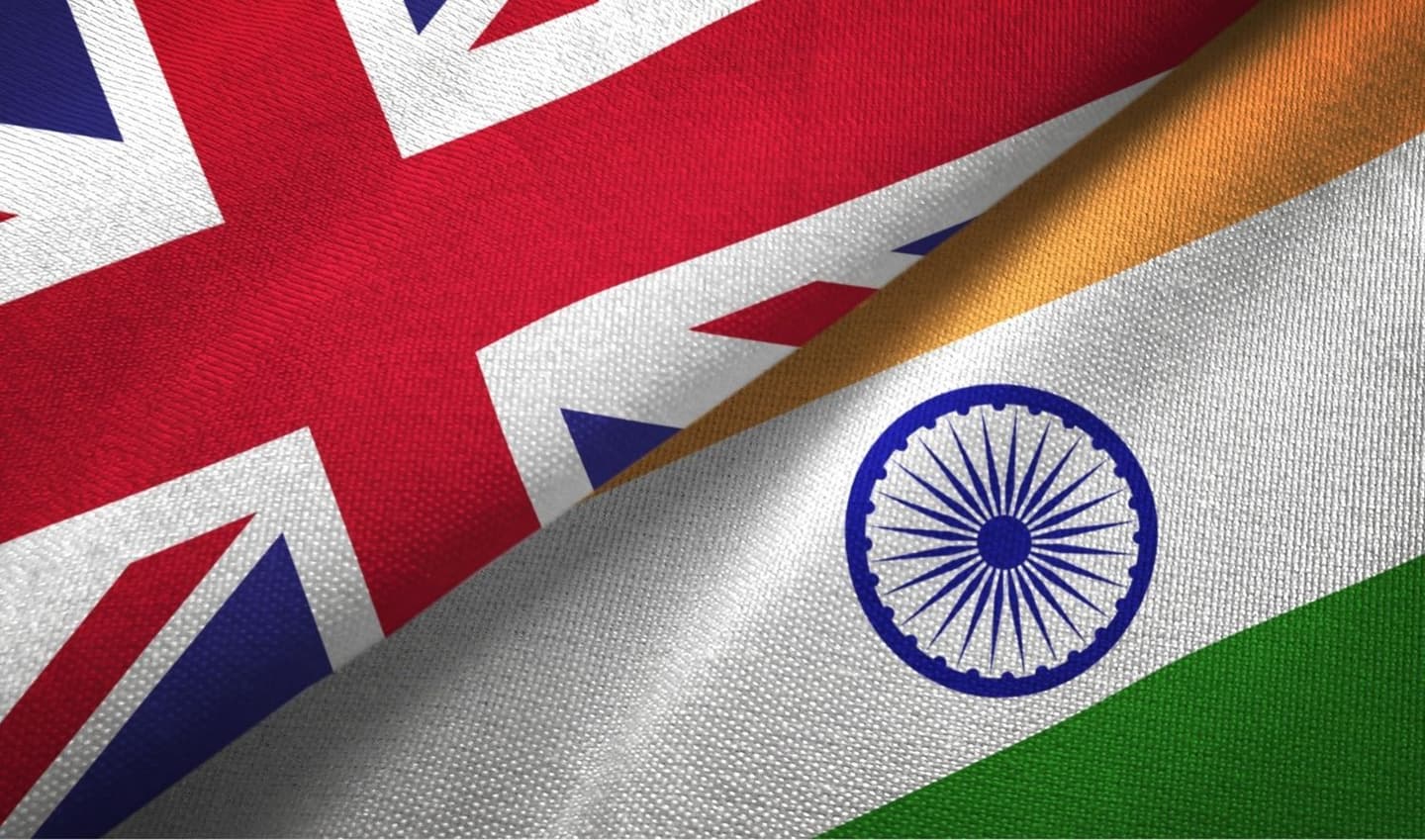
Marking a major milestone in India's energy transition, the Comprehensive Economic and Trade Agreement (CETA) between India and the UK came into effect from today. Alongside, the Double Contribution Convention (DCC) came into force. This initiative will have significant positive implications for India’s energy transition, clean energy manufacturing, and engineering exports.
Under this landmark agreement, 99 percent of India exports will be granted duty-free access to the UK market.
Earlier, engineering goods attracted duties of around 18 percent, but with enforcement of this agreement, Indian manufacturers of power equipment, electrical machinery, industrial components, and clean energy technologies will see a substantial boost in their competitiveness within the UK market.
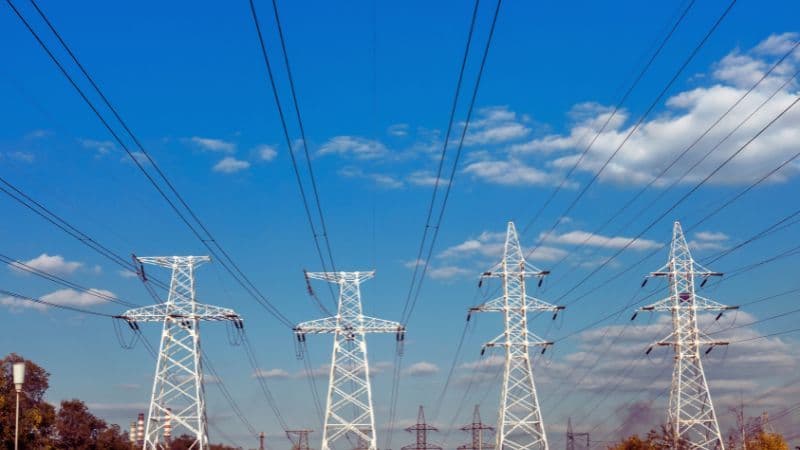
Moreover, this agreement will support exports related to renewable energy infrastructure, grid equipment, transformers, switchgear, cables and other engineering products used across the energy value chain.
Implementation of DCC is also likely to benefit Indian engineering, EPC and energy services companies by excusing eligible professionals on temporary assignments in the UK from paying social security contributions there for the specified period.
This initiative is a significant help for Indian firms executing power, renewable energy and infrastructure projects in the UK as it will reduce project costs and enhance competitiveness.