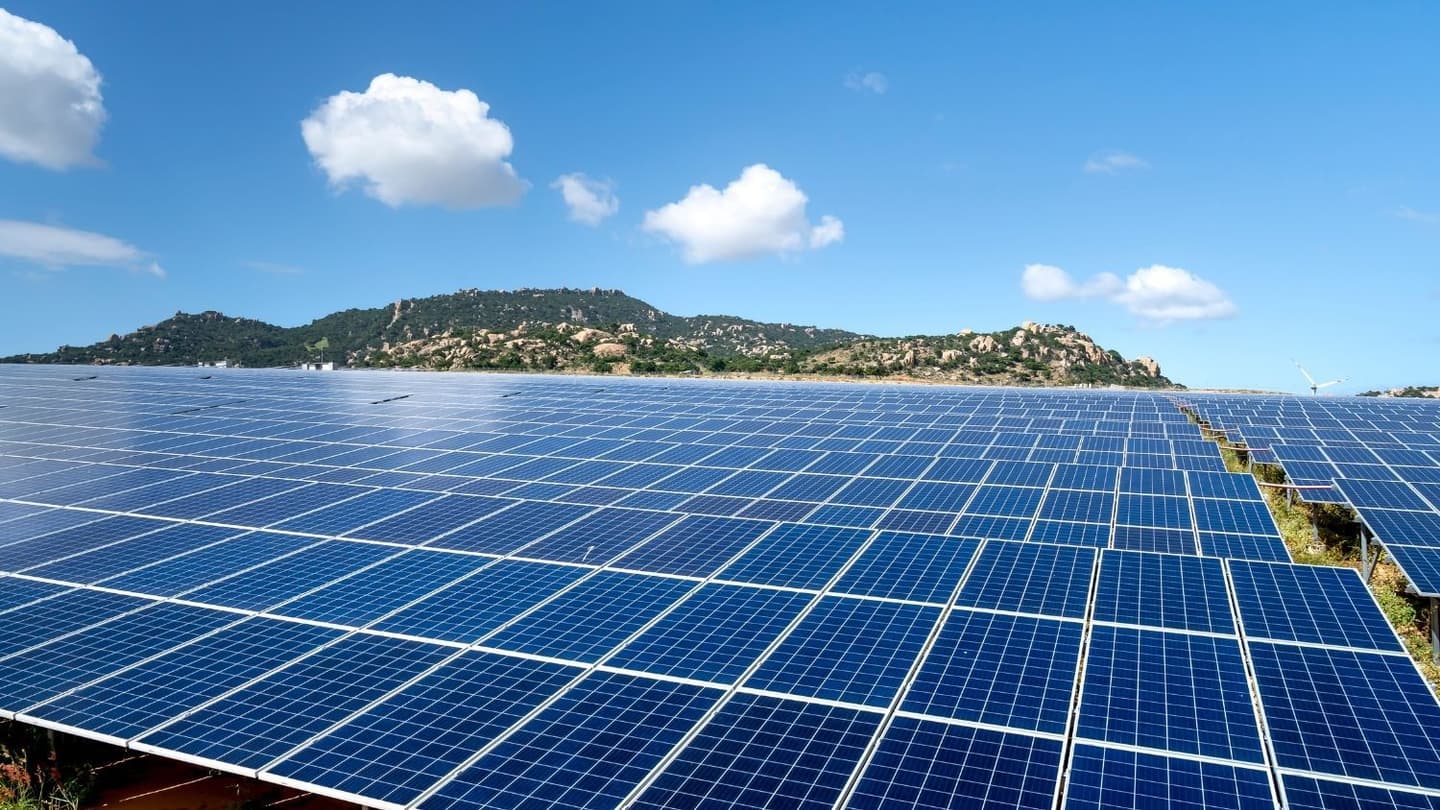
The Maharashtra Electricity Regulatory Commission (MERC) has granted approval to Mumbai's Brihanmumbai Electric Supply and Transport (BEST) to generate 220 MW of solar power paired with a 110 MW/440 MWh Battery Energy Storage System (BESS).
Under BEST’s ISTS-connected Tranche-XX scheme, it is now geared up to generate green energy for its projects from the Solar Energy Corporation of India (SECI).
Additionally, the commission approved implementation of the Power Sale Agreement (PSA) between BEST and SECI, with the procured renewable energy will support the utility's Renewable Purchase Obligation (RPO) and Energy Storage Obligation (ESO).
The procurement achieved the approval at a selected tariff of ₹2.86-2.87/kWh coupled with SECI's trading margin of ₹0.07/kWh, for 25 years. Under the agreement, the allotted procurement consists of 50 MW from LC Infra Projects Pvt. Ltd. at Rs 2.86/kWh, 50 MW from GH2 Solar Limited at Rs 2.87/kWh, and 120 MW from Navayuga Green Energy Pvt. Ltd. at Rs 2.87/kWh.
The procurement will enable the utility to meet its rising RPO and ESO requirements while reducing reliance on volatile short-term power purchases. It also sought approval for the draft PSA with SECI and directions to the State Transmission Utility (STU) and Maharashtra State Load Despatch Centre (MSLDC) to boost long-term connectivity for the projects.
The approved procurement includes SECI’s 2,000 MW solar power along with 1,000 MW/4,000 MWh Energy Storage System tender, with tariffs selected through a competitive electronic reverse auction. SECI will hold responsibility of the intermediary procurer, will buy power from the selected developers and supply it to BEST under a back-to-back Power Sale Agreement.
The utility informed that the selected projects will connect directly to Maharashtra's intra-state transmission network, avoiding inter-state transmission system (ISTS) charges and losses.
Moreover, the commission was informed by the utility that a decrease in GST on solar cells and modules from 12% to 5% could witness a reverse Change in Law benefit, which will likely lower the effective tariff by nearly 10-12 paise per unit, subject to regulatory approval and reconciliation.
According to MERC, procurement aligns with BEST's approved Resource Adequacy Plan and is expected to boost the utility to meet its growing Energy Storage Obligation under the state's RPO regulations. The commission also observed that BEST's ESS requirement is likely to reach 219 MW by FY30 from 60 MW in FY25 and said the approved procurement would support compliance while providing long-term tariff certainty for consumers.