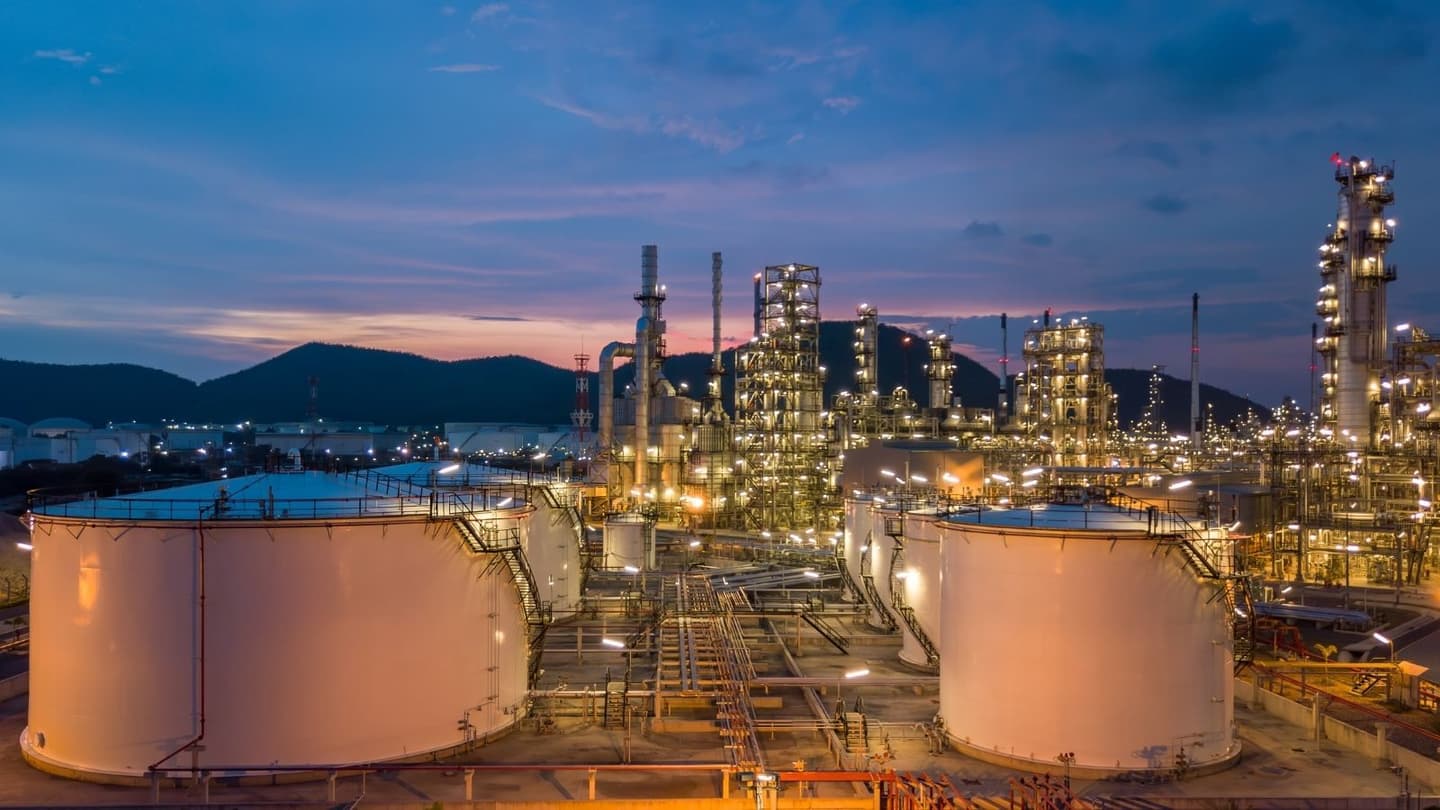
The country’s gas economy is moving into a decisive phase, with the rise of Liquified Natural Gas (LNG), expansion of pipeline infrastructure and a rapid scale of City Gas Distribution (CGD). Simultaneously, a shift in focus is noticeable—from policy intent to execution, market design and infrastructure readiness. Against this backdrop, Molecule Bharat—India Gas & Clean Molecules Leadership Congress will be held on August 18, 2026 in New Delhi.
Organised by The Energy & Climate Initiatives Society (ENCIS), co-organised by ITEN Media Pvt Ltd with ENERGDIVE as the official host publication, the conference will be held at a moment when gas and clean molecules are increasingly being viewed not merely as transition fuels, but a strategic infrastructure for India’s industrial and energy future.
Molecule Bharat 2026 positions itself as a national decision room for India’s evolving molecule economy
From LNG Dependence to Molecule Strategy
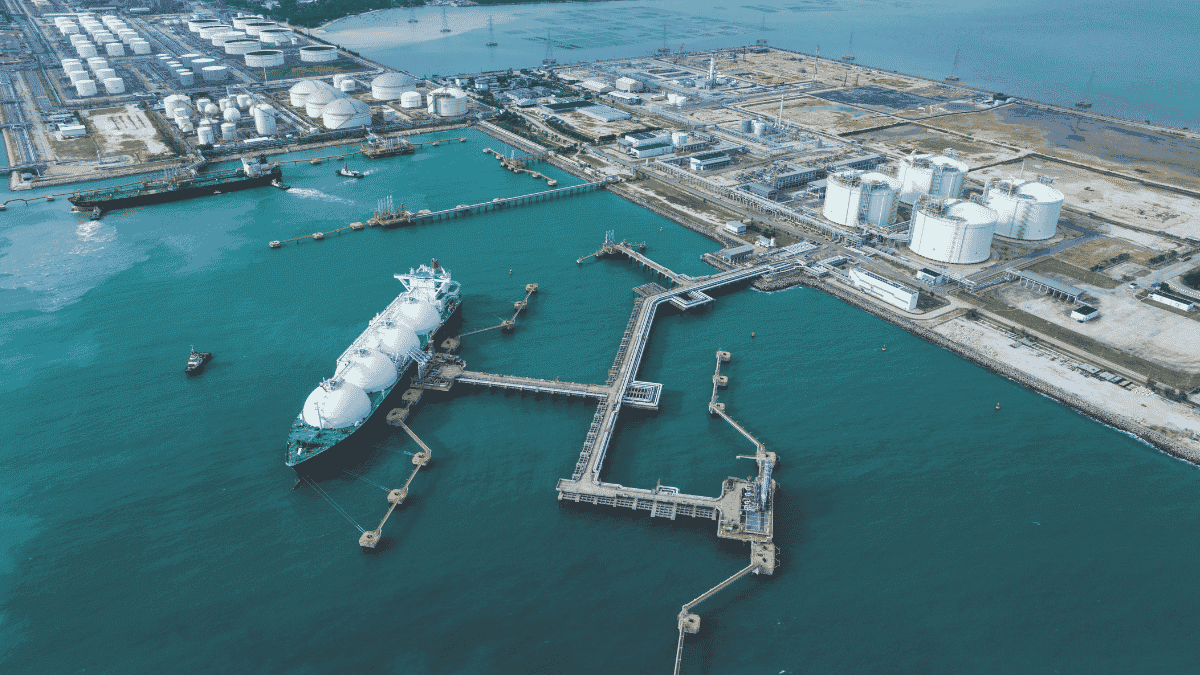
India’s gas conversation is no longer limited to LNG procurement alone. The sector is moving towards a broader molecule strategy encompassing LNG, Piped Natural Gas (PNG), Compressed Natural Gas (CNG), Compressed Biogas (CBG), hydrogen and industrial gases. Infrastructure expansion is accelerating across pipelines, LNG terminals, CGD networks and mobility ecosystems, and reforms around unified tariffs, third-party access and gas trading are gradually reshaping market architecture. The next phase of growth will depend less on announcing assets and more on improving utilisation, connectivity and commercial viability. That makes execution the defining challenge of India’s gas decade.
Why Molecule Bharat Matters
Molecule Bharat 2026 positions itself as a national decision room for India’s evolving molecule economy. The one-day leadership congress will bring together policymakers, regulators, LNG suppliers, pipeline operators, CGD companies, industrial consumers, financiers and technology providers to deliberate the future of India’s gas ecosystem. The agenda spans the full value chain, from production and regasification to pipelines, trading, mobility, industrial demand and decarbonisation pathways. More importantly, the platform reflects a larger industry transition where gas is increasingly being viewed as a balancing resource for renewable energy, a feedstock for industrial growth and a future platform for low-carbon fuels.
The New Gas Architecture
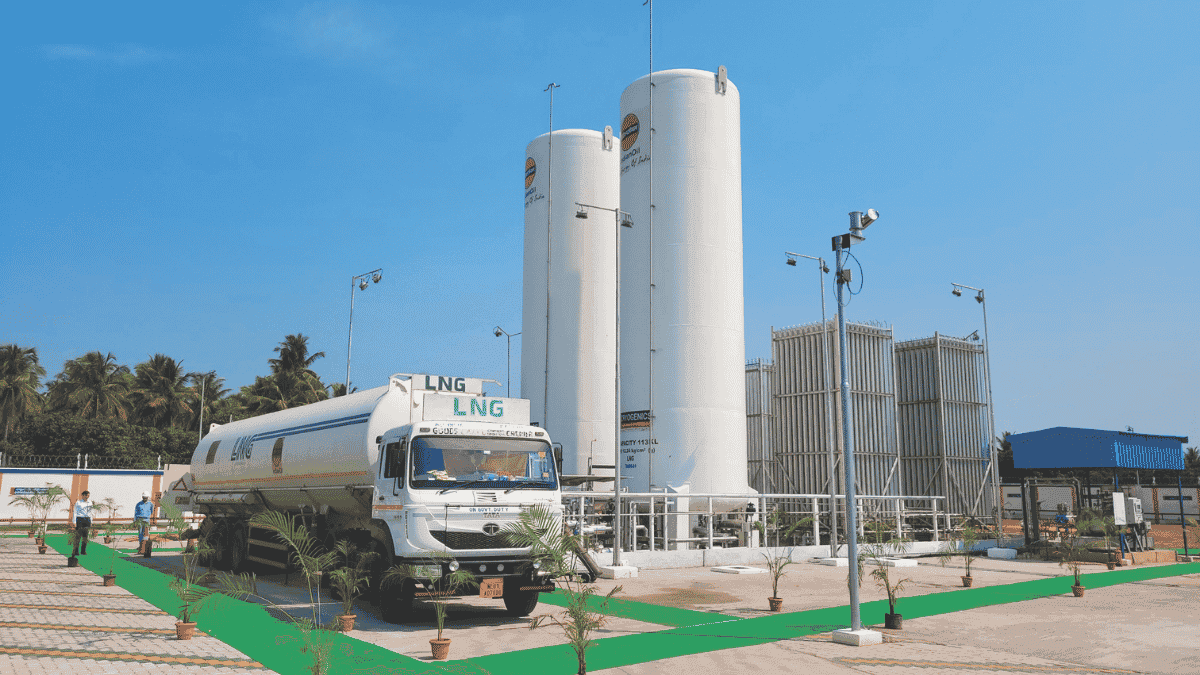
India’s gas infrastructure is moving from aspiration to execution. The Petroleum and Natural Gas Regulatory Board (PNGRB) has authorised more than 34,000 km of natural gas pipeline infrastructure, while CGD expansion targets envision massive growth in PNG connections and CNG stations by 2030. Alongside physical infrastructure, digital systems such as smart metering, transparent capacity reporting and digital CGD networks are also becoming integral to the sector’s evolution. As pricing reforms, gas exchanges and market-based mechanisms gain traction, the focus is gradually shifting towards building a more transparent, investment-grade and competitive gas ecosystem.
Beyond Gas: The Rise of Clean Molecules
One of the defining aspects of Molecule Bharat is its emphasis on clean molecules beyond conventional natural gas. The conversation is widening towards compressed biogas, hydrogen integration, waste-to- molecule systems and industrial gases that support sectors such as healthcare, electronics, chemicals and advanced manufacturing. This reflects a broader shift in India’s energy transition strategy, where molecule ecosystems are increasingly intersecting with industrial decarbonisation, mobility and infrastructure planning. Therefore, the future molecule economy will not revolve around one fuel alone, but around interconnected systems capable of supporting growth, resilience and cleaner industrial development simultaneously.
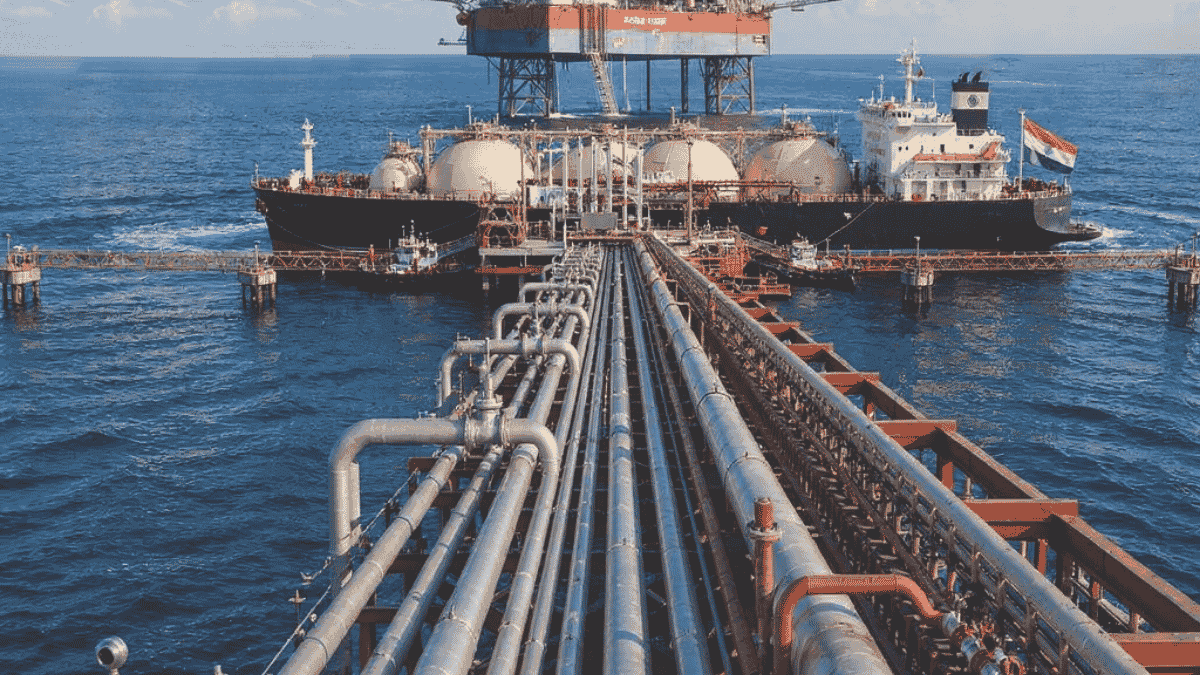
The future molecule economy will not revolve around one fuel alone, but around interconnected systems capable of supporting growth, resilience and cleaner industrial development simultaneously
India’s next energy phase will be shaped as much by molecules as by megawatts. As the country scales gas infrastructure, strengthens LNG security and prepares for hydrogen and low-carbon fuels, the focus is moving decisively toward execution, integration and market maturity. Molecule Bharat 2026 arrives at a moment when India’s gas economy is no longer asking whether it should expand. The debate now is about how quickly and competitively it can build the infrastructure, markets and partnerships required for its gas decade.