India is not facing any immediate energy supply crisis despite rising geopolitical tensions in West Asia, particularly around the Strait of Hormuz, with strategic reserves and diversified sourcing providing a cushion, Business Today reported quoting government officials.
According to the report, India currently has sufficient buffer stocks to manage short-term disruptions. Strategic reserves can support Liquefied Petroleum Gas (LPG) and Liquefied Natural Gas (LNG) demand for about 15 days, while crude oil reserves are estimated to last up to 45 days in the event of supply disturbances.
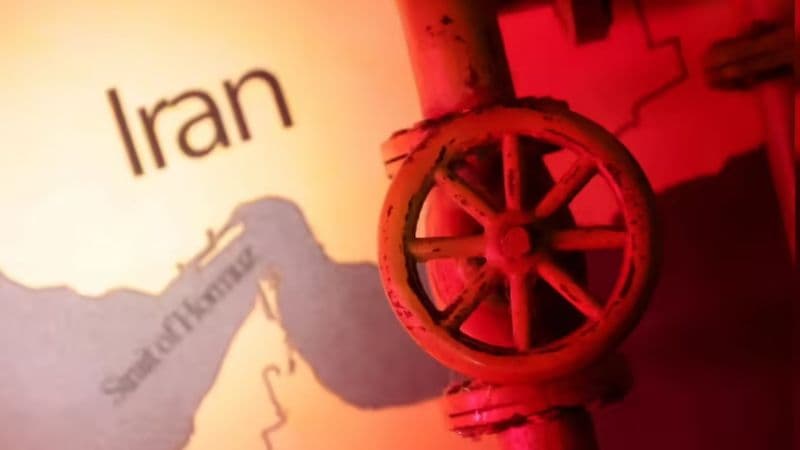
The assurance comes amid mounting global concerns over the Strait of Hormuz, a key maritime chokepoint through which a significant share of India’s crude oil and LNG imports transit.
The officials reportedly told that even in the event of a prolonged disruption or temporary closure of the Strait, India retains the flexibility to pivot to alternative sourcing markets to meet domestic demand.
While physical supply disruptions appear unlikely in the near term, energy markets have already begun reacting to geopolitical uncertainty. Brent crude prices have climbed toward a seven-month high of around $73 per barrel, reflecting the addition of a geopolitical risk premium. The price rise is being closely watched for its potential impact on inflation and India’s current account balance.
The Strait of Hormuz accounts for nearly 20 percent of global petroleum liquids trade and a similar share of LNG shipments, making it one of the world’s most critical energy transit routes. Any sustained disruption could therefore have cascading effects on global energy markets, even if actual supply flows remain intact in the short term.
Officials said policymakers are closely monitoring developments, including potential second-order impacts such as price volatility, shipping delays and higher insurance costs. For now, India’s ability to draw upon strategic reserves and reconfigure sourcing routes is seen as sufficient to cushion near-term volatility.