Oil prices saw a rise for a fourth day amid the ongoing strikes by the US on Iran to prevent shipping through the Strait of Hormuz.
This has led to the global benchmark Brent crude rose by 12 percent with $85 a barrel, alongside West Texas Intermediate trading close to $80.
Crude prices have surged to its highest in the month due to the resumption of the West Asia conflict, raising concerns over the flow to global supply chain once again.
Jeff Currie, a senior adviser at Carlyle Group Inc., stated in an interview on Bloomberg TV that “So not only have we now lost all of the Straits of Hormuz again, but we have also lost the crude oil and the refineries in Russia,” adding, “The situation in energy, I would argue, is pretty dire.”
Furthermore, as per a report by The Wall Street Journal, the US President Donald Trump is intending to expand the military strikes until Iran withdraws attacks on ships in the Strait of Hormuz and consents to open the vital shipping corridor. He has also discussed the seizure of Kharg Island, the location of Iran's main oil export terminal.
Meanwhile, there are no signs of withdrawal from Iran either. The Islamic Revolutionary Guard Corps underscored that the strait will remain closed until the US halts its strikes and lifts its blockade on Iran's ports.
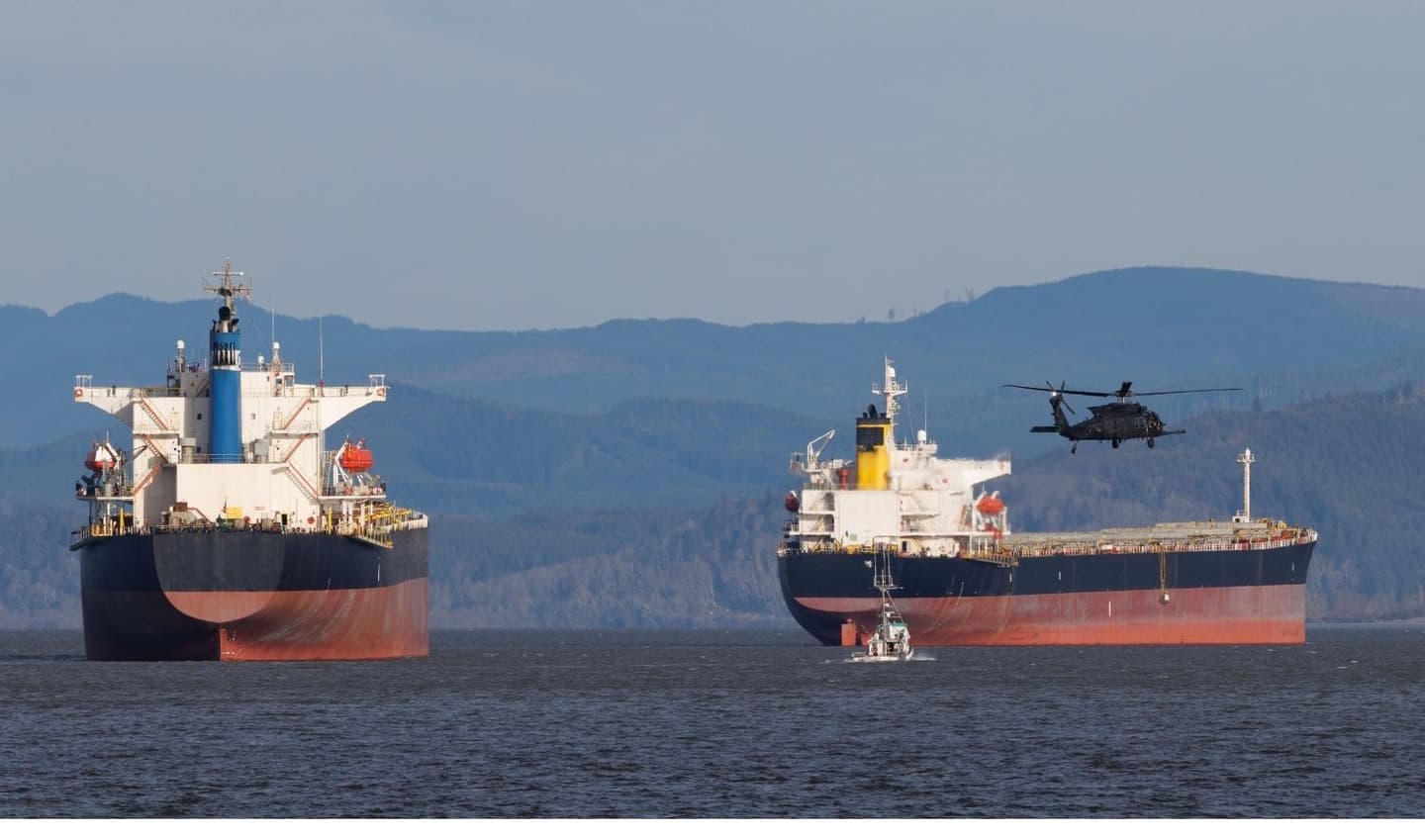
Iran's attacks on oil vessels are significantly comprising trade through the Strait, raising questions on the global economy as roughly 20 percent of the world’s total petroleum liquids consumption and one-quarter of all seaborne-traded oil is transported via the Strait of Hormuz.
Yet, the tanker traffic kept moving. Navy spokesperson Captain Tim Hawkins confirmed that US-guided passages reached double digits on Tuesday night, highlighting that almost half of the ships passed via the strait were protected by the US forces.