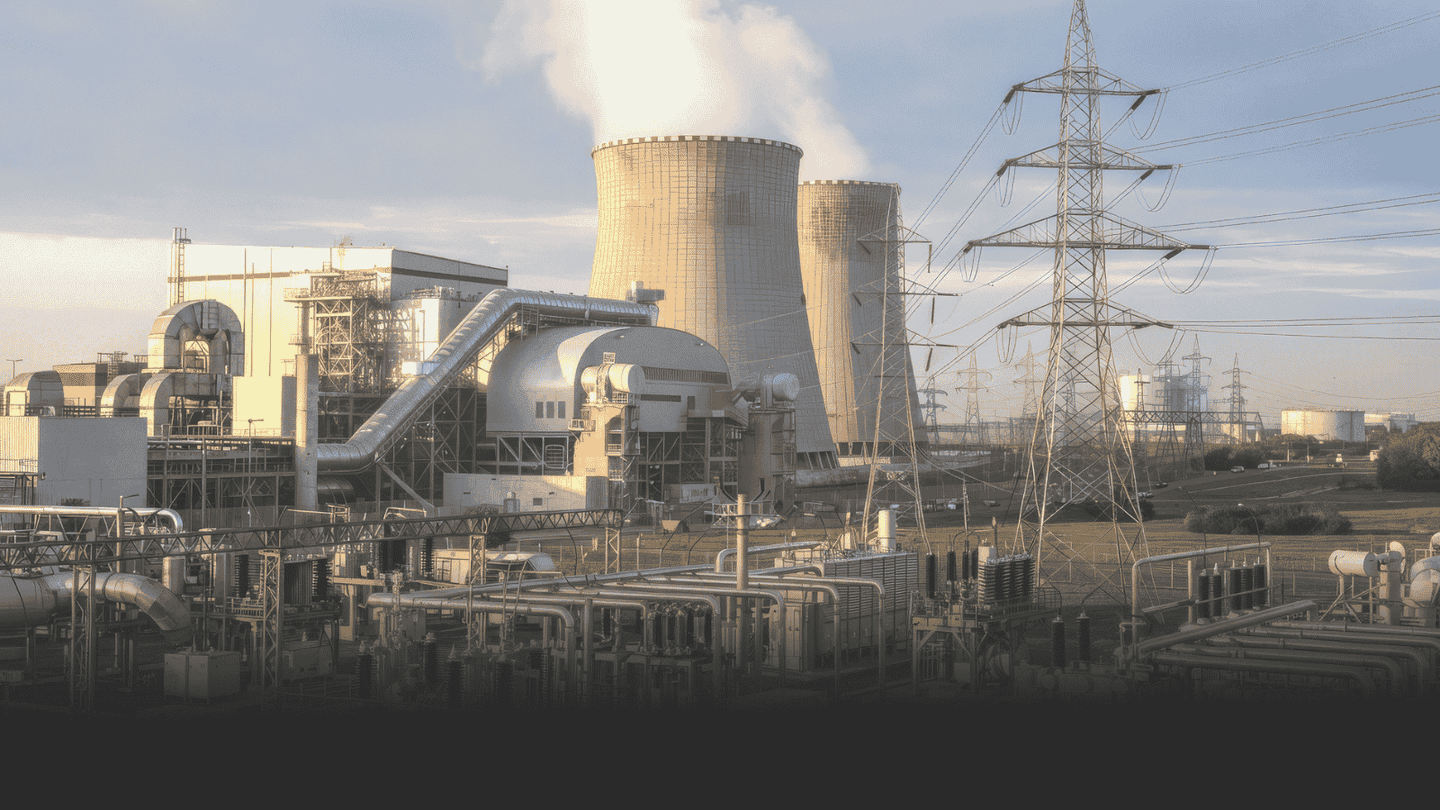
India’s power sector is entering a new phase. After a decade of rapid capacity expansion, declining shortages and stronger grid infrastructure, the challenge is shifting from ensuring availability to building a system capable of supporting sustained economic growth. Rising electricity demand will require a major expansion of generation, transmission and storage, while integrating increasing shares of renewable energy without compromising reliability or affordability. The next decade will therefore be defined not simply by how much power India generates, but by how effectively it balances energy security, flexibility, resilience and decarbonisation.
Powering India’s Next Growth Chapter
Up to December 2025 during 2025-26, peak shortage was 0.1 percent and the energy shortage was 0.03 percent compared to 0.001 percent and 0.1 percent, respectively during the same period last year. The actual generation from all sources during the first nine months of the financial year was 1,384.859 BU compared to 1,379.445 BU generation during the same period last year, representing a growth of 0.39 percent.
Building the World's Largest Synchronous Grid
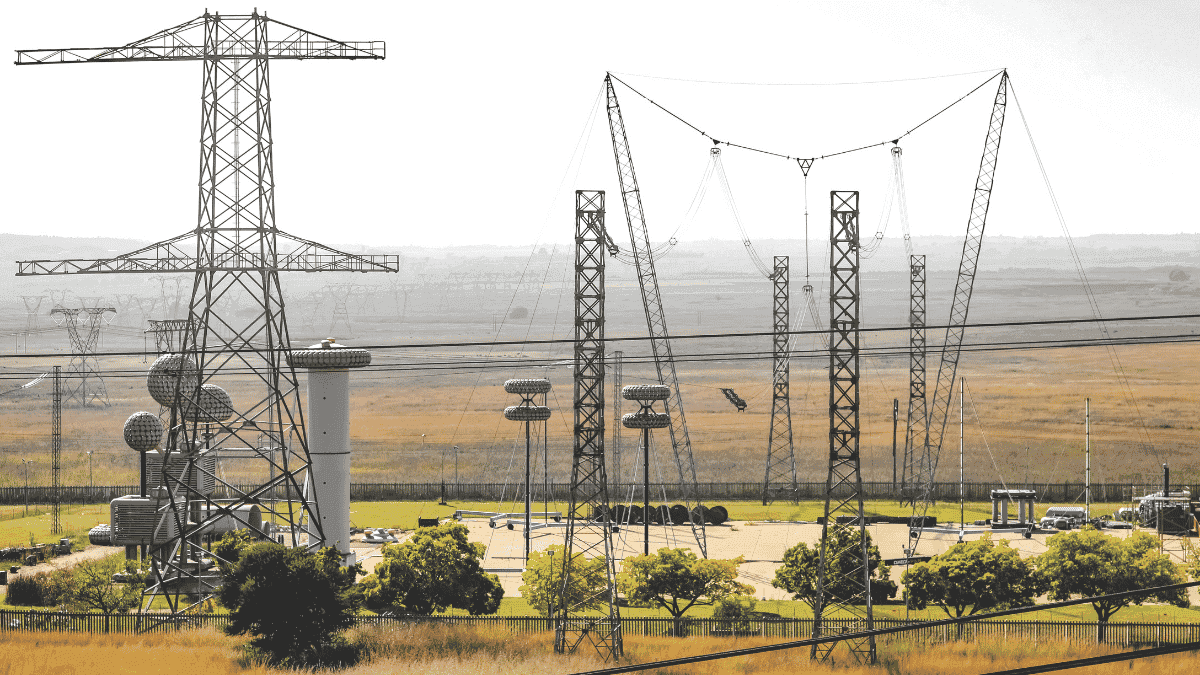
India has reached a landmark achievement in the transmission sector by becoming the world's largest synchronous national grid, strengthening the nation's energy infrastructure. The national power transmission is a significant advancement in network exceeding 5 lakh ckm of transmission lines (220 kV and above) and includes 1,407 GVA of transformation capacity (220 kV and above).
This places India among the most expansive and resilient grids globally. Since 2014, the country has added 2,08,743 ckm of transmission lines (220 kV and above) and 8,76,445 MVA of transformation capacity (220 kV and above). The inter-regional power transfer capacity has grown to 1,20,340 MW, enabling seamless electricity flow across regions and effectively realising the vision of ‘One Nation-One Grid-One Frequency’.
Scaling Biomass for Cleaner Thermal Power
The Ministry of Power established the SAMARTH (Sustainable Agrarian Mission on use of Agri Residue in Thermal Power Plant) Mission in July, 2021 to combat stubble burning and mitigate air pollution in India, with a major focus on co-firing of biomass pellets in Thermal Power Plants (TPP).
As of December 2025, 72 TPPs including 11 TPPs of National Capital Region (NCR) have started co-firing of biomass pellets and cumulatively about 40.2 Lakh Metric Tons (LMT) have been co-fired therein across the country. During the calendar year 2025, all India around 24.76 LMT biomass pellets have been co-fired which resulted in an increase of 108 percent as compared to the corresponding period of last year.
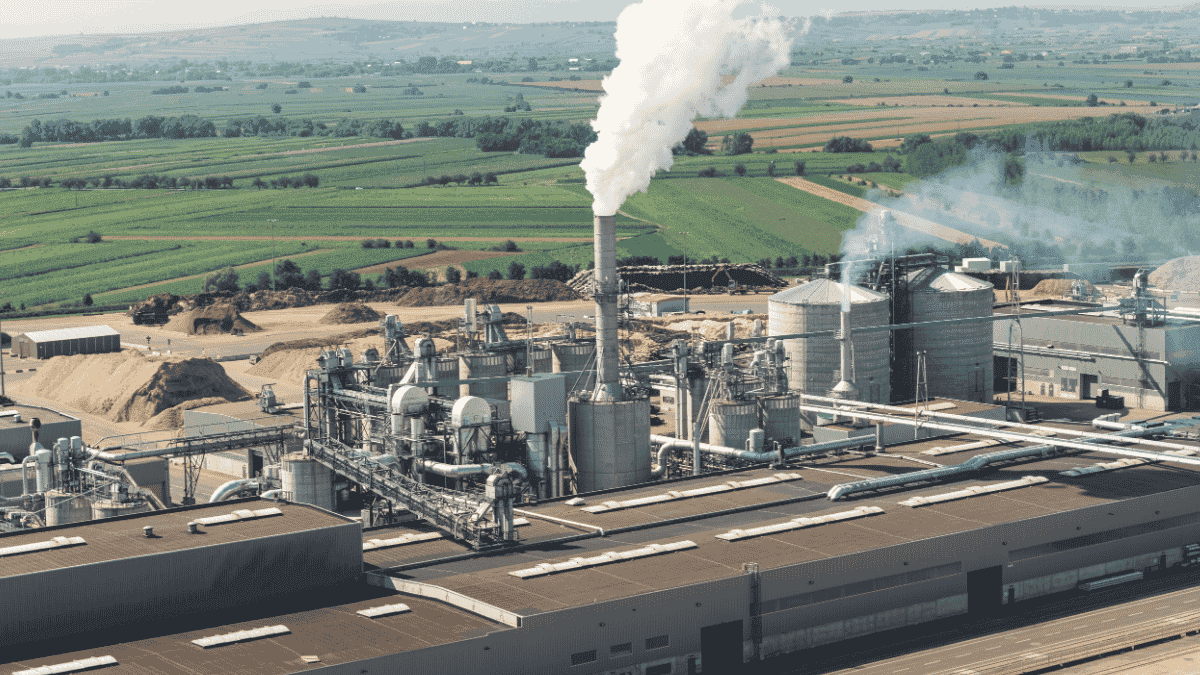
As of December 2025, 72 TPPs including 11 TPPs of National Capital Region (NCR) have started co-firing of biomass pellets and cumulatively about 40.2 LMT have been co-fired therein across the country
Furthermore, to strengthen the policy framework, the ministry issued ‘Comprehensive Policy for Co-firing of Biomass Pellets (including Torrefied Charcoal made from Municipal Solid Waste (MSW)] in Coal-based Thermal Power Plants’ on November 7, 2025. The policy supersedes all previous policies for utilising the surplus biomass along with agricultural residues and left over MSW in reducing overall Greenhouse Gases (GHG) emissions and also to boost the government’s objective of ‘Swachh Bharat Mission’.
Strengthening Fuel Security
The coal stock at power plants has increased from about 45.2 MT as of December 2024, sufficient for an average of 16 days at requirement of 85 percent Plant Load Factor (PLF) to 53.5 MT as of December 2025, sufficient for an average of 17 days at requirement of 85 percent PLF. Such coal stock has been maintained while reducing the receipt of imported coal for blending purposes from 18.8 MT during January-December, 2024 to 7.5 MT during January-December, 2025, a decline of about 60 percent.
Revised SHAKTI Policy 2025
The government on July 7, 2025, approved the Revised SHAKTI Policy for Coal Allocation to the power sector. Building upon the 2017 SHAKTI framework that replaced nomination-based coal allocation with transparent auctions and bidding, the revised policy consolidates multiple linkage provisions into two simplified windows. This restructuring aims to promote ease of doing business, enhance competition and efficiency contributing to affordable power generation.
The Revised SHAKTI Policy would maximise domestic coal utilisation, ensure seamless thermal capacity addition, reduce dependence for coal on global markets, aligning with ‘Energy Security for All
The revised policy introduces greater flexibility, wider eligibility, and better accessibility to coal, ensuring linkage to all power producers. The reforms also allow the use of linkage coal for Un-requisitioned Surplus (URS) power generation and sale in power markets, improving utilisation, deepening market liquidity and helping substitute imported coal.
For grant of fresh coal linkages to thermal power plants of central sector, state sector, or Independent Power Producers (IPPs), following two windows have been approved under the Revised SHAKTI policy: (i) Coal linkage to central Gencos or states at notified price: Window-I (ii) Coal linkage to all Gencos at a premium above notified price: Window-II.
The Revised SHAKTI Policy would maximise domestic coal utilisation, ensure seamless thermal capacity addition, reduce dependence for coal on global markets, reinforce nation's energy independence aligning with government's push for ‘Energy Security for All’. Under Window-I of the Revised SHAKTI Policy, 2025, SLC (LT) earmarked 55 MTPA coal linkages for 11,260 MW to six states based on the recommendation of the ministry (till December 2025).
Hydropower's Strategic Revival
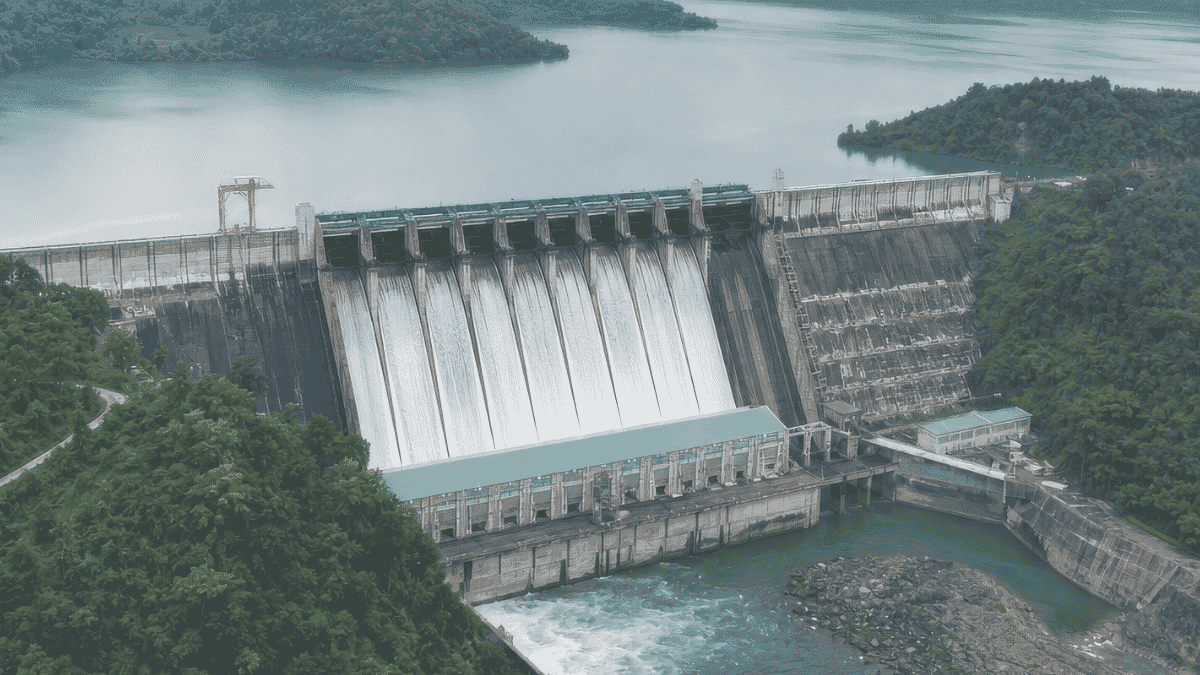
The government on August 12, 2025 has granted investment approval of ₹8,146.21 crore for construction of Tato-II HEP (700 MW) in Shi Yomi district of Arunachal Pradesh. This project will be implemented through a joint venture company between North Eastern Electric Power Corporation Ltd (NEEPCO) and the Government of Arunachal Pradesh. Upon commissioning, this project would generate about 2,738.06 MU per year. The state would be benefitted from 12 percent free power and another 1 percent towards Local Area Development Fund (LADF) besides significant infrastructure improvement and socio-economic development of the region.
Distribution Reforms Gather Momentum
The Aggregate Technical and Commercial (AT&C) losses have reduced from 21.9 percent in FY 2021 to 15.04 percent in FY 2025 and the Average Cost of Supply and the Average Revenue Realized (ACS-ARR) gap has reduced from ₹0.69/kWh in FY2021 to ₹0.06/kWh in FY2025 at pan-India level. The reduction in losses would help in improving the services offered by the distribution utilities.
Power distribution utilities recorded a positive Profit After Tax (PAT) of ₹ 2,701 crore in FY2024-25, marking a history for the sector. The distribution utilities as a whole have been reporting PAT losses for the past several years since unbundling and corporatisation of SEBs. The positive PAT in FY2024-25 compares to a loss of ₹25,553 crore in FY 2023- 24. This fosters investor confidence and attracts private investment.
AT&C losses have reduced from 21.9 percent in FY 2021 to 15.04 percent in FY 2025 and the Average Cost of Supply and ACS-ARR gap has reduced from ₹0.69/kWh in FY2021 to ₹0.06/kWh in FY2025 nationally
Till December 25, 3.77 crore consumer meters, 12.56 lakh Distribution Transformer (DT) meters and 1.58 lakh feeder meters have been installed under Revamped Distribution Sector Scheme (RDSS). Overall, 5.28 crore smart meters were installed till December 25 under various schemes across the country. Smart meters ensure accurate billing, eliminate manual metering errors, provide ease of convenience of recharge for consumers and allow them to track their consumption. Further, it improves collection efficiency of Distribution Companies (DISCOM) while providing benefits like automatic energy accounting, improved load forecasting and facilitating an enabling ecosystem for energy transition.
As a result of effective implementation of the Electricity (Late Payment Surcharge and Related Matters) Rules, 2022, the legacy dues of distribution utilities of ₹1,39,947 crore as of July 6, 2022, have come down to ₹5,747 crore as in December, 2025 and are expected to be cleared by the end of June, 2026.
The Peak demand has grown at a CAGR of 5.4 percent during 2014-15 to 2024-25 while energy requirement has grown at a rate of 4.7 percent during 2014-15 to 2024-25
From Power Deficit to Power Sufficiency
The Indian power sector has come a long way in the past decade, transforming from a power- deficit to a power-sufficient nation. A series of concerted measures led to 86.2 percent increase in generation capacity, from 276 GW in March15 to 514 GW in December 25. Electricity generation also increased from 1110.39 BU in 2014-15 to 1829.70 BU in 2024-25 at a CAGR of 5.12 percent, enabling India to reduce its energy and peak deficit from 3.6 percent and 4.7 percent in 2014-15 to 0.1 percent and 0.0 percent in 2024-25 respectively. The Peak demand has grown at a CAGR of 5.4 percent during 2014-15 to 2024-25 while energy requirement has grown at a rate of 4.7 percent during 2014-15 to 2024-25. The peak not met and energy not supplied of the country is observed to be very minimal over the last five years and was on account of factors other than lack of generation capacity in the country.
As per the 20th Electric Power Survey Report published by Central Electricity Authority, the peak demand and energy requirement is around 446 GW and 3215 BU respectively by 2034-35
Expanding Capacity to Meet Rising Demand
The installed generation capacity in the country increased from 47,5212 MW as of March 31, 2025 to 51,3730 MW as of December 31, 2025. As of December 30, 2025, total installed capacity in the country is 514 GW.
[table: Fossil-and-non-fossil-fuel-capacity]
Generation Keeps Pace with Demand
The total electricity generation in the country increased from 1380.08 BU during FY 2024-25 (April-December) to 1,384.86 BU during FY 2025-26 (April-December). Contribution of various fuel sources to the total generation is shown in the table below:
[table: Growth-in-generation-during-april-2025-decemeber-2025]
Expected Demand
India's power sector now stands at an inflection point, where sustaining economic growth will depend on expanding capacity while accelerating the transition towards a more flexible, low-carbon electricity system.
Preparing for Tomorrow's Electricity Needs
As per the 20th Electric Power Survey Report published by Central Electricity Authority, the peak demand and energy requirement is around 446 GW and 3215 BU respectively by 2034-35. To meet the growing demand, the generation capacity is required to be added in advance to avoid any shortage scenario in future. Consumers must be given 24x7 reliable, quality power.
Planning for a One-Terawatt Future
Central Electricity Authority (CEA) has carried out generation expansion studies with the projected All India peak electricity demand for the year 2034-35. Scenario analysis was also carried out to assess the capacity addition requirement to meet the projected demand in the year 2034-35. Based on the studies, the projected power generation installed capacity required to meet the electricity demand in the year 2034-35 is 1029 GW comprising of 307 GW of Coal, 20 GW of gas, 22 GW of Nuclear, and 680 GW of Renewable Energy (including 73 GW of Large Hydro, 447 GW of Photovoltaic, 138 GW of Wind, 22 GW of other Renewable Energy).
Additionally, Pumped Storage Plants (PSP) based installed capacity of 62 GW (with daily storage of 6-7 hours), BESS storage-based capacity of around 99 GW/396 GWh with 5-hour may be required in 2034-35.

By 2034–35, a total of 307 GW of coal-based capacity is required, while the capacity as of December 31, 2025 is 226 GW
Energy storage systems can prove useful in combating the challenges posed by integrating intermittent generation sources into the grid and the grid stability issues due to large fluctuations in demand, to ensure quality of supply on a real time basis by storing excess generation over different time horizons (minutes, days, weeks). Further, the cost of storage is projected to decrease rapidly in the next decade rendering the technology quite competitive to other conventional technologies.
The share of non-fossil fuel-based generation capacity in the total installed capacity of the country is likely to increase from around 51.3 percent as of December 31, 2025 to around 68.2 percent by 2034-35. The share of fossil fuel-based capacity in the total installed capacity of the country as of December 31, 2025 is 48.7 percent, which is likely to reduce to 31.8 percent by 2034-35. It is estimated that non-fossil fuels generation contribution is likely to increase from 25.5 percent in 2024-25 to around 49.7 percent of the gross electricity energy generation during the year 2034-35.
Balancing Renewables with Thermal Reliability
Coal-based plants are also required in future because there are various challenges associated with Renewable Energy Sources (RES) with respect to intermittency and variability of RE generation. Solar PV generation is not available during night hours and wind generation is highly variable across seasons. By the year 2034–35, a total of 307 GW of coal-based capacity is required, while the capacity as of December 31, 2025 is 226 GW. As of December 31, 2025, a capacity totalling to 40,345 MW is under various stages of construction comprising 17,560 MW from Central sector, 11,540 MW from state sector and 11,245 MW from private sector. The year-wise schedule for commissioning of under construction coal-based plants is given below:
[table: Year-wise-schedule-commissioning-of-under-construction-coal-based-plants]
Further, contracts for 20,480 MW (Central: 3,720 MW, state: 5,560 MW, private: 11,200 MW) thermal capacity have been awarded in 2025. Additionally, 24,020 MW (Central: 9,800 MW; state: 8,620 MW; private: 5,600 MW) of coal and lignite-based candidate capacity has been identified which is at various stages of planning in the country. Also, the candidate capacity of 5,320 MW, which is currently under advanced bidding stages, is likely to be awarded during the period January-March, 2026 (Q4 of FY 2025-26).
Hydropower Anchors Grid Flexibility
Hydropower provides a strong contribution to flexibility in the power system by filling the gap between supply and demand that has been induced by the non-dispatchable variability of RES. The storage capabilities of many hydropower plants make them a perfect instrument for optimising the use of variable RES over shorter and longer periods, thus facilitating the integration of variable RES into the power system and providing a key tool to maintain a stable and balanced grid. Hydropower also provides a number of ancillary services which are needed in order to manage a transmission system in a way that secures system stability and security of supply. Hydro Electric Projects (HEP) of cumulative capacity 12.97 GW and Pumped Storage Projects (PSP) of cumulative capacity 11.62 GW are under active construction and likely to yield benefit by the year 2031-32.
Expanding the Nuclear Footprint
Nuclear-based capacity of 6600 MW is under construction to yield benefits during 2025-26 to 2031-32. Additionally, a capacity of 8000 MW is under various stages of administrative approval and may yield benefits by 2035-36.
As of December 31, 2025, wind installed/ pipeline capacity is 62.81 GW, which comprises installed capacity of 54.51 GW, under implementation 6.5 GW, and tendered capacity of 1.8 GW
Accelerating Renewable Capacity Growth
As per the studies, a solar-and wind-based installed capacity of 447 GW and 138 GW, respectively, is required by 2034–35. As of December 31, 2025, solar installed/pipeline capacity is 238.53 GW, which comprises installed capacity of 135.81 GW, under implementation 67.28 GW, and tendered capacity of 35.44 GW. As of December 31, 2025, wind installed/ pipeline capacity is 62.81 GW, which comprises installed capacity of 54.51 GW, under implementation 6.5 GW, and tendered capacity of 1.8 GW. Further, hybrid solar installed/pipeline capacity is 71.52 GW, which comprises 60.04 GW and tendered capacity of 11.48 GW, while hybrid wind under implementation is 23.54 GW.
India's power sector has moved beyond addressing shortages to preparing for sustained economic growth. Achieving the projected demand by 2034-35 will require coordinated investments across conventional and renewable generation, storage, transmission and grid flexibility—ensuring that energy security, affordability and sustainability advance in tandem.