TP Renewable Microgrid Ltd (TPRMG), a subsidiary of The Tata Power Company Ltd, is strengthening its commitment to building energy-secure and economically self-reliant rural communities through an integrated portfolio of decentralised renewable-energy solutions.
TPRMG is enabling access to reliable and cleaner electricity for households, farmers and village-level enterprises. These solutions improve agricultural efficiency, reduce dependence on fossil fuels and create opportunities for sustainable rural livelihoods, the company said in a statement.
“The company’s integrated approach brings together solar-powered microgrids, solar irrigation, energy-efficient devices and productive-use equipment’s is enabling transformation and growth of remote villages of India. Sunehri Chowraha, a rural village in Bahraich district of Uttar Pradesh has already become a benchmark village,” it added.
Bioenergy applications, particularly those utilising agricultural and organic waste streams, are being explored and implemented in locations where technical feasibility and commercial viability align, the Tata Power subsidiary further informed.
According to TPRMG, the company’s microgrids are helping rural enterprises transition away from diesel-dependent power solutions by delivering reliable green energy. Tailored to diverse business requirements, these systems can significantly lower diesel consumption while mitigating carbon emissions, air pollution, and noise. With consistent access to renewable power, rural enterprise can enhance productivity and realize operating cost savings of 20-30 per by switching from diesel operated machines to microgrid powered electrical machines.
“Reliable electricity enables shops and productive enterprises to operate for longer and more consistent hours. It also allows rural entrepreneurs to adopt modern equipment that can improve productivity, product quality and customer service, ” it added.
Creating local livelihoods
TPRMG’s clean-energy interventions have supported more than 18,000 customers and rural enterprises in Uttar Pradesh. The company’s operations have also contributed to direct and indirect livelihood and employment opportunities across the rural clean-energy value chain.
The integrated solar and bioenergy approach further supports the principles of a circular economy by enabling locally available agricultural residue and organic waste to be converted into useful energy. This can reduce dependence on fossil fuels while creating additional value for farmers, entrepreneurs and local communities.
The company’s CEO Manoj Kumar Gupta said, “Energy independence goes beyond providing access to electricity. It is about enabling rural communities to become economically self-reliant by improving agricultural productivity, powering local enterprises and creating sustainable livelihoods. By integrating solar energy, energy-efficient technologies, bioenergy solutions and local entrepreneurship, we aim to build resilient rural ecosystems and make clean energy an engine of inclusive growth.”
With an installed microgrid portfolio capacity of approximately 4.5 MW in Uttar Pradesh, TPRMG generates more than 5.74 million units of clean electricity annually. Based on the company’s current impact assessment, these operations have helped avoid the consumption of approximately 2.36 million litres of diesel and nearly 6,400 tonnes of CO₂ emissions annually.
Supporting Agriculture and Dairy Enterprises
Solar-powered irrigation solutions provide farmers with an alternative to diesel-operated pumps, helping reduce irrigation expenses and improve access to water for agricultural activities.
TPRMG also supports dairy entrepreneurs through energy-efficient solutions such as bulk milk coolers and other milk-processing equipment. These technologies help preserve milk quality, reduce energy consumption and strengthen the rural dairy value chain.
The company’s decentralised energy ecosystem can support a range of village-level applications, including milk value chain (milk collection, milk cooling and milk processing, among others), agri processing segment (jaggery production, spice processing, oil expellers, flour mills, among others), and other small rural businesses.
Promoting energy-efficient devices
Power supplied through Microgrid also promotes the adoption of energy-efficient technologies such as BLDC fans, IE3 and IE4 motors, LED lighting, efficient refrigeration systems, motors, pumps and livelihood appliances, enabling customers to reduce electricity consumption while improving operational efficiency and productivity.
For eligible customers, the company also facilitates access to convenient finance and EMI options for selected energy-efficient devices, subject to documentation, eligibility and final approval by the financing partner. This approach helps customers differentiate energy-efficient equipment from conventional alternatives available in the market and understand the potential benefits of lower electricity consumption, improved performance and long-term savings.
Developing local renewable energy skills
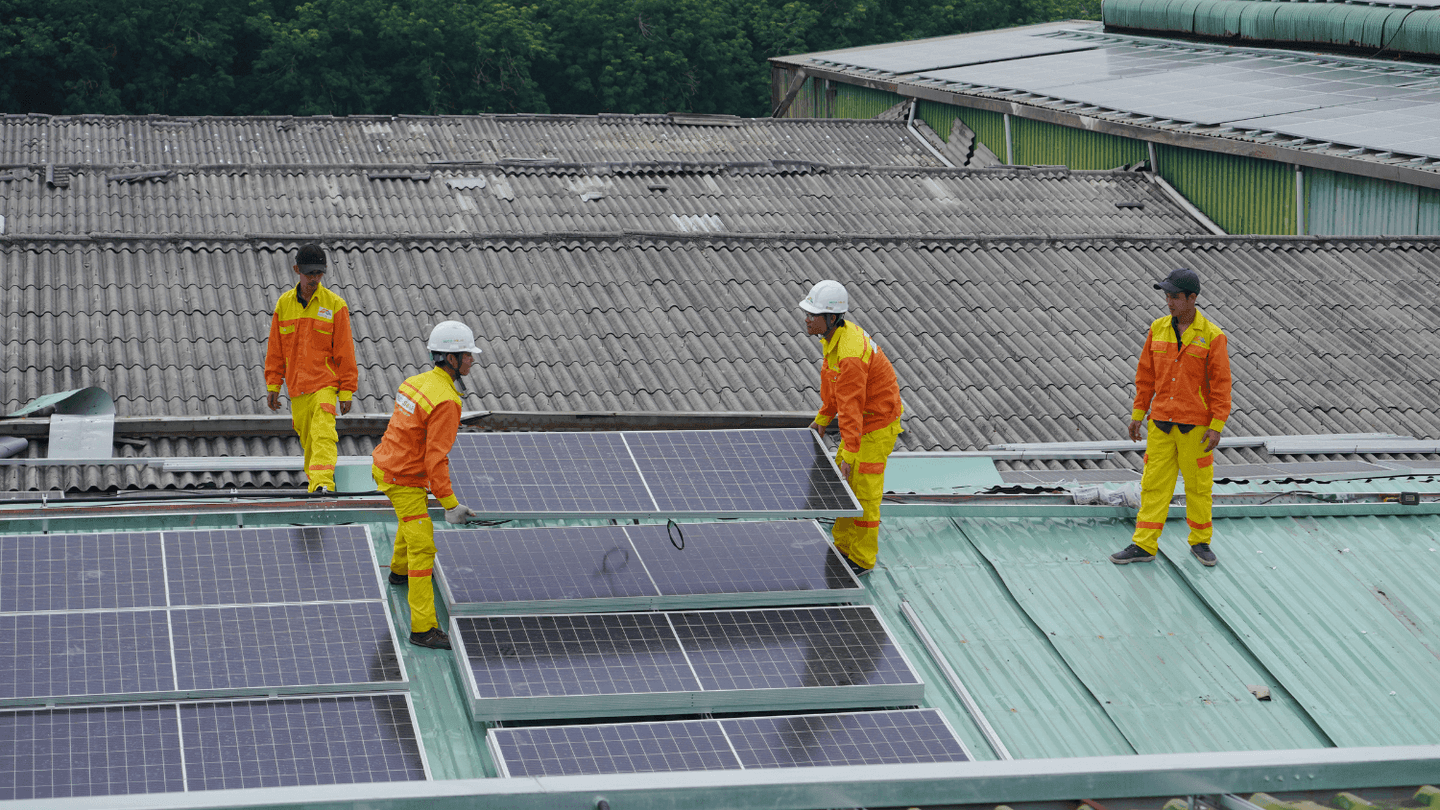
TPRMG has also introduced the RE Tech Mitra initiative, a rural entrepreneurship and skill-development programme under which local youth are trained to support the installation, operation and maintenance of renewable-energy systems and energy efficient machines and appliances.
Such initiatives create local livelihood opportunities while strengthening the long-term sustainability, responsiveness and operational efficiency of renewable-energy assets.
Through its decentralised renewable-energy ecosystem, TPRMG continues to promote rural entrepreneurship, improve productivity and advance India’s transition towards cleaner, more inclusive and energy-independent communities.