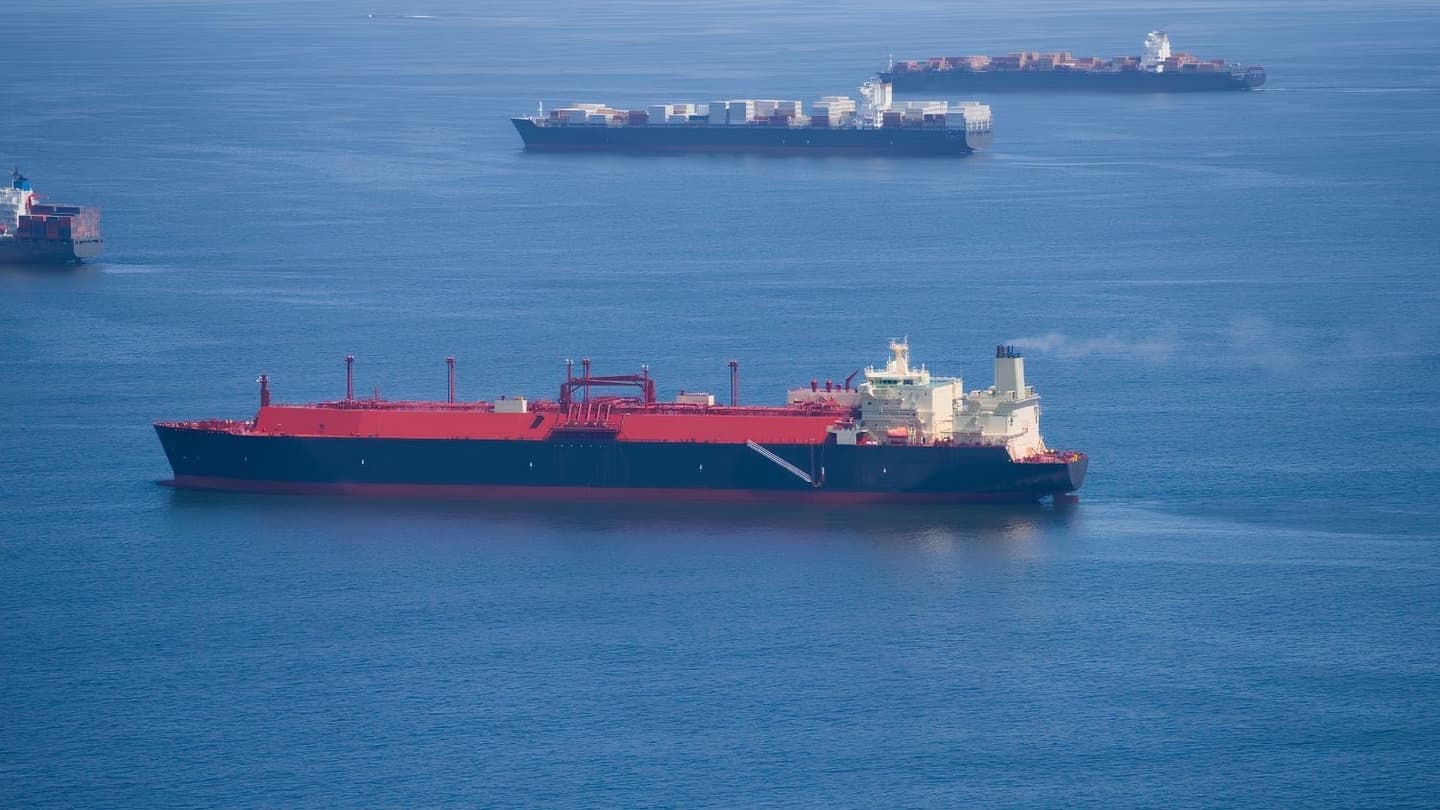
Movements of vessels via the Strait of Hormuz increased significantly on Wednesday, marking its peak since July 14 when 35 vessels crossed the strait following the resumption of LNG tanker traffic amid a gap of more than two weeks, reports ANI quoting an S&P Global report.
Around 60 percent of the total vessels movements on July 29 were Iran-linked vessels, which is slightly lower than the 68 percent average seen earlier in late July.
Total 28 vessels were tracked spanning across bulk carriers, tankers, container ships, landing craft, cargo ships, and tugs. Additionally, out of fifteen ships entering the gulf, seven were operating without AIS signals.
The shipments through the US naval blockade also saw a recovery with 39 ships being tracked on July 29 compared with 25 a day earlier. Among them, 22 ships headed inbound toward the Gulf of Oman, including Voyager Haven, a product tanker subject to US sanctions.
Furthermore, the report also mentioned an increase in vessel movements in the Red Sea. vessel transit through the Bab el-Mandeb Strait increased to 39 ships on July 29, up from 34 the prior day, comprising 18 northbound and 21 southbound vessels. Yet, only three ships were reportedly called at or stopped at the Saudi Red Sea ports.
Meanwhile, there has been an increase in dark activity, majorly driven by the Saudi-owned ships turning off their AIS tracking systems while passing through the Gulf of Aden.
S&P Global also observed that four Very Large Crude Carriers (VLCC) moved to Egypt's Sidi Kerir terminal through the Suez Canal following loading at Yanbu, Additionally, at least six other VLCCs reportedly headed to Sidi Kerir from the Middle East Gulf and Asia or diverting via the Cape of Good Hope.
The report further added that increase in concentration of VLCCs at Sidi Kerir was significant as most fully laden tankers cannot navigate the Suez Canal without lightering or partial discharge, making voyages more complex and expensive.