Conflict-driven volatility in global energy markets underscores the risks of continued dependence on fossil fuels and highlights the strategic value of renewable energy, the United Nations’ top climate official said on Monday.
Speaking at the 2026 Green Growth Summit in Brussels, Simon Stiell, Executive Secretary of the UN Framework Convention on Climate Change (UNFCCC), said geopolitical shocks repeatedly expose the vulnerabilities of fossil fuel-dependent energy systems.
“Renewables turn the tables,” Stiell said in a keynote address to European climate and environment ministers, businesses, investors and other stakeholders attending the summit.
“Sunlight doesn’t depend on narrow and vulnerable shipping straits, wind blows without massive taxpayer-funded naval escorts and renewable energy allows countries to insulate themselves from global turmoil and to side-step might-is-right politics,” he said.
According to Stiell, fossil fuel dependence exposes economies to geopolitical shocks and rising energy costs.
“Fossil fuel dependency is ripping away national security and sovereignty and replacing it with subservience and rising costs,” he said.
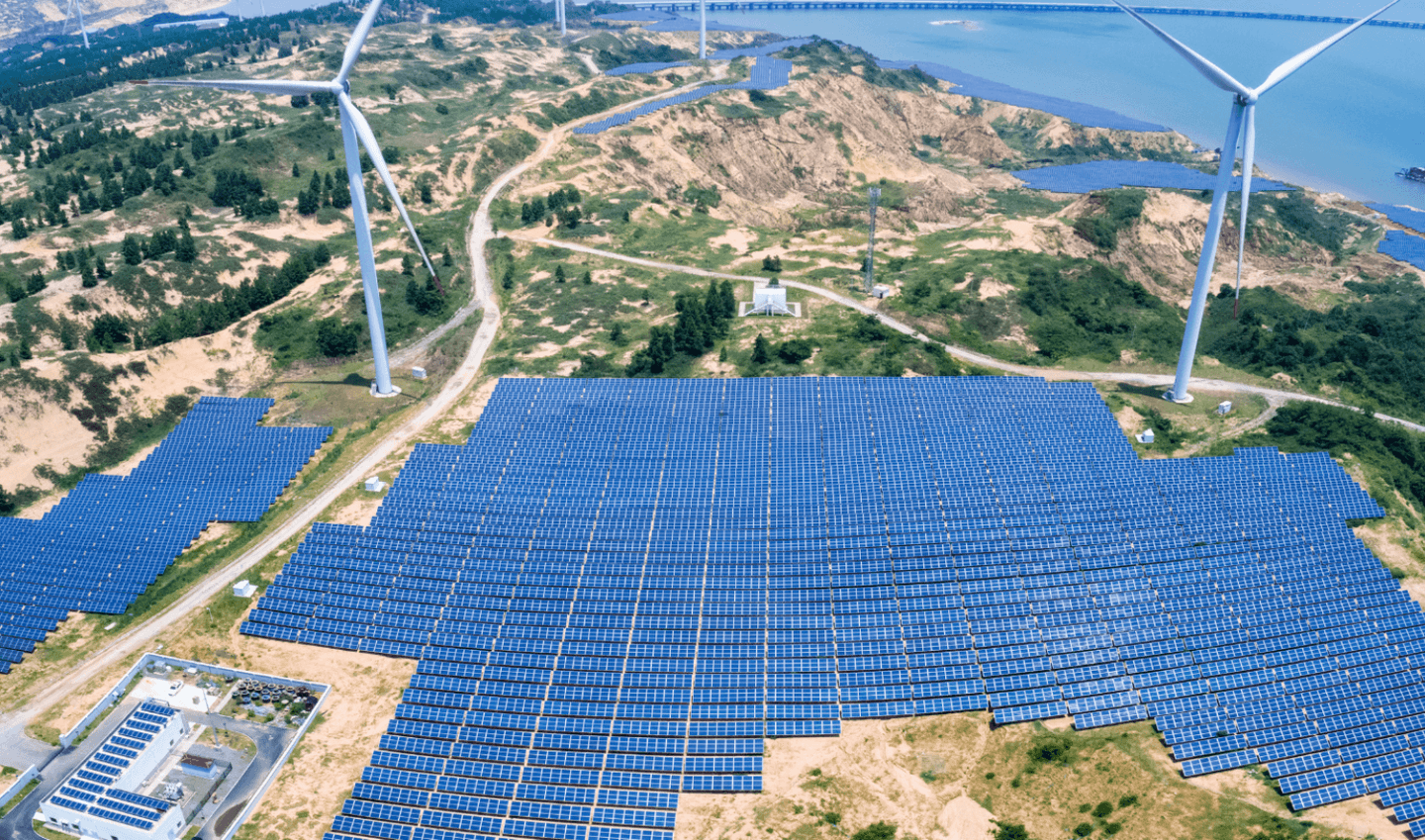
He added that expanding renewable energy can strengthen energy security while creating jobs, improving public health and lowering energy bills.
“Renewables and resilience keep bills down and create far more jobs,” he said.
Warning against calls to slow the transition away from fossil fuels, Stiell said repeated energy crises demonstrate the risks of relying heavily on imported fuels.
“Some responses to the fossil fuel crisis argue for doubling down on the cause of the problem and slowing the shift to renewable energy even though it is clearly cheaper, safer and faster to market,” he said.
“This is completely delusional because history tells us this fossil fuel crisis will happen again and again.”
Stiell noted that the European Union spent more than €420 billion on fossil fuel imports in 2024, highlighting the scale of the region’s dependence on imported energy.
At the same time, global investment in clean energy is accelerating. Stiell said renewables overtook coal as the world’s largest source of electricity in 2025, while global clean energy investment exceeded $2 trillion.
He said Europe could capture a significant share of the growing clean energy economy by accelerating green growth policies and supporting innovation in low-carbon industries.