With most of India's railway network already electrified, hydrogen trains are emerging not as a replacement for electrification, but as a pragmatic low-carbon solution for diesel-dependent routes where overhead wiring remains technically, economically or environmentally unviable.
India has electrified most of its railway network, and rightly so — it is the cheapest and most efficient way to decarbonise rail transport at scale. But electrification has limits. Hilly and forested terrain, much of it in states where protecting green cover is a policy priority, remains difficult and expensive to string with overhead wires. Diesel locomotives still run on these routes today. That is the gap hydrogen is built to fill.
Let me be clear about where hydrogen fits and where it does not. On already-electrified routes, hydrogen makes little sense: converting electricity into hydrogen and back into motive power involves real efficiency losses. But on routes that cannot realistically be wired up, hydrogen fuel cells offer a genuine path to green mobility. In hilly regions, that hydrogen can even be produced locally — from biomass, or from electrolysers run on local solar and wind power — or shipped in from nearby production hubs. For this, the Government of India and Indian Railways deserve real credit for pushing ahead.
Hydrogen trains will cost more to run than diesel or electric ones for now, simply because of the energy lost in producing and converting hydrogen. But India is not starting from zero. Under the National Green Hydrogen Mission, we are already producing green hydrogen at among the lowest costs anywhere in the world, and government support for electrolyser manufacturing, subsidies, and R&D should push costs down further still. The opportunity extends well beyond railways: heavy-duty trucking is a natural fit for hydrogen too, since batteries heavy enough to power a long-haul truck eat into the cargo capacity that makes the truck worth running in the first place.
Electrolyser manufacturing capacity is expanding across the country, and the supply chain for hydrogen compressors and storage is following it — including the Type-IV cylinders these trains rely on, which are expected to be built domestically. One American compressor manufacturer already produces components in Kochi and is likely to scale that up. Given India's cost advantage over Western manufacturers, I would not be surprised to see the country become a net exporter of electrolysers and compressors within the next decade.
The safety concerns people raise are understandable but often overstated. Hydrogen is an extremely light gas — if it leaks, it rises and disperses into the atmosphere rather than pooling at ground level, which is part of why many engineers consider it safer than petrol in practice. What matters is getting the basics right: reliable leak detection and adequate ventilation. India's new train has been built with the required sensors and safety systems, and RDSO and the other agencies involved have had the benefit of watching Germany, China, Japan and the US run their own hydrogen trains before us. What sets India's effort apart is scale: at ten coaches, this is the longest hydrogen train launched anywhere so far.
Green hydrogen is going to be an important lever for decarbonising several sectors of the Indian economy, in line with our Nationally Determined Contributions. There are ambitions here too, of becoming a major exporter of green hydrogen, green ammonia and green methanol, and the Ministry of New and Renewable Energy has taken meaningful steps in that direction. In the near term, I think it is reasonable to build out hydrogen infrastructure using hydrogen from a mix of production pathways, and shift that mix towards green hydrogen as costs fall — rather than waiting for perfect green hydrogen before building anything at all. From where the Hydrogen Association of India sits, the priority right now is building the infrastructure quickly. Affordability, and wider adoption, will follow.
“From where the Hydrogen Association of India sits, the priority right now is building the infrastructure quickly. Affordability, and wider adoption, will follow”
This new train is a pilot. The real test ahead is turning it into something that scales commercially across every route in India that diesel still serves — and I am confident that is exactly where this is headed.
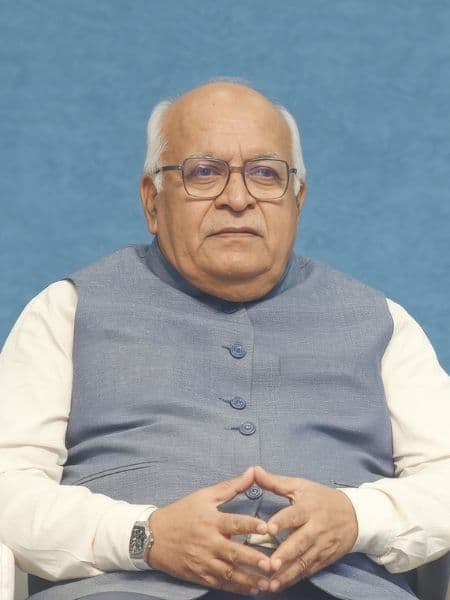
The author is President, Hydrogen Association of India. Views are his own