Powertrac Enters BESS Sector with Proposed 10 GWh Manufacturing Facility in Gujarat
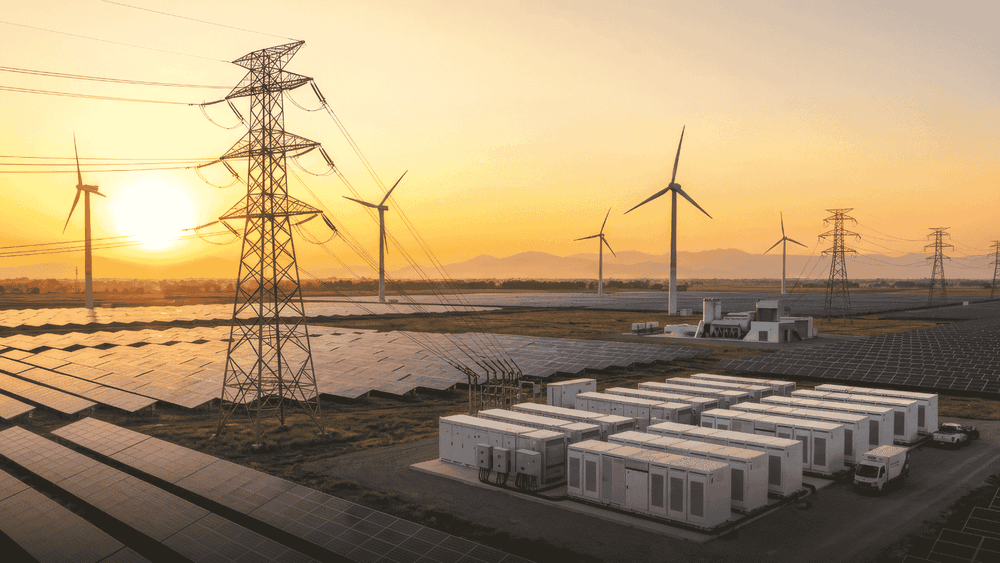
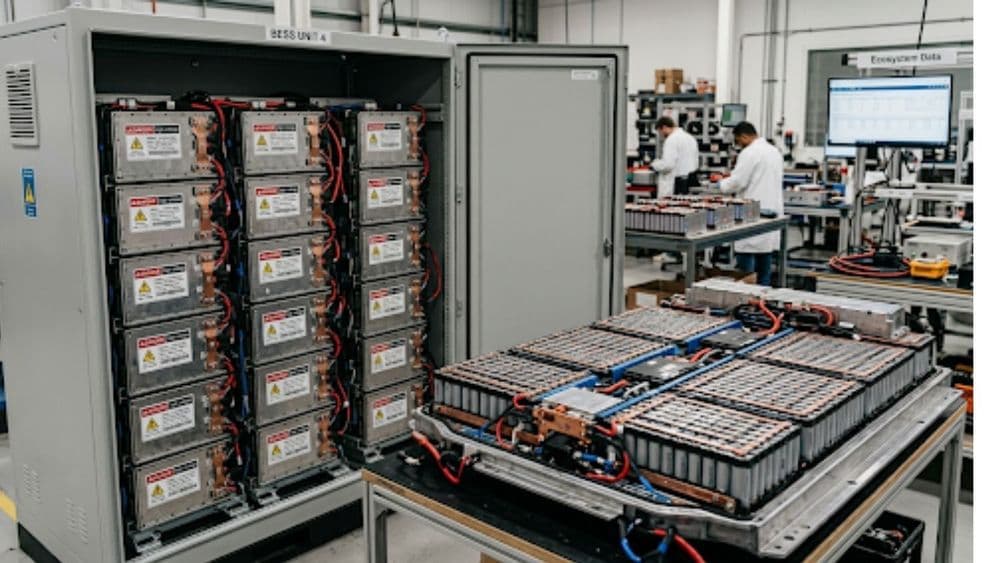
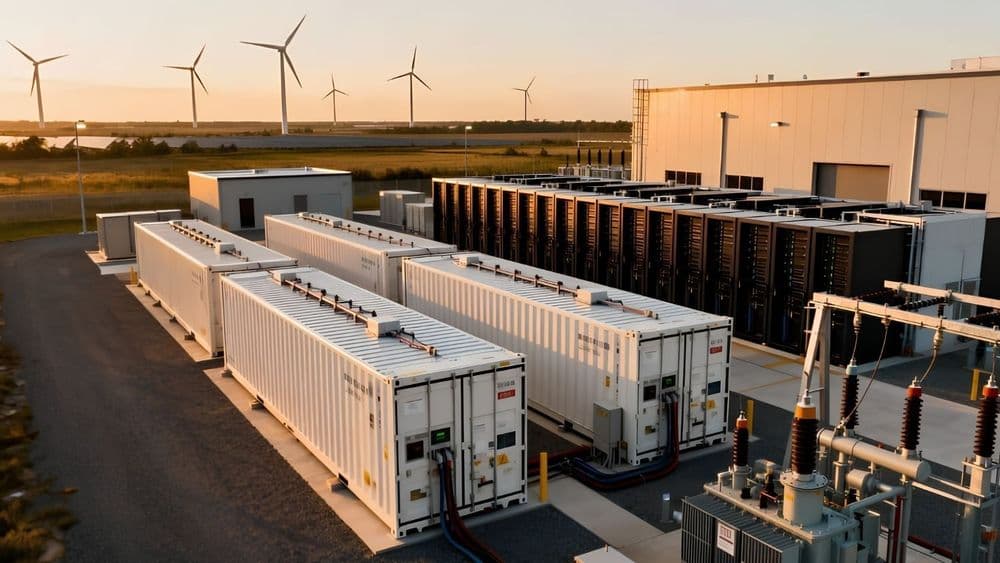
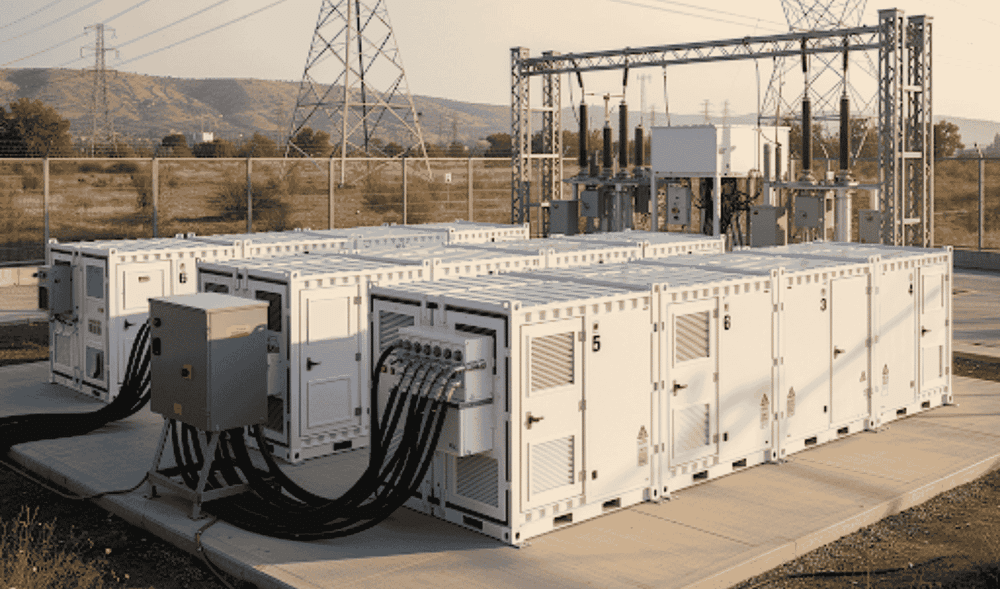
Powertrac has entered the BESS sector with a proposed 10 GWh manufacturing facility in Gujarat and placed an equipment order with China’s Sunka Lead.

All content tagged with “BESS” - 31 items

Powertrac has entered the BESS sector with a proposed 10 GWh manufacturing facility in Gujarat and placed an equipment order with China’s Sunka Lead.


Urban mining is emerging as a strategic pillar of energy security, turning end-of-life batteries into a valuable source of critical minerals, while strengthening circularity, resource resilience and India’s clean energy ambitions.

As India races to establish a globally competitive battery manufacturing ecosystem, the conversation has shifted from capacity announcements to building an integrated value chain spanning cells, materials, technology and energy storage systems. Against this backdrop, ENERGDIVE sat down with Mithil Gandhi, Global Head – Business Development (BESS), Waaree Energies Ltd, to discuss the industry's evolving priorities, policy landscape, investment outlook and the road ahead for India's battery manufacturing ambitions.

ACME Solar Holdings has secured ₹1,571 crore in long-term project financing from IIFCL for its 300 MW assured peak power project in Rajasthan. The project, backed by a 25-year SECI PPA, will integrate solar generation with 1,350 MWh of BESS to support predictable and dispatchable power supply.

Roofsol Energy has signed a PPA with Associated Capsules Group for a 5 MWp solar project paired with a 4 MWh BESS in Maharashtra, marking its entry into India’s commercial and industrial renewable energy segment.

Building renewable capacity is no longer India's biggest challenge; expanding transmission, scaling storage and securing firm power now define the country's path to a resilient, low-carbon electricity system.

Solaryaan has unveiled its largest inverter portfolio, featuring hybrid and All-in-One inverters, microinverters and BESS solutions for residential, commercial and industrial applications. The portfolio includes three-phase hybrid inverters, energy storage systems and microinverters designed to support solar generation, storage and energy management.

Gujarat Urja Vikas Nigam has issued a tender for 4,000 MWh of standalone BESS capacity connected to the state grid to meet distribution companies’ peak and off-peak requirements.

Ola Electric has introduced its Shakti energy storage portfolio, expanding its battery business beyond electric mobility into residential, commercial and utility-scale applications.

Octillion Power Systems has commissioned its third manufacturing facility in Halol, Gujarat, spanning more than 13,000 square metres. The plant will manufacture over 48,000 battery systems annually at full capacity, potentially taking the company’s combined India capacity above 150,000 battery systems and around 9 GWh.

NTPC Simhadri Thermal Power Station will assess indigenous iron-air battery technology for long-duration energy storage applications. The project will be implemented by AIC-AU with technology partner Meine Electric to evaluate technical performance, operational reliability and system characteristics under real-world utility conditions.

Ola Electric founder Bhavish Aggarwal has hinted at multiple product launches and fresh details on Ola Energy during an online announcement scheduled for Independence Day.

The Maharashtra Electricity Regulatory Commission has approved BEST’s procurement of 220 MW solar power with a 110 MW/440 MWh battery energy storage system through SECI, supporting the utility’s Renewable Purchase Obligation and Energy Storage Obligation compliance.

The Central Electricity Authority has proposed new grid connectivity regulations introducing stricter technical standards for renewable energy, battery storage and inverter-based resources, while strengthening cybersecurity and grid reliability requirements across India's power sector.

Serentica Renewables has commissioned the first 200 MWh phase of its 1 GWh Battery Energy Storage System (BESS) in Bikaner, Rajasthan. The project will support round-the-clock renewable power for commercial and industrial consumers while strengthening grid reliability and renewable energy integration.

The government has floated bids for 10 GWh of grid-scale battery storage manufacturing under the ACC PLI scheme to strengthen domestic energy storage and renewable integration.

Tata Power will invest ₹300 crore in 100 MW/200 MWh of battery energy storage systems across Mumbai to enhance grid stability, meet rising electricity demand and support urban infrastructure growth.

India must scale battery energy storage capacity to 888 GWh by FY36, with strong growth in installations and tenders highlighting the sector's rapid expansion.

The government plans a 1–5 star energy-efficiency rating system for solar and energy storage batteries, with the framework expected to be finalised by September.

Adani Green Energy Ltd has commissioned a 150 MW solar power project in Khavda, Gujarat, taking its total operational renewable energy capacity to 19,985.8 MW. The company also announced an active battery energy storage capacity of 3,366 MWh, strengthening its clean energy and grid stability initiatives.

Envision Energy has secured a 660 MWh battery energy storage system (BESS) order for South Africa's Naos-1 project through an agreement with SOLA Group and WBHO. The company will also provide long-term technical support and maintenance under a 25-year agreement.

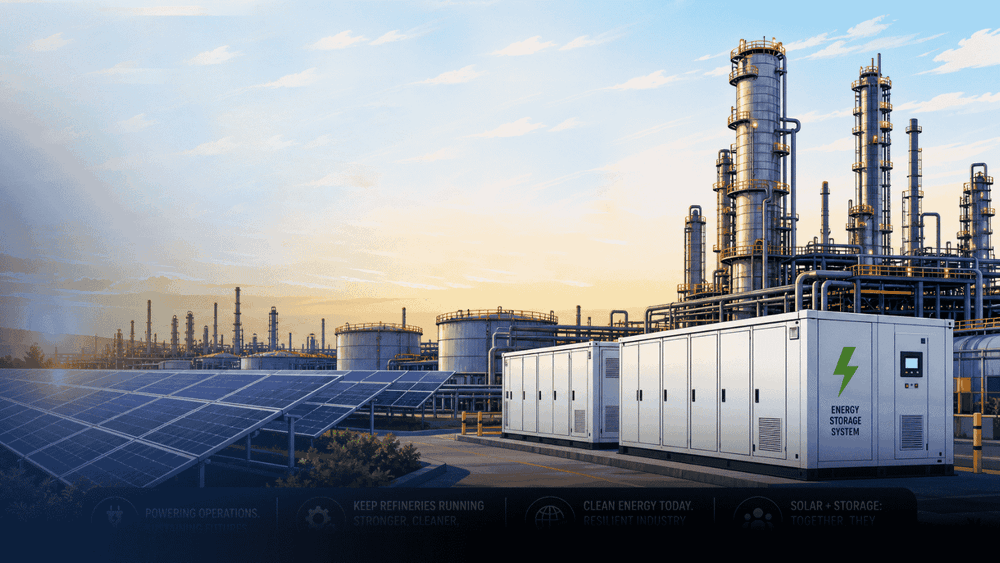
As downstream companies rethink energy economics and operational resilience, solar-plus-storage is emerging as a strategic pillar of the refinery transition.

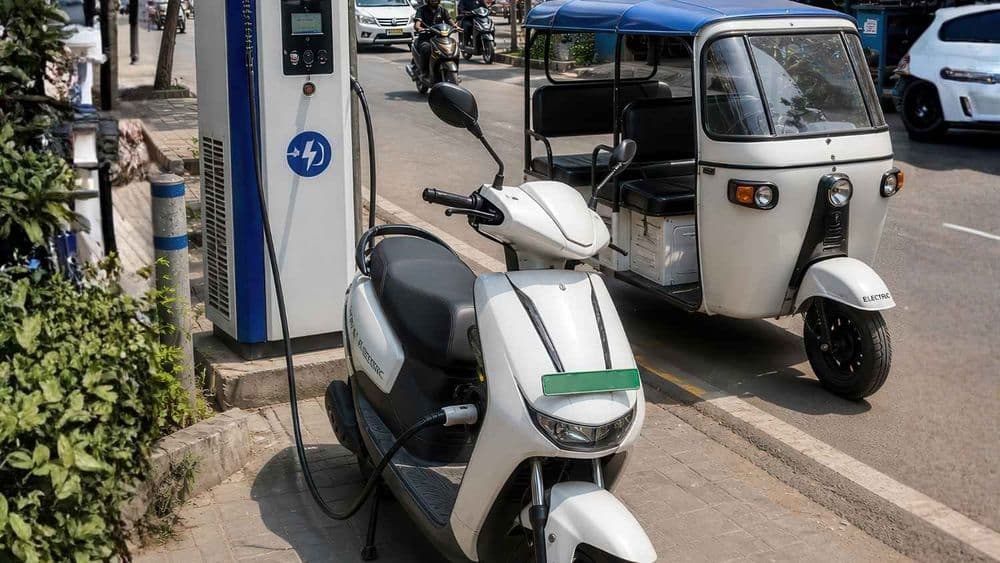
Centre extends PM E-DRIVE scheme to accelerate EV adoption, strengthen domestic clean mobility manufacturing and reduce import dependence in critical minerals and EV supply chains.

As India races towards its 500 GW non-fossil fuel target, wind energy is quietly reasserting itself as a strategic pillar of the transition. Beyond capacity addition, the real story lies in industrial depth, supply chain resilience and global competitiveness. In an interview with ENERGDIVE, Aditya Pyasi, CEO, Indian Wind Turbine Manufacturers Association, explains how India’s wind sector aims to scale, innovate and compete with global manufacturing leaders.

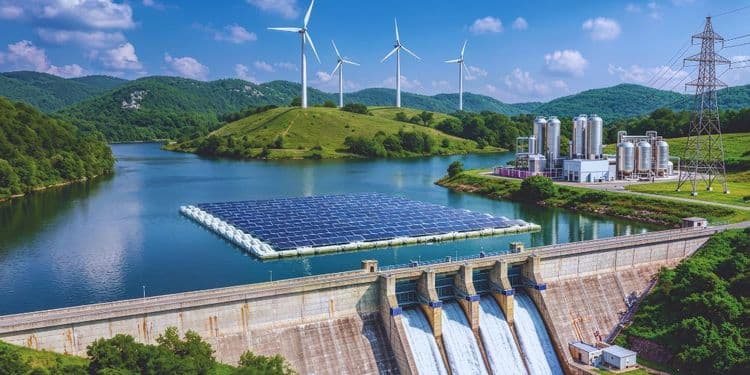
Rising demand, limited intra state generation and land constraints are shaping Kerala’s energy transition, as the state expands distributed renewables, strengthens grid management and explores hydrogen to extend the system beyond electricity.

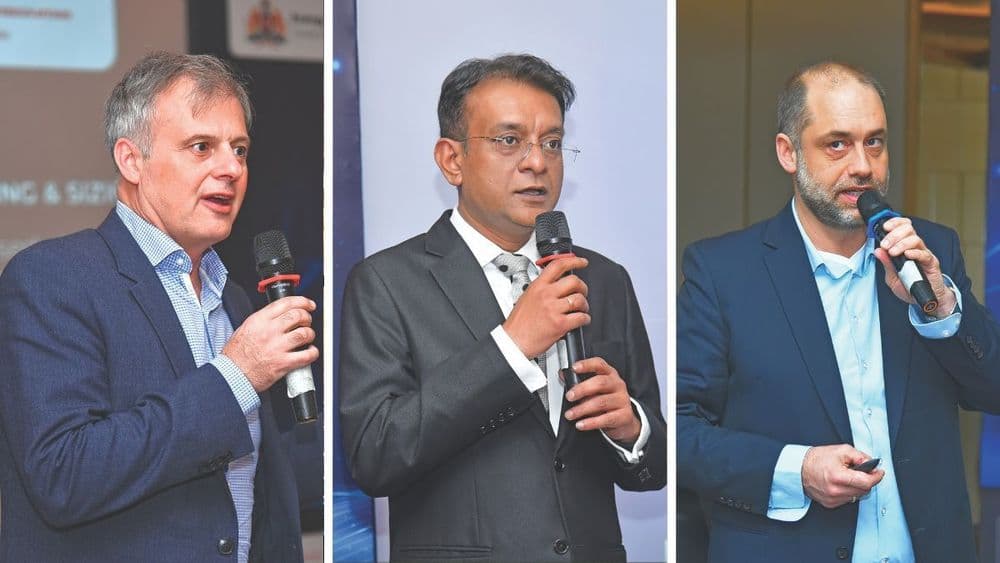
A capacity building programme in Karnataka brought together state energy institutions and Danish experts to examine the operational, market and regulatory challenges of integrating high shares of variable renewable energy, drawing on Denmark’s long transition experience and Karnataka’s rapid renewable expansion.

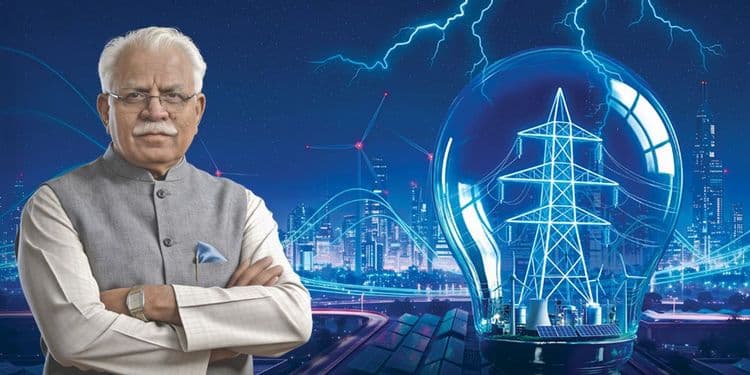
Under the stewardship of Union Power Minister Manohar Lal, India’s electricity system is transitioning beyond InFrom repairing a strained and uneven system to engineering a renewable-dominant grid at unprecedented scale, India’s power sector is pivoting from expansion to orchestration, managing demand growth, financial discipline, flexibility and storage as it advances towards 500 GW and beyond.

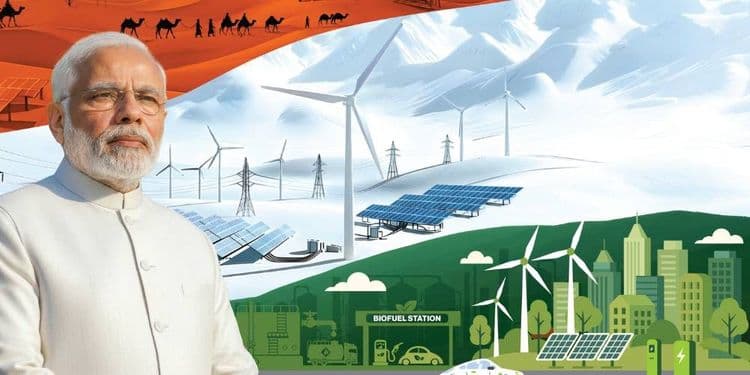
When Narendra Modi became Prime Minister in 2014, India’s energy sector was troubled by shortages and inefficiencies; a decade later, reforms have driven major progress towards clean energy leadership.

India’s clean energy ambitions now hinge on grid flexibility and advanced storage. Embedding these solutions can build a reliable, future-ready power system.

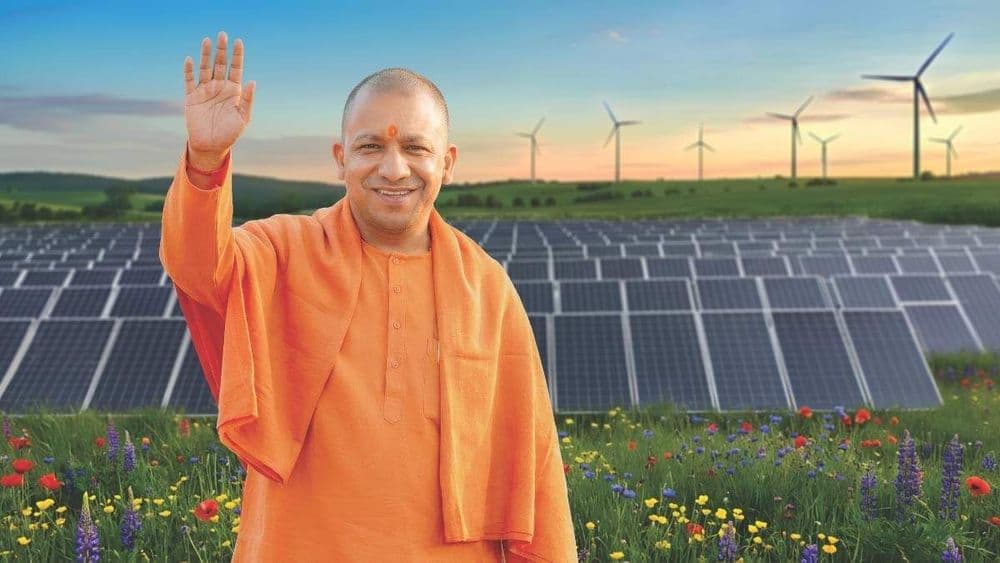
Once defined by chronic power cuts and slow execution, Uttar Pradesh is today scripting one of India’s boldest turnarounds.