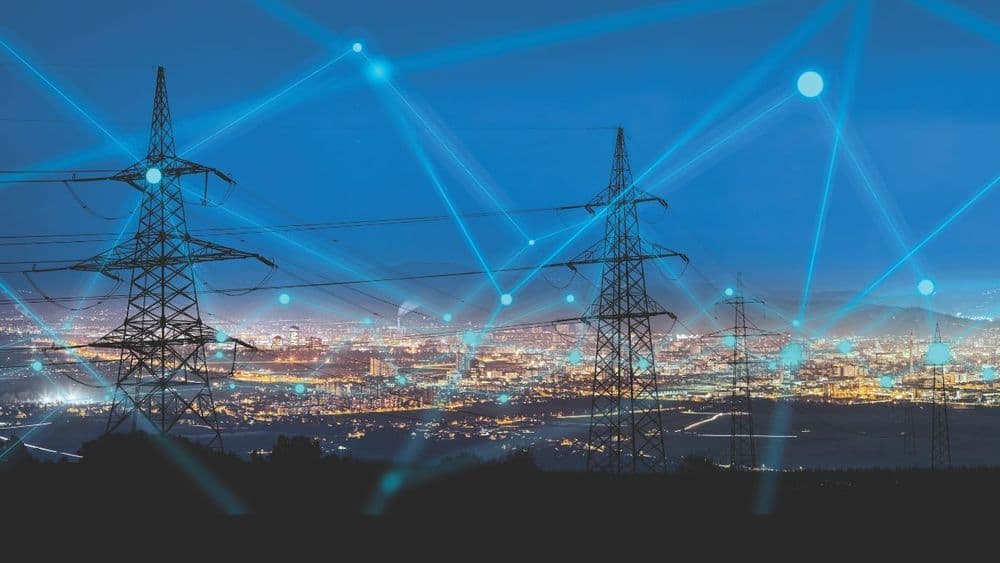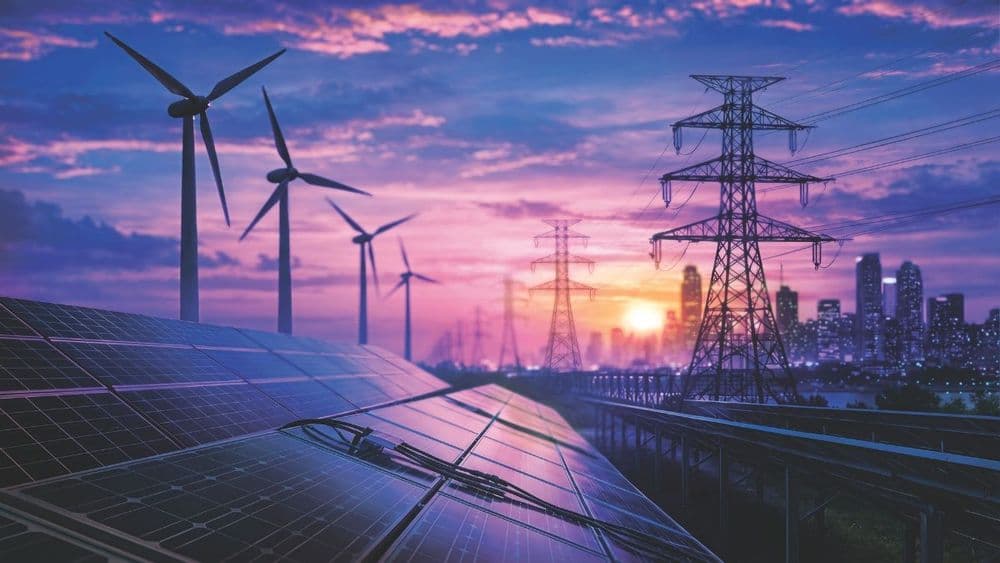
The Next Power Challenge
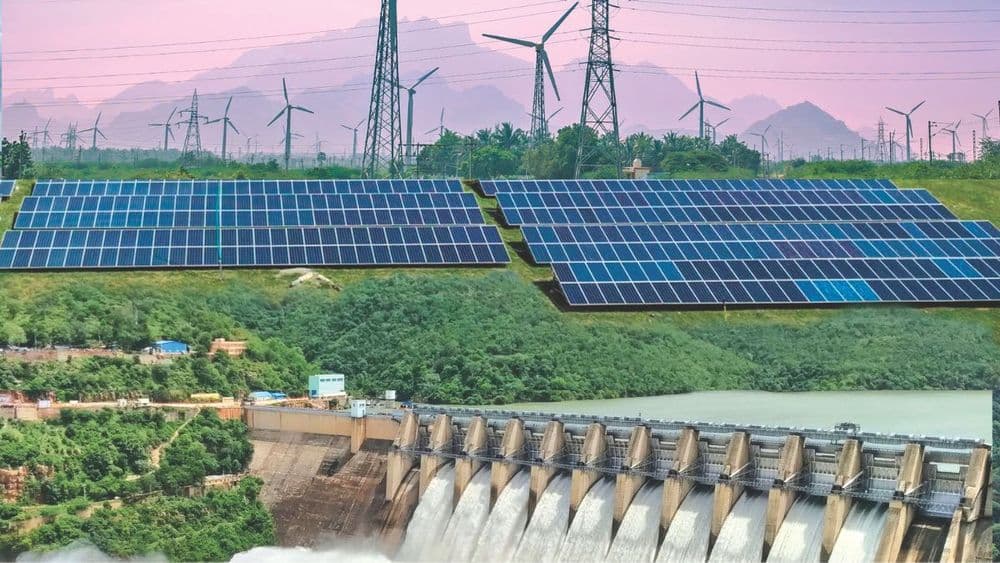
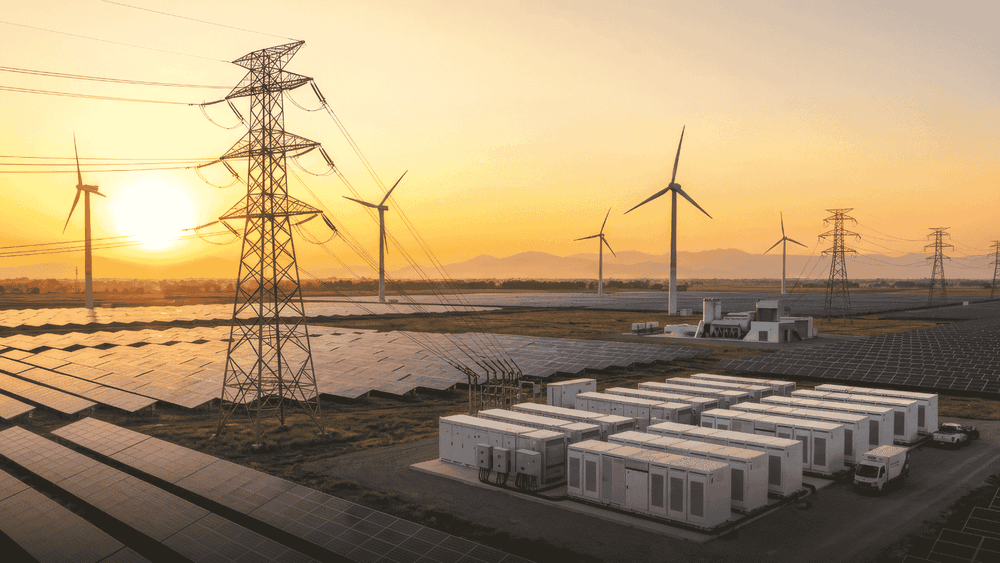
Building renewable capacity is no longer India's biggest challenge; expanding transmission, scaling storage and securing firm power now define the country's path to a resilient, low-carbon electricity system.
All content tagged with “Electricity Markets” - 20 items

Building renewable capacity is no longer India's biggest challenge; expanding transmission, scaling storage and securing firm power now define the country's path to a resilient, low-carbon electricity system.

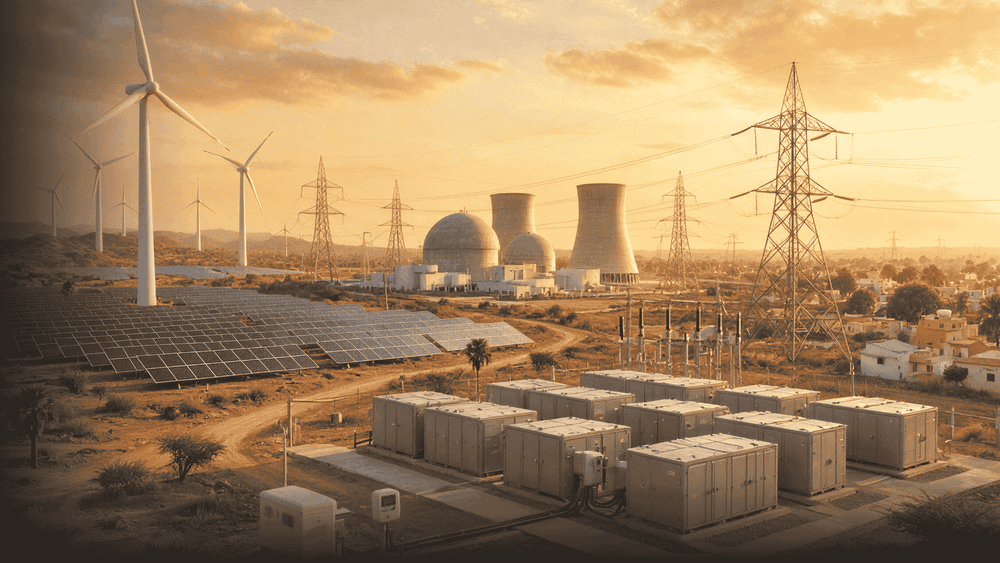
India’s Viksit Bharat journey will depend on a power system that can orchestrate generation, transmission, storage, markets and capability at unprecedented scale.

A series of government plans released over the past two years charts the most ambitious expansion of India's electricity system since Independence, combining clean energy, nuclear power, transmission, storage and distribution reforms to support a developed economy by 2047.

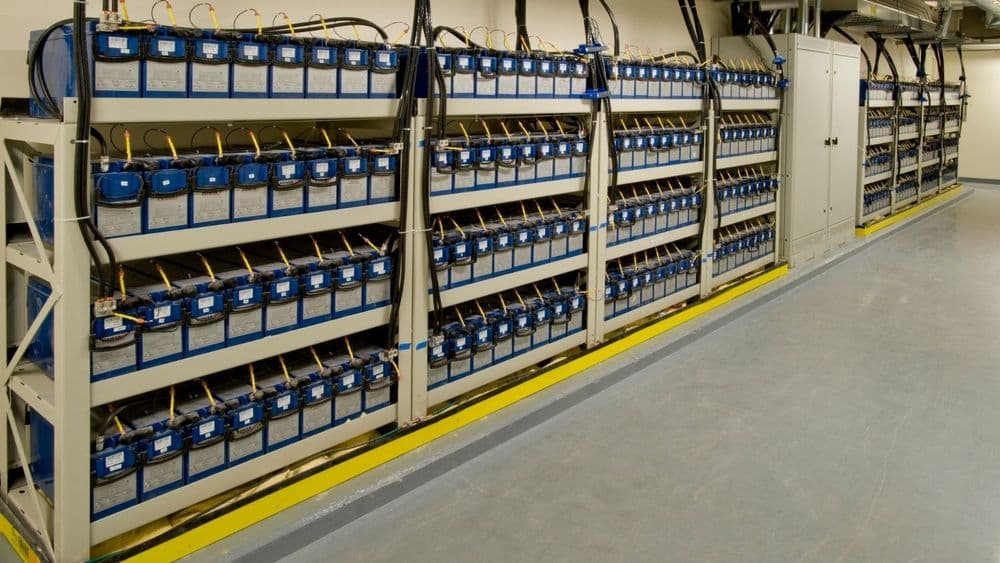
Octillion Power Systems has commissioned its third manufacturing facility in Halol, Gujarat, spanning more than 13,000 square metres. The plant will manufacture over 48,000 battery systems annually at full capacity, potentially taking the company’s combined India capacity above 150,000 battery systems and around 9 GWh.

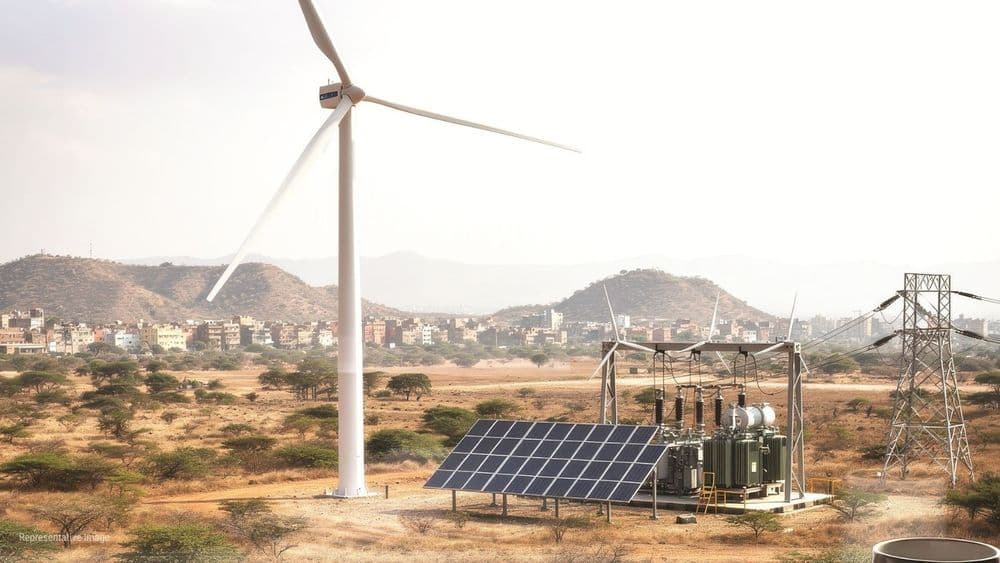
The Ministry of New and Renewable Energy has amended its prototype wind turbine guidelines, allowing DISCOMs and other eligible entities to procure scheduled power from prototype wind turbine models while introducing revised commissioning and ALMM compliance requirements.

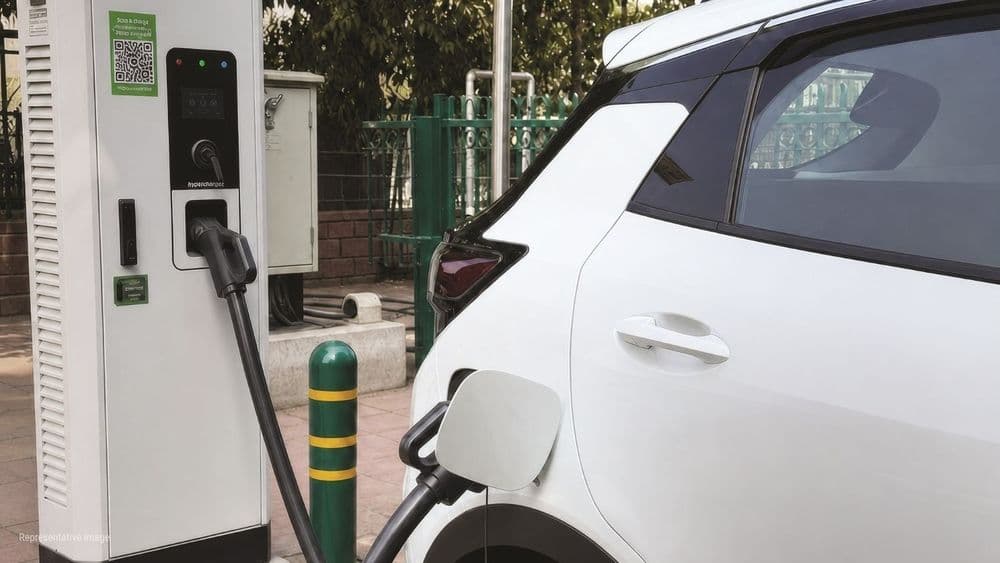
The Delhi government has notified the Delhi Electric Vehicles Policy 2026, introducing incentives, charging infrastructure expansion and a phased transition away from select petrol and CNG vehicle registrations to accelerate EV adoption.

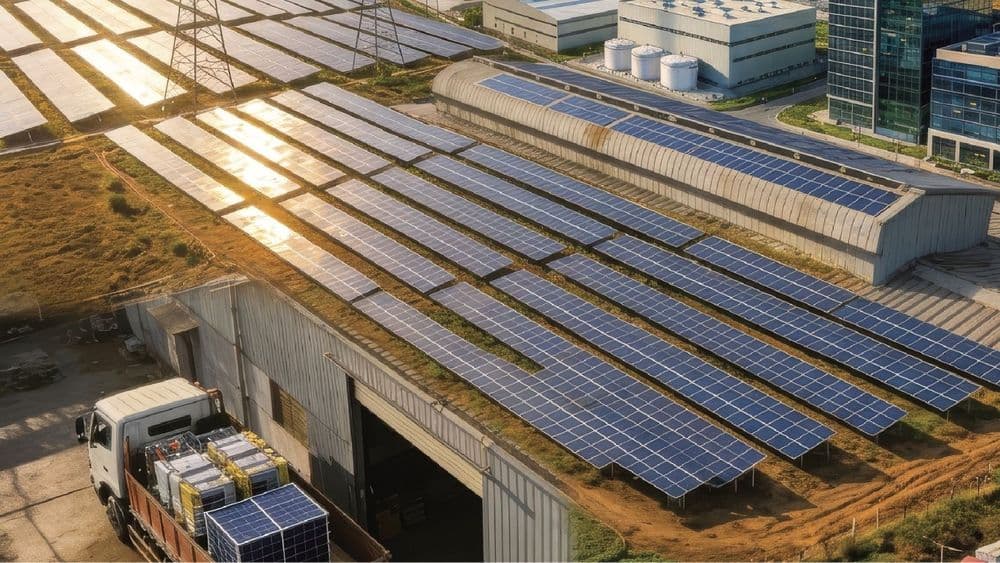
Maharashtra has overtaken older solar leaders to become India's third-largest solar market, with growth now driven less by sunshine and land than by its factories, data centres and corporate power buyers.

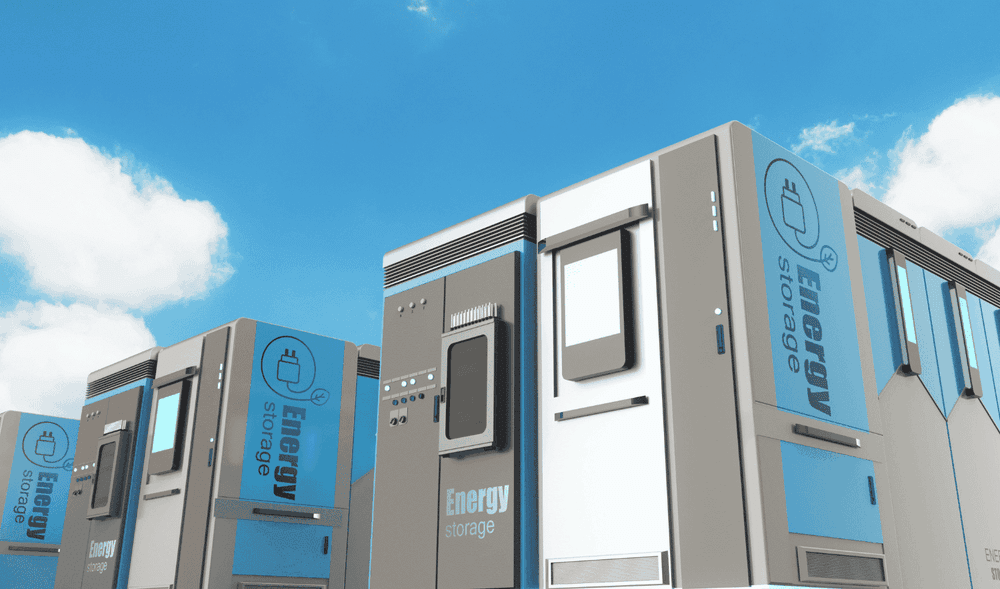
India must scale battery energy storage capacity to 888 GWh by FY36, with strong growth in installations and tenders highlighting the sector's rapid expansion.

The government has notified Coal Exchange Rules, 2026 to strengthen energy security, support industrial growth and contribute to the vision of Viksit Bharat through and a future-ready energy sector.

India successfully meets all-time high peak electricity demand of 256 GW without shortage, signalling improved grid resilience and capacity.

As global electricity demand rises with the expansion of renewables, electrification and data-centre growth, power grids are facing increasing pressure to modernise. Simon Evans, Director & Global Digital Energy Leader at Arup sat down with ENERGDIVE to discuss the urgent need for grid modernisation, digital infrastructure, interoperability and governance as electricity systems adapt to rising demand from renewables, electrification and data centres.

India notifies Electricity (Amendment) Rules, 2026, easing captive power norms, recognising group structures, enabling flexible usage, and introducing verification mechanisms to boost industrial competitiveness and investment in non-fossil power projects.

IEA says over 40 energy assets across nine countries have been severely damaged, warning of prolonged supply disruptions and impact on global energy flows.

The country’s power sector has achieved scale; sustaining reliability in a renewable-heavy, digitally evolving grid will now define its long-term trajectory.

January 2026 data reflects steady refining activity, sustained import reliance in oil and gas, full peak power demand fulfilment, continued solar capacity expansion, and ongoing smart metering rollout, indicating operational stability across India’s energy value chain.

The new draft National Electricity Policy (NEP) 2026 signals a structural shift from capacity expansion to financial discipline, renewable integration, market reform and digital sovereignty, as India prepares its power sector for the demands of Viksit Bharat @2047.

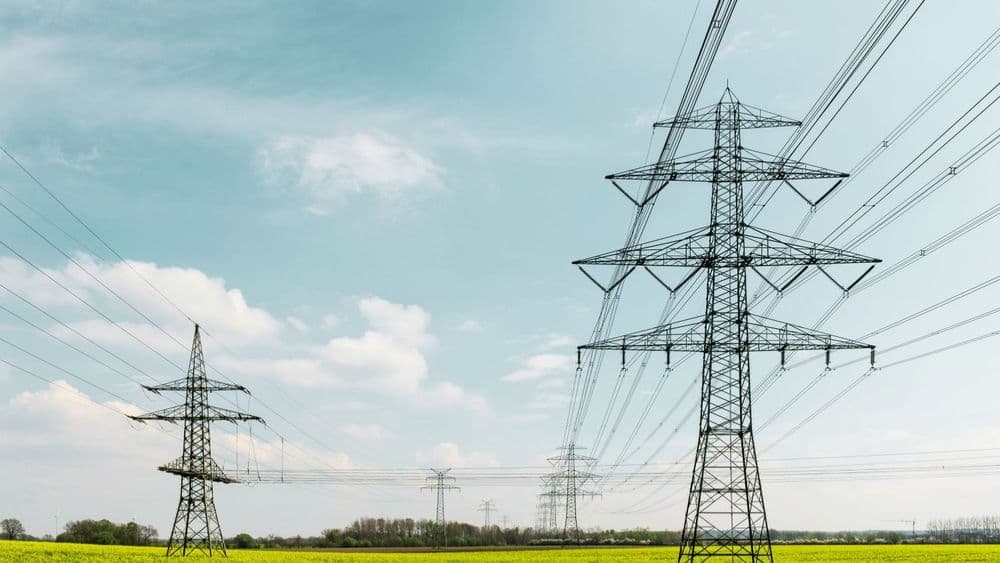
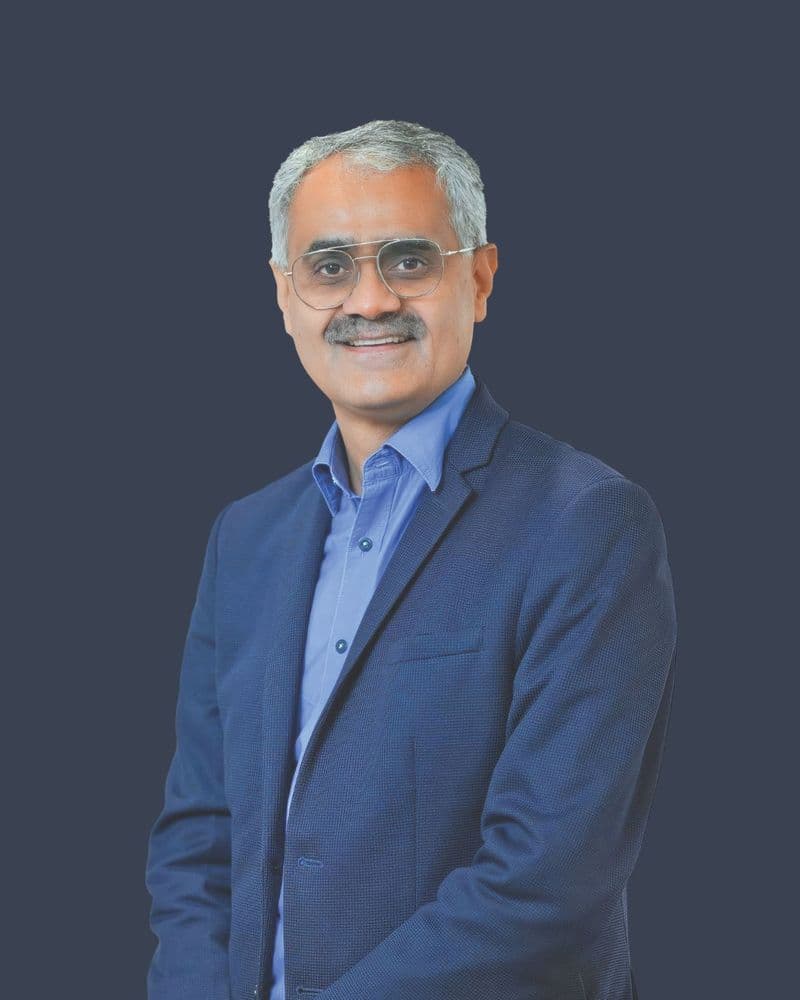
As India advances towards 500 GW of renewable capacity, transmission infrastructure is emerging as the critical backbone of the energy transition. Arun Sharma, CEO, Resonia Ltd, sat down for an interview with ENERGDIVE to discuss execution priorities, regulatory coordination, productivity benchmarks, and the role of technology in sustaining clean energy growth.

Rising electricity demand, decarbonisation imperatives, energy security concerns and grid resilience needs are reshaping global power strategies. Small Modular Reactors (SMR) are advancing from concept to early deployment across North America and Europe. In an interview with ENERGDIVE, Ted Jones, Senior Director for National Security and International Programs at the US-based Nuclear Energy Institute explains why regulatory clarity, financing certainty and design stability are critical to scalable, cost-effective SMR growth.

As one of India’s largest renewable producers, Karnataka is moving into a phase where managing variability, coordination and flexibility defines the next stage of its power transition.