Scripting a Green Hydrogen Playbook
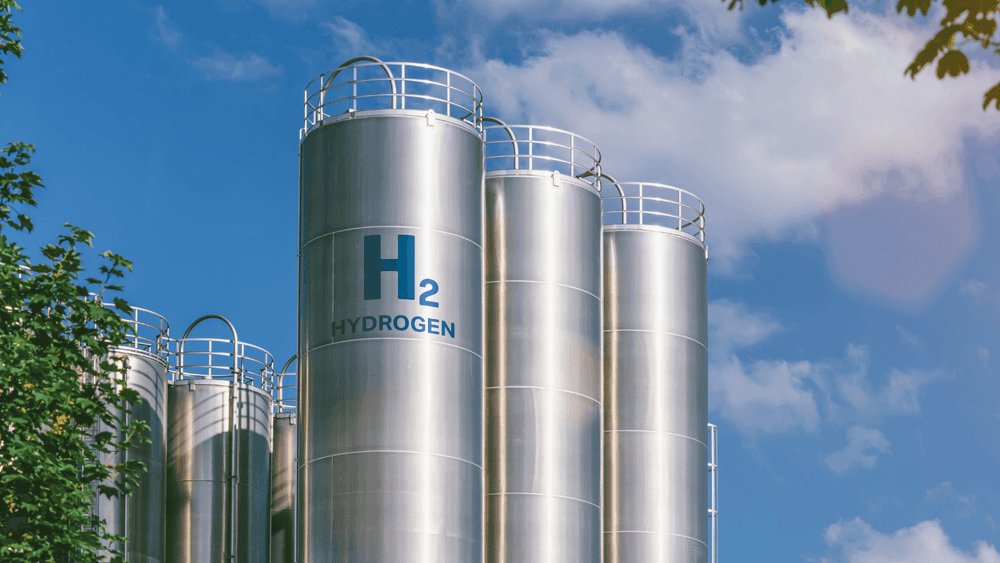
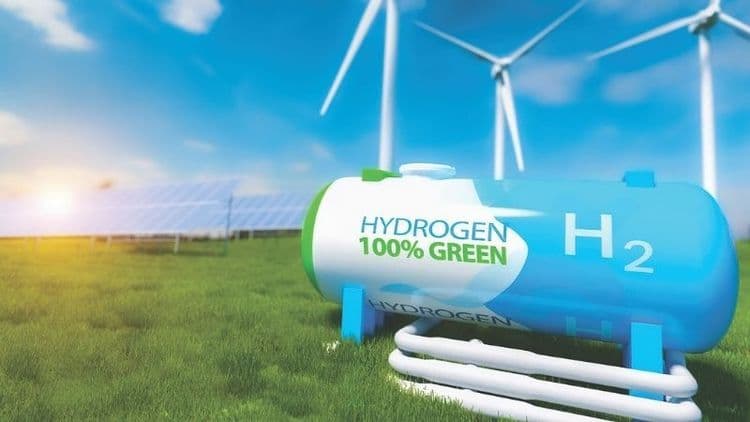
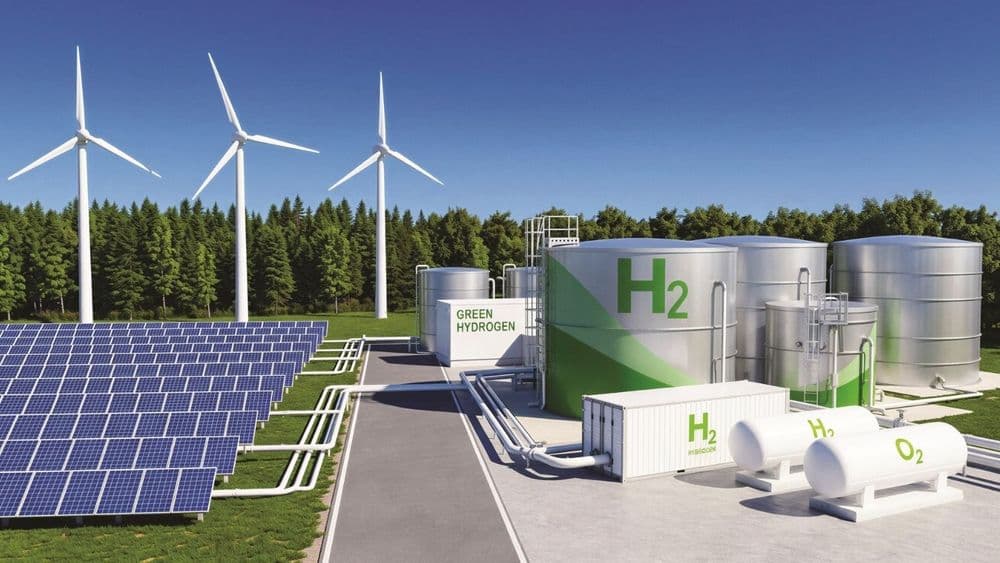
The National Green Hydrogen Mission is building a full ecosystem, from ports and industry pilots to global partnerships, to make green hydrogen a driver of decarbonisation, energy security and industrial growth.
All content tagged with “New Energies- Green Hydrogen” - 29 items
The National Green Hydrogen Mission is building a full ecosystem, from ports and industry pilots to global partnerships, to make green hydrogen a driver of decarbonisation, energy security and industrial growth.

MNRE has launched the Green Hydrogen Certification Portal of India to enable transparent certification and regulatory compliance under the Green Hydrogen Certification Scheme.

With most of India's railway network already electrified, hydrogen trains are emerging not as a replacement for electrification, but as a pragmatic low-carbon solution for diesel-dependent routes where overhead wiring remains technically, economically or environmentally unviable.

Piyush Goyal highlighted investment opportunities for Japanese financial institutions in renewable energy and green hydrogen during discussions in Tokyo.

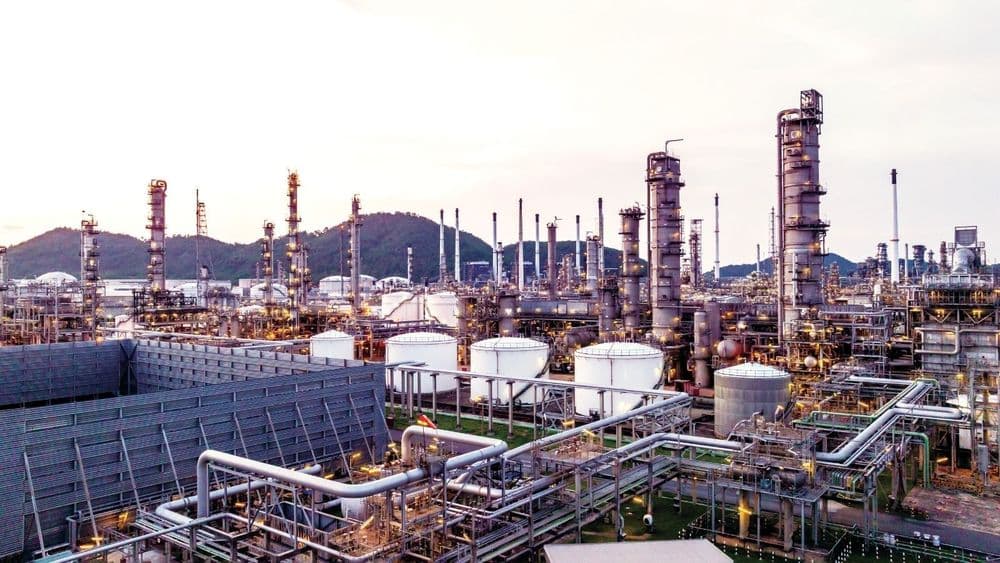
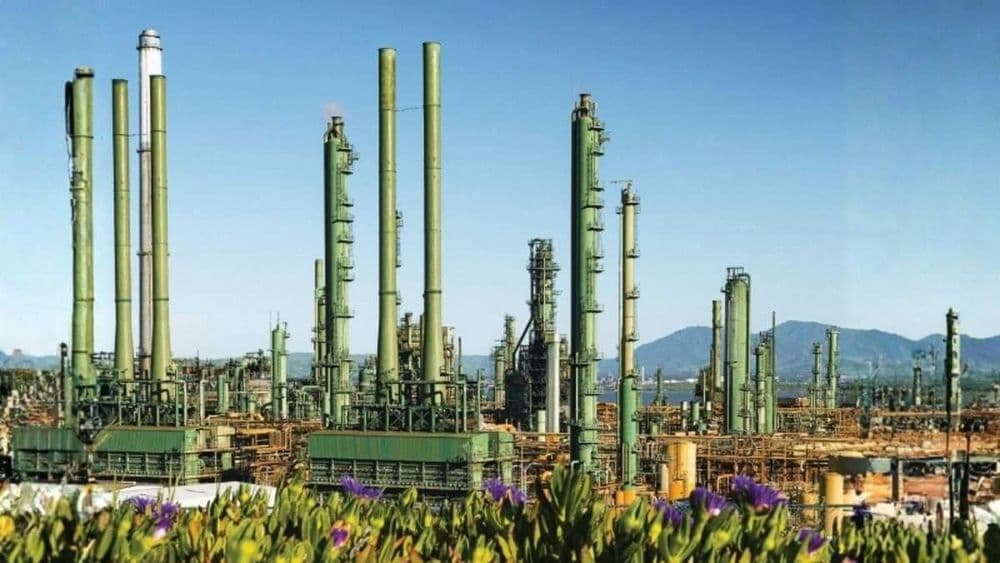
The government has awarded 30 KTPA of green hydrogen production capacity to four refineries under National Green Hydrogen Mission's SIGHT Mode-2B scheme to accelerate green hydrogen adoption in refining sector.

As India's energy landscape undergoes rapid transformation, the downstream sector is being reshaped by decarbonisation, digitalisation and evolving market dynamics. In an exclusive interview with ENERGDIVE, Atanu Mukherjee, CEO, Dastur Group of Companies, explains why the future of energy transition lies beyond electrification alone. He discusses pragmatic decarbonisation, value-added petrochemicals, carbon management, artificial intelligence, energy security and the strategies needed to strengthen India's global competitiveness.

India can reduce sustainable aviation fuel production costs by up to 40% compared with global benchmarks by leveraging low-cost solar power and agricultural residue, according to a new study.

The downstream sector is evolving into a diversified industrial ecosystem driven by petrochemicals, decarbonisation, digitalisation, and circular economy strategies.

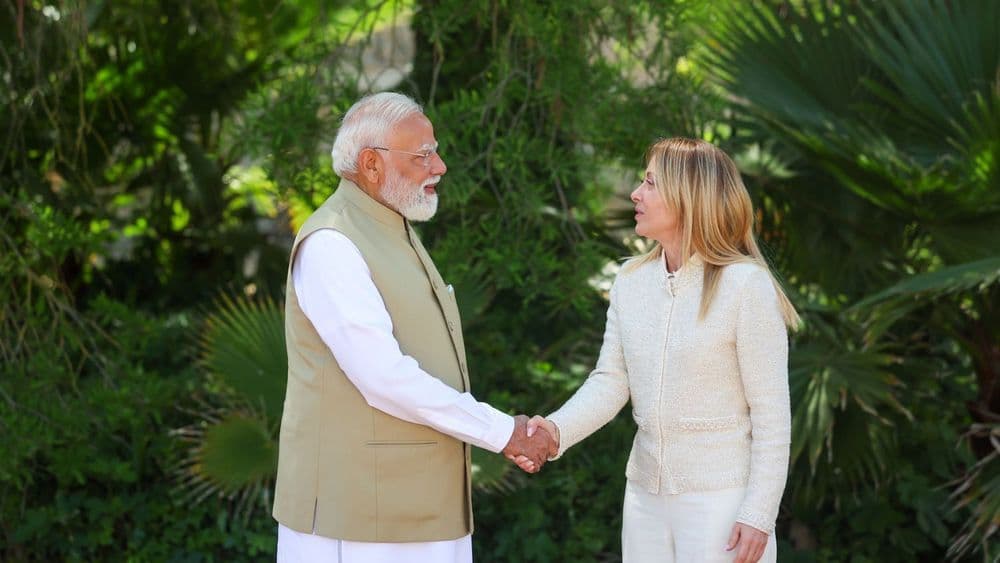
India and Italy will deepen cooperation in renewable energy, green hydrogen, critical minerals, AI and clean technologies under an upgraded strategic partnership.

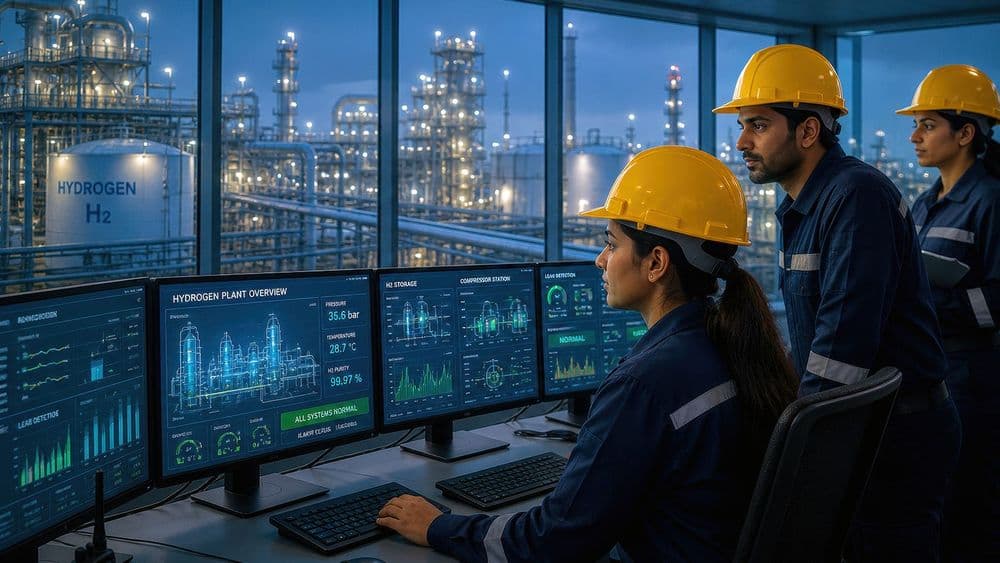
As the push for hydrogen advances in the country, its safety architecture remains in transition, as the element moves from industrial containment into a public-facing system.

India’s energy transition is being reshaped by the twin pressures of cost and security, with low-cost solar emerging as a key lever alongside broader system reforms.

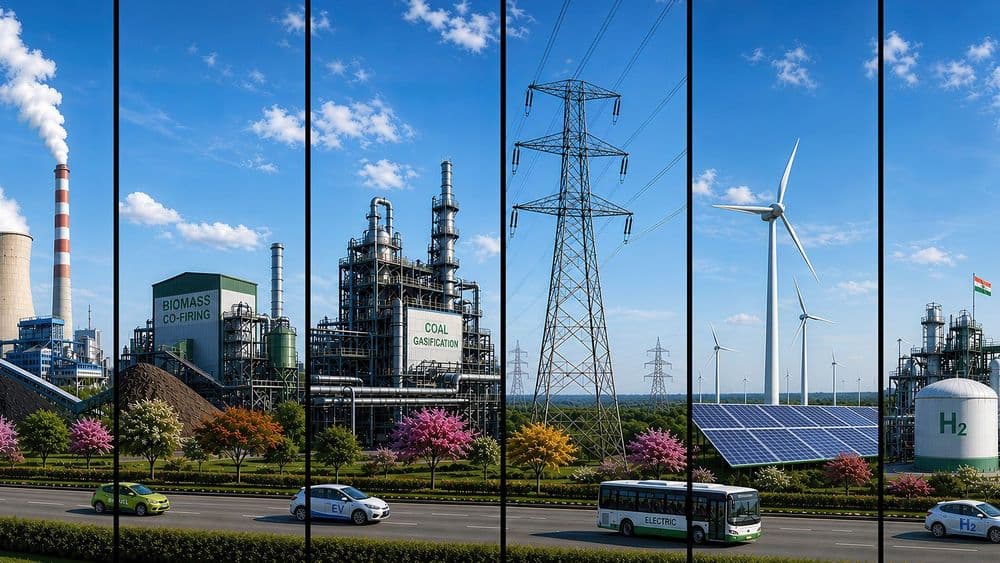
The country’s energy transition is unfolding as a layered shift where coal, biomass, gasification and hydrogen coexist, driven by policy ambition but constrained by execution realities and system needs.

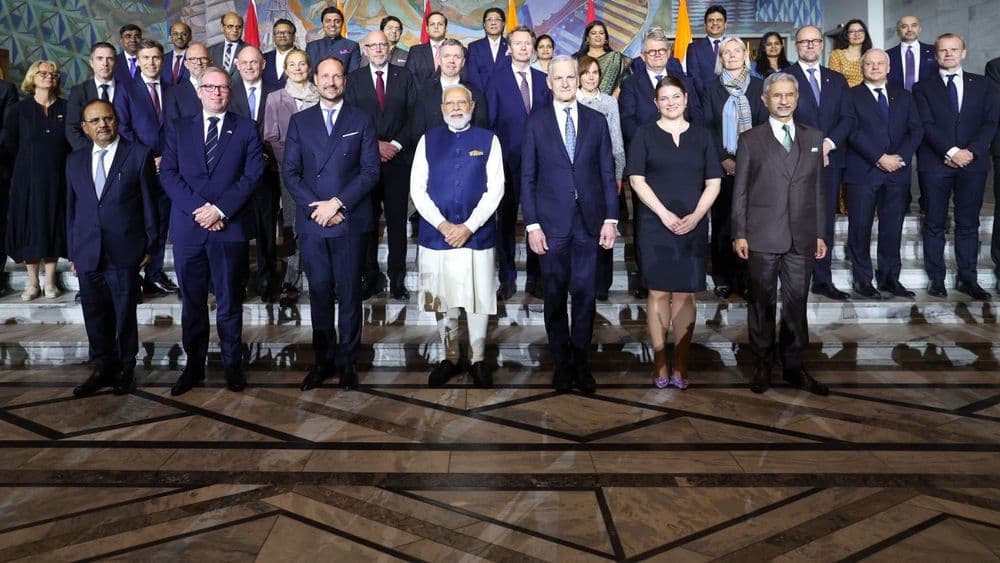
Prime Minister Narendra Modi highlighted India’s renewable energy, green hydrogen and grid expansion plans during the India-Norway Business and Research Summit in Oslo, Norway

India and the Netherlands have expanded cooperation in green hydrogen, renewable energy, biofuels, sustainable mobility and circular economy initiatives.

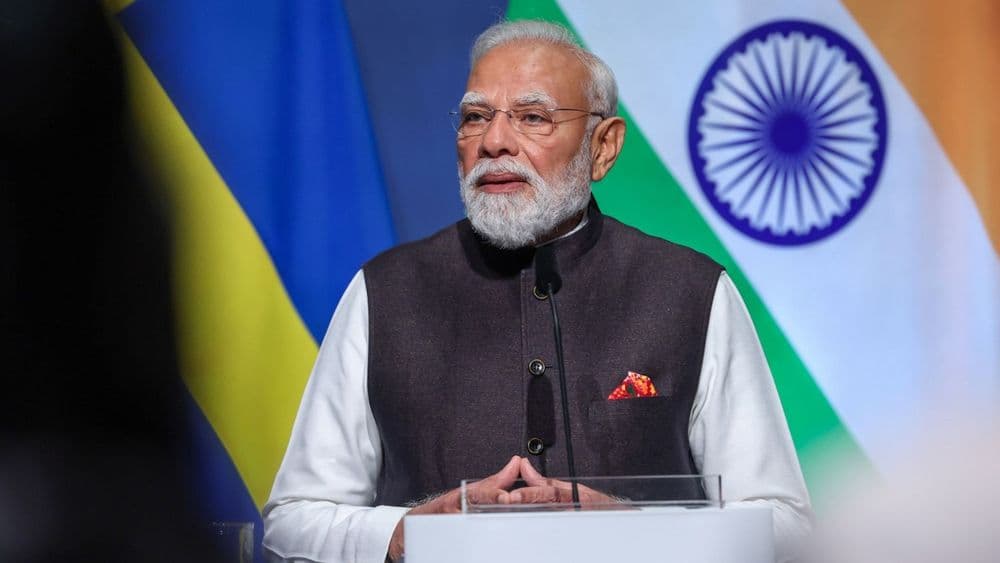
Prime Minister Narendra Modi urged Swedish companies to expand investments in India’s green hydrogen, clean energy and sustainability sectors during his Sweden visit.

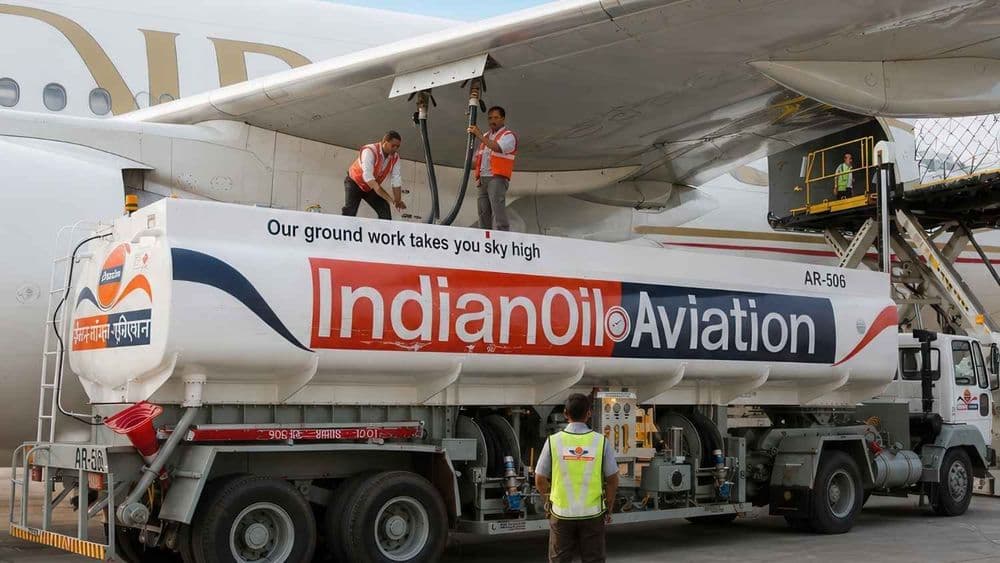
Centre brings Sustainable Aviation Fuel-blended ATF under regulatory framework to support cleaner aviation, reduce emissions and align India’s aviation sector with global decarbonisation targets.

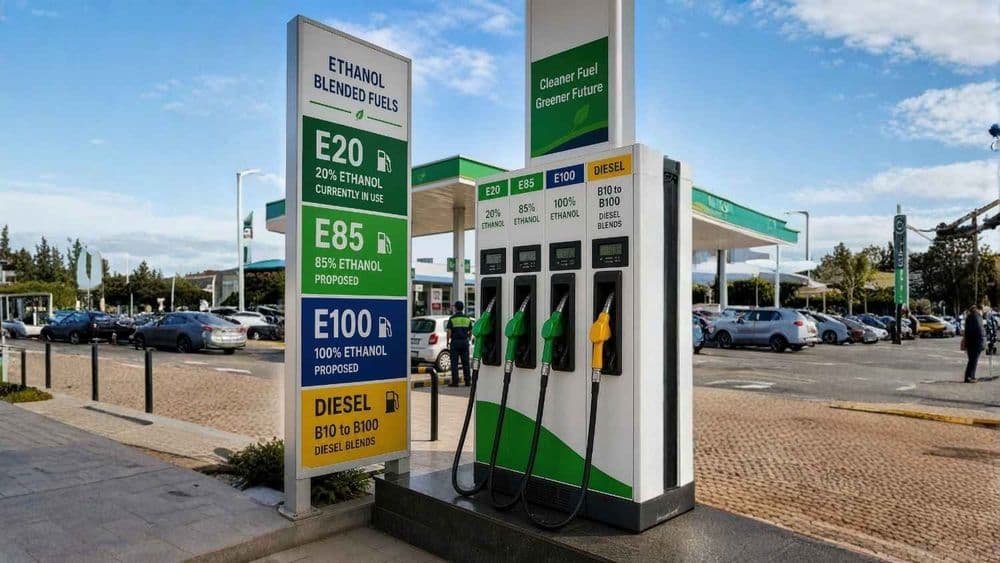
Government proposes E85 and E100 fuel norms to accelerate ethanol blending, reduce crude oil imports and strengthen India’s long-term energy security and biofuel transition.

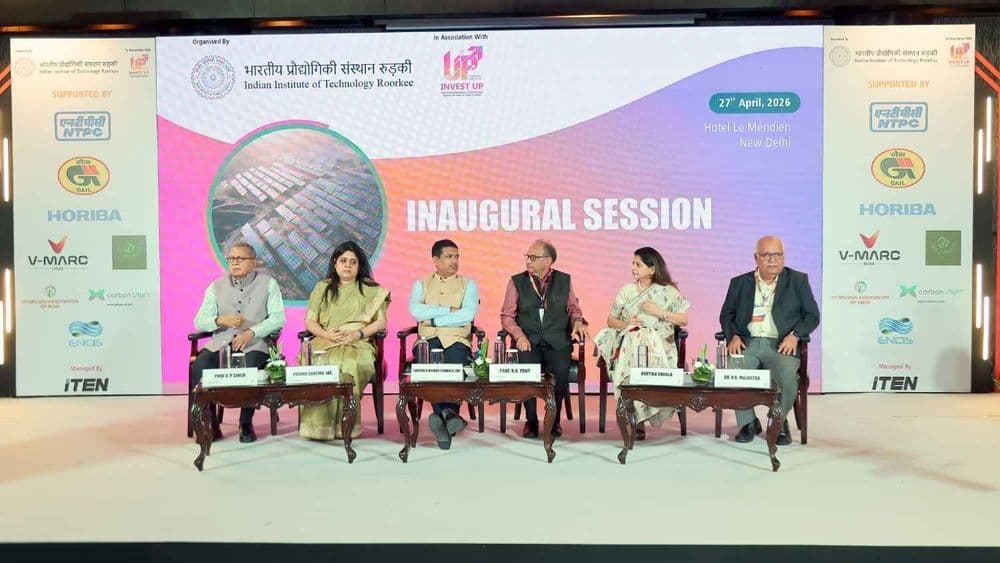
An invite-only national policy workshop convened by Indian Institute of Technology Roorkee and Invest UP brought together government, industry and academia to benchmark national missions, state frameworks and the emerging Net Zero economy.

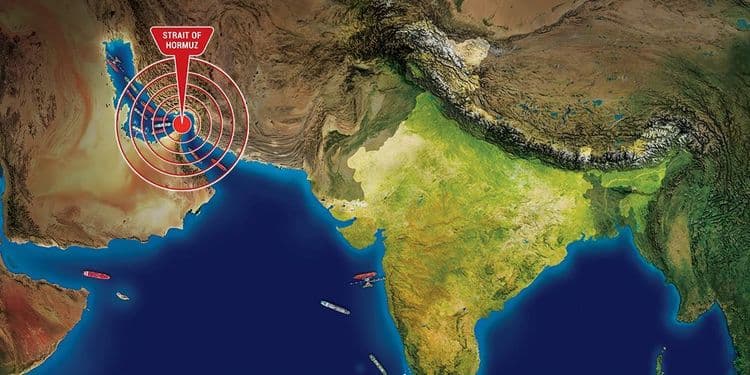
As energy security returns to the global agenda, India is managing supply risks, navigating import dependence and strengthening its energy systems, even as it advances a measured transition towards a more resilient future.

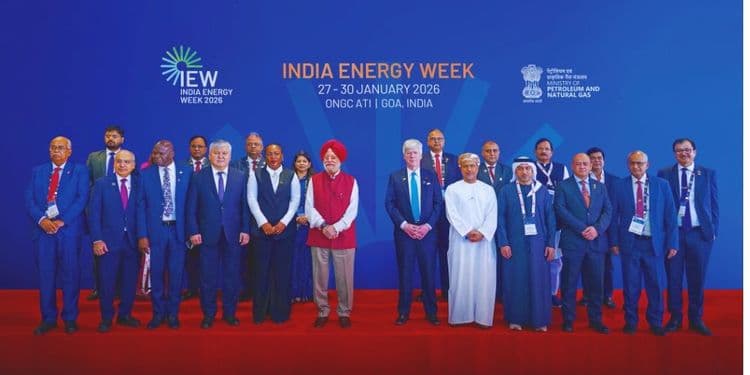
India Energy Week 2026 positioned the country at the centre of the global energy transition, emphasising that the path forward will be defined by energy addition rather than replacement. The conclave highlighted sustained investment, diversification across fuels and data-led planning as the foundations for balancing security, affordability and sustainability amid geopolitical volatility.

India is building energy resilience, not simply replacing fuels. Security, refining flexibility, grid execution, and policy reform now shape reliable decarbonisation. The next decade demands structural choices, not marginal gains.

In an ENERGDIVE interview, Dr RK Malhotra outlines how India can build a competitive hydrogen ecosystem, stressing infrastructure-first execution, technology diversity, engineering integration and robust safety standards under the National Green Hydrogen Mission.

India’s refining and petrochemicals sector is moving beyond capacity-driven growth. Carbon pricing, chemical integration, circular feedstocks and digital transformation are emerging as the new levers of competitiveness, reshaping strategy for the next investment cycle.

India’s effort to establish a globally competitive green hydrogen industry has entered a critical phase, where the viability of projects will depend on credible offtake, competitive cost structures, grid readiness, and coherent standards. Tendering activity is accelerating, but investment decisions now hinge on whether the sector can resolve fundamental economic and technical constraints.

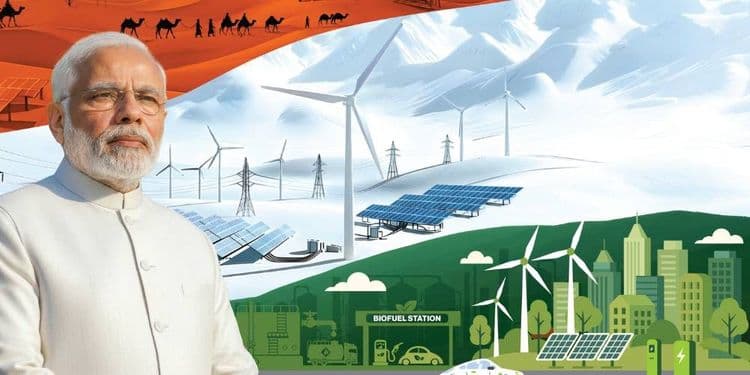
When Narendra Modi became Prime Minister in 2014, India’s energy sector was troubled by shortages and inefficiencies; a decade later, reforms have driven major progress towards clean energy leadership.

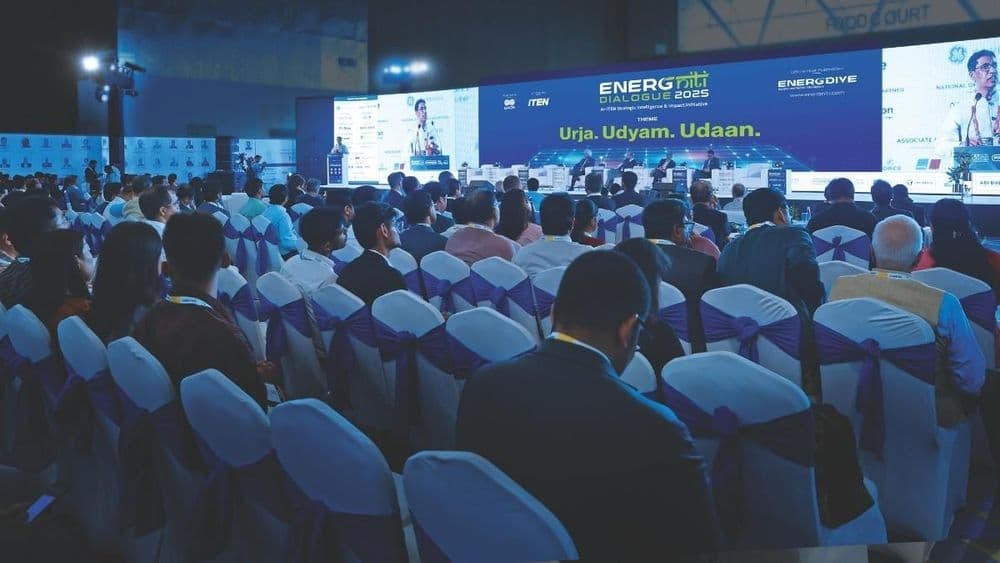
The first edition of EnergNiti Dialogue is poised to ignite the ideas, foster alliances, and drive the collective resolve to power a cleaner, smarter, and more inclusive energy future of India.