03 SEPT 2026-Thermal
NTPC to Host Electron Quiz Regional Round in Mumbai on September 17
NTPC will hold the Mumbai regional round of Electron Quiz 2026–27 on September 17 for engineering and management students.

All content tagged with “Nuclear Power” - 31 items
NTPC will hold the Mumbai regional round of Electron Quiz 2026–27 on September 17 for engineering and management students.
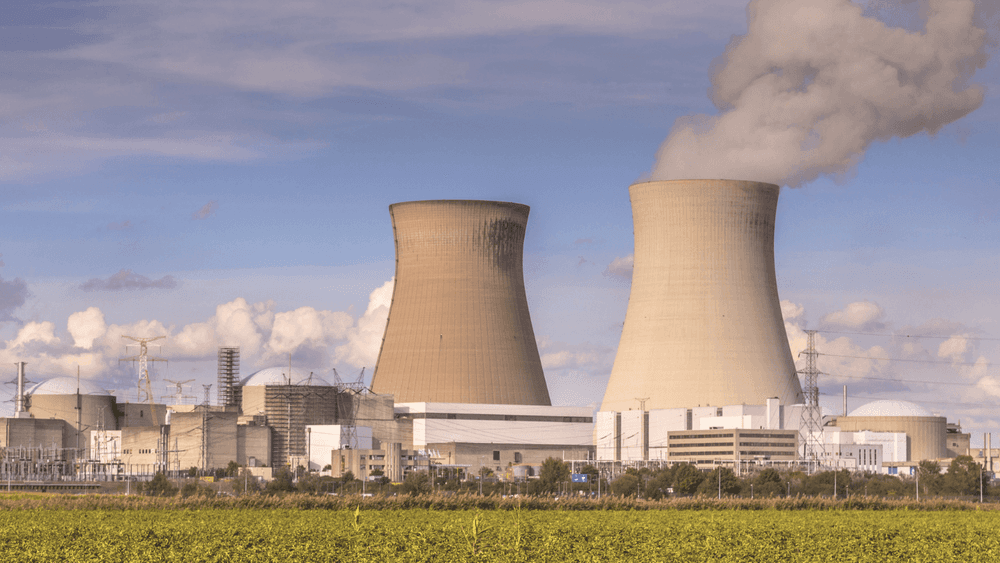
India and the US discussed opportunities to strengthen nuclear cooperation as India targets 100 GW of nuclear power capacity by 2047.
India’s foremost power and utilities convergence to bring ministries, state governments, utilities, global energy majors and investors together around projects spanning generation, grids, storage, digitalisation and domestic manufacturing
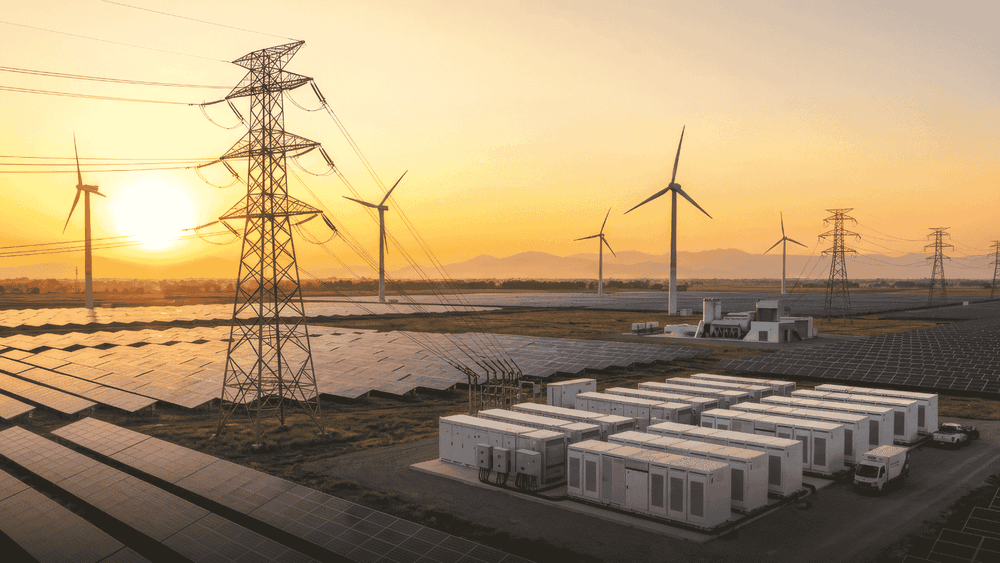
Building renewable capacity is no longer India's biggest challenge; expanding transmission, scaling storage and securing firm power now define the country's path to a resilient, low-carbon electricity system.
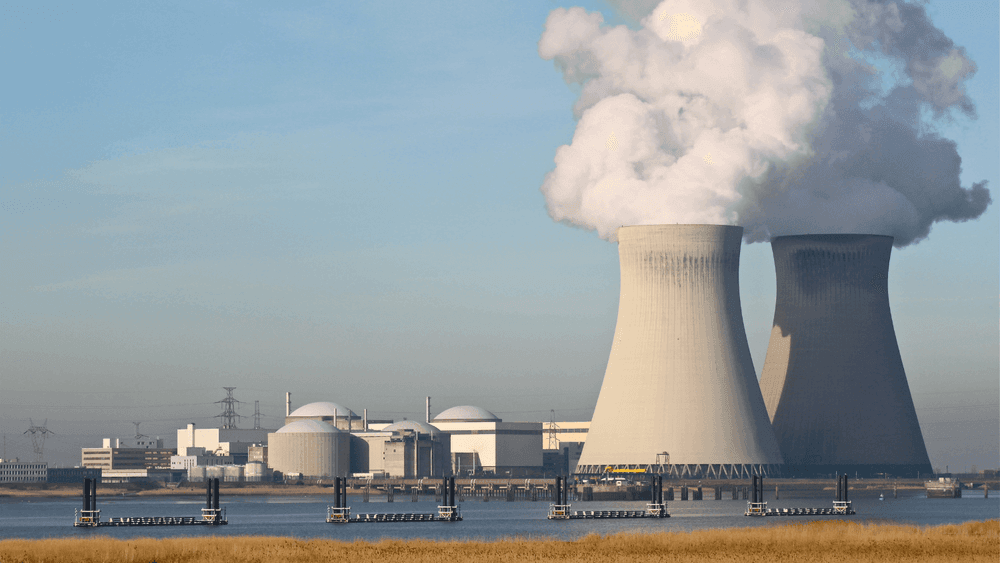
India’s nuclear projects under construction are expected to add 8,000 MW to the national grid upon progressive commissioning.
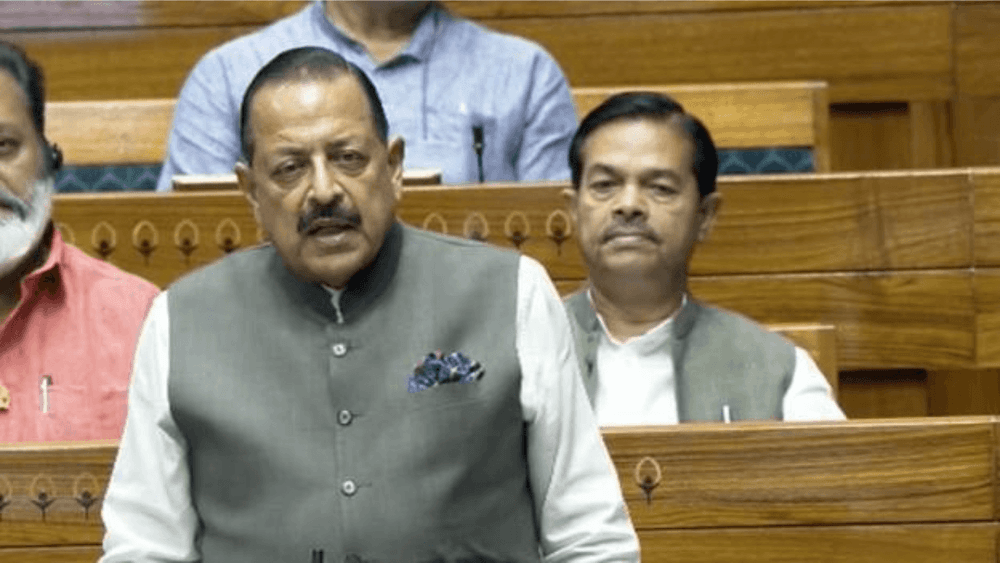
India is advancing its nuclear energy programme through indigenous SMRs, advanced reactors, domestic manufacturing and private sector participation under the Nuclear Energy Mission to achieve 100 GWe capacity by 2047.
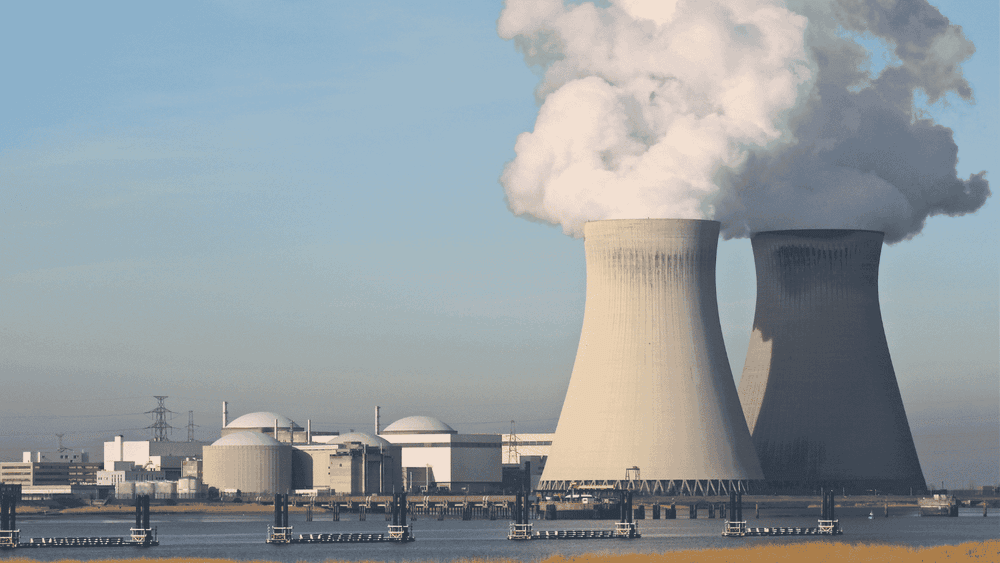
The government has outlined a roadmap to expand India's nuclear power capacity to 100 GW by 2047 under the Nuclear Energy Mission, with a focus on indigenous small modular reactors, private sector participation and enhanced nuclear safety.
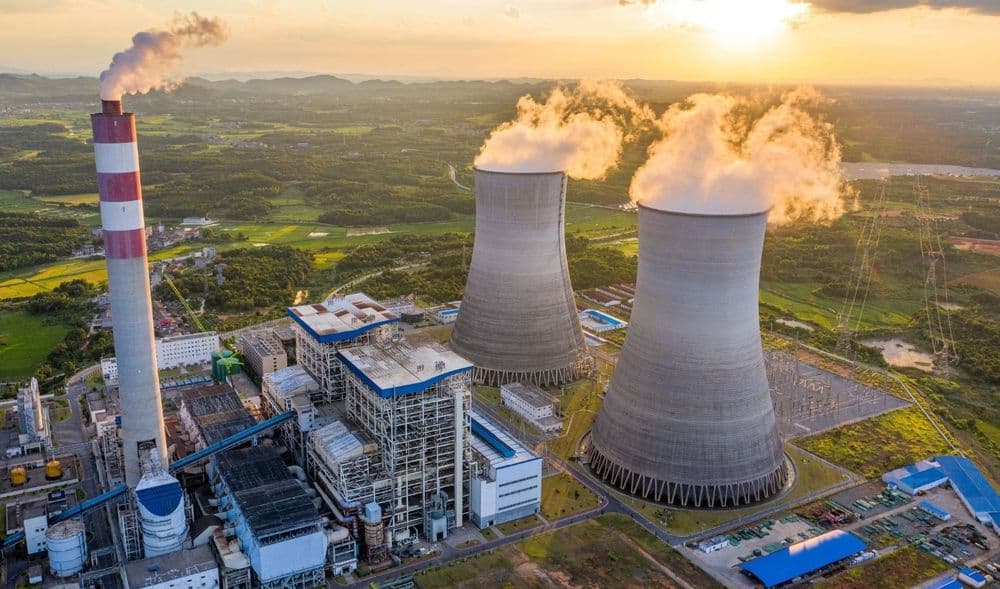
India is considering allowing private companies limited access to monazite-rich coastal sands for thorium extraction to reduce uranium import dependence and strengthen its indigenous nuclear fuel cycle.
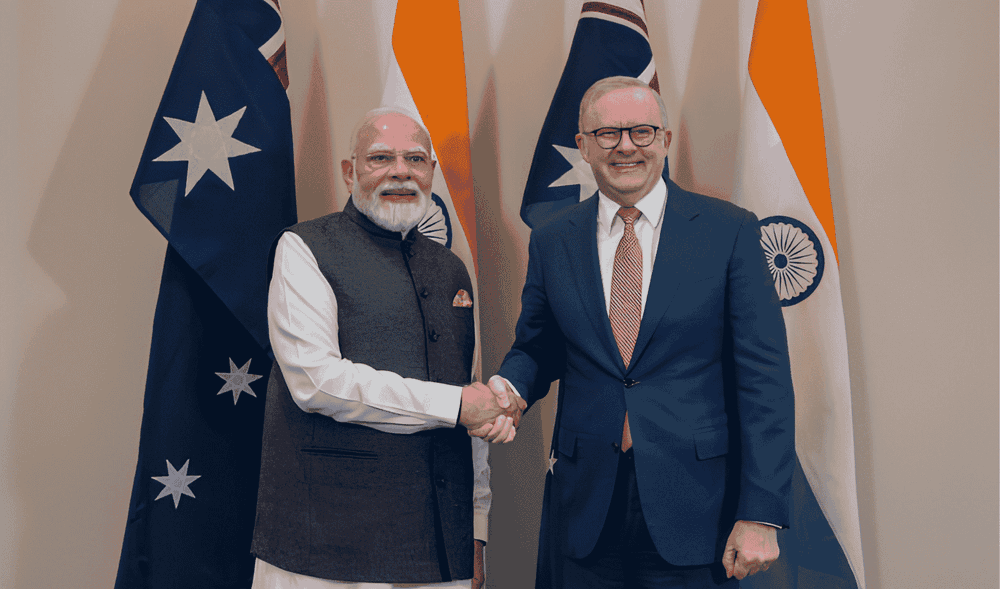
India and Australia have completed the administrative arrangement under their Civil Nuclear Cooperation Agreement, enabling long-term Australian uranium exports to support India's nuclear energy expansion.
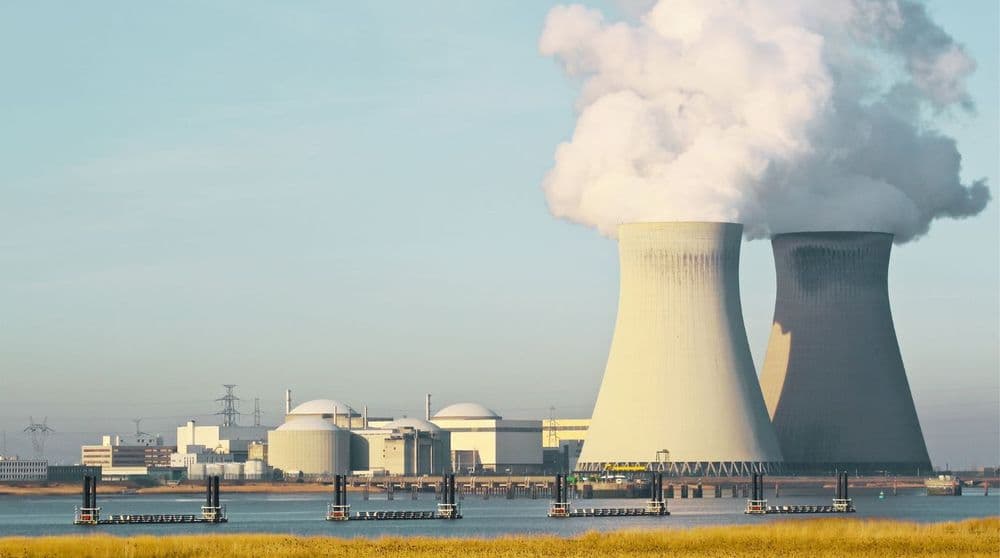
India has inaugurated a Versatile Deuterated Compounds Production Plant and commissioned a 24 kA Prototype Sodium Cell to strengthen indigenous capabilities in strategic materials and nuclear technologies.
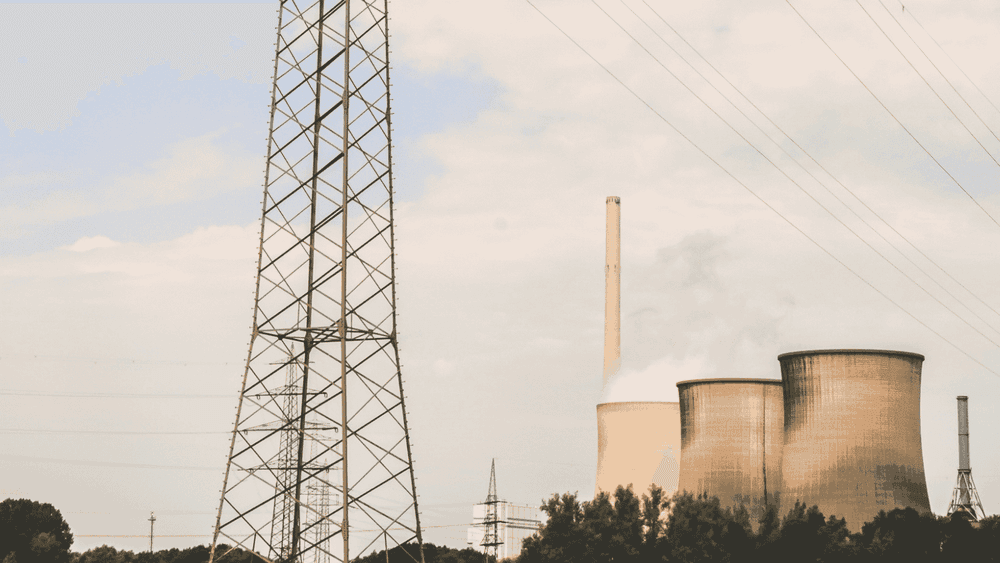
The April 2026 data reflect India’s power sector demonstrated a robust performance with 166.30 BU electricity generation and almost fully meeting the demand led by thermal power sources and followed by solar-driven renewable energy capacity addition.
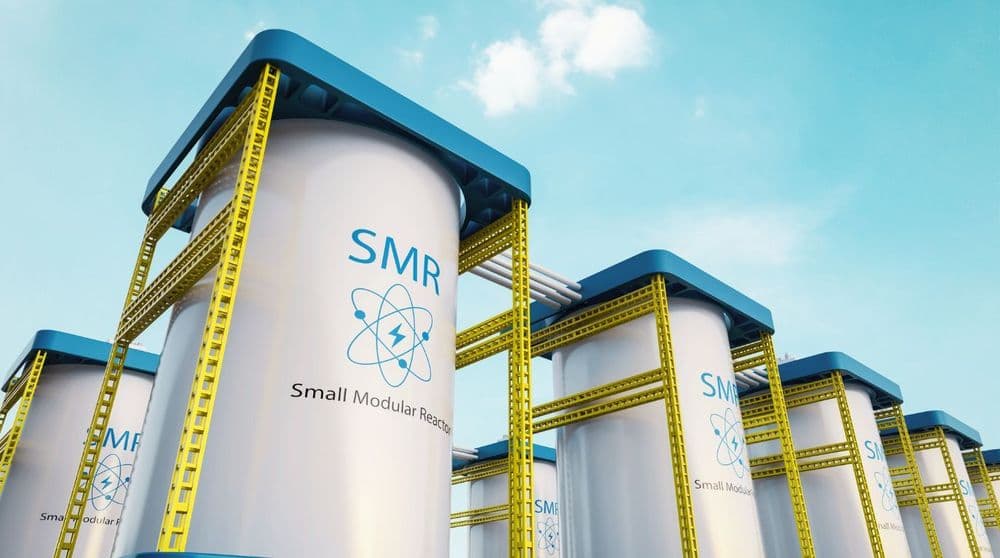
India, France have agreed to explore cooperation in conventional nuclear power, Small Modular Reactors and advanced modular reactor technologies, supported by reforms opening India's nuclear sector to private, foreign investment.
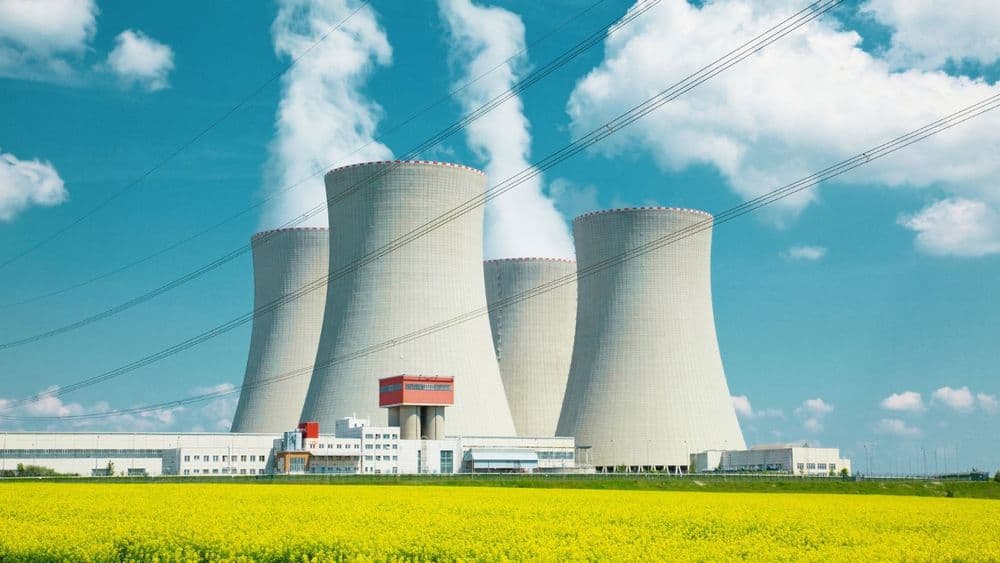
NLC India and NPCIL have signed an MoU to jointly develop nuclear power projects and deploy indigenous pressurised heavy water reactor technology.
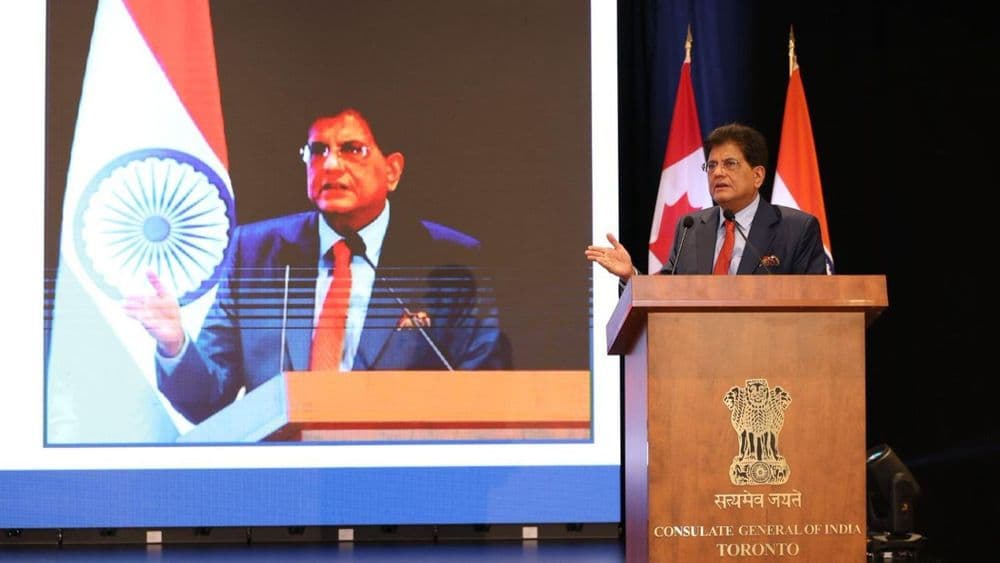
Commerce Minister Piyush Goyal engaged Canadian investors and business leaders to deepen cooperation across clean energy, critical minerals, infrastructure and advanced manufacturing sectors.
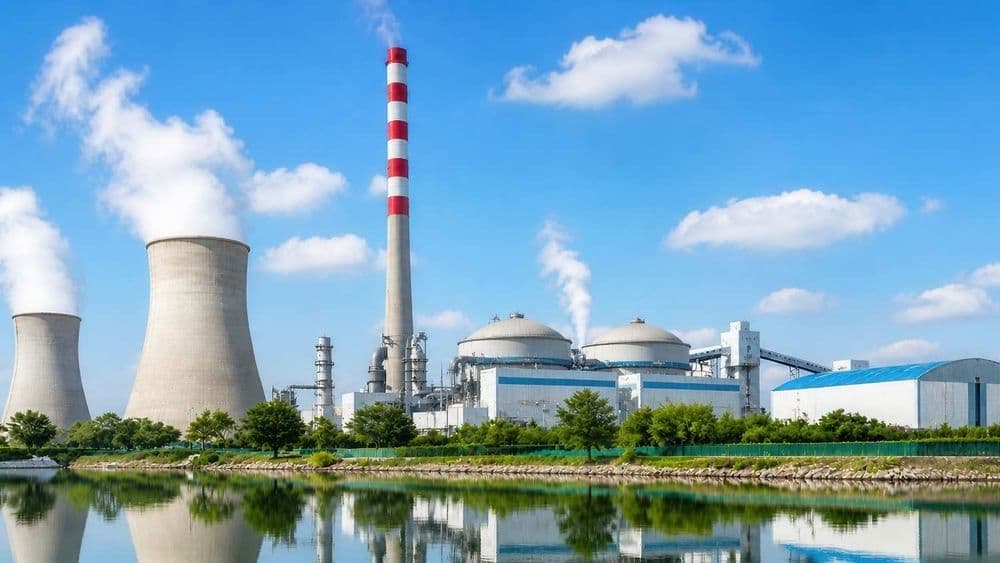
The March–April 2026 data reflect that, as India continues to generate much of its electricity using coal, the country is steadfastly increasing its renewable energy capacity, even as it remains dependent on imported oil and gas supplies.
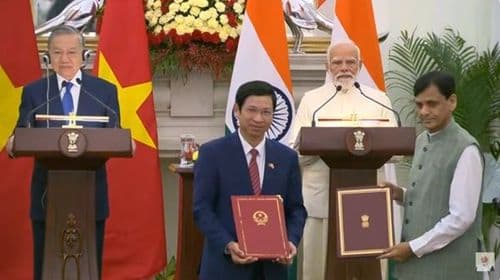
India and Vietnam agree to strengthen upstream oil and gas cooperation while expanding collaboration in renewables, nuclear energy and biofuels.
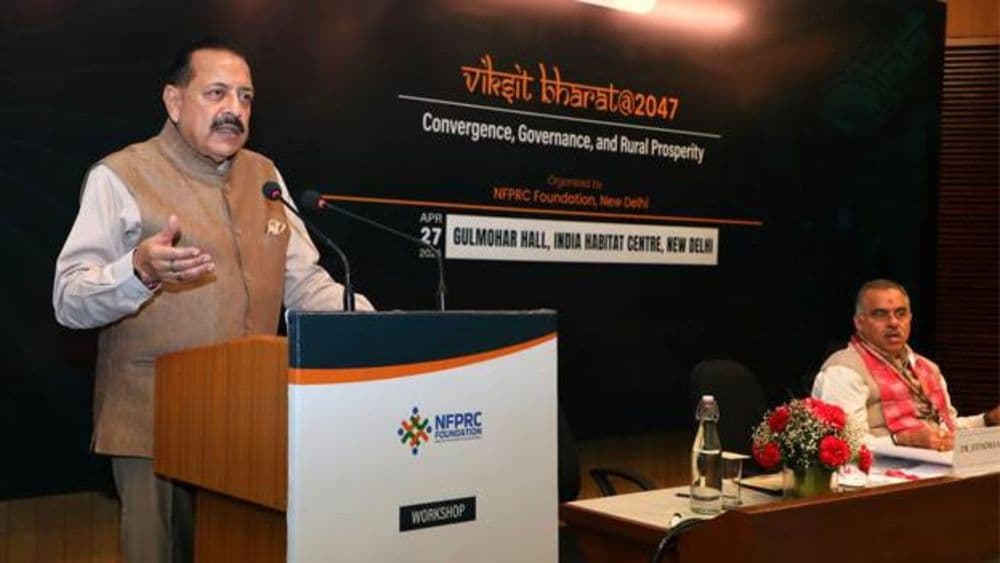
After Russia, India to be World’s Second Country to Operate a Commercial-level Fast Breeder Reactor, Says Union Minister Dr Jitendra Singh
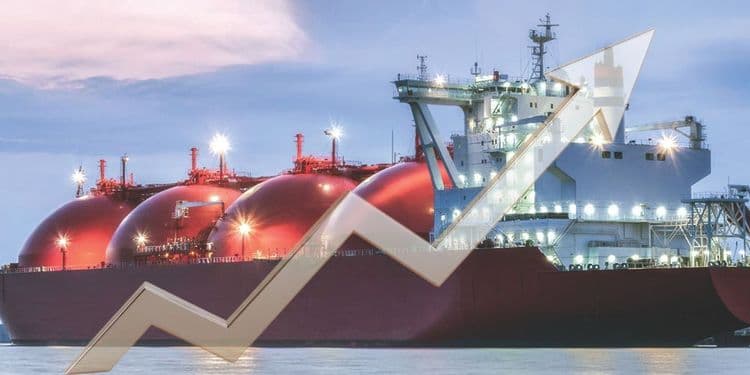
India’s energy data for 2026 highlights a sector that is meeting rising power demand and expanding renewables, but remains heavily dependent on costly oil and gas imports, keeping energy security exposed to global price volatility.
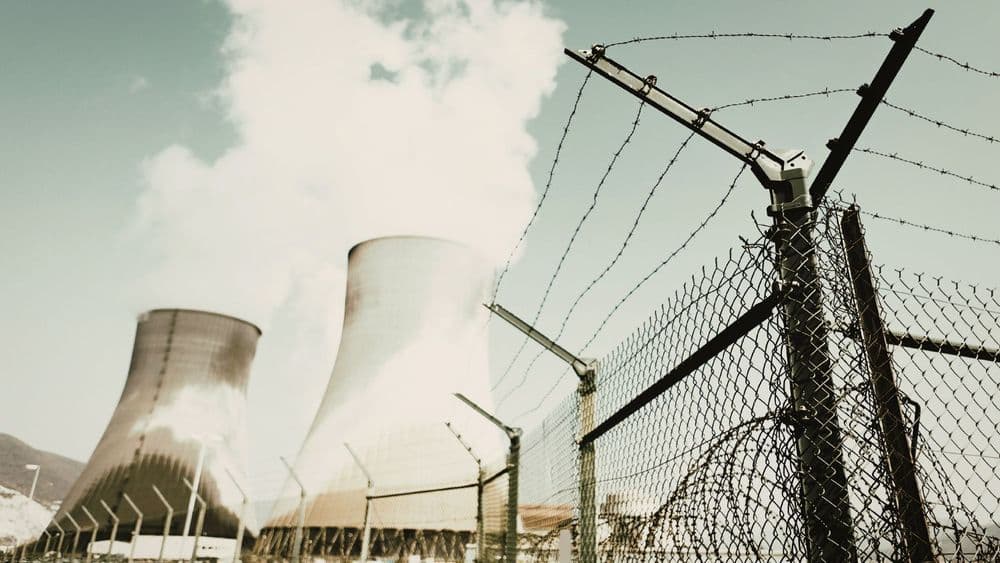
India’s Prototype Fast Breeder Reactor at Kalpakkam attains first criticality, marking a key milestone in nuclear energy, boosting fuel efficiency and advancing the country’s long-term thorium-based power programme.
The government has removed customs duty on nuclear imports till 2035 to reduce costs, improve viability and accelerate nuclear capacity expansion.
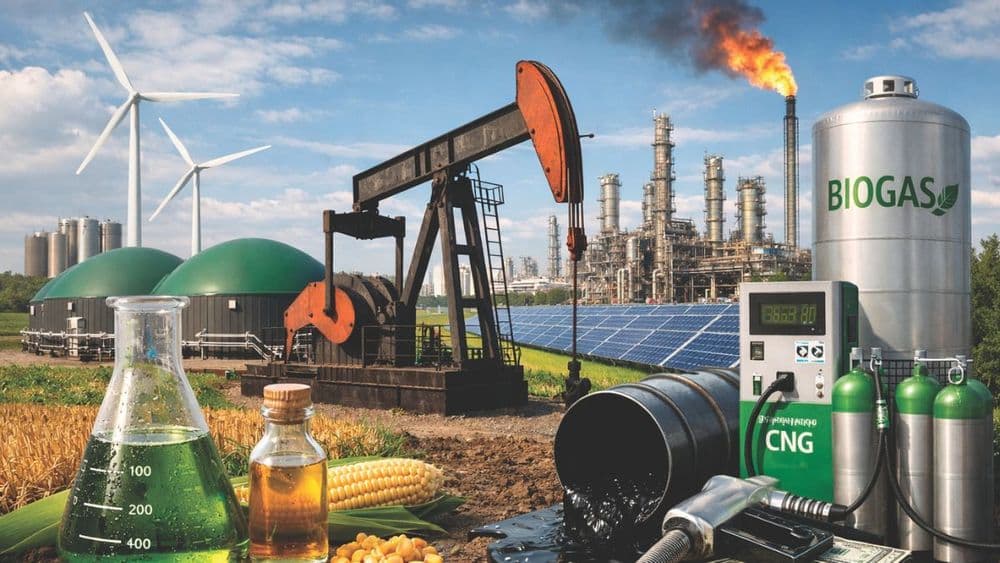
January 2026 data reflects steady refining activity, sustained import reliance in oil and gas, full peak power demand fulfilment, continued solar capacity expansion, and ongoing smart metering rollout, indicating operational stability across India’s energy value chain.

Rising electricity demand, decarbonisation imperatives, energy security concerns and grid resilience needs are reshaping global power strategies. Small Modular Reactors (SMR) are advancing from concept to early deployment across North America and Europe. In an interview with ENERGDIVE, Ted Jones, Senior Director for National Security and International Programs at the US-based Nuclear Energy Institute explains why regulatory clarity, financing certainty and design stability are critical to scalable, cost-effective SMR growth.
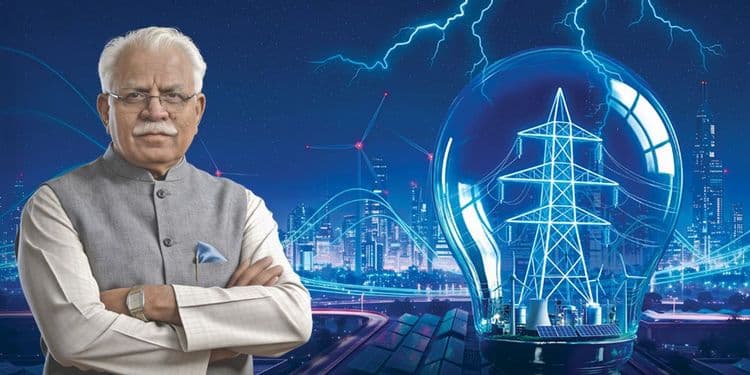
Under the stewardship of Union Power Minister Manohar Lal, India’s electricity system is transitioning beyond InFrom repairing a strained and uneven system to engineering a renewable-dominant grid at unprecedented scale, India’s power sector is pivoting from expansion to orchestration, managing demand growth, financial discipline, flexibility and storage as it advances towards 500 GW and beyond.

India has earmarked ₹20,000 crore under the Nuclear Energy Mission to develop indigenous small modular reactors, with demonstration units proposed at Tarapur and BARC Vizag.
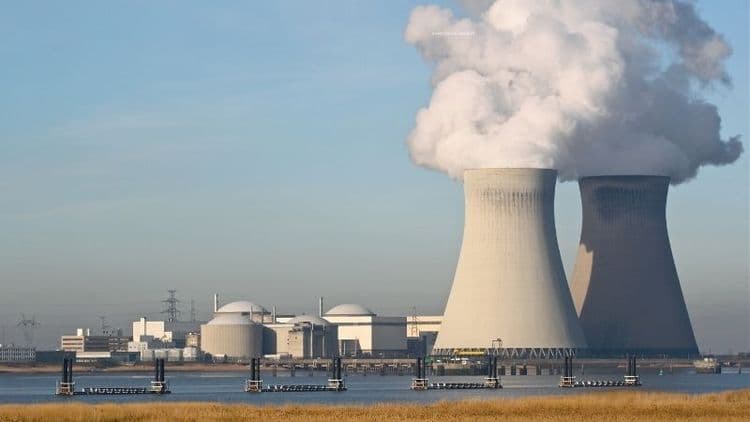
India will add 13,100 MW of nuclear capacity through 17 reactors by 2031–32, the government told Parliament.
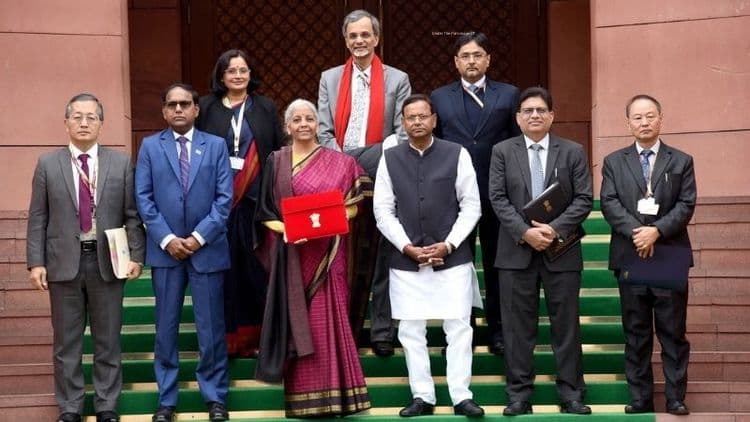
The Union Budget 2026–27 focuses on energy security and transition stability, announcing ₹20,000 crore for carbon capture, extending nuclear import duty relief till 2035, and more.
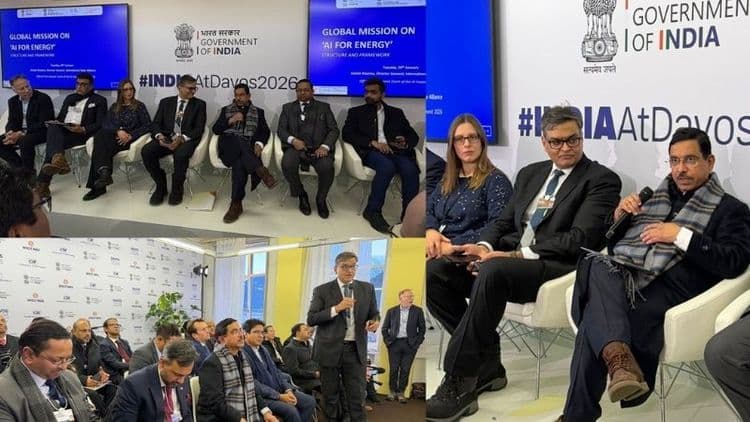
India positioned itself as a fast-growing clean energy market at World Economic Forum 2026, with Minister Pralhad Joshi urging global investors to partner in energy infrastructure expansion.
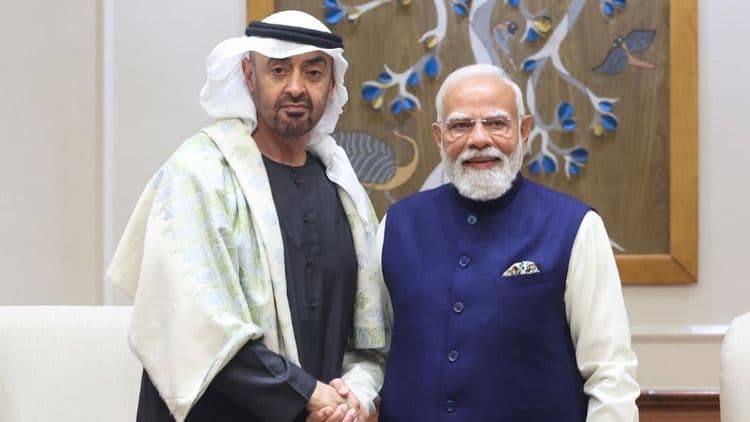
India and the UAE signed a 10-year LNG supply agreement and agreed to expand nuclear energy cooperation during President Sheikh Mohamed’s visit to New Delhi.
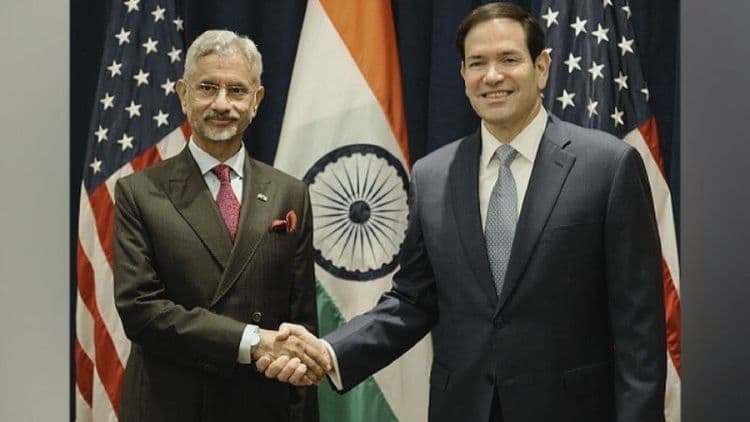
External Affairs Minister S. Jaishankar and US Secretary of State Marco Rubio discussed energy cooperation, critical minerals and nuclear power, with trade and regional issues also reviewed.
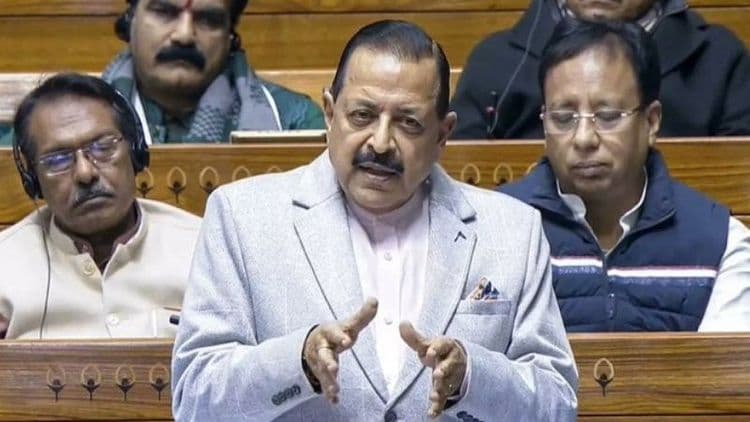
India’s clean energy transition is being shaped by strategic, economic and geopolitical needs, with nuclear power positioned as critical for reliable, round-the-clock electricity.
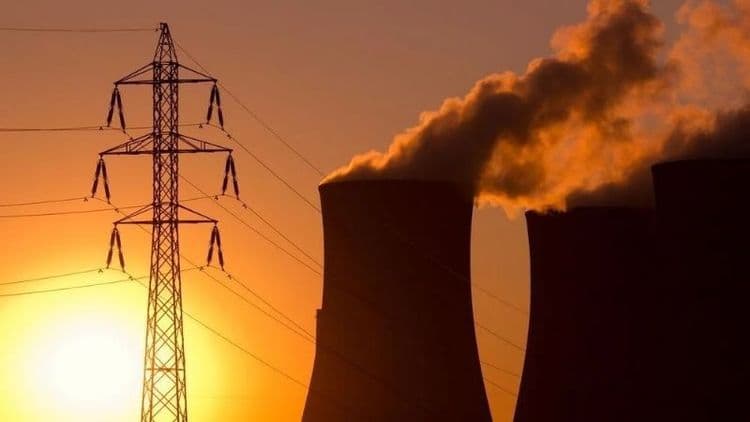
India intends to raise its nuclear capacity from under nine gigawatts today to one hundred gigawatts by 2047. The goal reflects growing confidence in atomic energy as a stable, low-carbon anchor for a renewables-heavy grid, even as questions of technology readiness, investment models and legislative reforms shape the pace of expansion.