20 JUL 2026-Oil & Gas
Redefining India's Downstream Advantage
India's downstream sector is pursuing Net Zero through multiple technologies while safeguarding energy security, affordability and competitiveness.

All content tagged with “Oil & Gas Refining” - 30 items
India's downstream sector is pursuing Net Zero through multiple technologies while safeguarding energy security, affordability and competitiveness.

Engineers India Limited (EIL) has appointed Atul Gupta as its Chairman and Managing Director following approval from the Ministry of Petroleum and Natural Gas. Gupta, who previously served as Director (Commercial), brings nearly three decades of experience across refineries, petrochemicals, pipelines, fertilisers, and EPC projects.

Hindustan Petroleum Corporation Ltd (HPCL) has appointed Srividya Venkataraman as Director (Finance), bringing three decades of experience in financial strategy, treasury management and corporate planning
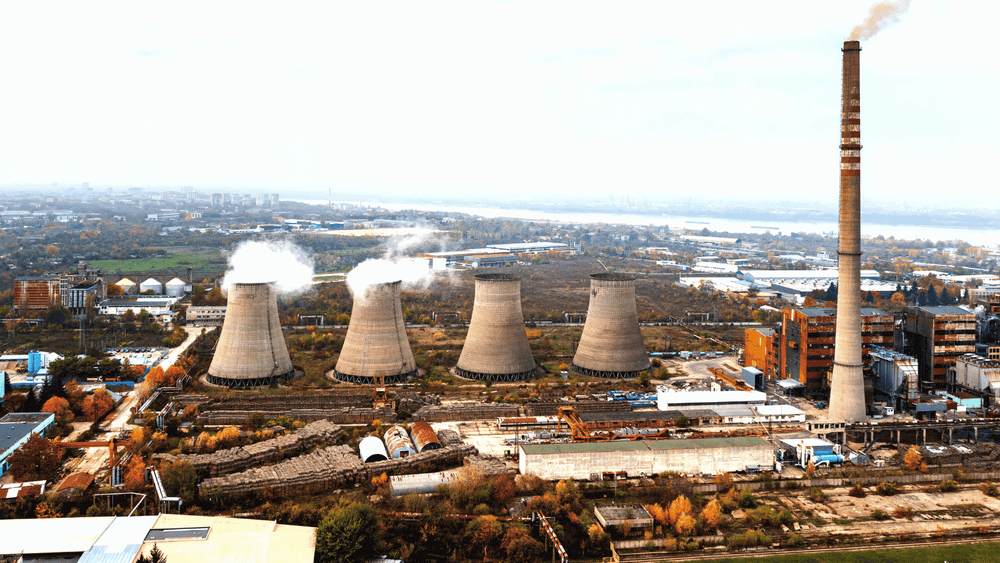
As India grapples with rising energy demand, cooling requirements and decarbonisation pressures, trigeneration systems could emerge as a high-efficiency solution capable of simultaneously delivering electricity, heating and cooling while improving fuel utilisation and reducing emissions.

As oil and gas, and power generation industries quest for decarbonisation and operational resilience, optimising rotating equipment is emerging as a high-impact strategy to reduce emissions, improve energy efficiency and enhance reliability without major infrastructure overhauls .
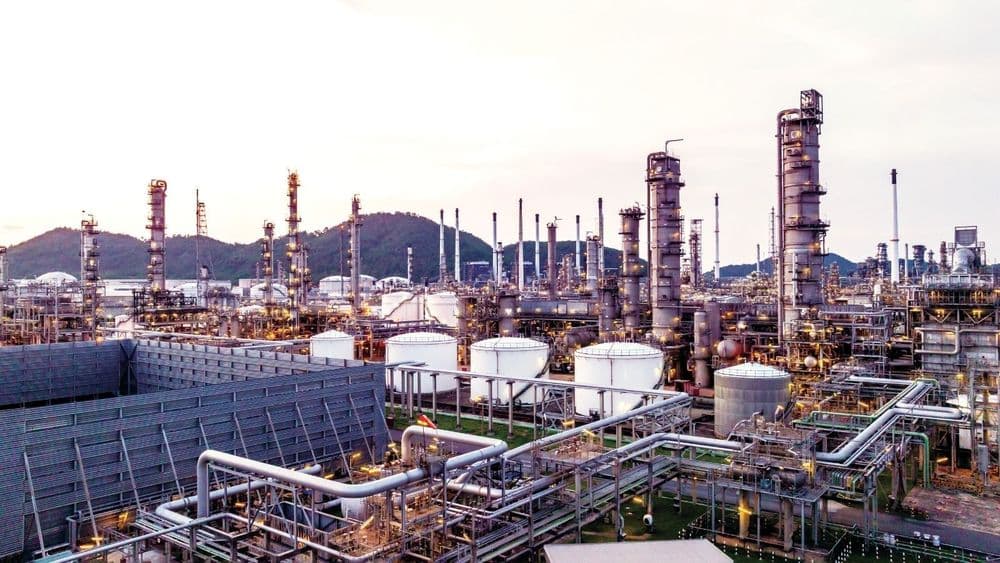
The downstream sector is evolving into a diversified industrial ecosystem driven by petrochemicals, decarbonisation, digitalisation, and circular economy strategies.

India’s energy transition is not unfolding through a simple shift from old to new, but through the simultaneous management of energy security, industrial growth, decarbonisation, safety and strategic resilience.
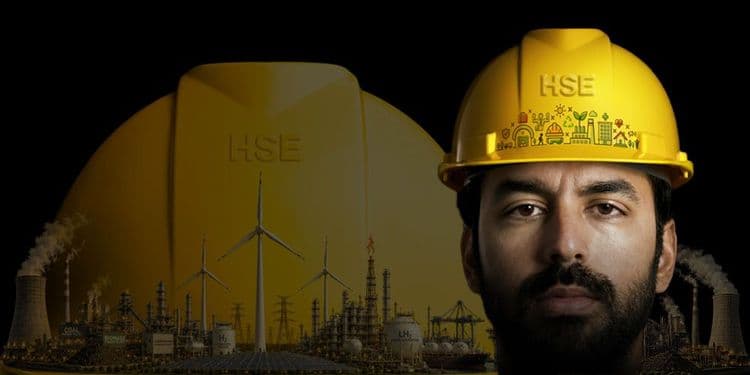
Across India’s energy value chain, Health, Safety and Environment (HSE) is being integrated into operational systems through inspections, training, audits, and monitoring, making risk management integral to how these operations run at scale.
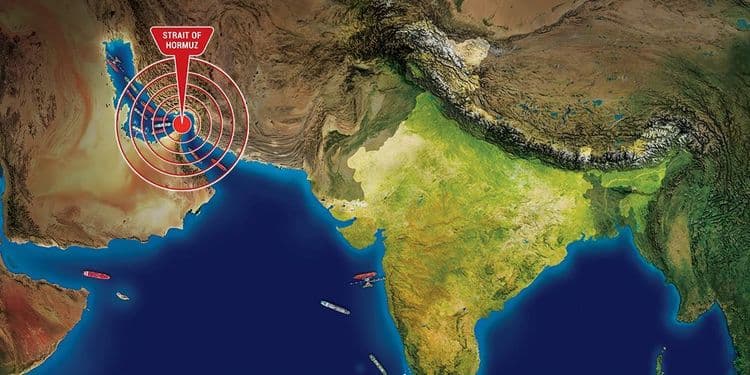
As energy security returns to the global agenda, India is managing supply risks, navigating import dependence and strengthening its energy systems, even as it advances a measured transition towards a more resilient future.
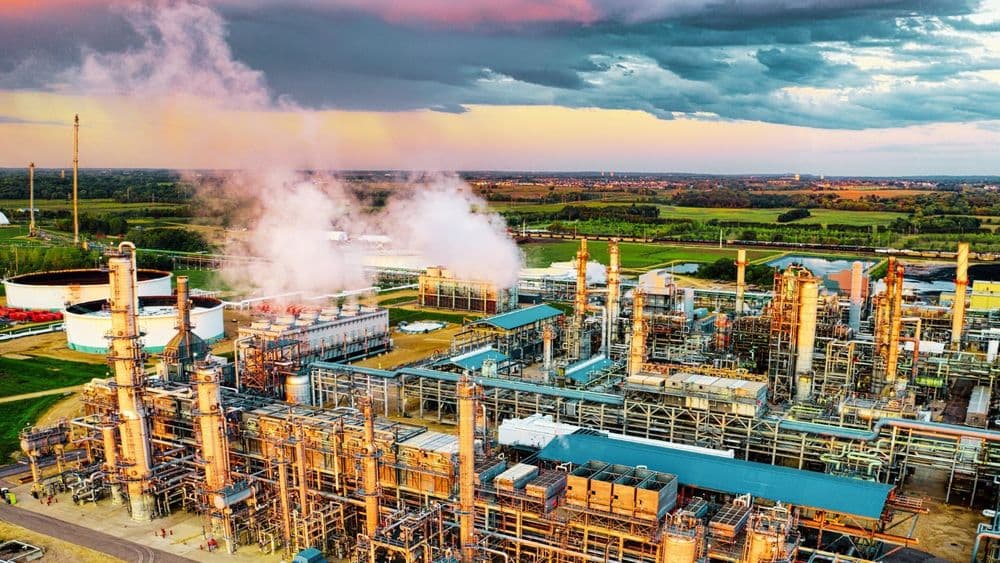
The Centre has approved a revised cost of ₹79,459 crore for the HPCL Rajasthan Refinery project, aimed at boosting petrochemical output and reducing import dependence across key industrial sectors.
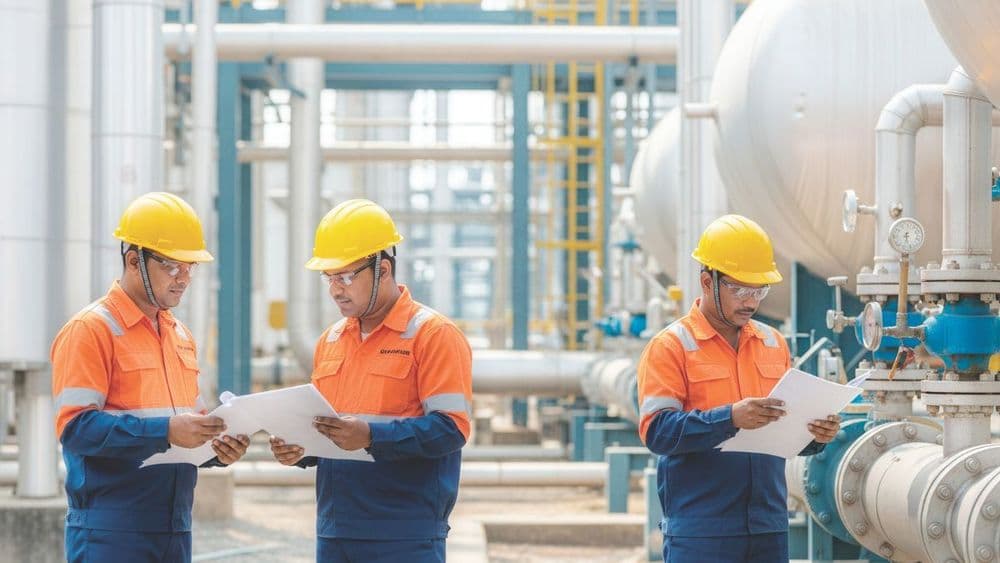
The Process Hazard Analysis Software Tool (PHAST) integrates discharge, dispersion and effects modelling into the Process Hazard Analysis (PHA) process to quantify fire, explosion and toxic release consequences under specified conditions.
January 2026 data reflects steady refining activity, sustained import reliance in oil and gas, full peak power demand fulfilment, continued solar capacity expansion, and ongoing smart metering rollout, indicating operational stability across India’s energy value chain.

US President Donald Trump announced a Texas refinery project linked to Reliance Industries and described it as a “$300 billion deal” in a social media post.
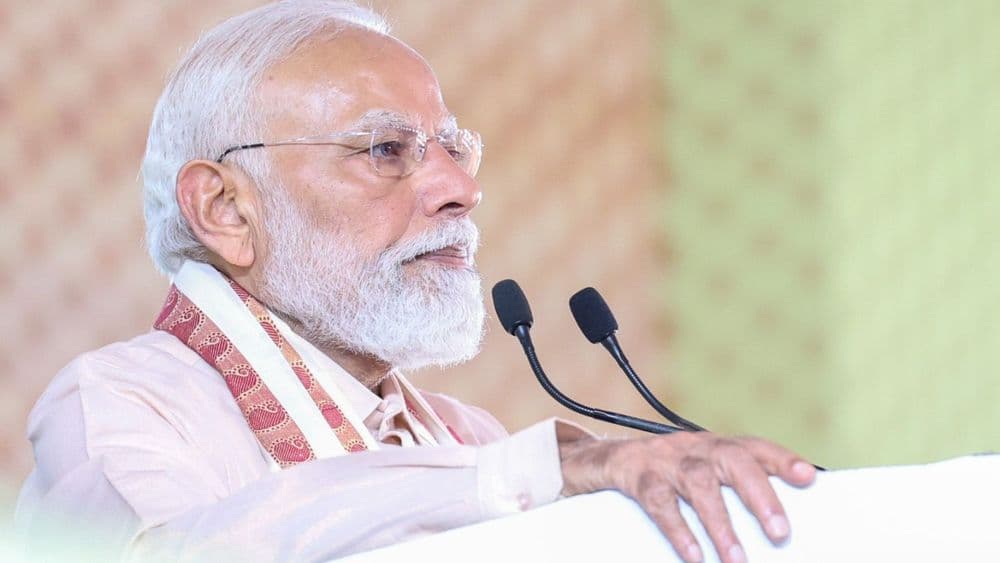
PM Modi said ongoing conflict in West Asia highlights need for India to strengthen energy security and expand its petroleum sector, as tensions raise concerns over global oil supply chains.
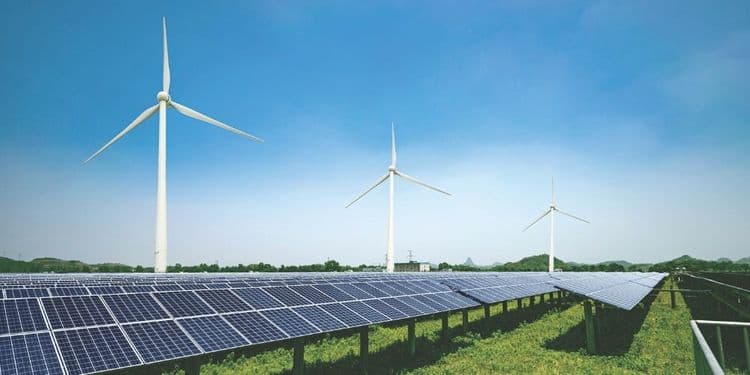
India’s late 2025 and early 2026 energy dashboard show a system anchored by strong refinery operations and active fuel trade, complemented by balanced domestic and Liquified Natural Gas (LNG) gas supplies, reliable power generation with rising renewable capacity, and steady progress in grid modernisation through smart metering.
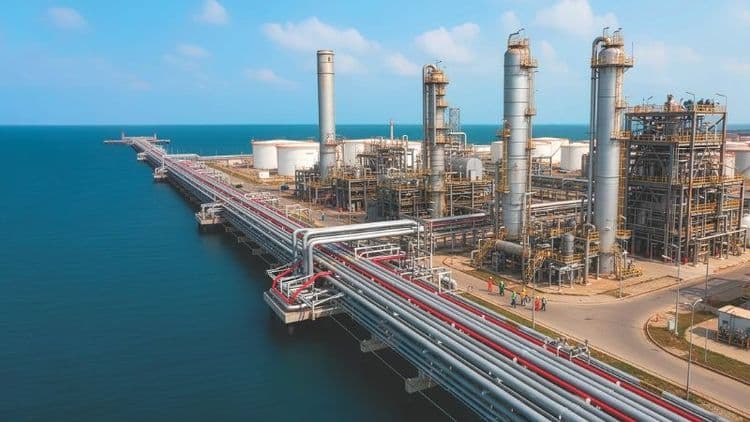
Across offshore platforms, refineries, Liquefied Natural Gas (LNG) plants and pipeline networks, major hydrocarbon incidents over the past five decades have followed similar patterns. This case study examines how lessons from these events are absorbed, how learning weakens over time, and why known risks continue to re-emerge despite regulation and experience.

A refinery retrofit is proving that a simple mechanical insert can recover lost heat, lower fuel use and cut CO2 emissions, extending exchanger life and improving energy performance without any new construction.
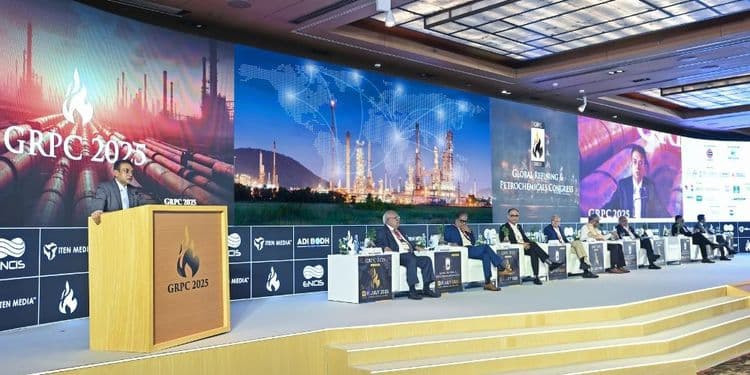
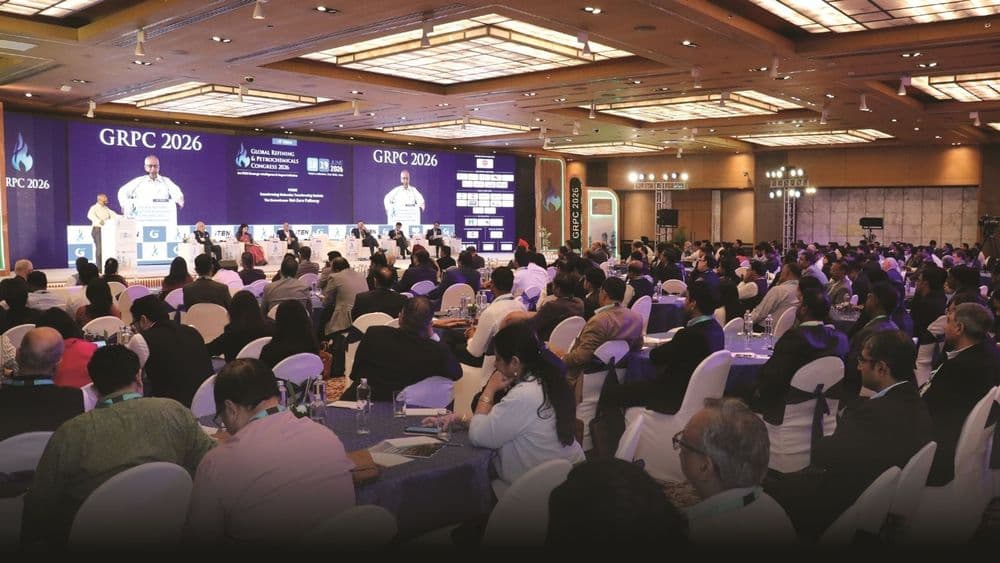
As the downstream sector enters a decisive phase of structural change, GRPC 2026 will gather the industry’s key players to define the choices that will set its trajectory for the decade ahead.

India’s energy security to 2047 will be determined not by capacity additions alone, but by whether the country can build a resilient, affordable, and competitive energy system that can absorb geopolitical shocks, manage rising demand, and decarbonise in parallel.
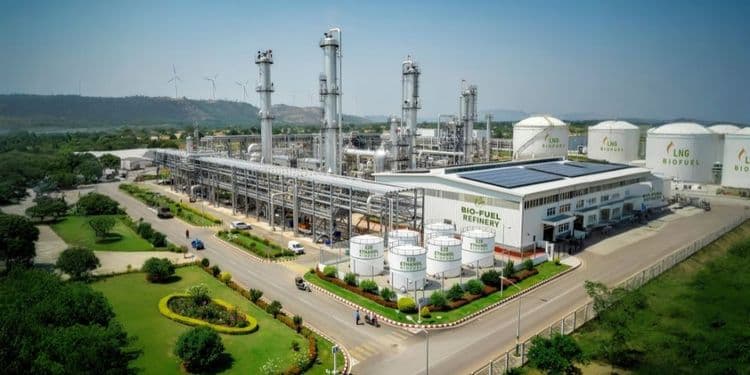
The country’s downstream oil and gas sector is moving beyond capacity-led growth, as trends are pointing to product diversification, operational efficiency, embedded decarbonisation and the optimisation of long-life refining assets
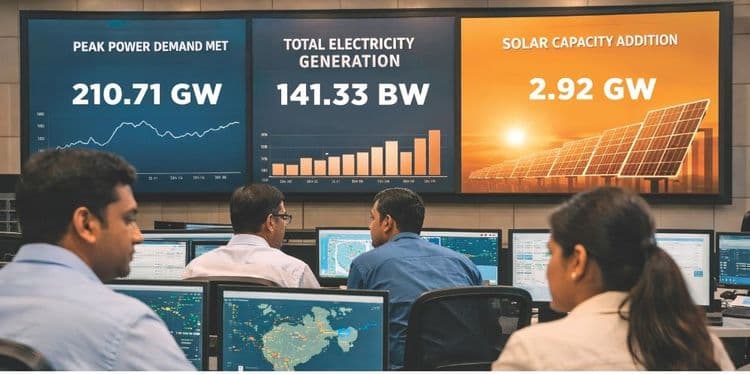
October’s official energy data captures a system in balance as steady oil and gas flows, zero peak power shortages, and renewable capacity growth led by solar with measured progress in grid modernisation.
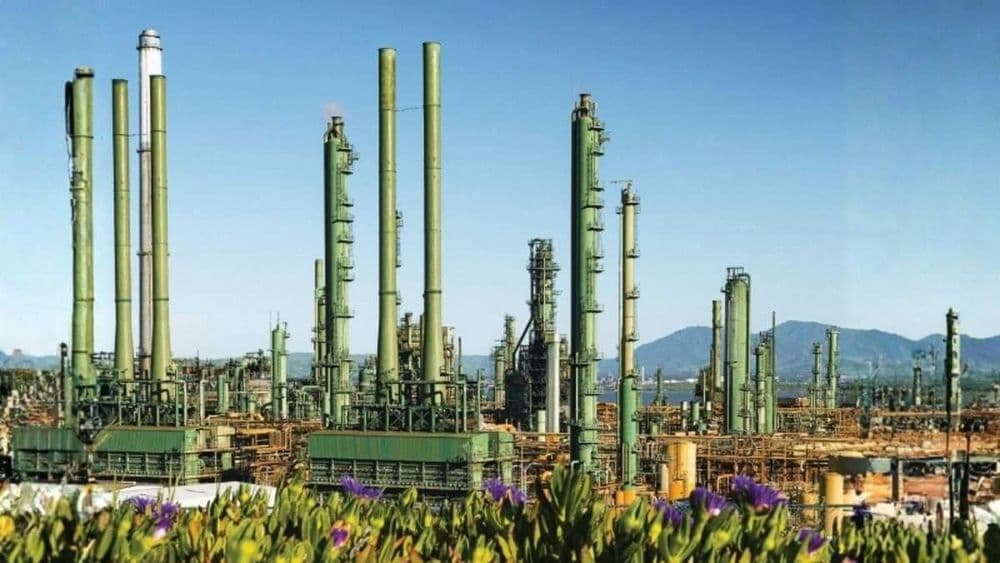
India’s refining and petrochemicals sector is moving beyond capacity-driven growth. Carbon pricing, chemical integration, circular feedstocks and digital transformation are emerging as the new levers of competitiveness, reshaping strategy for the next investment cycle.
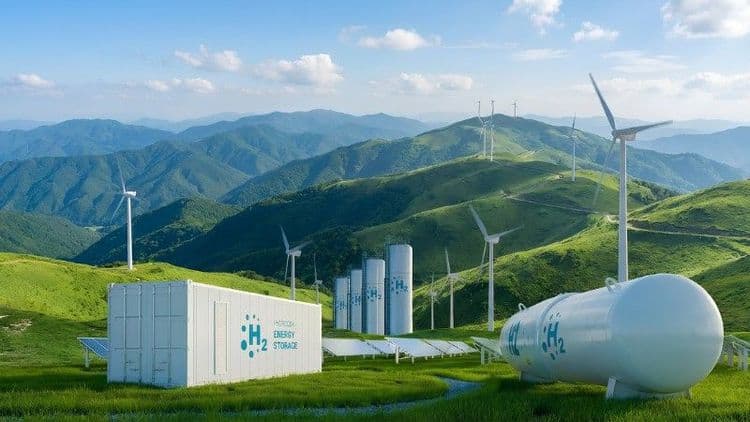
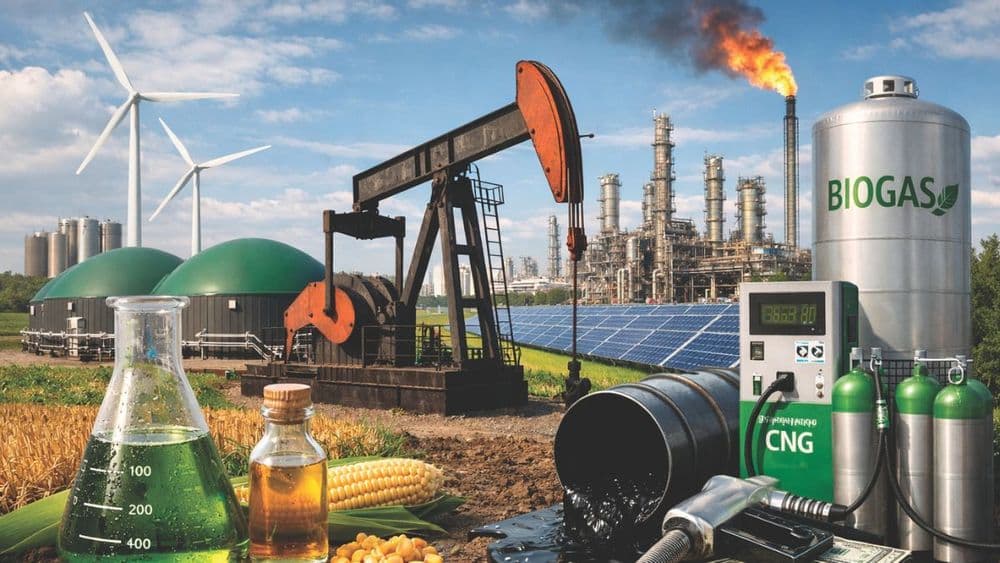
Aligned with India’s 2070 Net Zero target and its 2046 pledge, IOCL is scaling hydrogen, ethanol and biogas, linking farmers, industry and municipalities to translate climate policy into on-ground, low-carbon action.
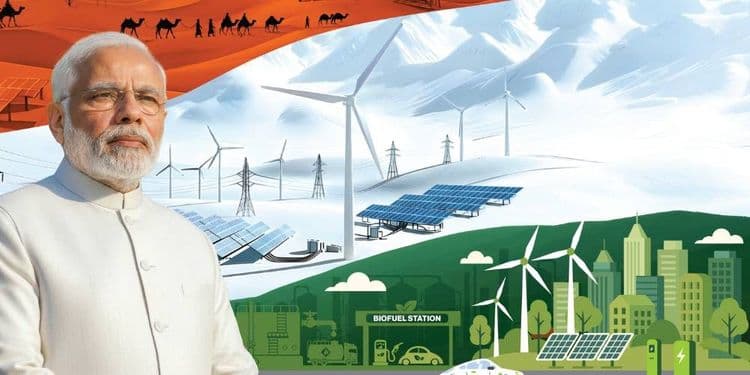
When Narendra Modi became Prime Minister in 2014, India’s energy sector was troubled by shortages and inefficiencies; a decade later, reforms have driven major progress towards clean energy leadership.
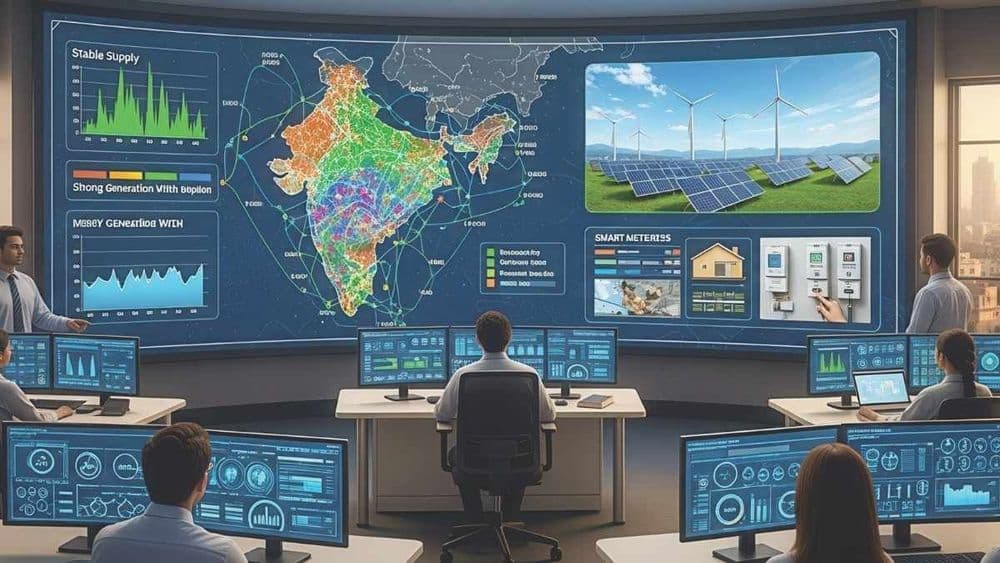
A consolidated set of official data presents the reported figures for production, processing, generation, and installations across multiple sectors in the energy landscape.