08 SEPT 2026-Upstream
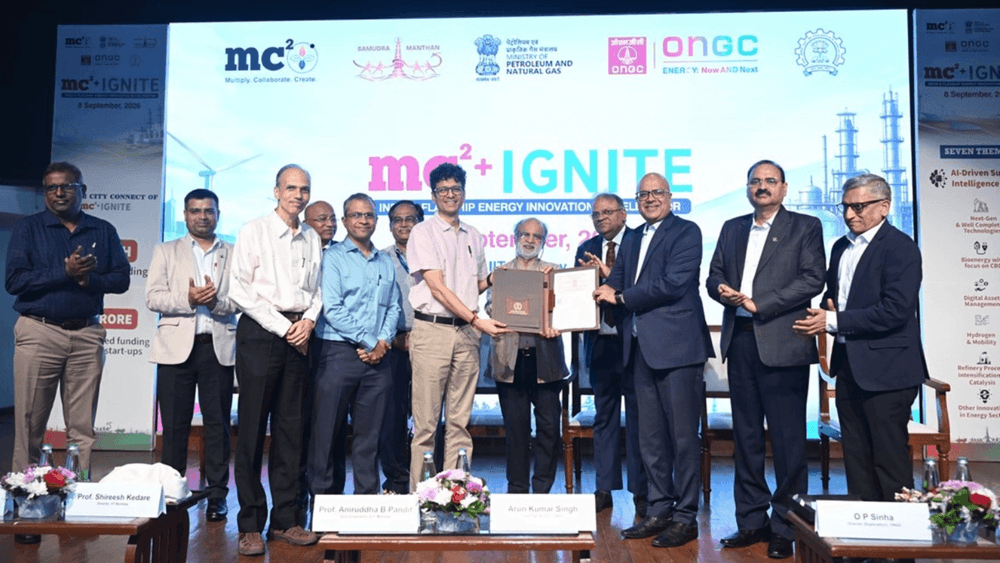
ONGC, IIT Bombay Sign MoU to Advance Energy Innovation and Startup Ecosystem
ONGC, IIT Bombay and SINE have signed an MoU to connect energy startups, academia and industry through the MC²⁺ Ignite accelerator.

All content tagged with “Oil and Gas- Upstream” - 34 items
ONGC, IIT Bombay and SINE have signed an MoU to connect energy startups, academia and industry through the MC²⁺ Ignite accelerator.
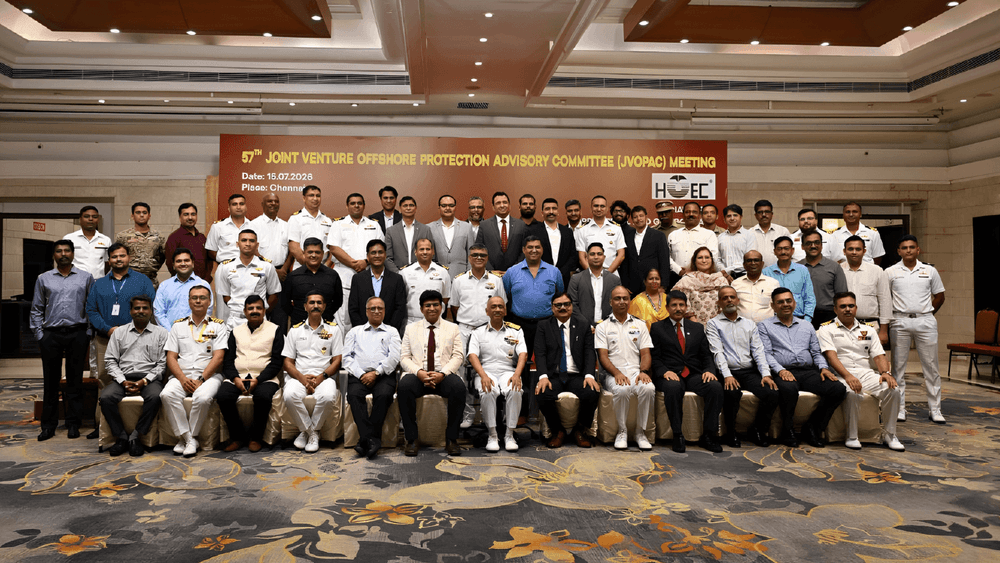
India’s offshore exploration and production sector is a strategic energy lifeline, with nearly 88% of hydrocarbon requirements met through imports, Rear Admiral Rahul Shankar said.
Nayara Energy has expanded its retail network to more than 7,000 fuel stations across India, strengthening its presence in non-metro markets, highways and underserved regions.
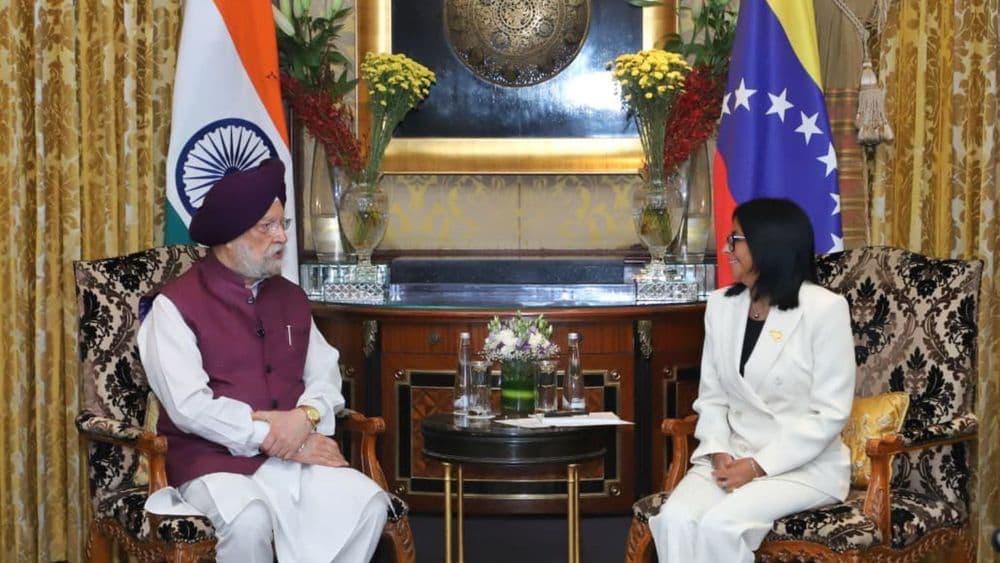
India and Venezuela have explored deeper energy cooperation as Venezuelan crude imports surge, strengthening New Delhi's energy diversification strategy amid global supply uncertainties.
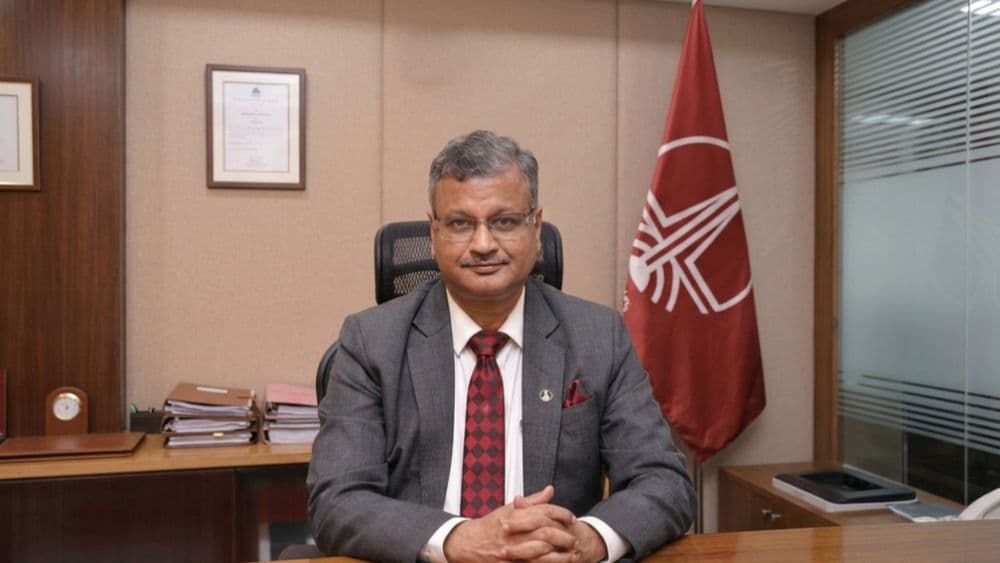
ONGC has appointed Anupam Agarwal as Director (Finance), bringing more than 35 years of experience in finance and commercial management in the oil and gas sector.
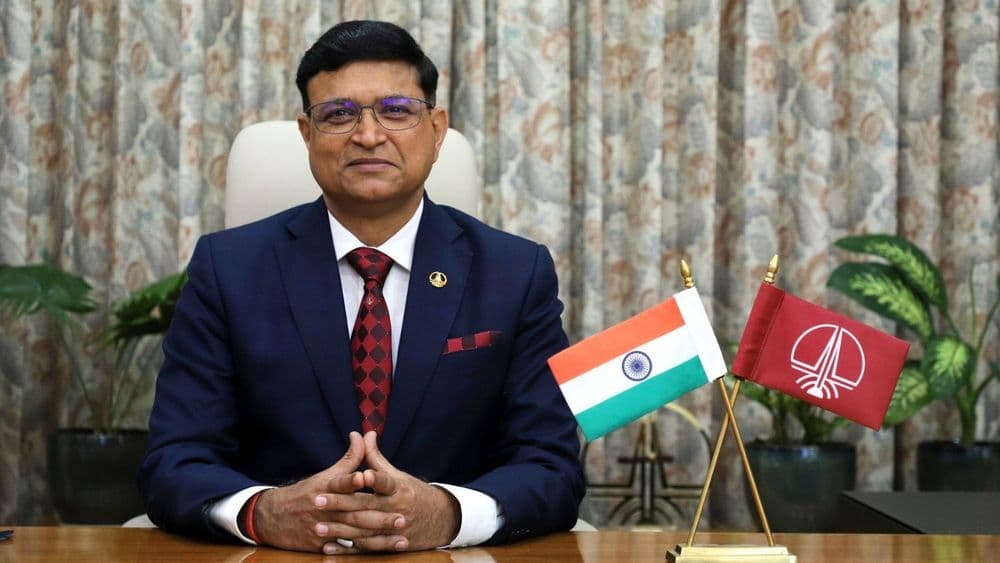
ONGC has appointed Satyan Kumar as Director (Strategy & Corporate Affairs), bringing over three decades of experience across the oil, gas and energy value chain.
India’s energy transition is not unfolding through a simple shift from old to new, but through the simultaneous management of energy security, industrial growth, decarbonisation, safety and strategic resilience.
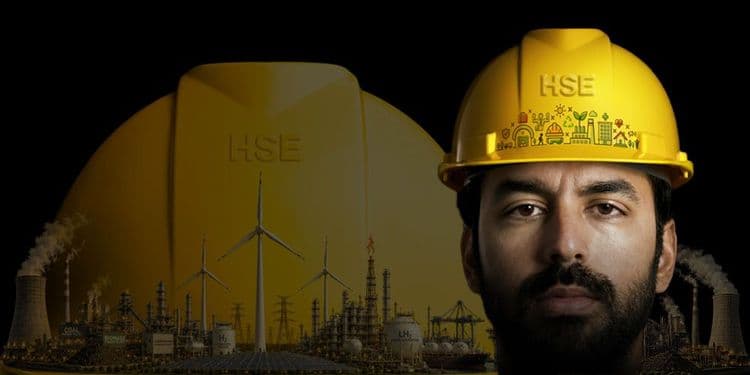
Across India’s energy value chain, Health, Safety and Environment (HSE) is being integrated into operational systems through inspections, training, audits, and monitoring, making risk management integral to how these operations run at scale.
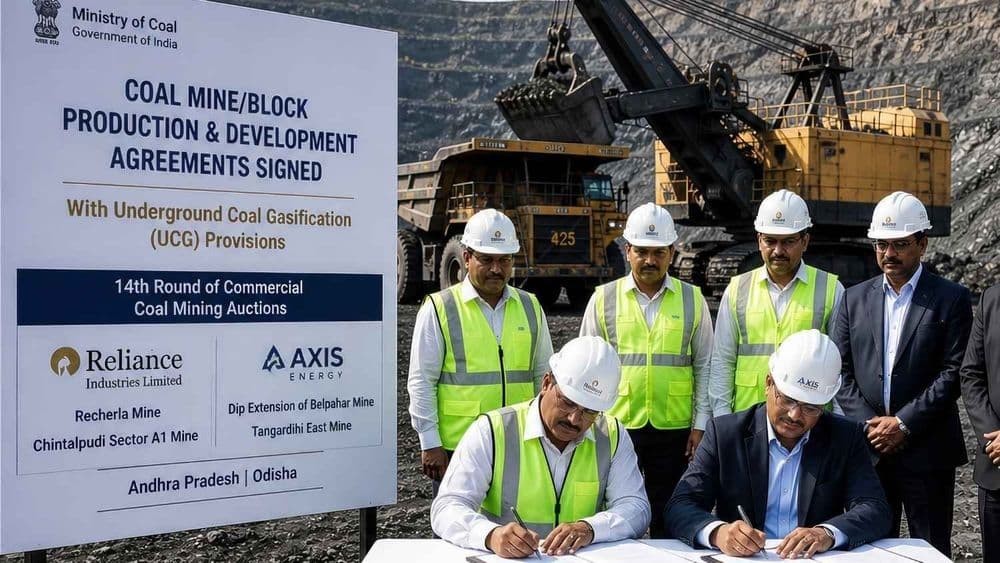
Government signs first commercial coal mine agreements with Underground Coal Gasification provisions to unlock deeper coal reserves and strengthen India’s long-term energy security and self-reliance.
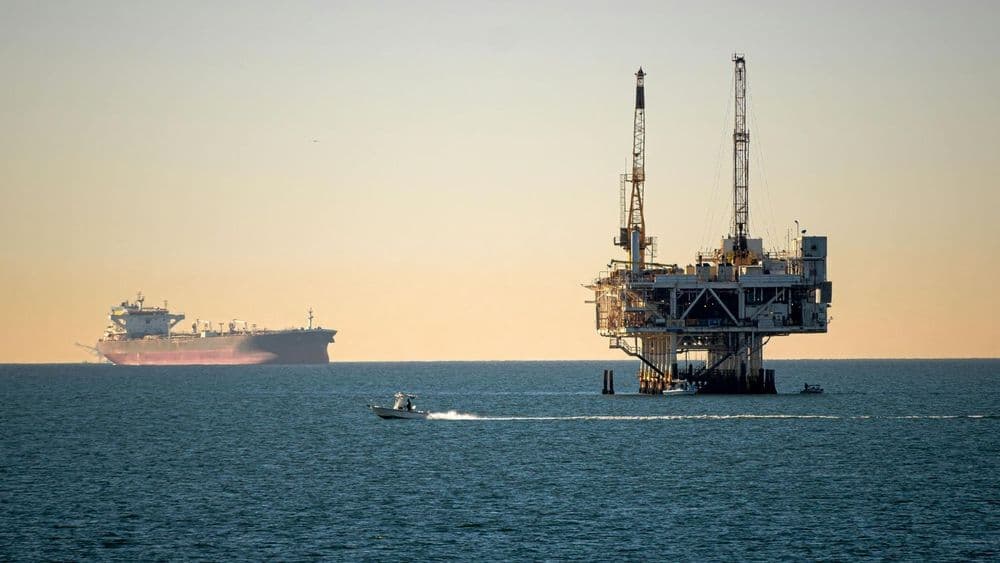
The government has revised royalty rates for crude oil and natural gas production to encourage upstream investments and improve viability of deepwater exploration projects.
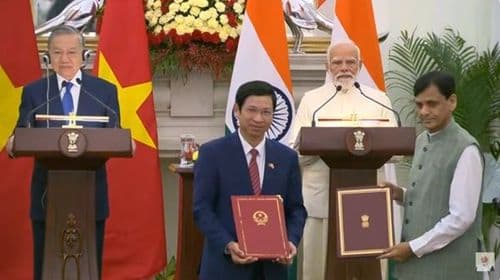
India and Vietnam agree to strengthen upstream oil and gas cooperation while expanding collaboration in renewables, nuclear energy and biofuels.
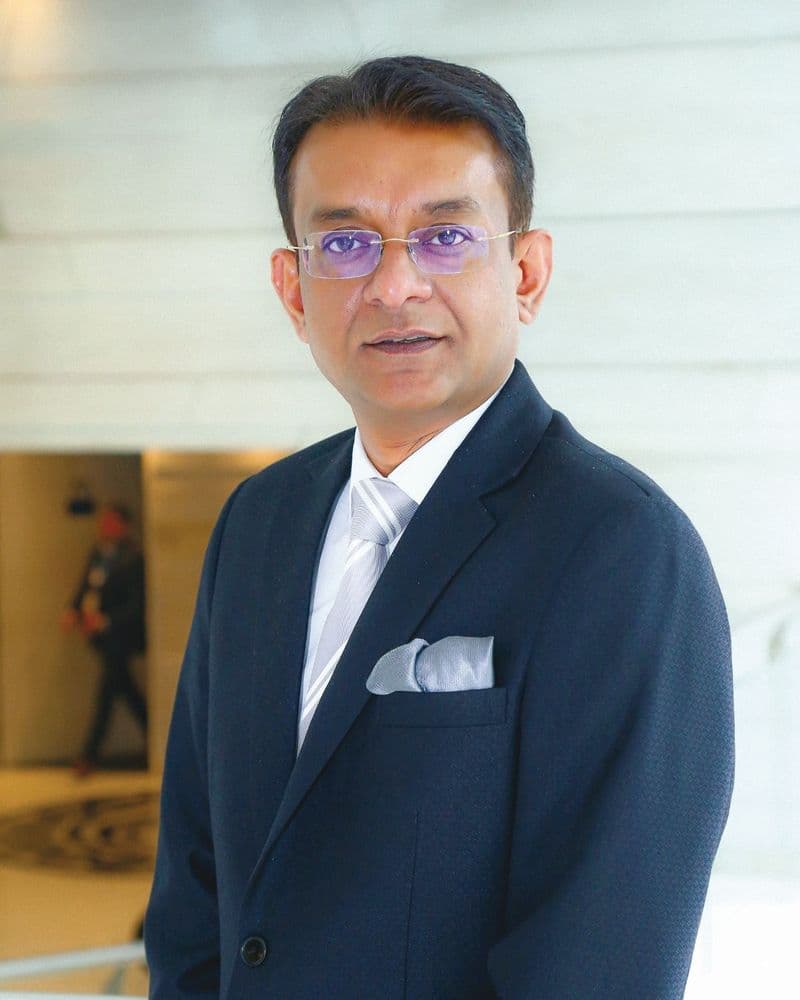
India’s energy moment demands more than transition; it requires resilient systems, secure supply chains, safety integration, and strategic design, where architecture, not ambition alone, determines enduring strength and national preparedness.
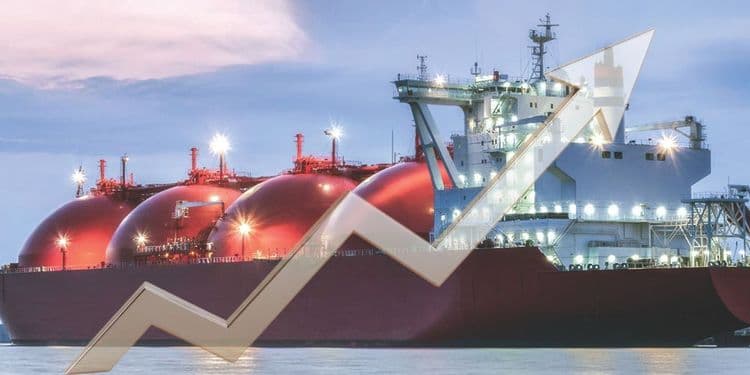
India’s energy data for 2026 highlights a sector that is meeting rising power demand and expanding renewables, but remains heavily dependent on costly oil and gas imports, keeping energy security exposed to global price volatility.
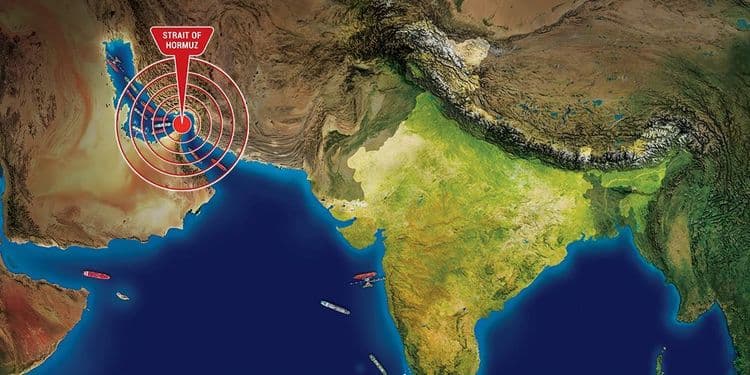
As energy security returns to the global agenda, India is managing supply risks, navigating import dependence and strengthening its energy systems, even as it advances a measured transition towards a more resilient future.
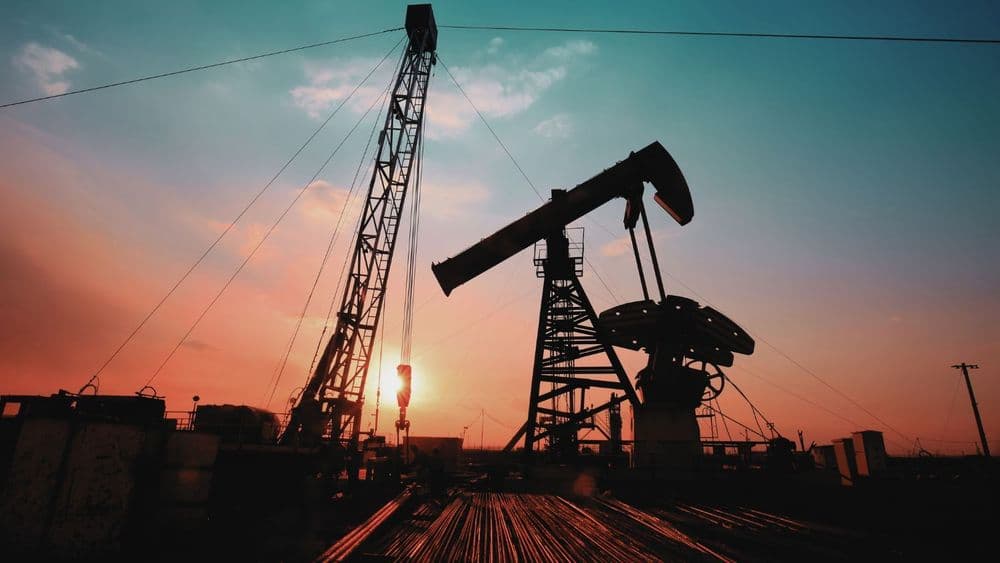
OPEC+ will adjust oil output by 2,06,000 bpd from May as it seeks to stabilise markets amid supply disruptions and rising geopolitical tensions.
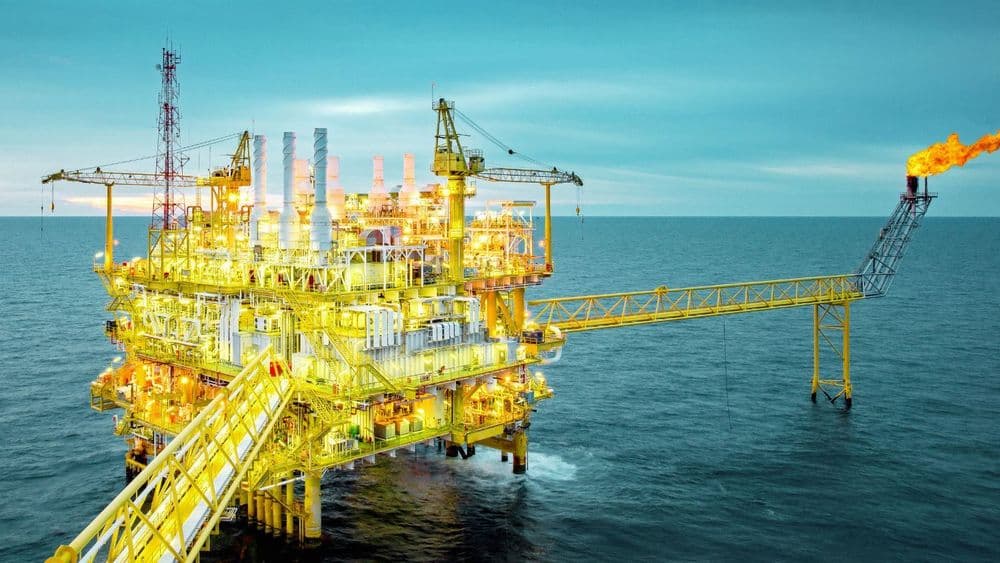
The Centre has launched OALP Round XI offering 80,228 sq km for exploration, with total acreage across rounds X and XI crossing 2.6 lakh sq km.
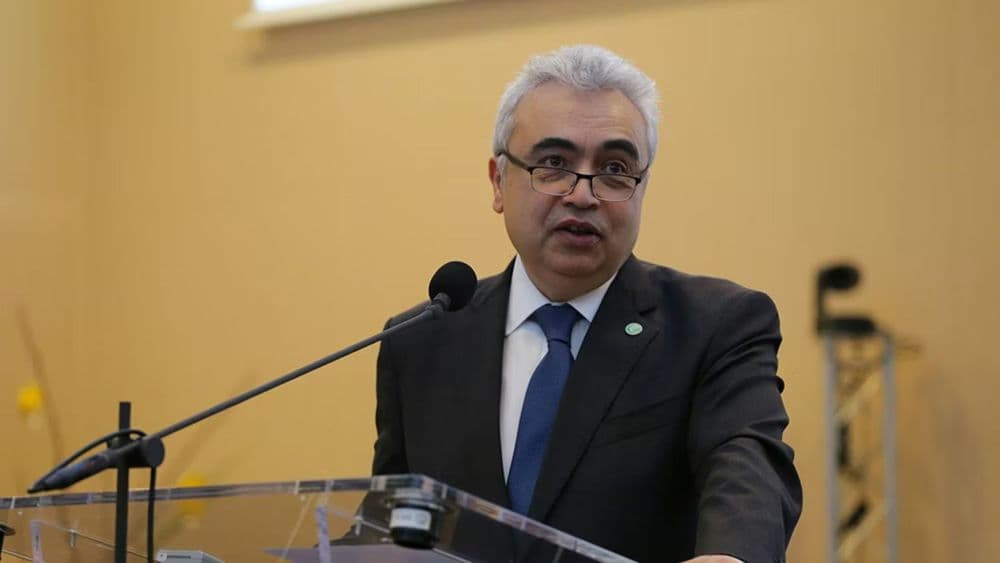
IEA says over 40 energy assets across nine countries have been severely damaged, warning of prolonged supply disruptions and impact on global energy flows.
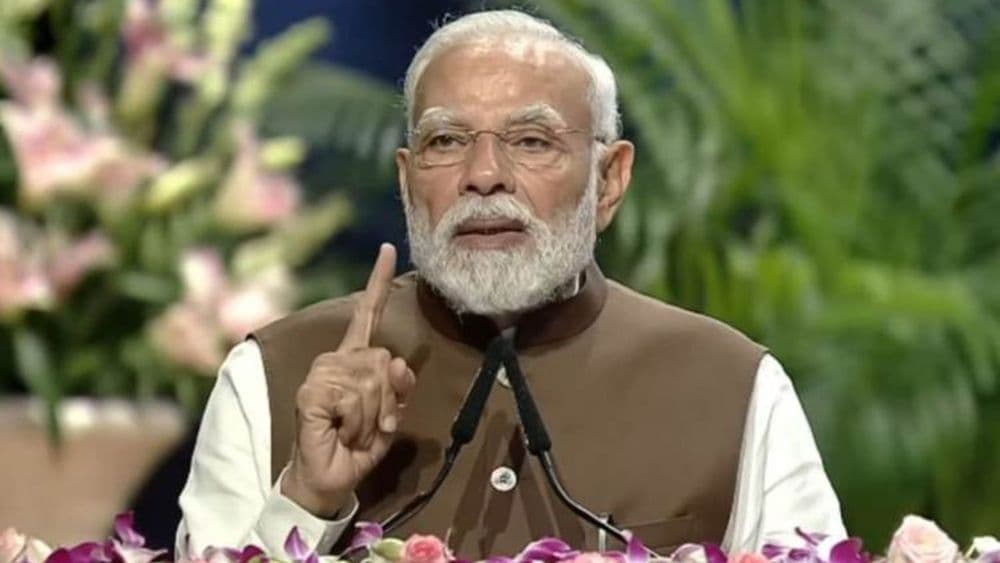
PM told Rajya Sabha today that India is in touch with Iran, Israel, US; pushes for reopening of Strait of Hormuz as crude, LPG shipments continue to arrive.
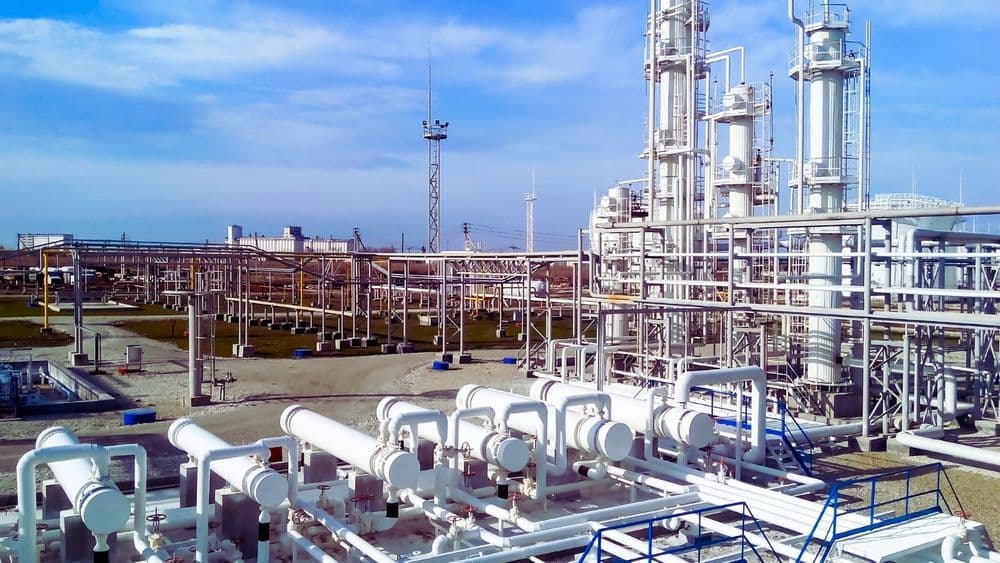
Saudi Aramco cuts crude supply to Asian buyers for a second month and reroutes shipments via Yanbu as Hormuz disruption affects oil flows.
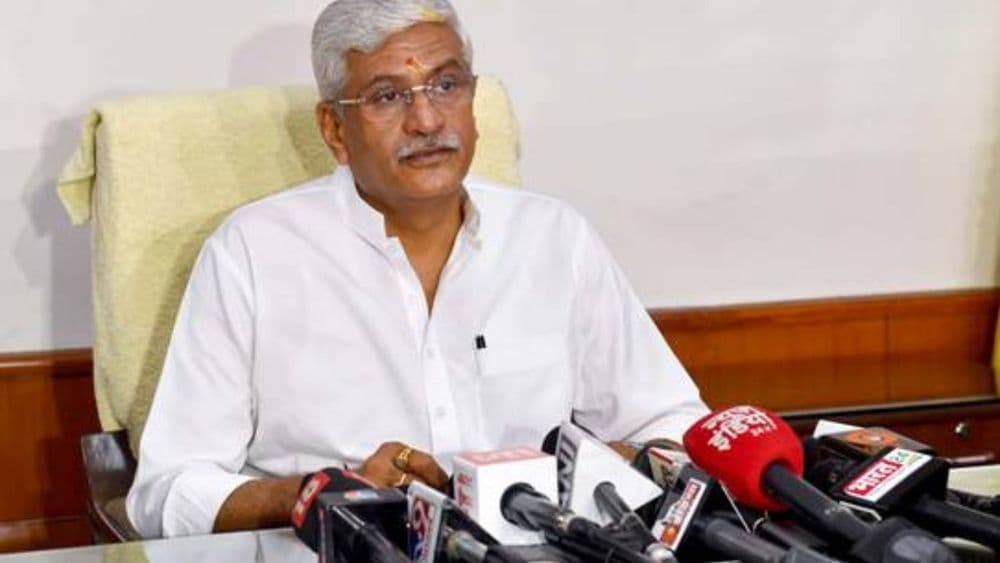
Union Minister Gajendra Singh Shekhawat said India faces no shortage of petroleum products despite the West Asia conflict, citing diversified crude imports and increased domestic LPG production.
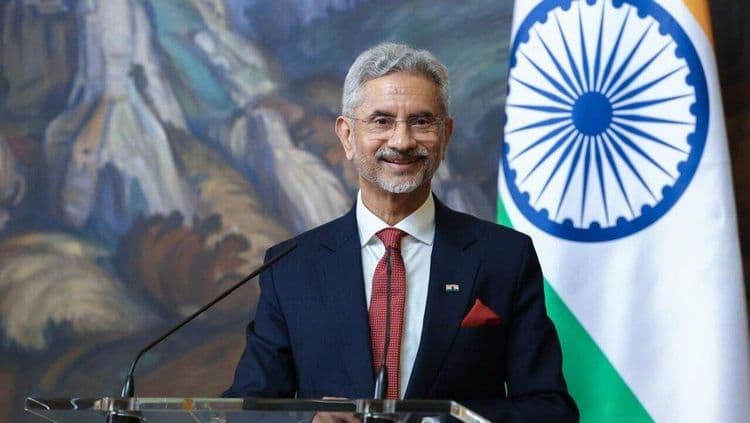
External Affairs Minister S Jaishankar said the escalating West Asia conflict has implications for India’s energy security, with the government monitoring developments and supporting domestic energy companies amid market volatility.
US Democratic lawmakers have urged Trump administration to revoke 30-day waiver allowing Indian refiners to purchase Russian oil, citing sanctions concerns as the West Asia conflict disrupts global energy markets.
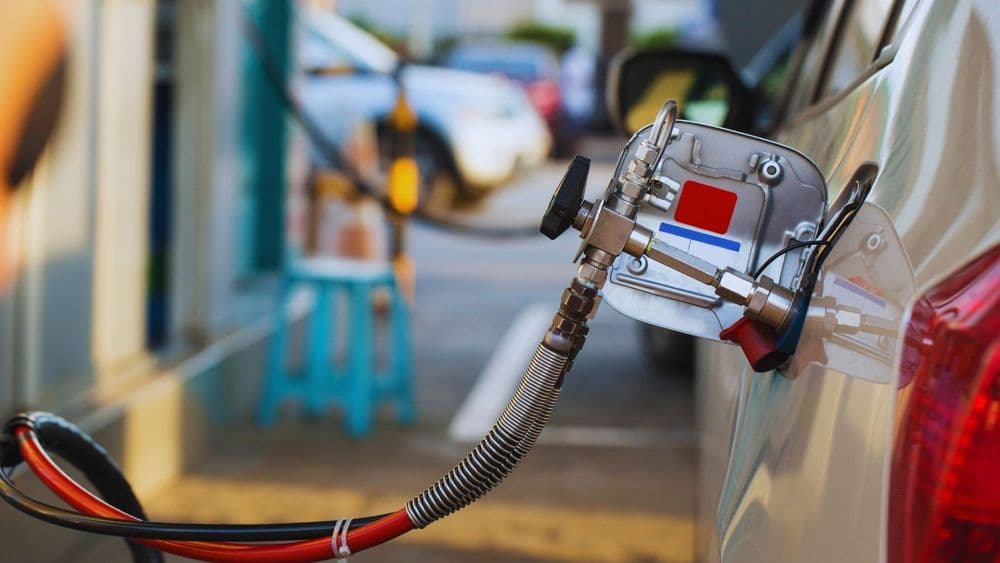
India has issued the Natural Gas (Supply Regulation) Order, 2026 to prioritise gas supply for PNG, CNG and LPG production amid disruptions to LNG shipments through the Strait of Hormuz.
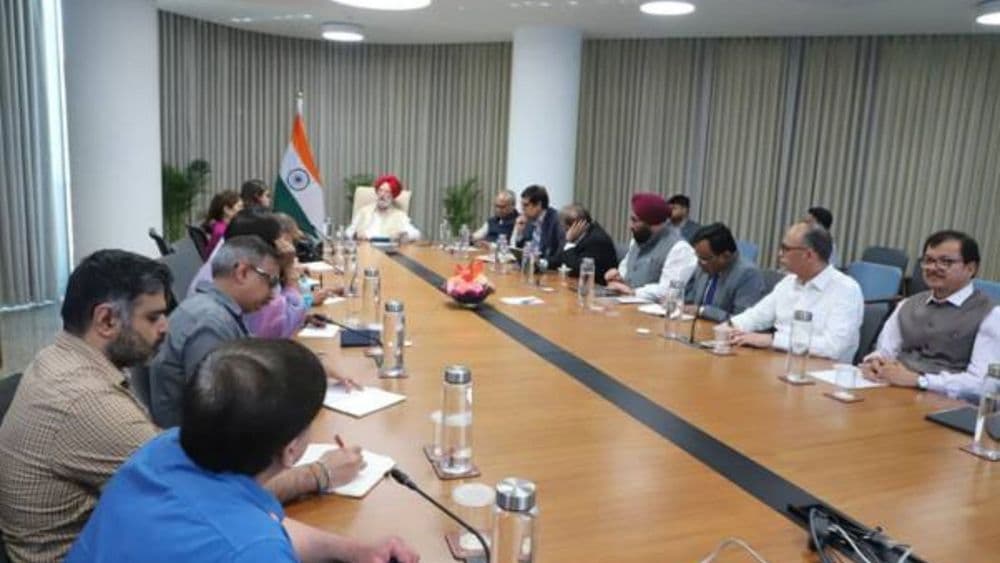
Petroleum Minister Hardeep Singh Puri said India faces no natural gas shortage despite West Asia tensions, with diversified imports ensuring full PNG and CNG supply to households.
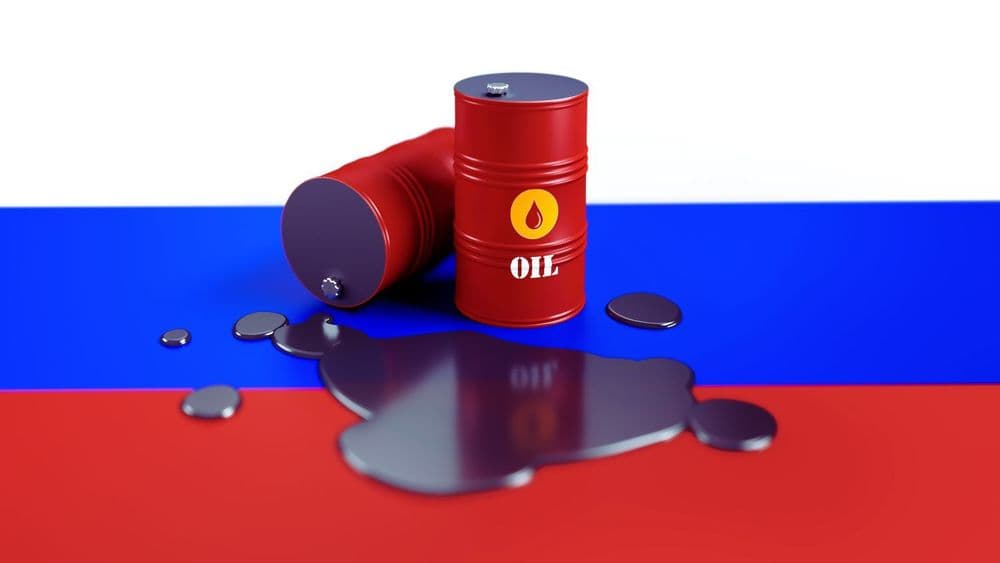
India will continue purchasing Russian crude based on market conditions and national interest, officials said, as tensions around the Strait of Hormuz raise concerns over global energy supply disruptions.
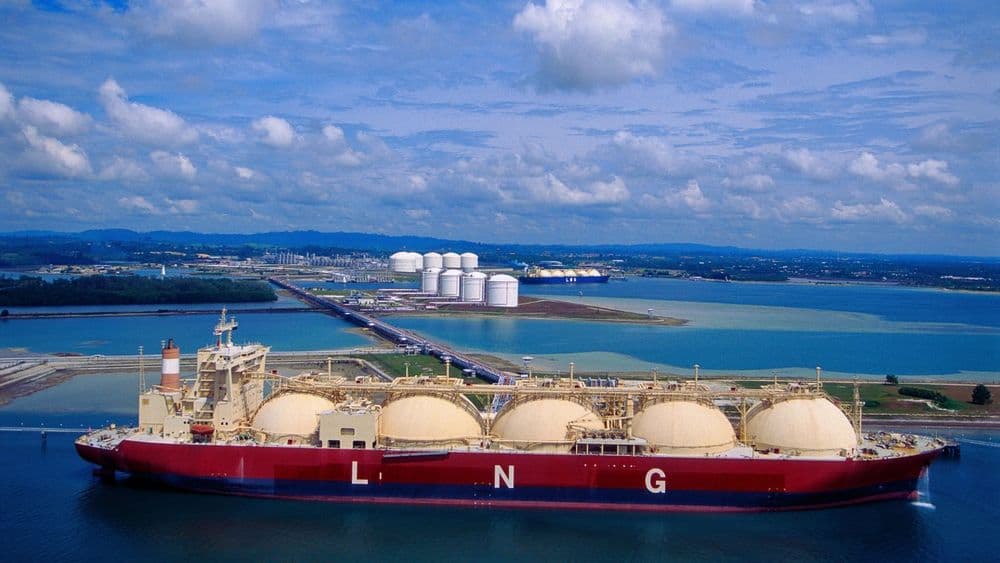
India has sufficient crude and gas stocks and is exploring alternative LNG suppliers as part of efforts to ensure stable energy supplies amid global market uncertainty, government sources has said.
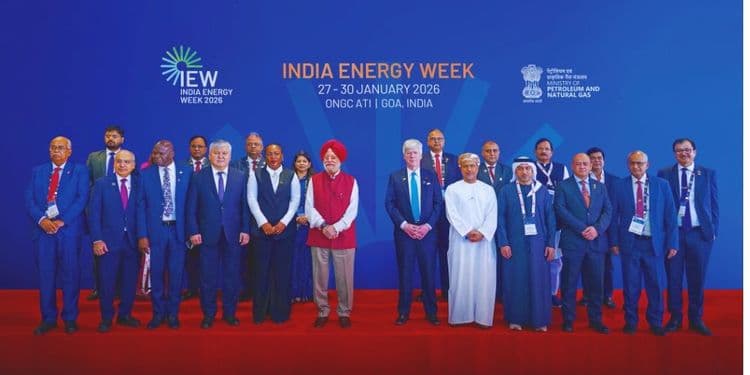
India Energy Week 2026 positioned the country at the centre of the global energy transition, emphasising that the path forward will be defined by energy addition rather than replacement. The conclave highlighted sustained investment, diversification across fuels and data-led planning as the foundations for balancing security, affordability and sustainability amid geopolitical volatility.
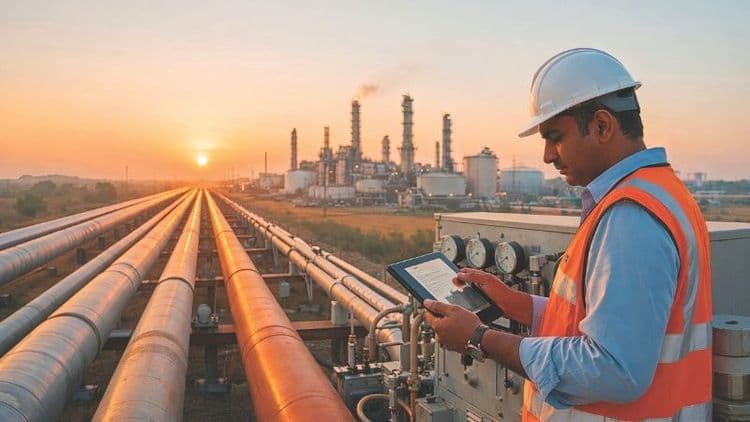
India has amended the Petroleum and Natural Gas Rules, 2025 to boost upstream investment by extending petroleum leases up to 30 years, easing single-lease operations, enabling shared infrastructure, and imposing tougher penalties for violations.
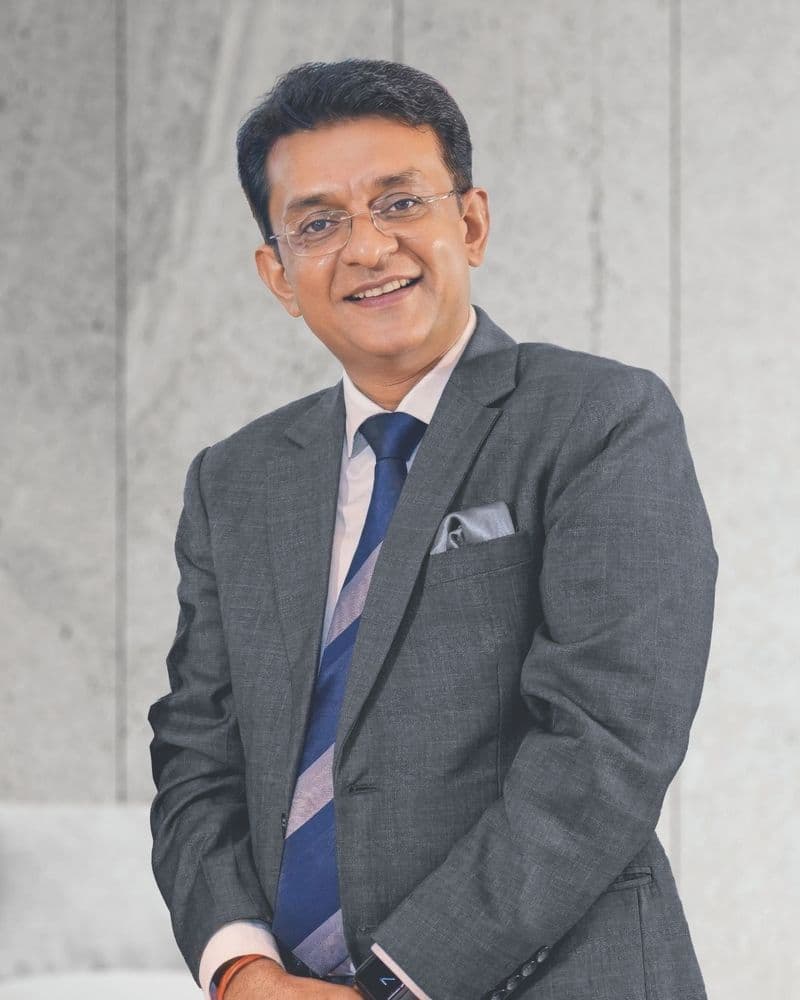
India’s energy security to 2047 will be determined not by capacity additions alone, but by whether the country can build a resilient, affordable, and competitive energy system that can absorb geopolitical shocks, manage rising demand, and decarbonise in parallel.
India is building energy resilience, not simply replacing fuels. Security, refining flexibility, grid execution, and policy reform now shape reliable decarbonisation. The next decade demands structural choices, not marginal gains.
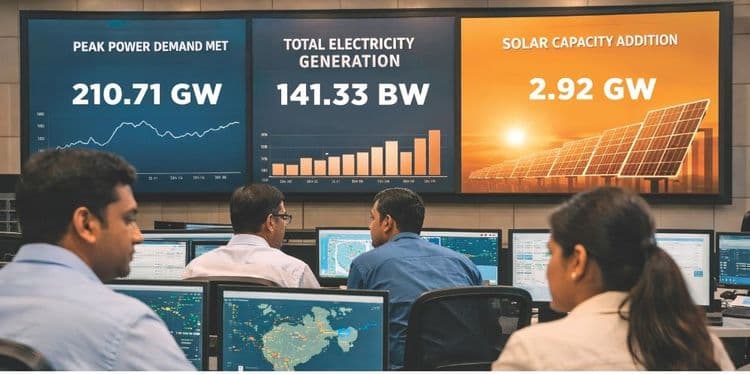
October’s official energy data captures a system in balance as steady oil and gas flows, zero peak power shortages, and renewable capacity growth led by solar with measured progress in grid modernisation.
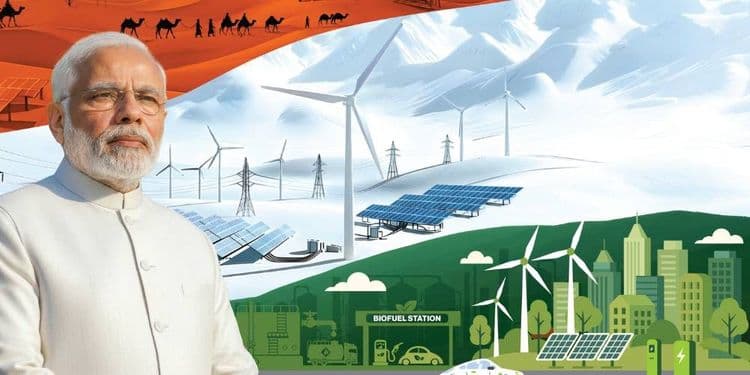
When Narendra Modi became Prime Minister in 2014, India’s energy sector was troubled by shortages and inefficiencies; a decade later, reforms have driven major progress towards clean energy leadership.
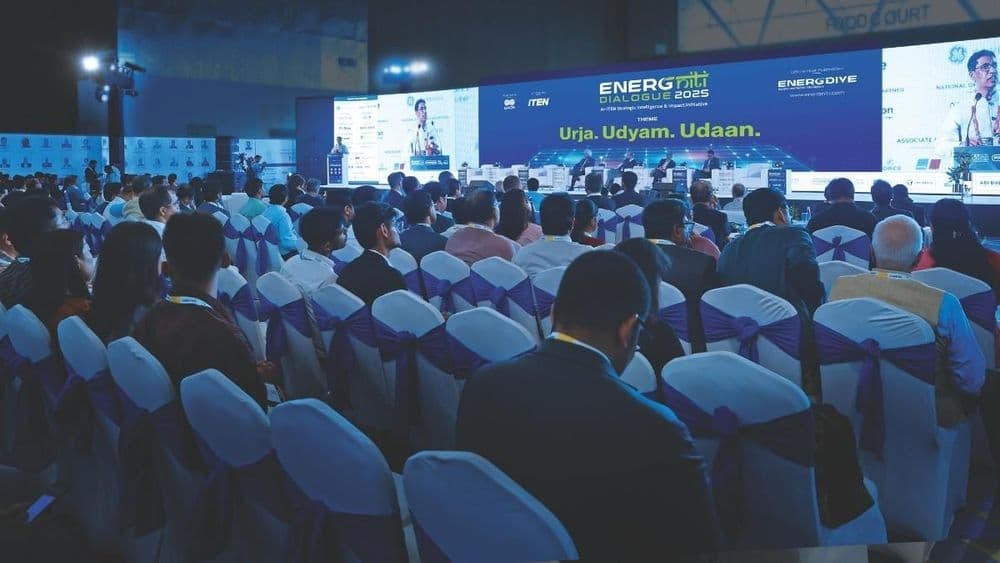
The first edition of EnergNiti Dialogue is poised to ignite the ideas, foster alliances, and drive the collective resolve to power a cleaner, smarter, and more inclusive energy future of India.
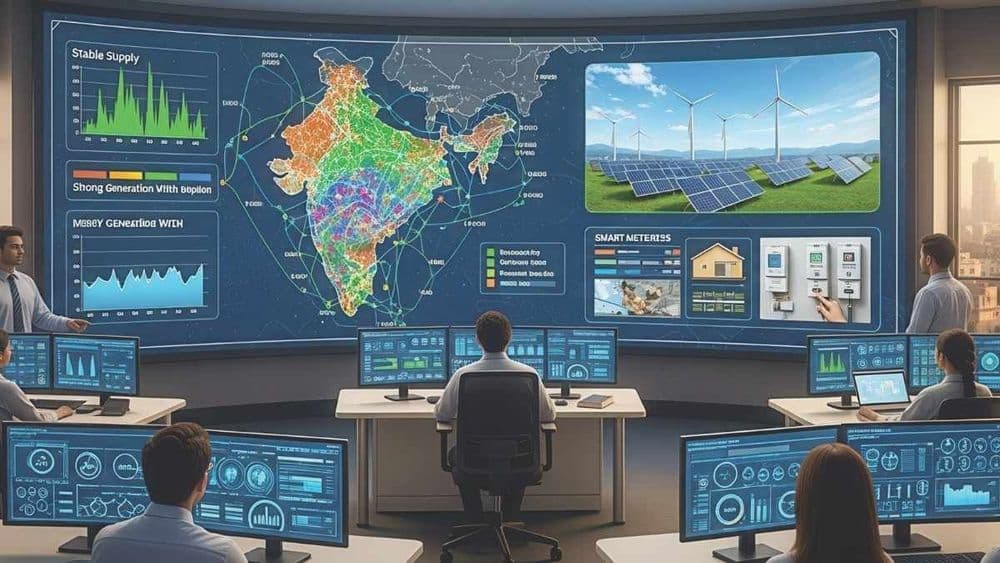
A consolidated set of official data presents the reported figures for production, processing, generation, and installations across multiple sectors in the energy landscape.