Iran says Strait of Hormuz Open but Bars US, Israel-linked Vessels
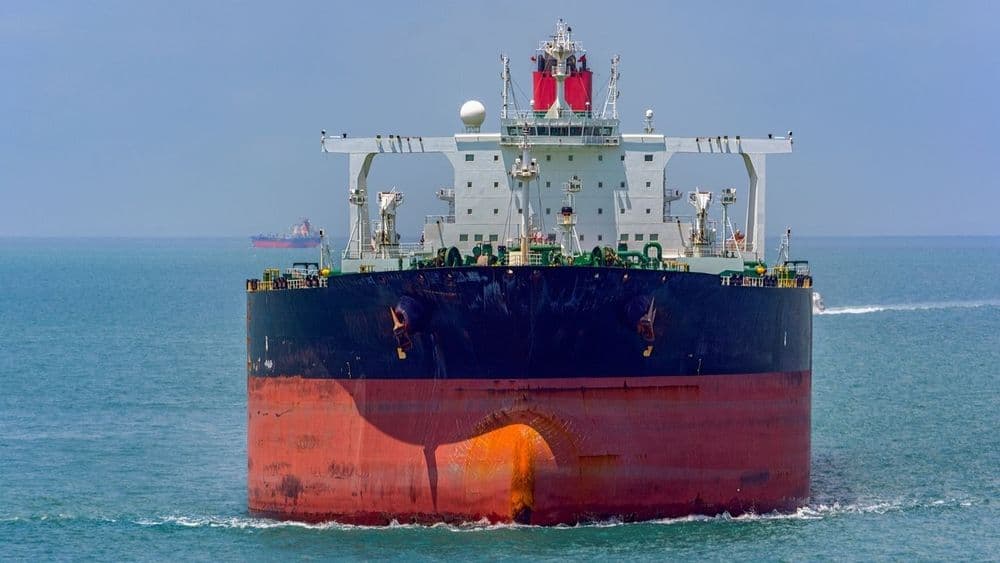
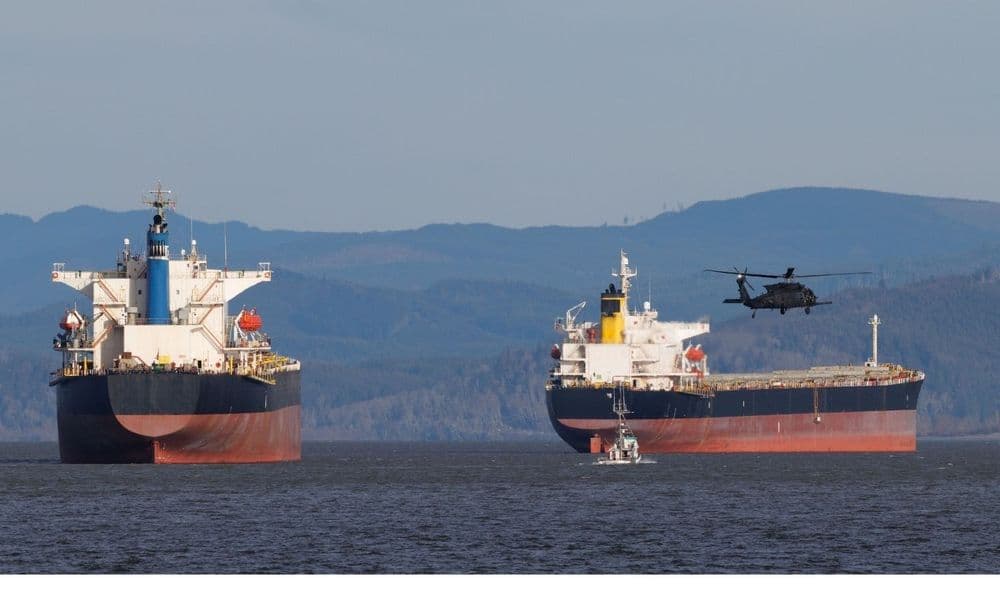
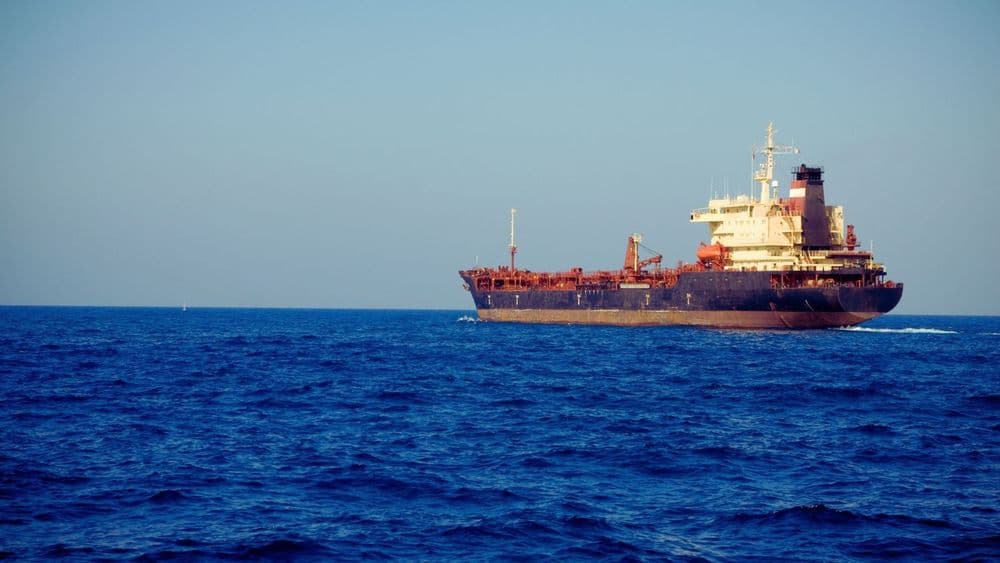
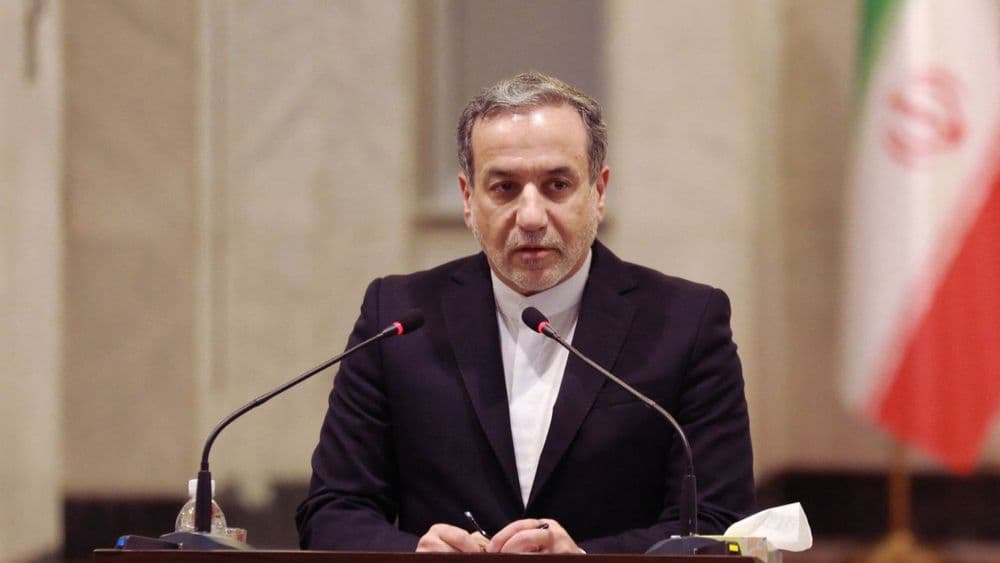
Iran’s Foreign Minister Abbas Araghchi said Strait of Hormuz remains open for international shipping but vessels linked to the US and Israel will not be allowed to pass through it.
All content tagged with “Oil Markets” - 50 items

Iran’s Foreign Minister Abbas Araghchi said Strait of Hormuz remains open for international shipping but vessels linked to the US and Israel will not be allowed to pass through it.

Brent crude rose by 2.8 percent to $107.54 a barrel since the growing number of hazards close to the key shipping routes in the Middle East have increased concerns regarding the supply chains.

Crude oil prices approach $120 per barrel amid escalating Middle East conflicts, forcing Asian governments to consider financial aid.

India incurred an estimated $22.5 billion in additional fossil fuel import costs between March and August 2026 amid the West Asia conflict, with the global impact exceeding $330 billion, according to the analysis.

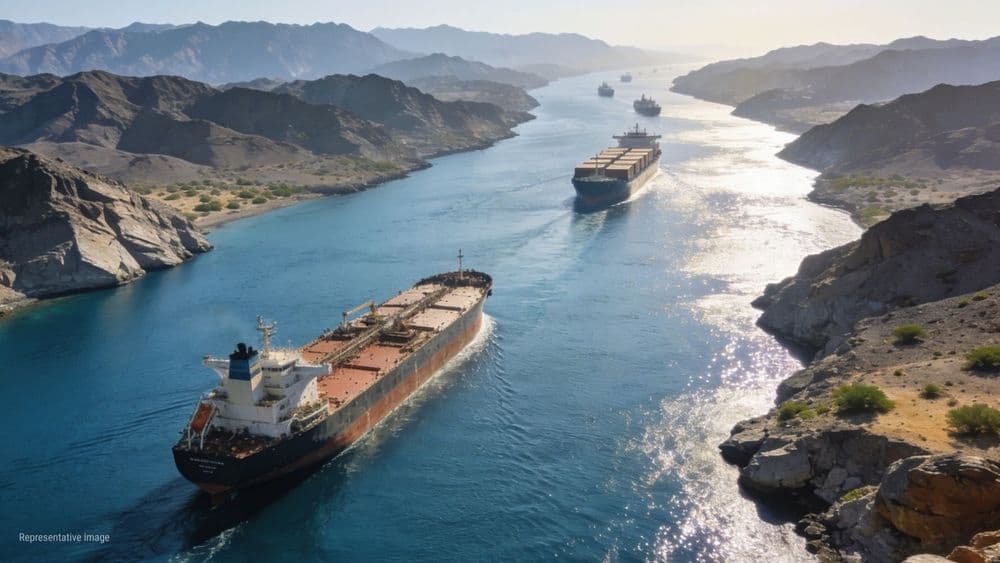
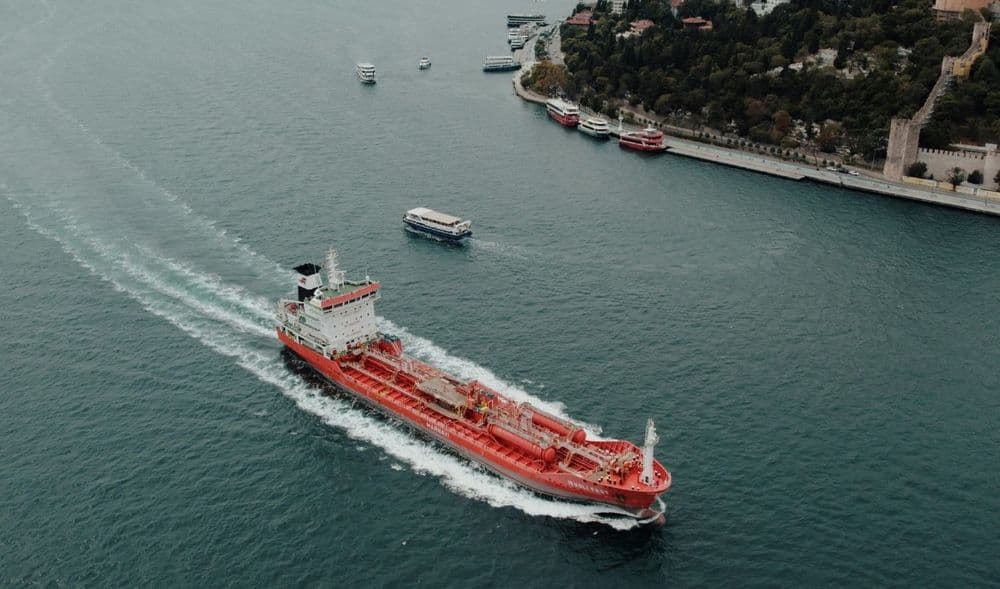
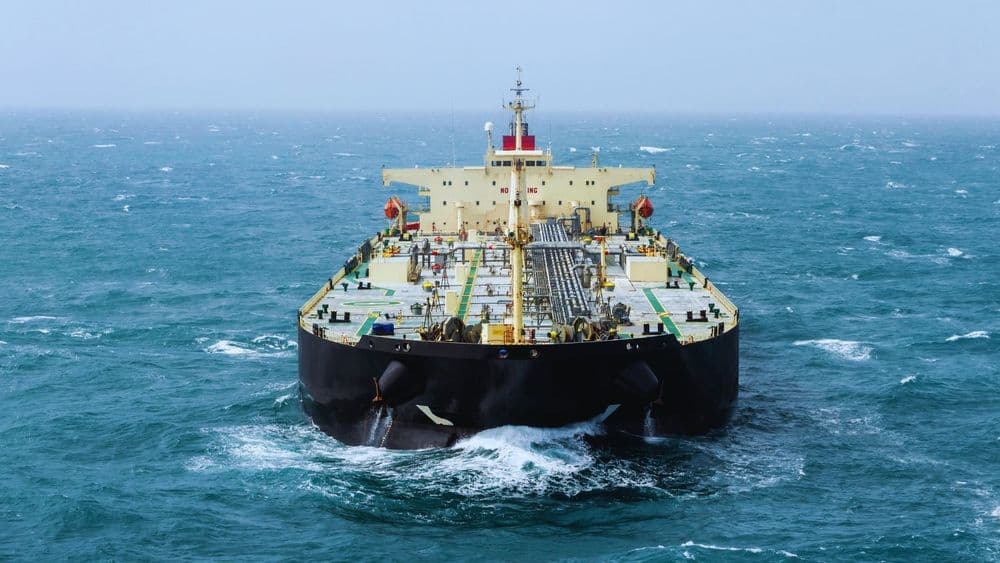
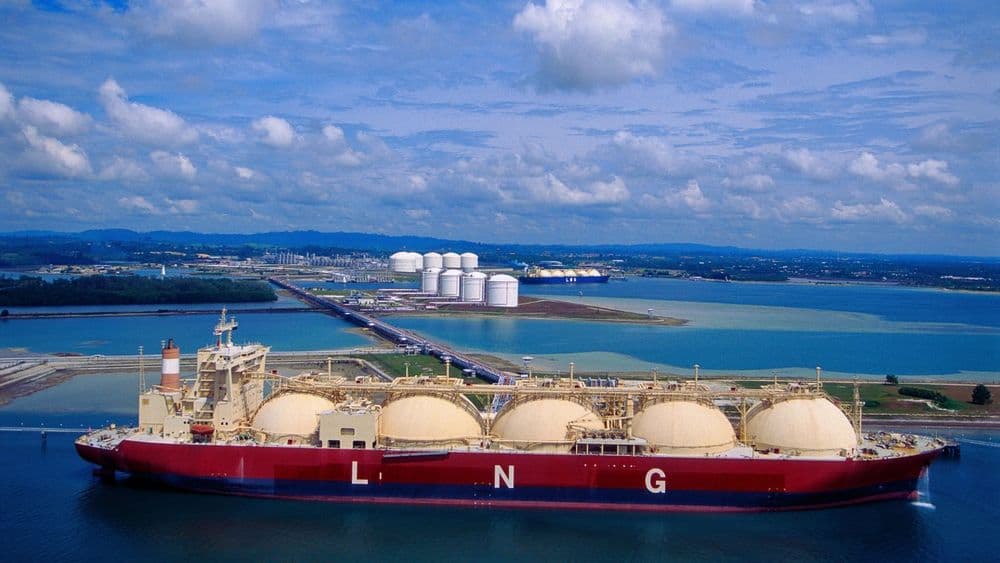
The Strait of Hormuz has seen a sharp decline in vessel traffic following the escalation of the West Asia conflict, disrupting the movement of oil, LNG and other commodities. The waterway previously handled nearly 20% of global oil and LNG exports, making the prolonged disruption a major concern for global energy security.

The United States has established a maritime shipping corridor across the Strait of Hormuz to facilitate crude oil shipments amid the ongoing conflict with Iran. The corridor is supporting nightly movement of 15 to 20 tankers, with oil exports from the Gulf reaching nearly 10 million barrels per day.

Brent crude futures rose 0.85% to $91.79 a barrel, while WTI climbed 1% to $85.79 amid uncertainty over vessel movement through the Strait of Hormuz and ongoing supply disruptions.

Brent and WTI crude prices rose after Iran said reopening Strait of Hormuz depends on the US meeting additional conditions, despite progress in talks with Oman on new shipping arrangements.

Global oil prices rose on Friday, with Brent crude climbing above $83 per barrel, as renewed tensions in West Asia reignited concerns over potential disruptions to global energy supplies through the Strait of Hormuz.

Shipping activity through the Strait of Hormuz and Bab el-Mandeb Strait rebounded on July 29, while increasing dark vessel activity and a buildup of VLCCs at Egypt's Sidi Kerir highlighted continued security and logistical challenges.

Brent Crude fell more than 7% after signs of de-escalation between the US and Iran eased immediate supply concerns, though analysts cautioned that risks around the Strait of Hormuz continue to keep markets on edge.

Crude oil prices climbed to their highest level in six weeks as escalating tensions in West Asia and fresh threats to key shipping routes heightened concerns over global oil supplies. Brent settled at $96 per barrel, while WTI rose to $88.24.

IOCL and MRPL. have suspended crude oil loadings from Iraq as security risks in the Strait of Hormuz continue to disrupt regional oil shipments.

Goldman Sachs has warned Brent crude could rise to $120 a barrel by the fourth quarter if disruptions in the Strait of Hormuz continue, while maintaining its base-case forecast of $80 amid expectations of easing regional tensions

Brent crude has surged above $90 per barrel for the first time since June 2026 as escalating US-Iran hostilities and disruptions in the Strait of Hormuz fuel concerns over global oil supply and shipping.

India's downstream sector is pursuing Net Zero through multiple technologies while safeguarding energy security, affordability and competitiveness.

As pipelines, Liquified Natural Gas (LNG), city gas networks and compressed biogas infrastructure expand, India’s push towards a gas-based economy is steadily reshaping fuel accessibility, mobility and energy consumption across sectors.

Oil prices climbed for a fourth straight session as renewed US-Iran hostilities and disruptions in the Strait of Hormuz heightened concerns over global crude supplies.

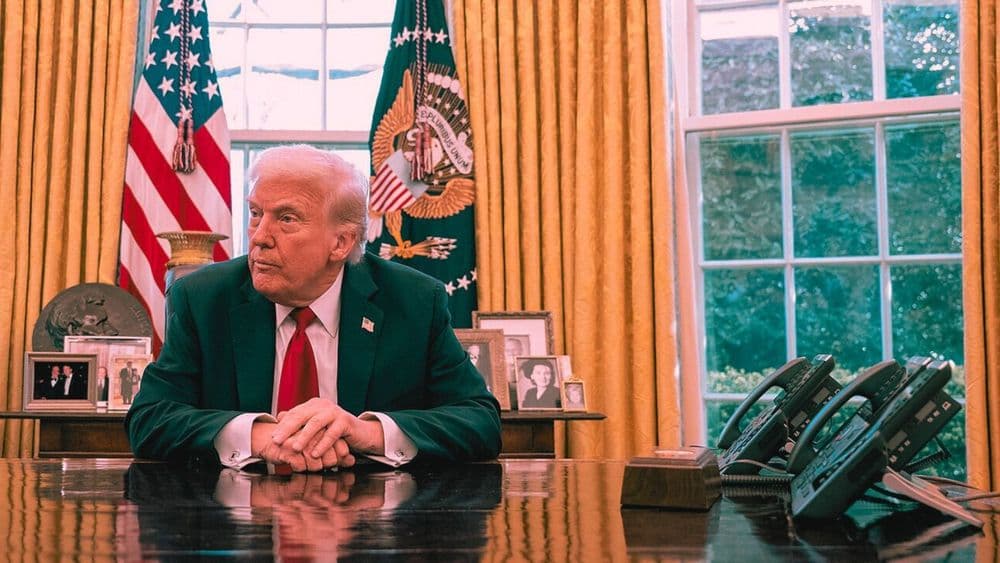
The US has launched military strikes on Iranian facilities near the Strait of Hormuz, with President Donald Trump claiming control of the strategic waterway, raising concerns over global energy trade and India's oil imports.

Oil prices climbed 4% after fresh US-Iran military strikes reignited concerns over energy shipments through the Strait of Hormuz, with vessel traffic dropping to a five-week low.

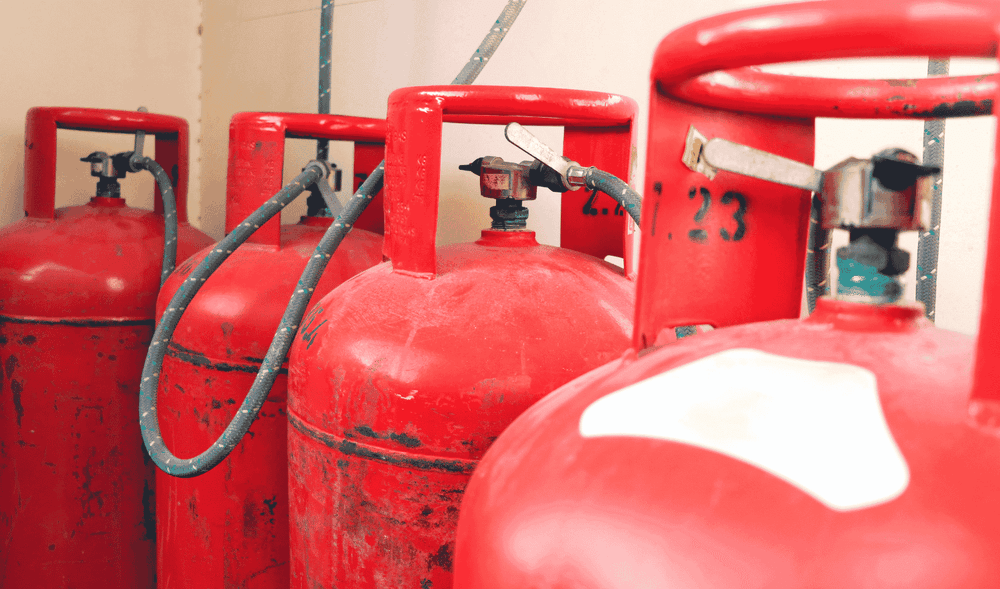
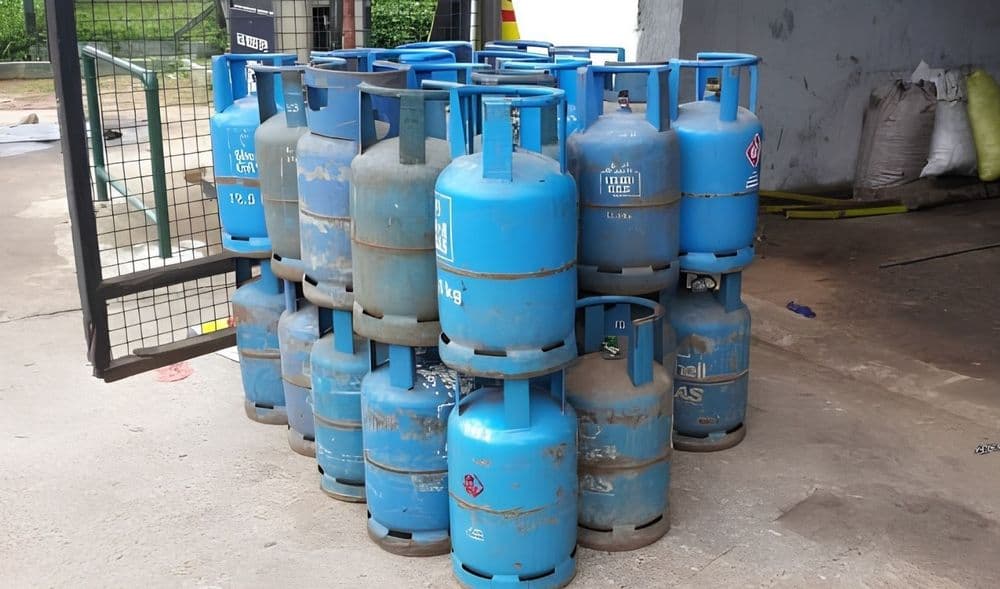
State-run oil companies are set to introduce 10 kg lightweight composite LPG cylinders, offering a more portable fuel option for households and small commercial users.

Citigroup expects Brent crude prices to decline to $60 per barrel by the end of the year as shipping through the Strait of Hormuz normalises, easing supply chain disruptions and improving stability in global energy markets.

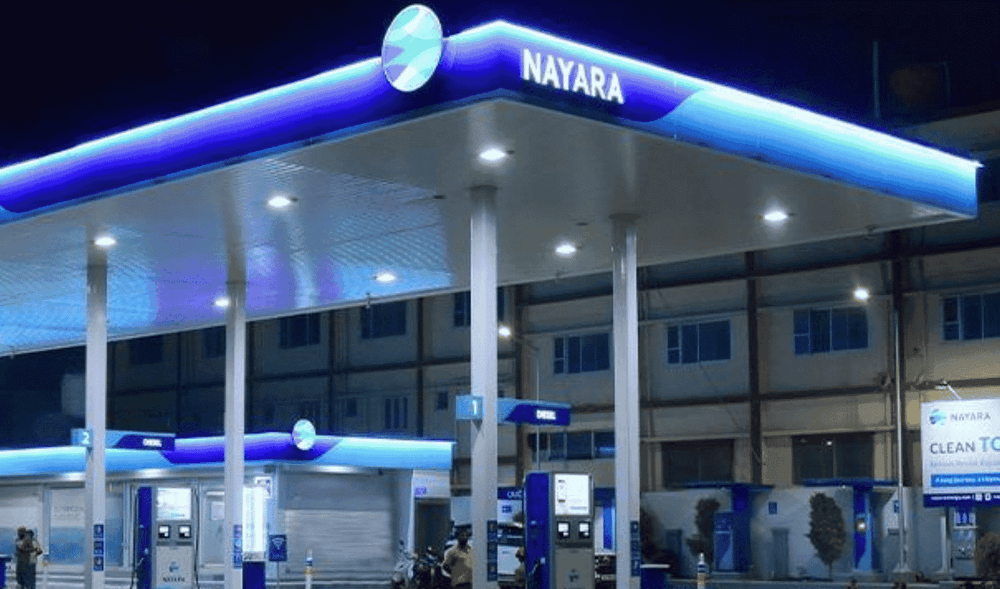
Nayara Energy has reduced petrol by ₹5/litre and diesel by ₹3/litre across 7,000+ fuel stations, reversing its March hike as easing West Asia tensions softened global crude oil prices.

Iran and Oman have proposed transit payments for vessels using the Strait of Hormuz, drawing US opposition amid concerns over compulsory shipping charges and global trade.

Oil marketing companies have reduced the price of 19 kg commercial LPG cylinders by ₹183.50, marking the first cut this year as easing global energy markets lower fuel costs.

Oil prices edged higher after renewed US-Iran strikes slowed energy shipments through the Strait of Hormuz, raising concerns over global crude supply. However, gains remained limited following reports that both countries have agreed to resume talks in Qatar.

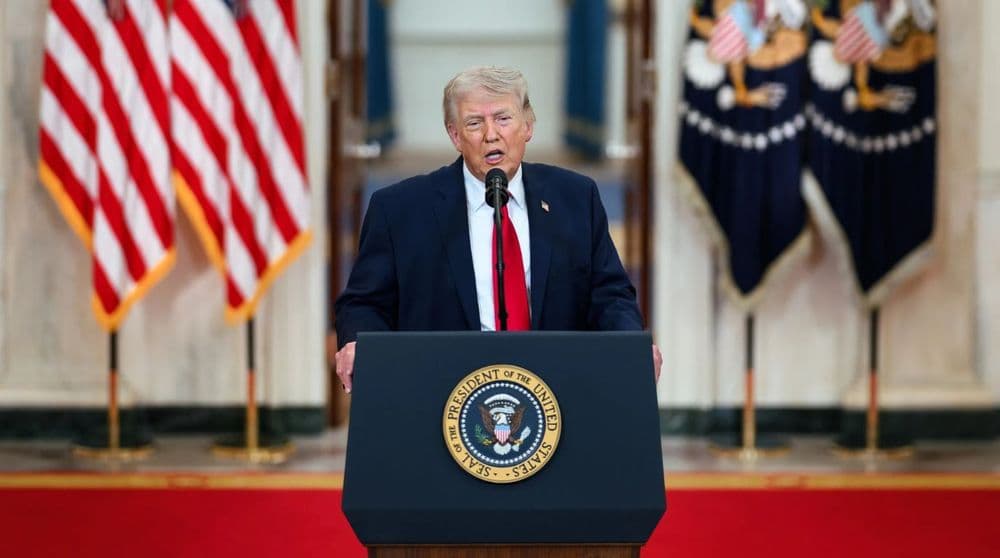
US President Donald Trump has ordered an investigation into fuel pricing practices, accusing oil companies of failing to pass on lower crude oil costs to consumers.

US President Donald Trump has indicated that a deal with Iran could be signed soon, potentially reopening the Strait of Hormuz and easing concerns over global oil supplies and energy prices.

Fuel retailers have increased petrol, diesel and CNG prices amid rising global crude oil prices triggered by escalating geopolitical tensions in West Asia.

The Centre capped Aviation Turbine Fuel price hikes for domestic airlines to about 25 percent while allowing full pass-through for international carriers amid global energy pressures.

Global crude oil prices surpass $116 a barrel as escalating tensions in West Asia and concerns over Strait of Hormuz disruptions pushed prices to a two-week high.

The Centre has reduced excise duty on petrol and diesel by ₹10 per litre and imposed export duties on diesel and ATF to ensure domestic availability amid West Asia crisis.

Iran says it is allowing vessels from select countries, including India, to pass through the Strait of Hormuz, while restricting access for others amid West Asia the ongoing conflict.
Brent crude falls to near $96 after Trump signals pause on Iran strikes, but rebounds above $100 as supply risks via Hormuz continue.
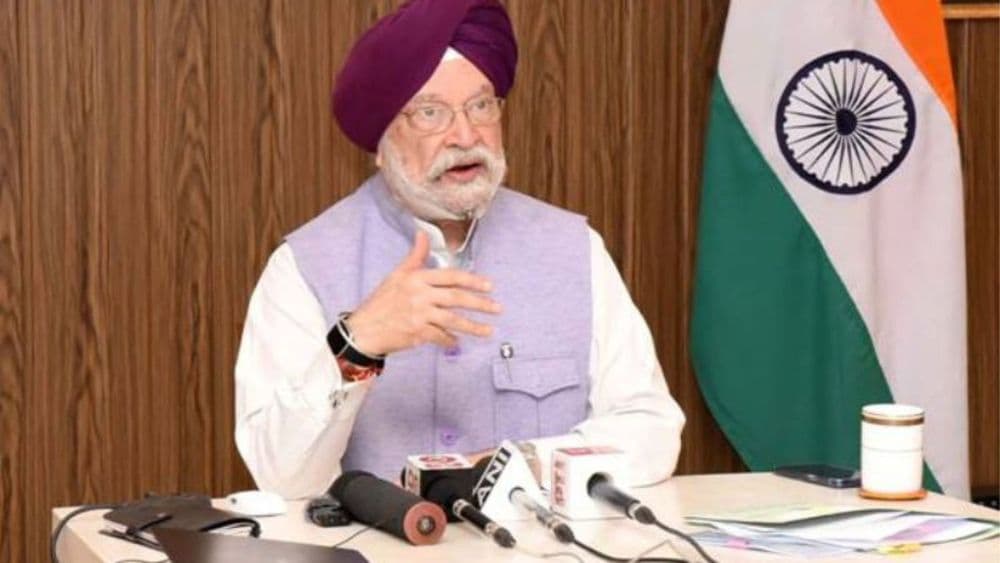
The US is weighing a temporary easing of sanctions on Iranian oil held in tankers to stabilise global markets amid Gulf conflict, offering limited short-term relief to countries like India.

Crude oil prices surged after strikes on key energy infrastructure in West Asia raised fears of supply disruptions and heightened geopolitical tensions.

A Parliamentary panel has recommended that India raise its crude oil reserves to 90 days, expand PNG connections and improve LPG affordability to strengthen energy security.

Around 90 vessels have transited the Strait of Hormuz since the start of the conflict, with Iran continuing crude exports, indicating partial disruption rather than a full blockade.

The government has advised consumers not to store petrol or diesel in loose containers, warning of safety risks, while assuring that fuel supplies remain adequate at retail outlets across India.

India has increased crude sourcing outside the Strait of Hormuz to about 70 percent of imports amid West Asia disruptions, Petroleum Minister Hardeep Singh Puri told Parliament.

India welcomed International Energy Agency’s decision to release emergency oil stocks to stabilise global markets as tensions in Middle East and disruptions around the Strait of Hormuz threaten energy supplies.

India will supply 5,000 tonnes of diesel to Bangladesh under an existing fuel agreement as both countries monitor global energy markets amid tensions in West Asia.

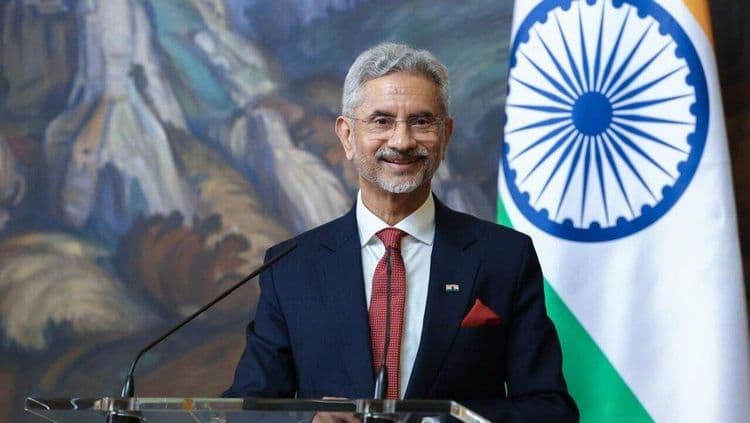
External Affairs Minister S Jaishankar said the escalating West Asia conflict has implications for India’s energy security, with the government monitoring developments and supporting domestic energy companies amid market volatility.

US Democratic lawmakers have urged Trump administration to revoke 30-day waiver allowing Indian refiners to purchase Russian oil, citing sanctions concerns as the West Asia conflict disrupts global energy markets.

India has issued the Natural Gas (Supply Regulation) Order, 2026 to prioritise gas supply for PNG, CNG and LPG production amid disruptions to LNG shipments through the Strait of Hormuz.

Petroleum Minister Hardeep Singh Puri said India faces no natural gas shortage despite West Asia tensions, with diversified imports ensuring full PNG and CNG supply to households.

Brent crude surged past $100 a barrel for the first time since 2022 as escalating conflict involving the US, Israel and Iran raised fears of global oil supply route disruptions.

India will continue purchasing Russian crude based on market conditions and national interest, officials said, as tensions around the Strait of Hormuz raise concerns over global energy supply disruptions.

India has sufficient crude and gas stocks and is exploring alternative LNG suppliers as part of efforts to ensure stable energy supplies amid global market uncertainty, government sources has said.

Russia is prepared to divert around 9.5 million barrels of crude to India as tensions in West Asia threaten oil flows through the Strait of Hormuz, raising concerns over supply security.