India Achieves 54.18% Non-Fossil Power Capacity, Cuts Emissions Intensity by 37.38%
India has achieved 54.18% non-fossil installed power capacity and reduced GDP emissions intensity by 37.38% from 2005 levels, the government said.

All content tagged with “safety & Environment” - 22 items

India has achieved 54.18% non-fossil installed power capacity and reduced GDP emissions intensity by 37.38% from 2005 levels, the government said.

From Bhopal to Deepwater Horizon, history shows that catastrophic accidents are rarely unforeseen—they are often the consequence of organisations failing to act on warning signs, sustain a strong safety culture and learn from near misses.

As energy and petrochemical companies confront evolving workplace risks, occupational health is emerging as a strategic business priority rather than a compliance function. In an interview with ENERGDIVE, Dr R Rajesh, Group Head, Medical Services, Reliance Industries Ltd, discusses predictive health systems, workforce resilience, ESG integration and the future of occupational health in high-risk industries.

The Appointments Committee of the Cabinet has extended the tenure of Shyam Jagannathan as Director General (Shipping) until June 2028, ensuring continuity in India's maritime regulatory and shipping reforms.

As the country’s oil and gas industry is increasingly becoming digital and inter-connected, their process safety management is noticeably transforming– from a traditional monitoring system to an intelligent and real-time decision-making framework. In an interview with ENERGDIVE, Badal Roy, Former Executive Director, Oil and Natural Gas Corporation Ltd, feels that Artificial Intelligence (AI), Machine Learning (ML), Industrial Internet of Things (IIoT) and predictive analytics will redefine how the industry assess risks, manage emergencies and strengthen operational resilience.

As industries across the Asia-Pacific region accelerate investments in Liquified Natural Gas (LNG), hydrogen, refining and petrochemicals, process safety is emerging as a boardroom priority rather than just a compliance requirement. Ajay Gurao, General Manager at Dekra India, sat down with ENERGDIVE to discuss leadership blind spots, safety culture, digitalisation, and why AI-driven process safety systems could shape the sector by 2030.

Across India’s energy value chain, Health, Safety and Environment (HSE) is being integrated into operational systems through inspections, training, audits, and monitoring, making risk management integral to how these operations run at scale.

India notifies Electricity (Amendment) Rules, 2026, easing captive power norms, recognising group structures, enabling flexible usage, and introducing verification mechanisms to boost industrial competitiveness and investment in non-fossil power projects.

India approves updated NDC under UNFCCC, targeting 47% emissions intensity reduction, 60% non-fossil capacity, and expanded carbon sink, advancing its 2070 net-zero goal.

The Process Hazard Analysis Software Tool (PHAST) integrates discharge, dispersion and effects modelling into the Process Hazard Analysis (PHA) process to quantify fire, explosion and toxic release consequences under specified conditions.

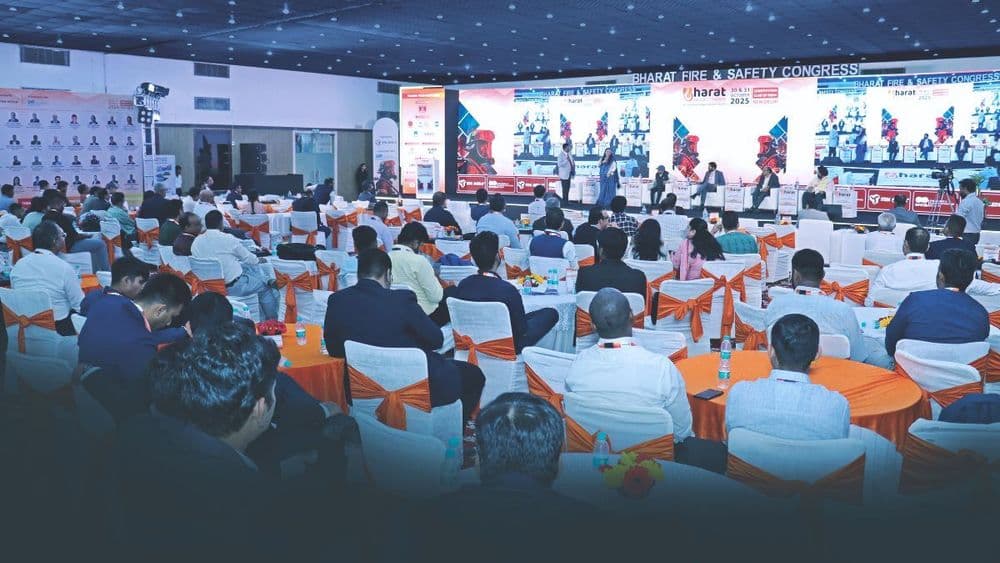
As India advances towards Vision 2047, the Bharat Fire Safety Congress 2026 positions national preparedness, digital intelligence and institutional modernisation at the centre of a transformative fire safety agenda.

As energy demand rises and the transition gathers pace, the industry faces a widening skills gap — and expanding women’s participation across the value chain is emerging as a strategic lever to strengthen competitiveness, resilience and long-term growth.

This system-level outlook looks beyond targets to examine how execution capacity, system integration, and affordability will shape India’s energy transition and the reliability of future power supply.

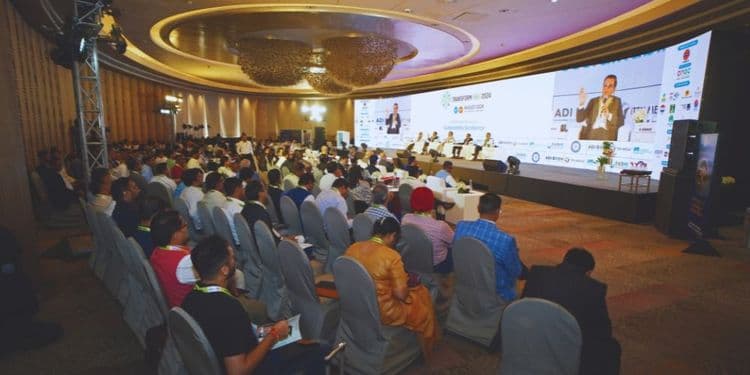
The second edition of Transform Health, Safety and Environment (HSE) revealed a decisive shift underway across Indian industry: HSE is no longer a support function; it is becoming a leadership mandate shaping business resilience, workforce trust and long-term sustainability aligned with the United Nations Sustainable Development Goals (SDG).

UN Secretary General Antonio Guterres said clean energy future is within reach but requires system-wide transformation, while urging science-led global governance of Artificial Intelligence at India AI Impact Summit 2026.