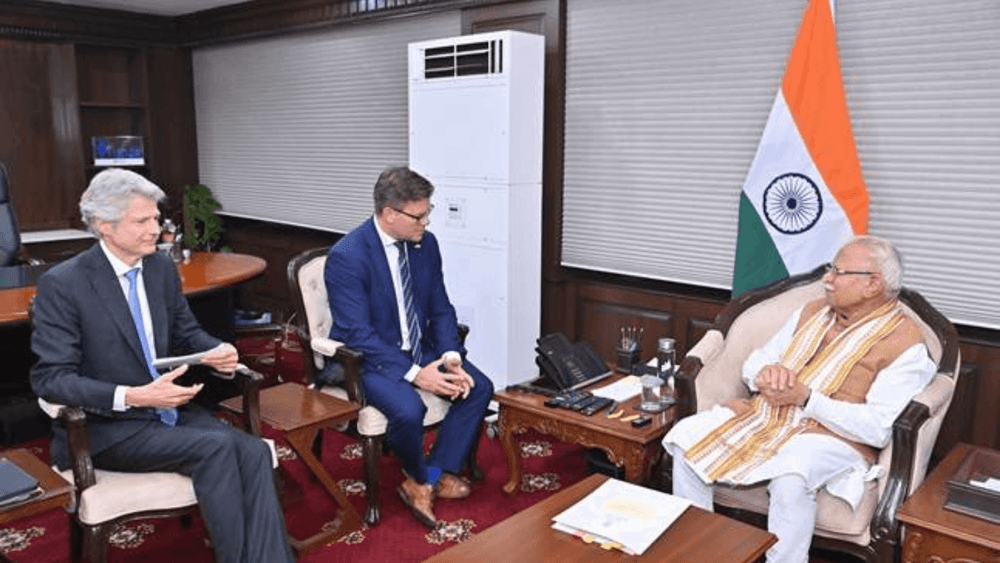
India, Germany Strengthen Cooperation on Energy Security, Low-Carbon Development
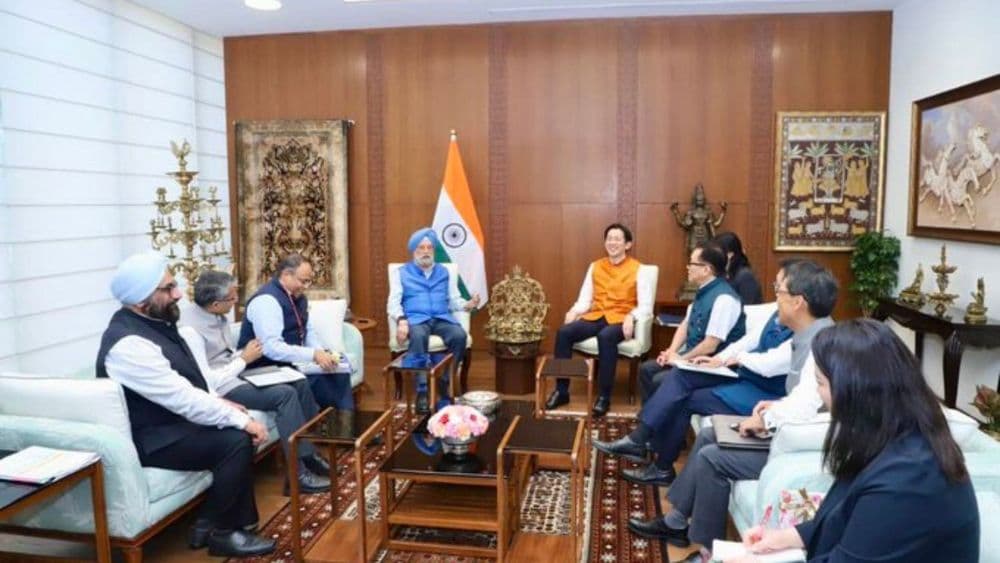
India and Germany reviewed cooperation on energy security, electrification, low-carbon development, carbon markets and supply-chain diversification.
All content tagged with “Sustainability” - 59 items

India and Germany reviewed cooperation on energy security, electrification, low-carbon development, carbon markets and supply-chain diversification.

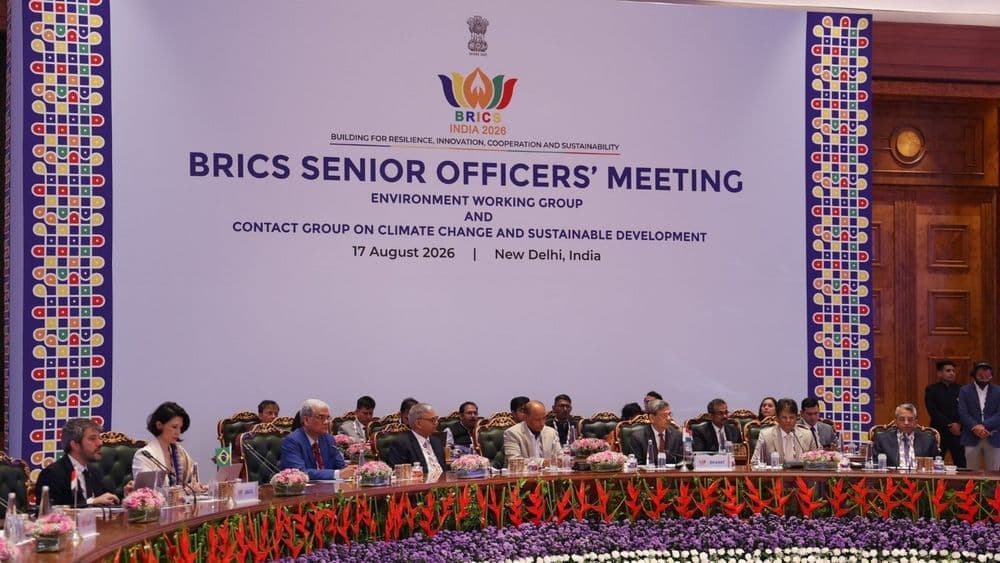
The Senior Officers’ Meeting of the BRICS Environment Working Group and Contact Group on Climate Change and Sustainable Development was held at Bharat Mandapam, New Delhi, under India’s 2026 Chairship. The meeting discussed environmental challenges and cooperation across sustainability, climate resilience, circular economy and adaptation.
Vikram Solar has secured the EcoVadis Platinum rating for 2026 for the second consecutive year, improving its overall score to 88/100 from 84/100 and placing in the 99th percentile of companies assessed by EcoVadis. The company also reported progress across key sustainability indicators highlighted in its first Annual Sustainability Report.

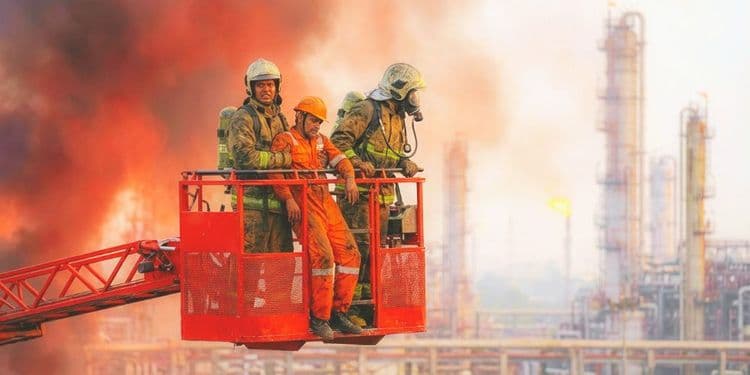
From Bhopal to Deepwater Horizon, history shows that catastrophic accidents are rarely unforeseen—they are often the consequence of organisations failing to act on warning signs, sustain a strong safety culture and learn from near misses.

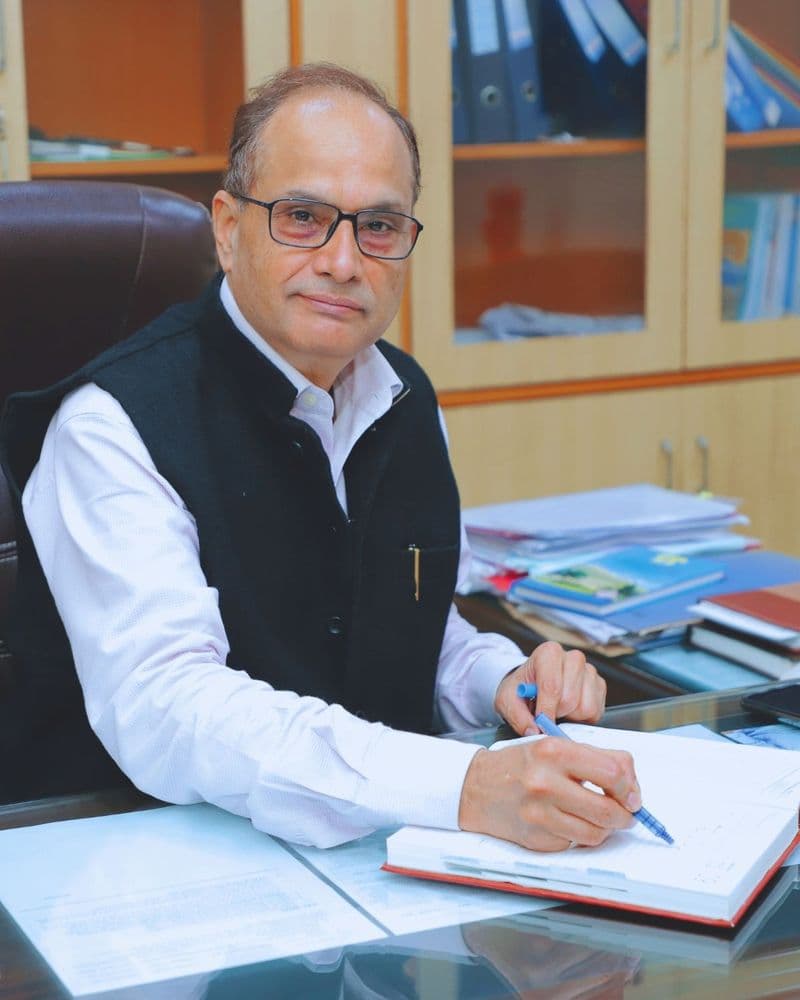
As energy and petrochemical companies confront evolving workplace risks, occupational health is emerging as a strategic business priority rather than a compliance function. In an interview with ENERGDIVE, Dr R Rajesh, Group Head, Medical Services, Reliance Industries Ltd, discusses predictive health systems, workforce resilience, ESG integration and the future of occupational health in high-risk industries.
Coal Secretary Sanoj Kumar Jha said coal gasification will strengthen India's energy security, reduce import dependence and support industrial growth through value-added products.

NLC India Renewables Ltd and OREDA have formed a joint venture to develop 1,000 MW of renewable energy capacity in Odisha, with plans to expand into energy storage and green hydrogen.

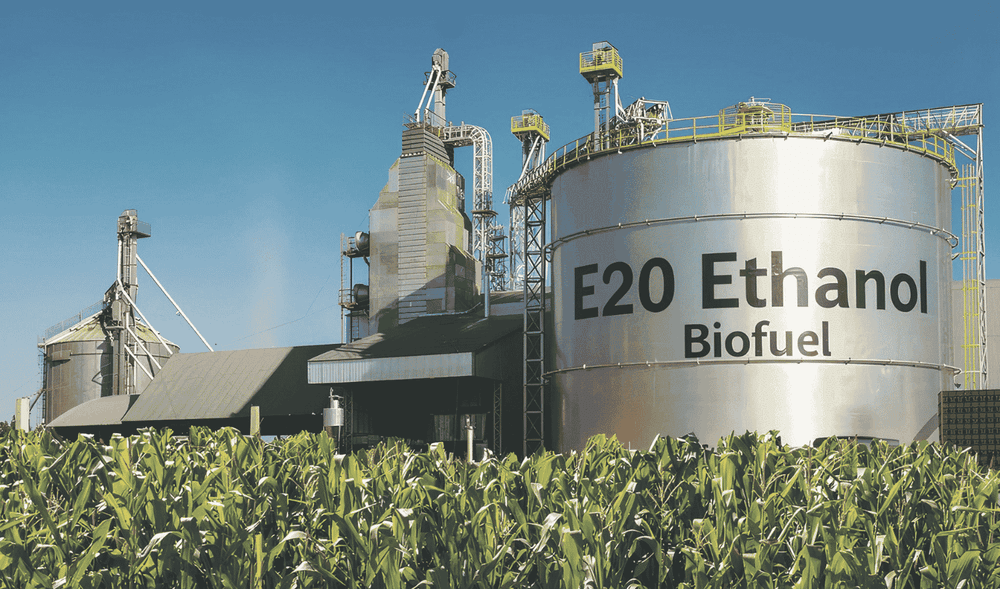
MoPNG dismissed unsubstantiated claims against ethanol blending, stating the programme is scientifically validated, continuously monitored and globally adopted.

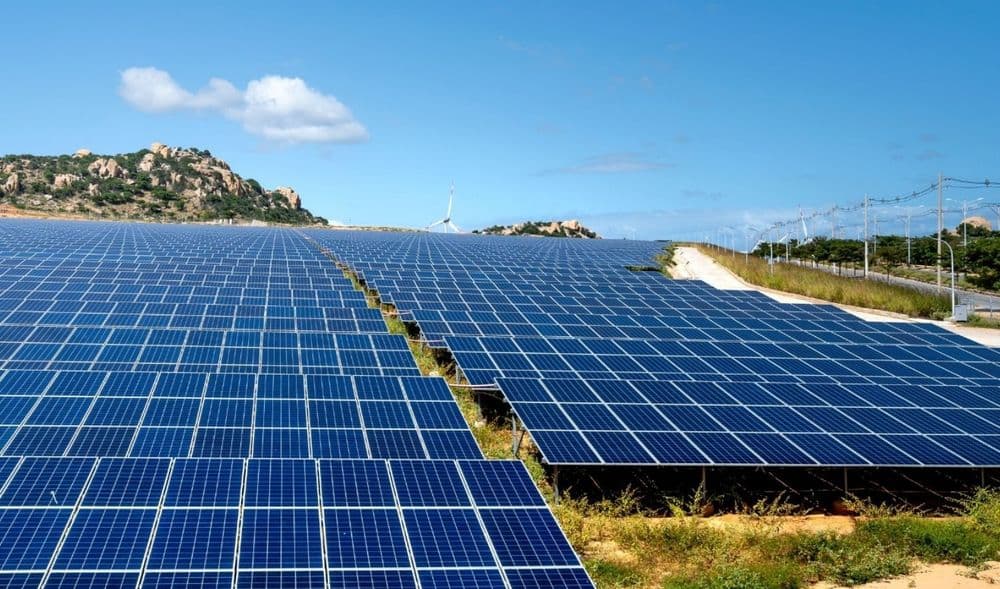
Solarium Green Energy has secured a ₹186.53 crore EPC contract for a 50 MW AC solar project in Maharashtra, expanding its presence in utility-scale renewable energy infrastructure.

UN Secretary-General António Guterres said the climate crisis and recent energy security disruptions highlight the need for a faster and fairer transition to clean energy.

India can reduce sustainable aviation fuel production costs by up to 40% compared with global benchmarks by leveraging low-cost solar power and agricultural residue, according to a new study.

India will host the 11th BRICS Energy Ministers' Meeting on June 25–26 in Gurugram, bringing together member nations to discuss energy security, sustainability, innovation and clean energy cooperation.
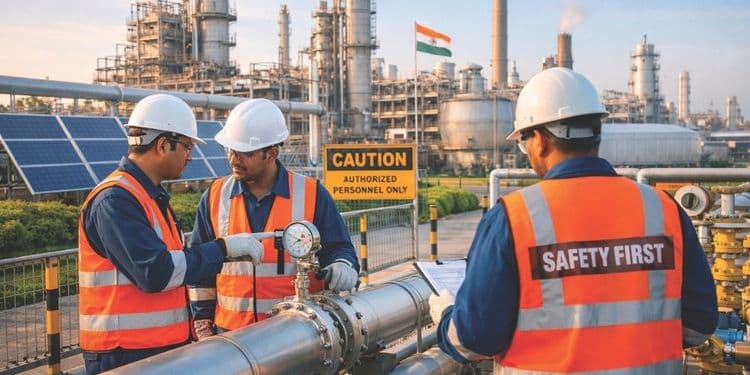
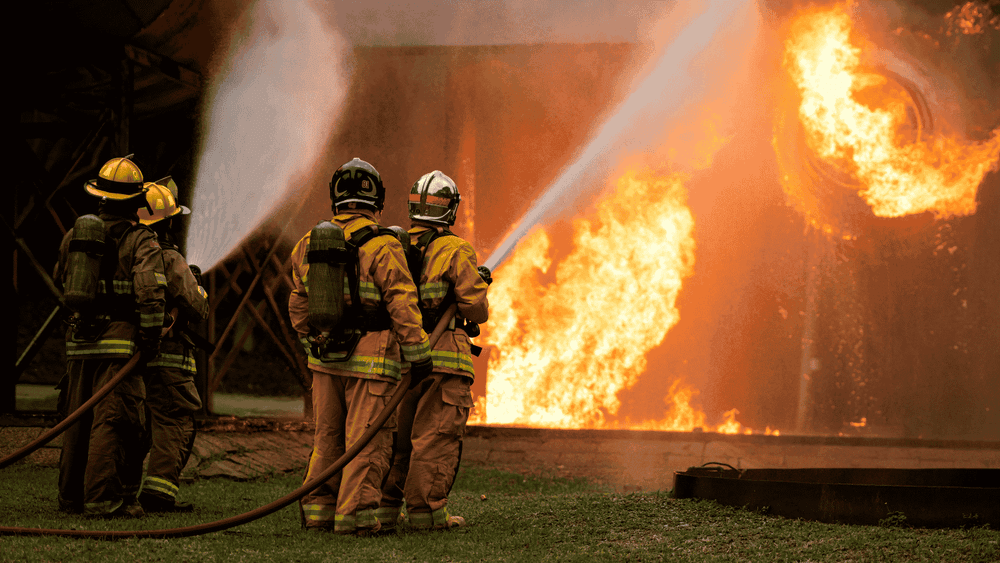
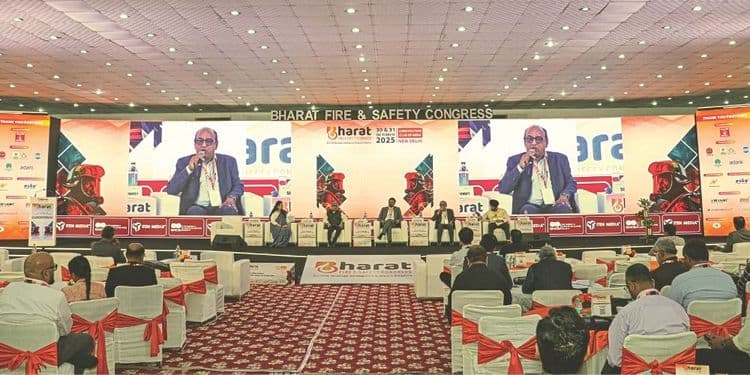
From hospital fires and high-rise risks to EV battery hazards and industrial expansion, policymakers, fire chiefs and corporate safety leaders at the Bharat Fire Safety Congress 2026 observed that India’s existing fire safety architecture needs to fill urgent gaps in enforcement, preparedness, technology adoption and public behaviour.

As the country’s oil and gas industry is increasingly becoming digital and inter-connected, their process safety management is noticeably transforming– from a traditional monitoring system to an intelligent and real-time decision-making framework. In an interview with ENERGDIVE, Badal Roy, Former Executive Director, Oil and Natural Gas Corporation Ltd, feels that Artificial Intelligence (AI), Machine Learning (ML), Industrial Internet of Things (IIoT) and predictive analytics will redefine how the industry assess risks, manage emergencies and strengthen operational resilience.

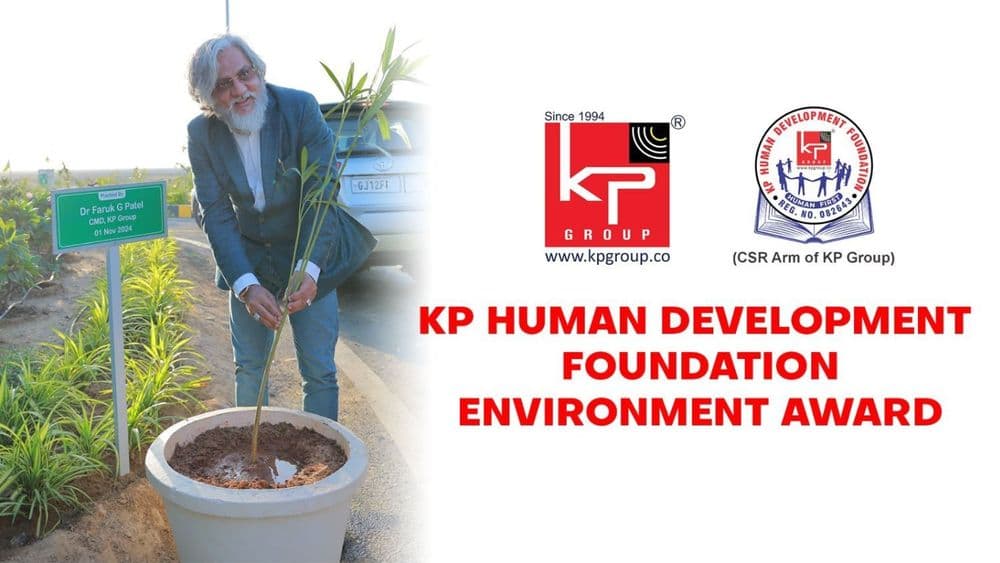
KP Group’s Dr Faruk G Patel has announced the launch of annual Environmental Excellence Awards to recognise individuals, institutions and organisations driving sustainability and environmental stewardship.

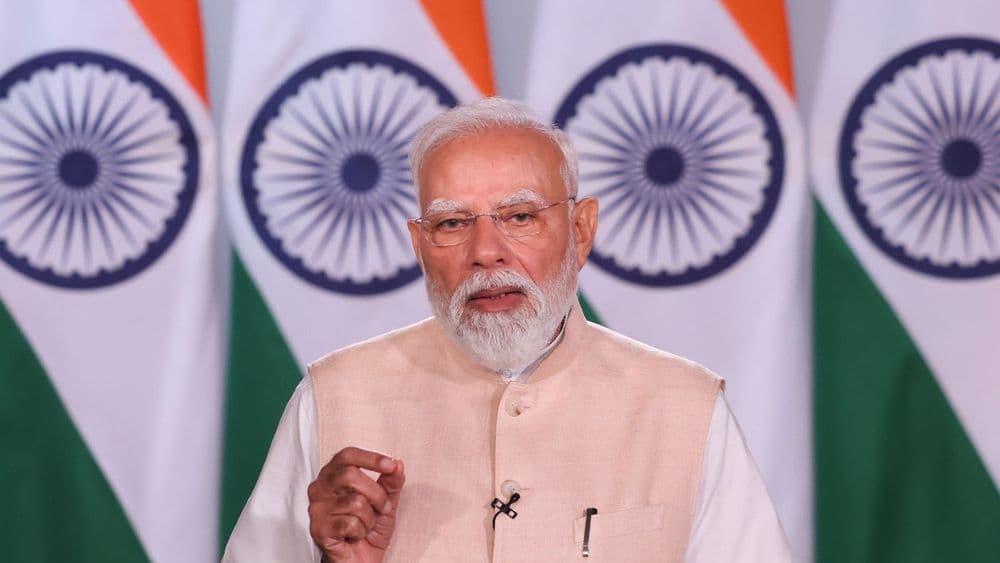
Prime Minister Narendra Modi reaffirmed India's commitment to environmental conservation, sustainable development and biodiversity protection on World Environment Day.

PK Goswami, Deputy Director (ISH), Labour Department, Government of NCT of Delhi, discusses with ENERGDIVE the role of digitalisation, compliance and behavioural ownership in strengthening industrial safety and process risk management.

India and Nordic countries will deepen collaboration in green technology, clean energy, innovation and sustainability under an upgraded strategic partnership framework.

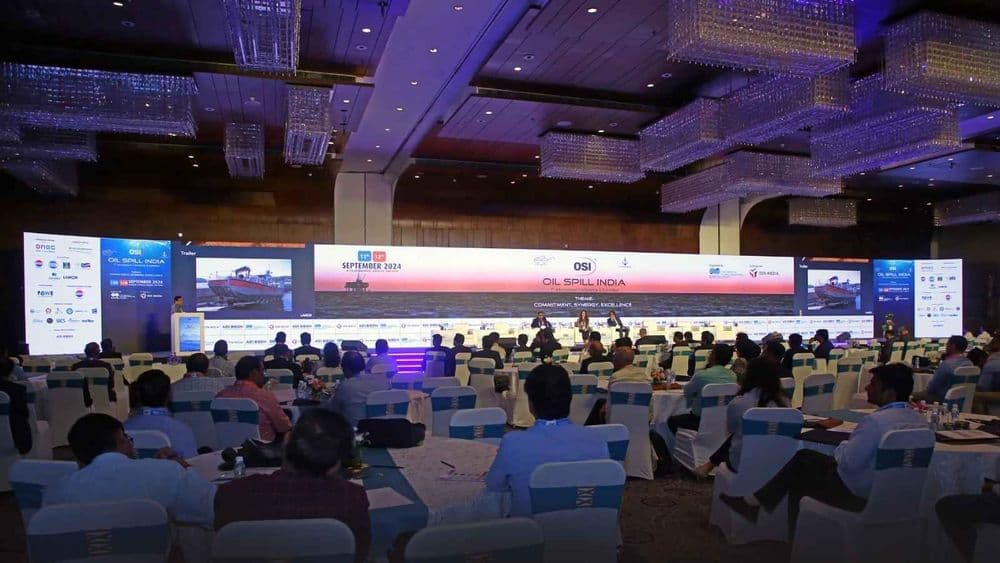
As offshore activity deepens and climate risks intensify, Oil Spill India 2026 to be held in New Delhi will shift the focus from response to anticipatory, technology-led spill management, bringing policy, industry and science into a unified resilience framework.

Rising environmental and economic risks are driving a transition towards preparedness-led systems focused on early detection, coordination and rapid response.

Rituraj Mehta, Group Head – Safety, Adani Enterprises Ltd, discusses with ENERGDIVE leadership-led safety culture, AI-driven risk management and resilient frameworks for ESG performance and operational reliability.

Safety is now a strategic imperative for high-risk industries. Dr SP Garg, Former Executive Director, GAIL (India) Ltd, shares insights with ENERGDIVE on safety culture, AI-led risk management and evolving energy-sector risks.

India and Japan explore avenues to strengthen energy partnership amid West Asia crisis.

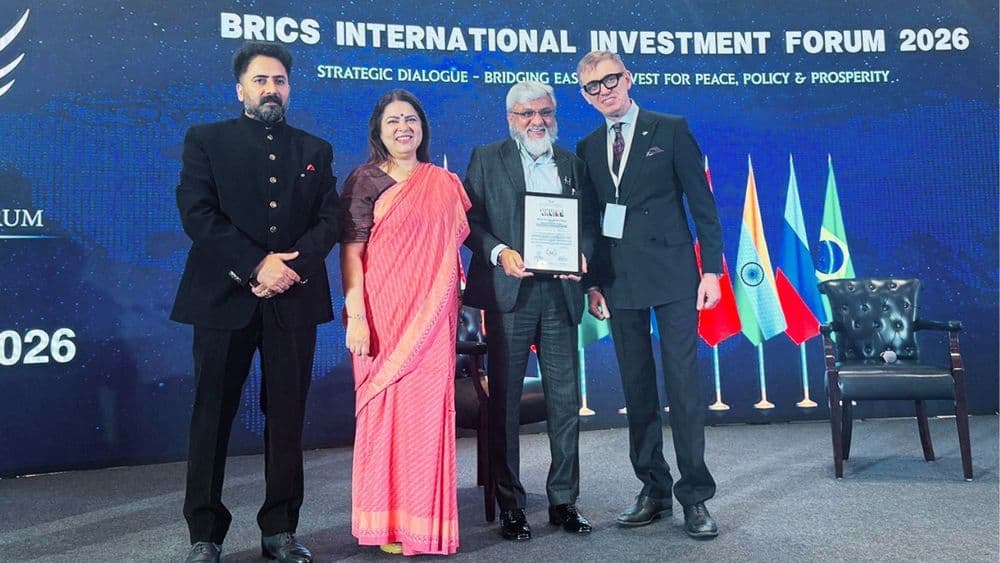
KP Group CMD Dr Faruk G Patel honoured with BRICS International Award for Sustainable Energy Leadership for his contribution to advancing clean energy adoption and developing large-scale renewable infrastructure.

Fire safety is no longer a matter of compliance alone; it is emerging as a strategic function that shapes resilience, operational continuity and long-term risk management across organisations.

The 7th edition of International Process Safety Conference (INPSC) brought together regulators, industry leaders and safety professionals to examine how leadership accountability, Artificial Intelligence (AI), operational discipline and safety culture must converge to strengthen process safety across India’s rapidly evolving industrial landscape.

As India advances towards Vision 2047, the Bharat Fire Safety Congress 2026 positions national preparedness, digital intelligence and institutional modernisation at the centre of a transformative fire safety agenda.

As India advances towards energy security and its Net Zero vision, integrating efficiency, green hydrogen, carbon utilisation and digital innovation across industry will be central to sustaining high growth while strengthening climate leadership

This system-level outlook looks beyond targets to examine how execution capacity, system integration, and affordability will shape India’s energy transition and the reliability of future power supply.

As industrial systems grow more complex, International Process Safety Conference (INPSC) 2026 positions process safety as a leadership and design thinking rather than a compliance exercise.

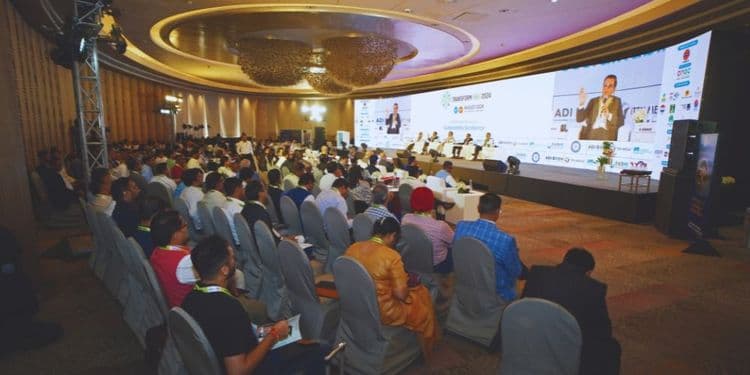
The second edition of Transform Health, Safety and Environment (HSE) revealed a decisive shift underway across Indian industry: HSE is no longer a support function; it is becoming a leadership mandate shaping business resilience, workforce trust and long-term sustainability aligned with the United Nations Sustainable Development Goals (SDG).

As India's renewable energy capacity expands, Debmalya Sen, President of IESA, discusses the critical role of pumped storage hydropower in grid stability, stretching peak durations, and scaling off-river projects.

Cloudfinch’s Intero Safety Assistant is designed as a domain-specific AI platform that connects safety records, multilingual reporting, and automated workflows to help organisations convert field observations into corrective actions and managerial guidance.

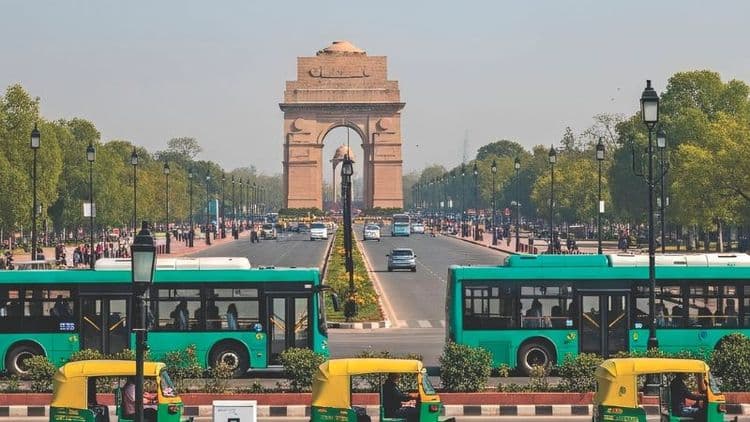
Delhi will introduce a new EV policy next financial year, offering incentives, scrappage benefits, and expanded charging infrastructure across public and residential areas to reduce pollution and modernise transport.

Across two days of discussion, the Bharat Fire & Safety Congress highlighted a clear leadership mandate: fire safety can no longer be treated as a compliance function or emergency response alone. Speakers stressed that resilient outcomes depend on visible leadership

Puneet Kumar, Kerala’s Resident Commissioner and Additional Chief Secretary (Power), explains how Kerala is securing reliable supply through hydro and rooftop solar, managing EV-driven demand, fast-charging peaks, decentralised renewables, and stronger Centre–State grid coordination.

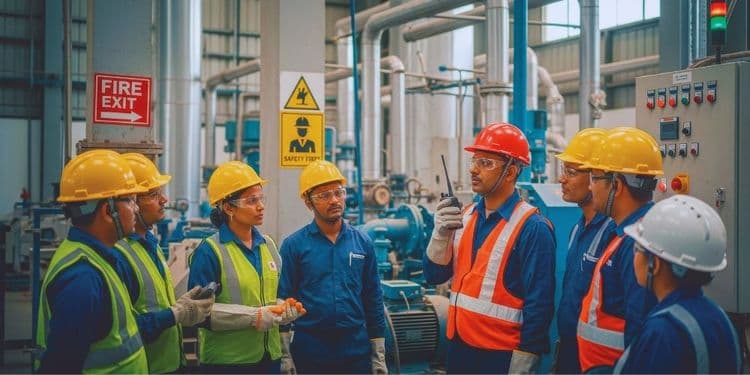
A new industrial philosophy is taking root across India, one that places health, safety and environmental responsibility at the centre of national competitiveness. With rising expectations, complex risks and pressing sustainability goals, industry leaders are redefining what it means to

The UN weather agency said 2025 was among the three warmest years on record, with global temperatures remaining high despite cooling effects from La Niña.

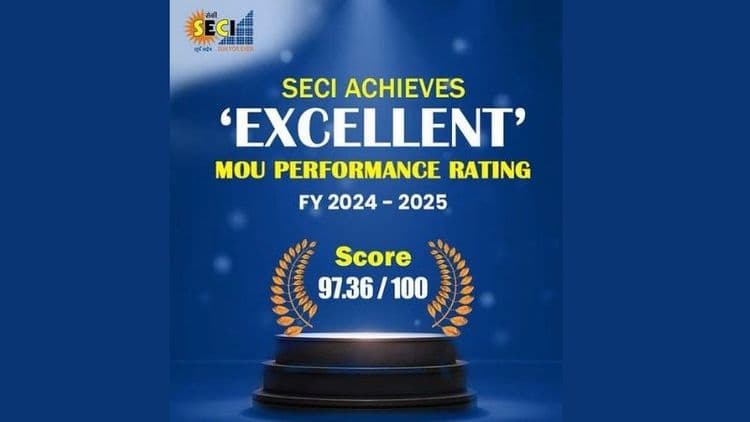
Solar Energy Corporation of India received an ‘Excellent’ rating, scoring 97.36, in its MoU performance evaluation with the Ministry of New and Renewable Energy for FY25.

Andhra Pradesh will make energy efficiency a core governance priority, expanding ECBC enforcement, audits and public outreach to cut power demand and costs, Chief Secretary K. Vijayanand said.

India and Germany expanded cooperation on renewable energy, green hydrogen, storage and clean energy manufacturing, backed by new funding commitments during Chancellor Friedrich Merz’s visit.

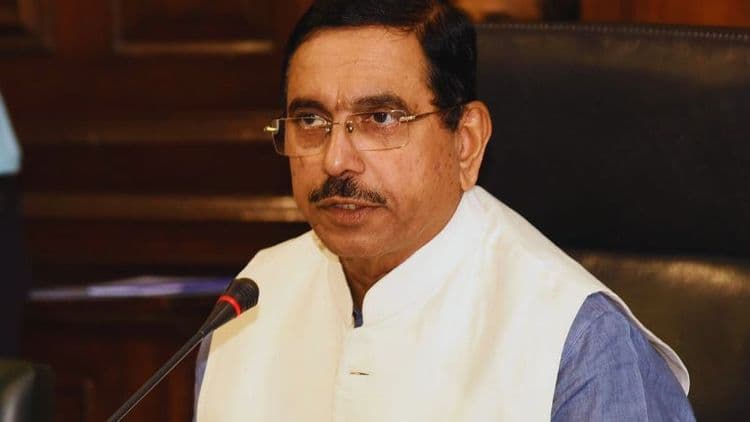
India added 6.34 GW of wind power capacity in 2025, taking cumulative installations to 54.51 GW, marking a sharp year-on-year increase in additions, Union Minister Pralhad Joshi said.

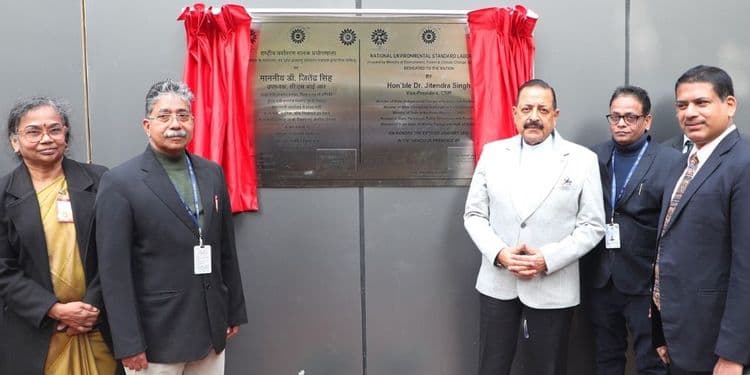
Union Minister Dr Jitendra Singh said two new national facilities at CSIR–NPL will strengthen India’s environmental monitoring framework and solar energy ecosystem, reducing dependence on foreign certification and improving data reliability.

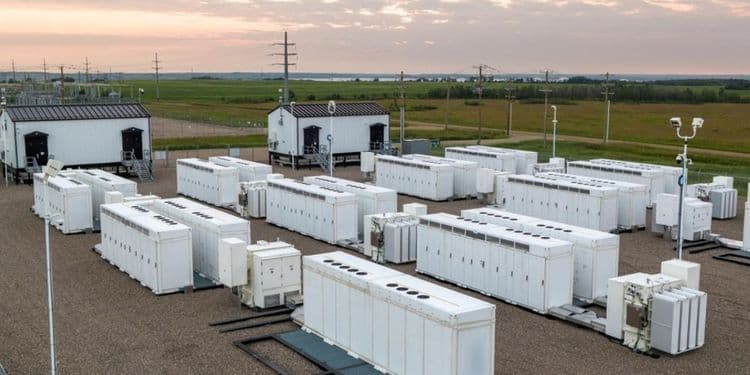
India’s battery energy storage capacity addition is expected to surge to around 5 GWh in 2026 from 507 MWh in 2025, driven by a large backlog of projects under execution, according to a study by the India Energy Storage Alliance.

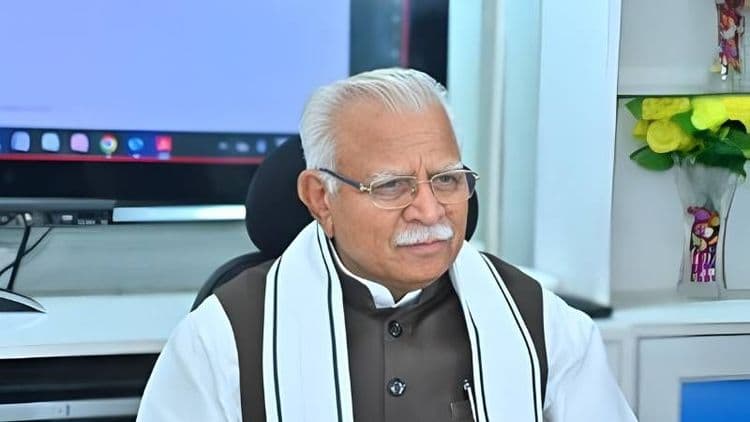
Union Minister Manohar Lal Khattar said India’s record energy savings and emissions reduction underline the need for coordinated, people-led climate action, citing Andhra Pradesh’s renewable and efficiency initiatives as a model.

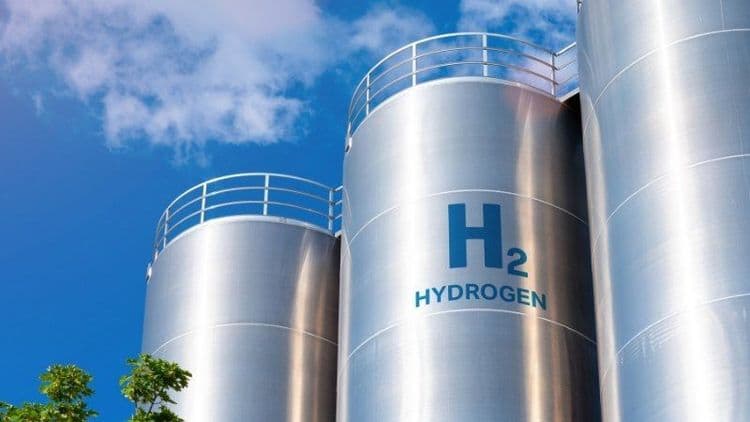
Researchers at CeNS, Bengaluru, have devised a plasma-based method to improve catalyst efficiency in water electrolysis, addressing a key bottleneck in clean hydrogen generation.
India has added 31.2 GW of non-fossil fuel capacity so far in FY 2025–26, taking total non-fossil capacity to 259 GW, as renewable energy implementing agencies accelerate tendering with over 67.5 GW Letters of Award issued since April 2023.
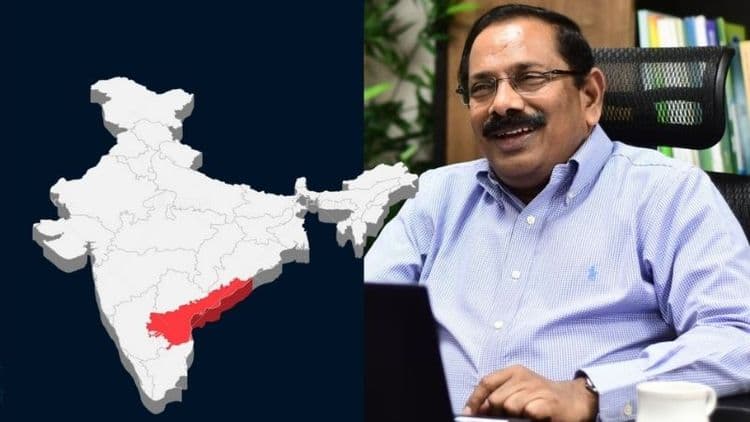
PM Surya Ghar Muft Bijli Yojana has enabled zero electricity bills for over 7.7 lakh households, as rooftop solar installations accelerate nationwide, supported by subsidies, loans and utility-led aggregation models.

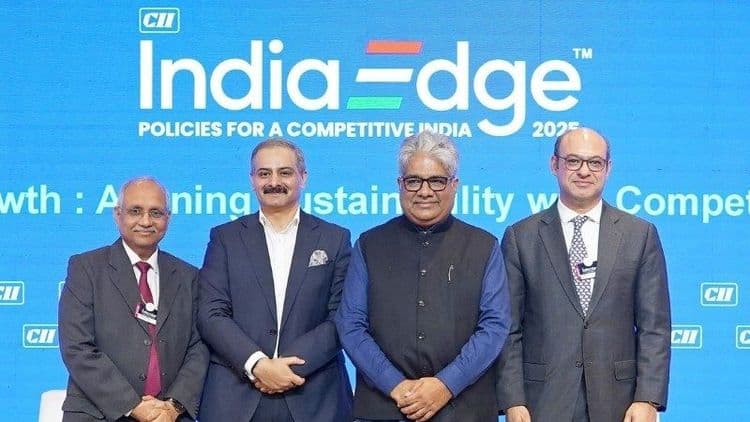
The centre has underscored clean industrialisation as central to India’s long-term competitiveness, with Environment Minister Bhupender Yadav detailing sustainability initiatives.

India’s total installed power capacity has crossed 5.05 lakh MW, with non-fossil fuel sources now surpassing fossil-fuel-based capacity for the first time, the Government informed the Rajya Sabha.