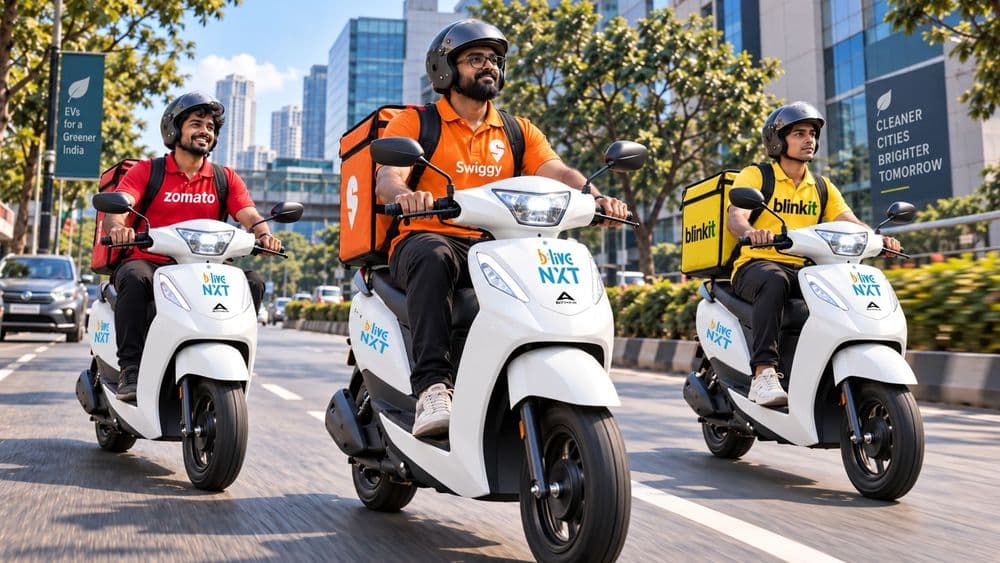
BLive Tracks 10 Million Electric Deliveries in 2026, Targets Next 100 Million
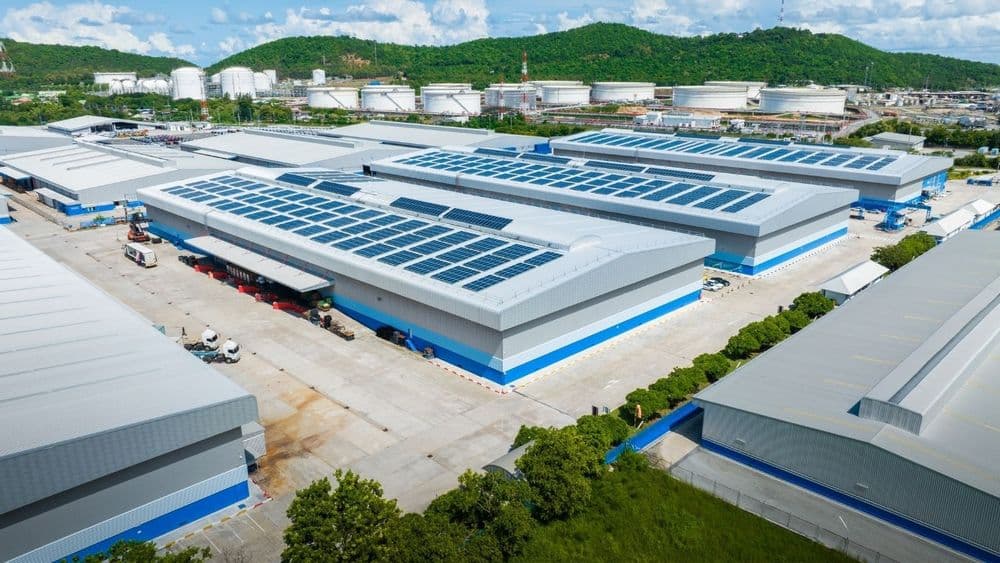
BLive says its AI-powered fleet management platform has enabled over 10 million electric deliveries in 2026, with expansion plans targeting 100 million more.
All content tagged with “Technology” - 38 items

BLive says its AI-powered fleet management platform has enabled over 10 million electric deliveries in 2026, with expansion plans targeting 100 million more.

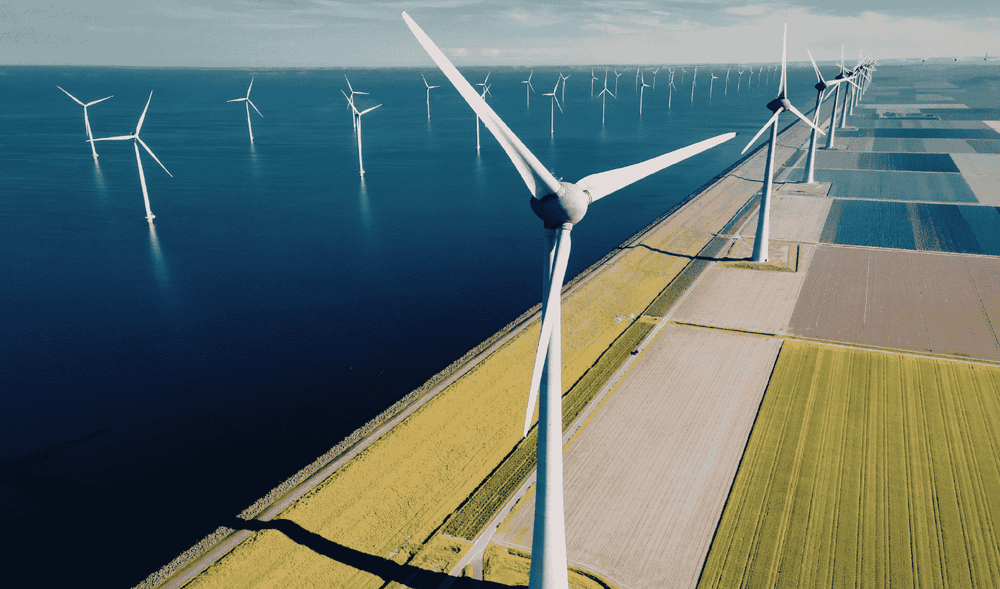
Grasim, Aditya Birla Renewables and Suzlon will pilot recyclable wind turbine blades using Recyclamine® epoxy technology to advance circularity in India's wind energy sector.

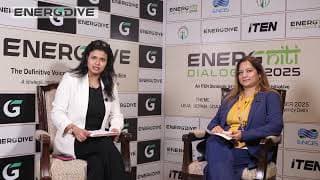
India’s rising electricity demand and expanding renewable capacity are changing how power plants need to operate to ensure an uninterrupted power supply. Toshiba JSW Power Systems Pvt Ltd (Toshiba JSW) is responding with technologies focused on flexible operations, predictive analysis, and AI-enabled solutions. In an interview with ENERGDIVE, Daisuke Murata, Managing Director, Toshiba JSW, and Tadafumi Shintani, Director & Chief Technology Executive, Toshiba JSW, discuss its India strategy and the opportunities emerging from the country’s evolving power sector.

As India accelerates its renewable energy transition, Renewable Energy India (REI) Expo 2026 comes at a pivotal moment for the industry. Organised by Informa Markets India, the 19th edition brings together renewable energy, storage, manufacturing and global technology players. Julian Thomas, Portfolio Director – Energy & Battery Sector, Informa Markets India Pvt Ltd, discusses REI’s evolution, global partnerships, and the opportunities ahead.

The country’s Battery Energy Storage System (BESS) market is expanding faster than its domestic cell manufacturing base. The next challenge is turning announced capacity into competitive, reliable and bankable battery supply.

India’s greatest clean energy advantage may lie not in how much technology it manufactures or deploys, but in how effectively it converts the world’s most diverse energy market into a source of technological leadership.

BharatH₂Sep, BPCL’s indigenous membrane-based hydrogen recovery technology, converts refinery off-gases into reusable hydrogen while reducing emissions, operating costs and dependence on conventional high-energy separation systems.

Our strategic narrative examines the engineering and investment demands of a Net Zero economy. Karnataka is aligning renewable development with demand centres; Madhya Pradesh is linking solar expansion to storage; Bihar is treating feeder solarisation as a lever for rural enterprise.

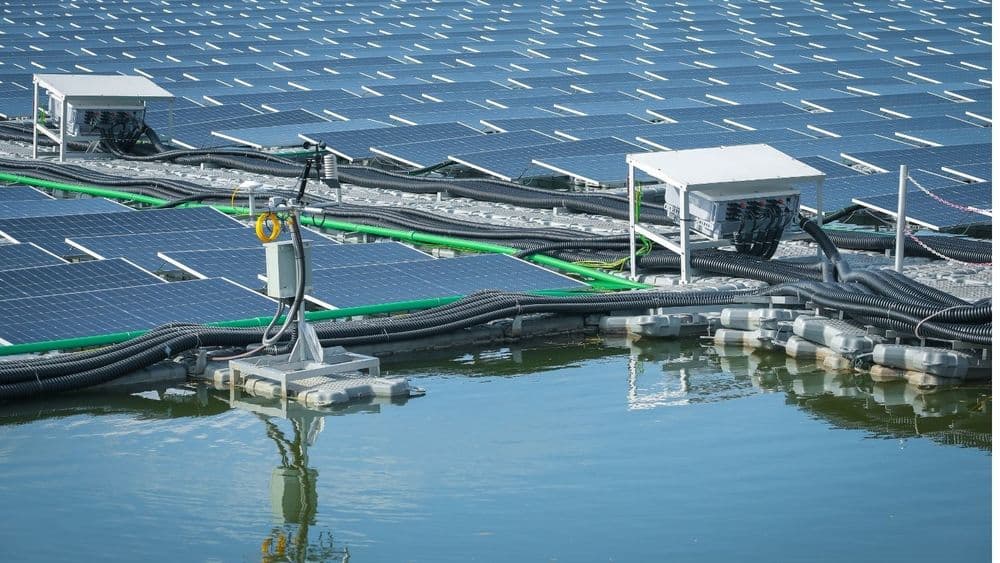
Tata Power and Norway’s Ocean Sun will pilot a 300 kWp membrane-based floating solar system in Maharashtra to assess its performance and commercial viability.

Adani Green Energy has expanded its operational BESS capacity at Khavda to 6.63 GWh, up from 3.55 GWh in June 2026.

India’s gas network has expanded with nationwide CGD authorisation, 35,000 km of authorised pipelines and rising PNG connections.

SWELECT Energy Systems launches its SWEES EN hybrid inverter range for Commercial and Industrial customers. It ranges from 5 kW to 50 kW but the scalable variant can also exceed 50 kW.

Delhi government launched a portal for rooftop solar registrations, offering combined Centre and Delhi subsidies of up to ₹1.56 lakh for systems up to 3 kW.

Alpex Solar has inaugurated a 2.2 GW G12R TOPCon solar cell facility in Mathura, strengthening its backward integration and domestic manufacturing capacity.

The new digital platforms aim to improve transparency, monitoring and coordination of voluntary Net Zero commitments and national climate missions.

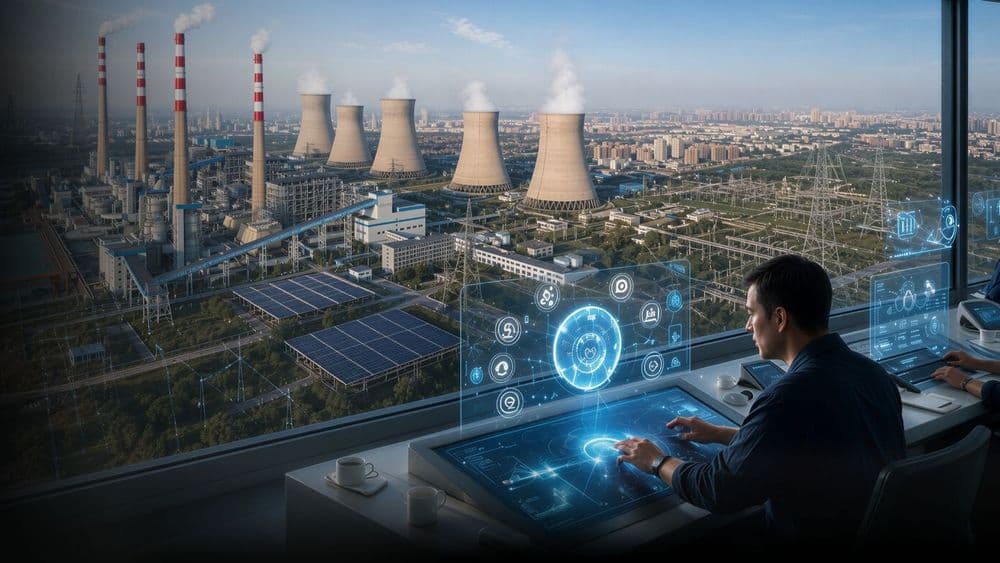
Artificial intelligence is beginning to reshape operations across India's power and renewable energy sector, but its success depends less on algorithms than on the quality of data, engineering expertise, predictive applications and cybersecurity.
Infineon’s acquisition of Bengaluru-based C2i Semiconductors will strengthen power delivery and energy-efficiency solutions for AI data centres while expanding its engineering capabilities in India.

Schneider Electric has launched Yuva Yodha, a national technology hackathon focused on developing solutions across smart manufacturing, grid reliability, sustainable agriculture and smart buildings.

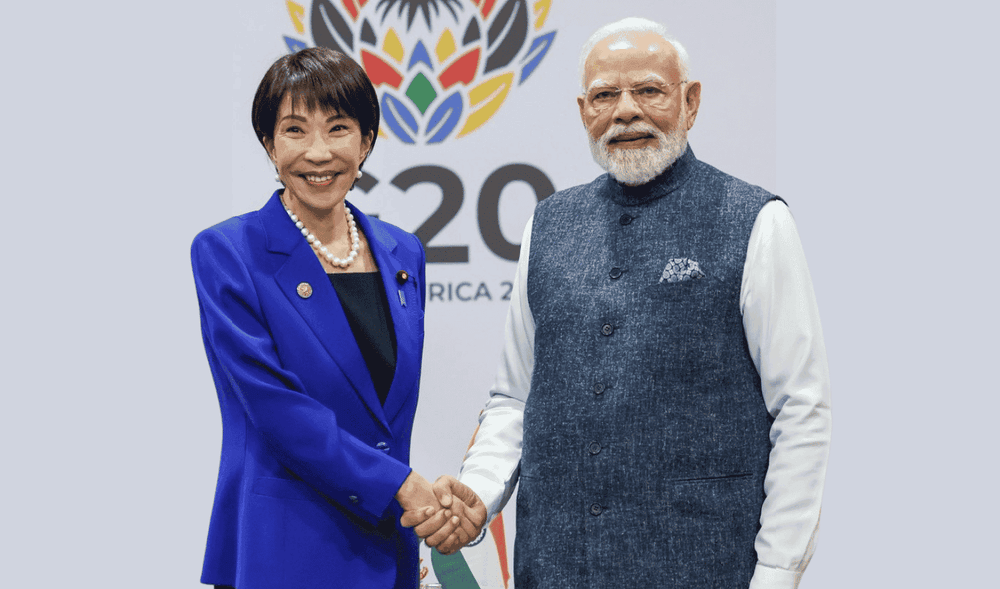
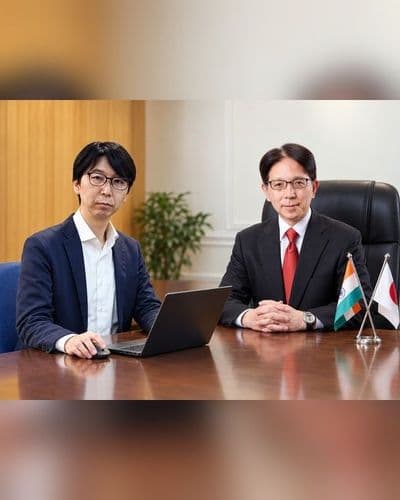
India and Japan have unveiled a strategic roadmap centred on energy security, resilient supply chains, critical minerals, AI and emerging technologies amid growing geopolitical and trade uncertainties.

SK Sinha has assumed charge as Director (Finance) at GAIL, bringing over 30 years of experience in corporate finance and financial management.

MNRE has amended its prototype wind turbine guidelines, allowing DISCOMs and other eligible entities to procure scheduled power while introducing revised commissioning and commercial deployment norms.

Coal Secretary Sanoj Kumar Jha said coal gasification will strengthen India's energy security, reduce import dependence and support industrial growth through value-added products.

India installed 3.9 crore smart meters under Revamped Distribution Sector Scheme (RDSS) as of December 2025 slashing AT&C losses from 21.91% in 2021 to 15.04% in 2025.

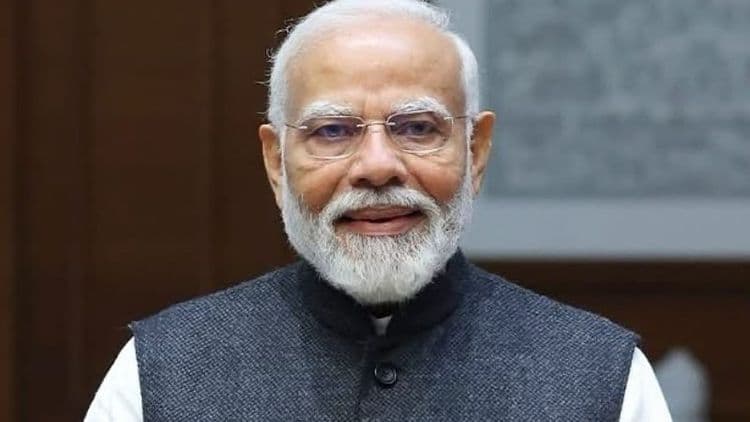
Prime Minister Narendra Modi will inaugurate India Energy Week 2026 in Goa virtually, with global ministers and industry leaders gathering to discuss energy security, investment and decarbonisation pathways.

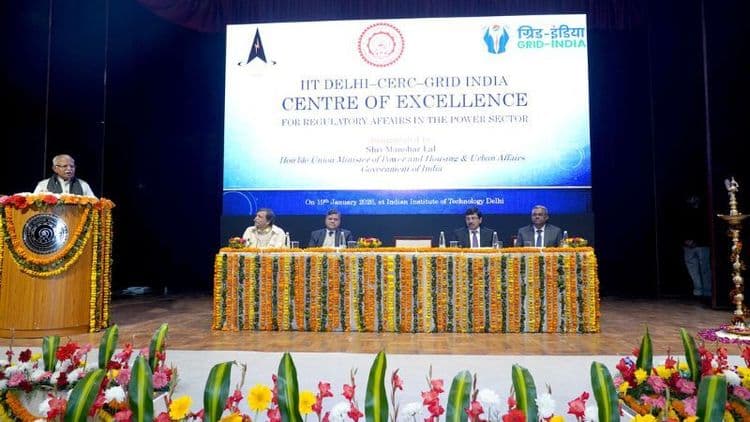
A Centre of Excellence on power sector regulation was inaugurated at IIT Delhi to support research, capacity building and evidence-based policymaking amid India’s energy transition.

India and Germany expanded cooperation on renewable energy, green hydrogen, storage and clean energy manufacturing, backed by new funding commitments during Chancellor Friedrich Merz’s visit.

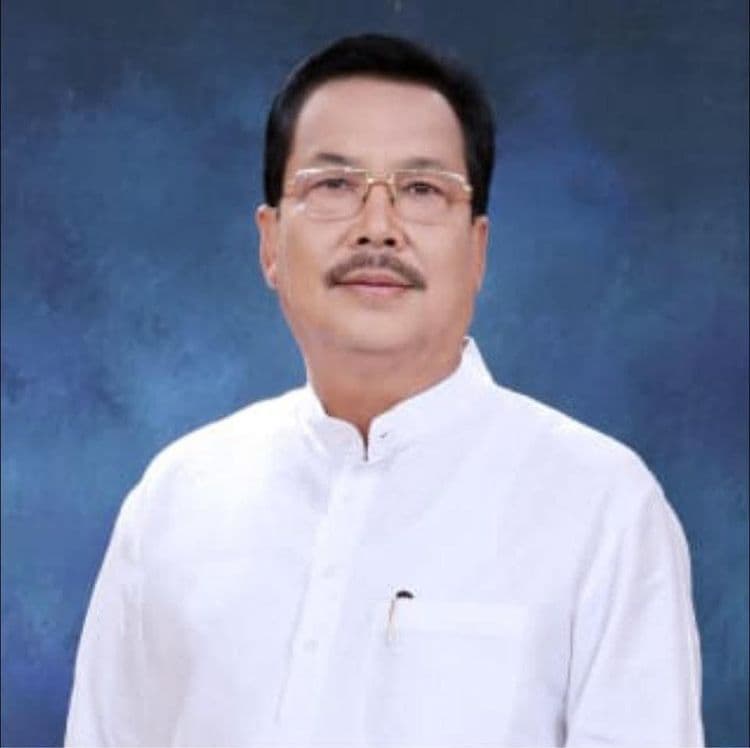
Arunachal Pradesh Deputy CM Chowna Mein said HPCL’s residue upgradation facility at Vizag refinery strengthens India’s energy security and improves refining efficiency.

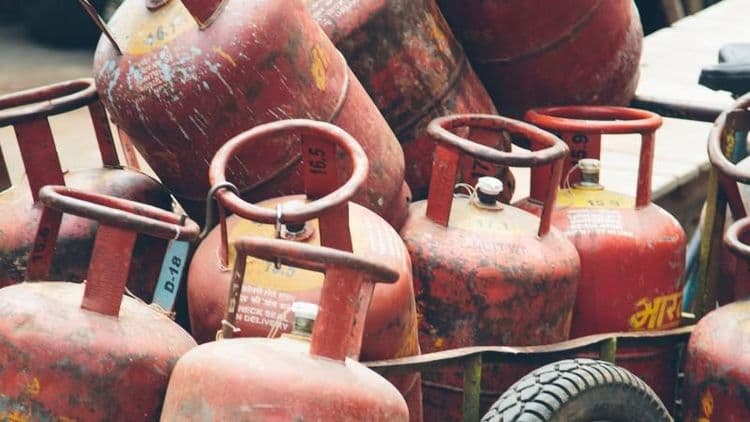
The Government has reported significant improvements in transparency, biometric authentication and subsidy delivery under the PAHAL scheme and the Pradhan Mantri Ujjwala Yojana.


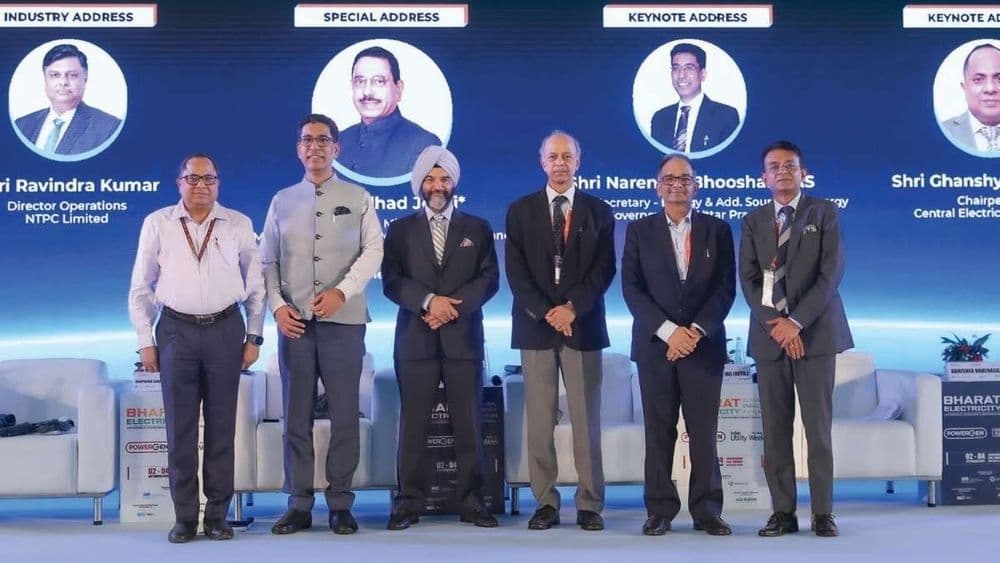
Having rapidly added gigawatts, India’s energy transition now prioritises reliability, flexibility and investment certainty, with Powergen India 2025 focusing on disciplined execution, market-aligned demand and resilient grids.

The government told the Rajya Sabha that India’s refining capacity will rise by 2030, supported by expanded biofuel, green hydrogen and liquefied natural gas initiatives.

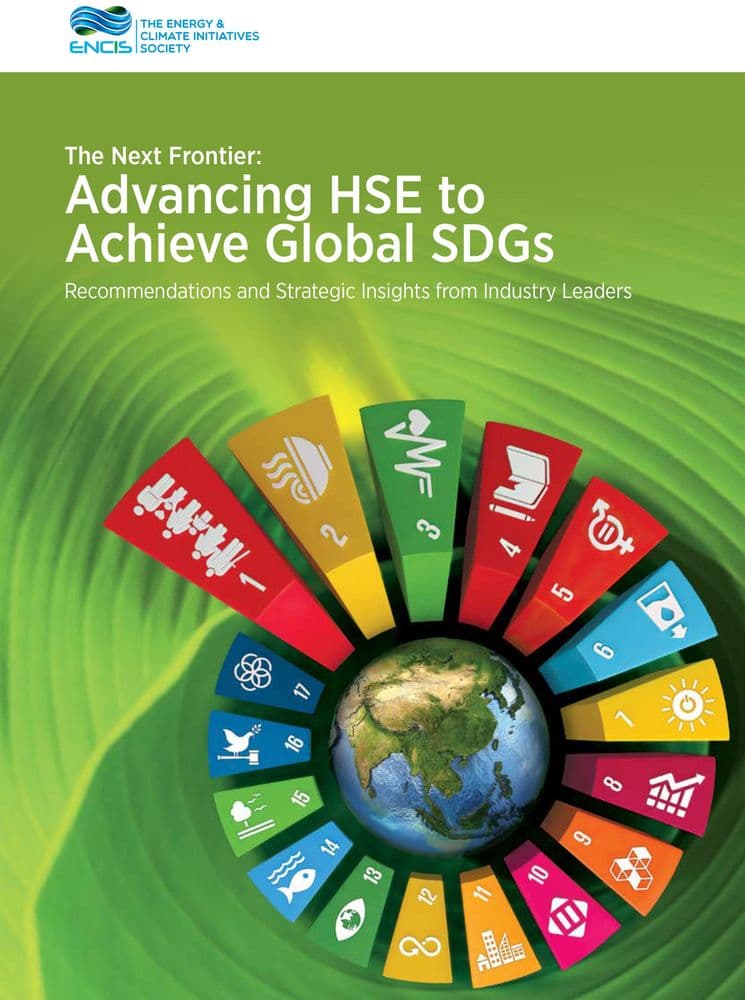
The future of business is intrinsically linked to the future of Health, Safety and Environment (HSE). This is not rhetoric, it is a defining conclusion revealing HSE’s vital role as a strategic imperative for organisational resilience and sustainable development.