03 SEPT 2026-Thermal
NTPC to Host Electron Quiz Regional Round in Mumbai on September 17
NTPC will hold the Mumbai regional round of Electron Quiz 2026–27 on September 17 for engineering and management students.

All content tagged with “Thermal” - 23 items
NTPC will hold the Mumbai regional round of Electron Quiz 2026–27 on September 17 for engineering and management students.
Over 15,000 professionals, more than 250 exhibitors and 200-plus leaders to turn New Delhi into a global decision room for power, investment and technology.
The latest official data underscores the dual character of India's energy landscape: continued dependence on imported oil and gas to meet growing demand, alongside a resilient power system that is steadily integrating renewable energy without compromising grid reliability.
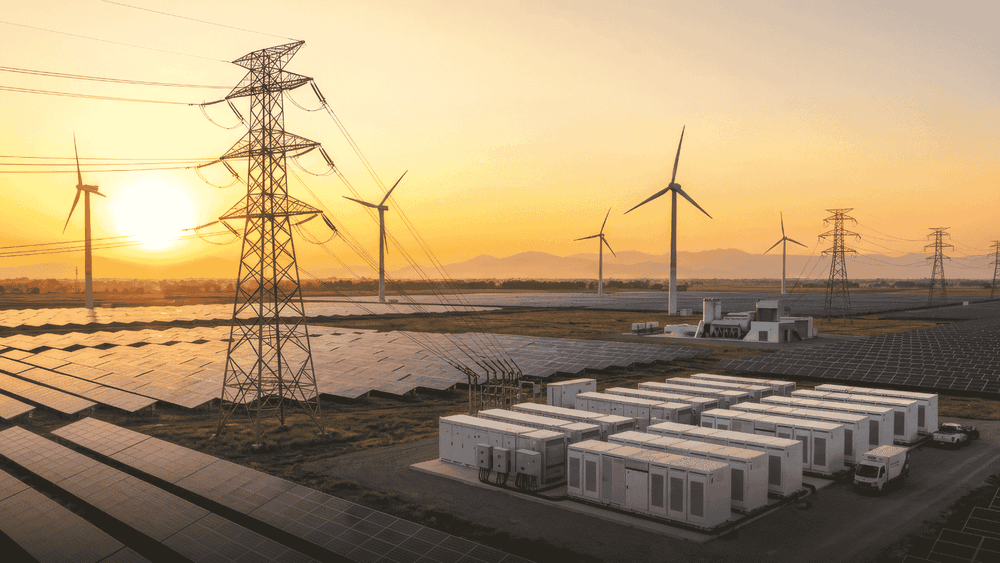
Building renewable capacity is no longer India's biggest challenge; expanding transmission, scaling storage and securing firm power now define the country's path to a resilient, low-carbon electricity system.
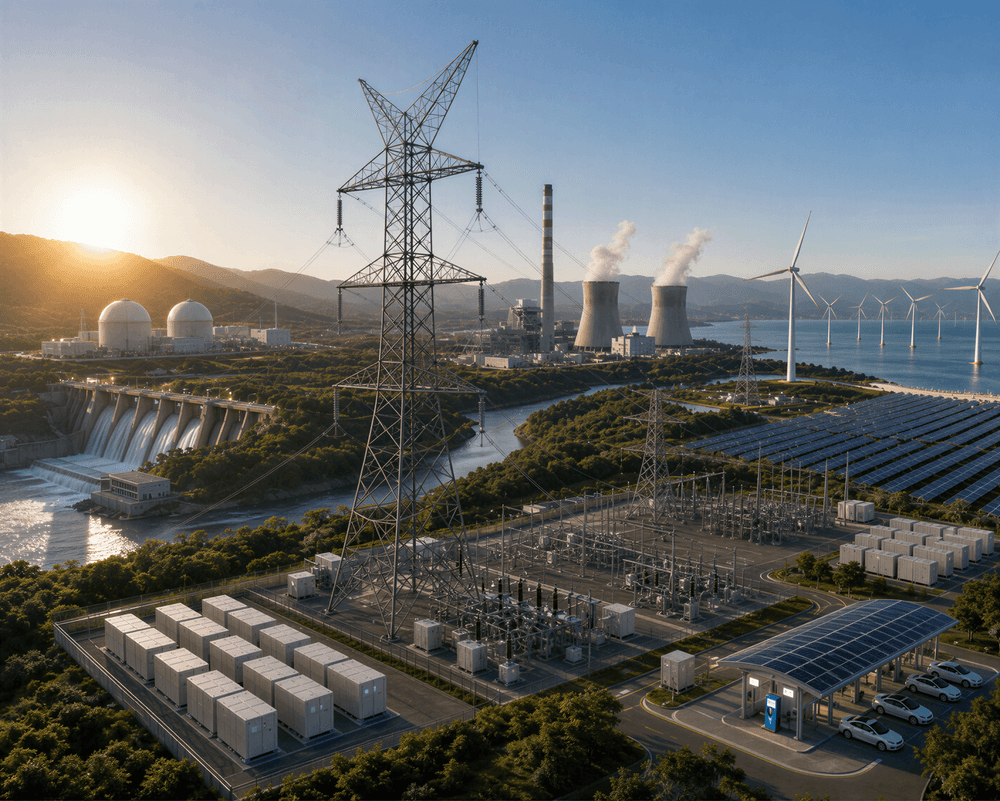
Nearly 75% of 250 energy professionals surveyed by ENCIS expect renewables to surpass coal as India's primary source of electricity by 2035, with grid readiness emerging as the biggest challenge.
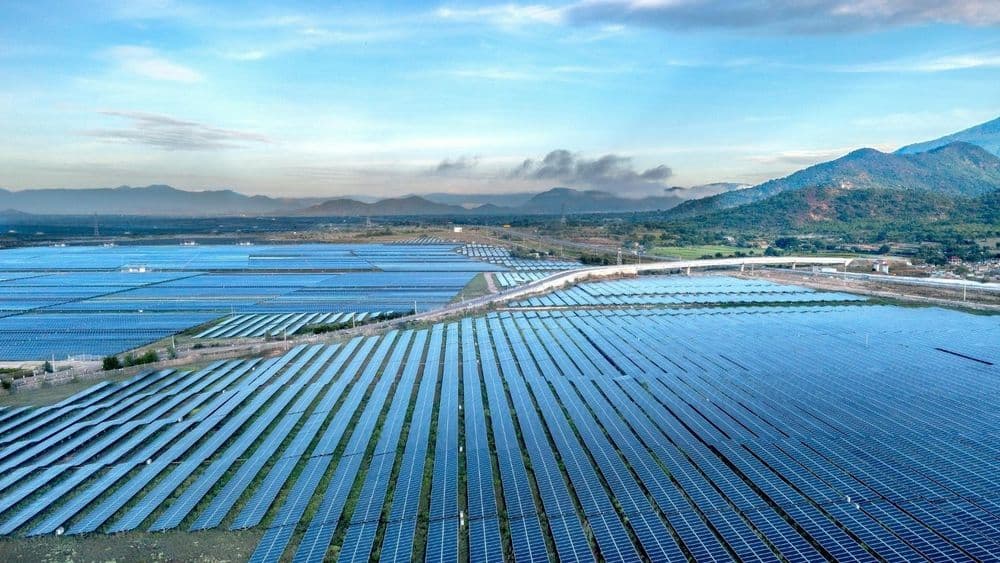
Assam has announced investments of over ₹77,353 crore across hydro, solar, thermal and energy storage projects to add 8,457 MW of power generation capacity, with pumped storage, thermal and hydropower projects forming the core of the state's expansion plan.
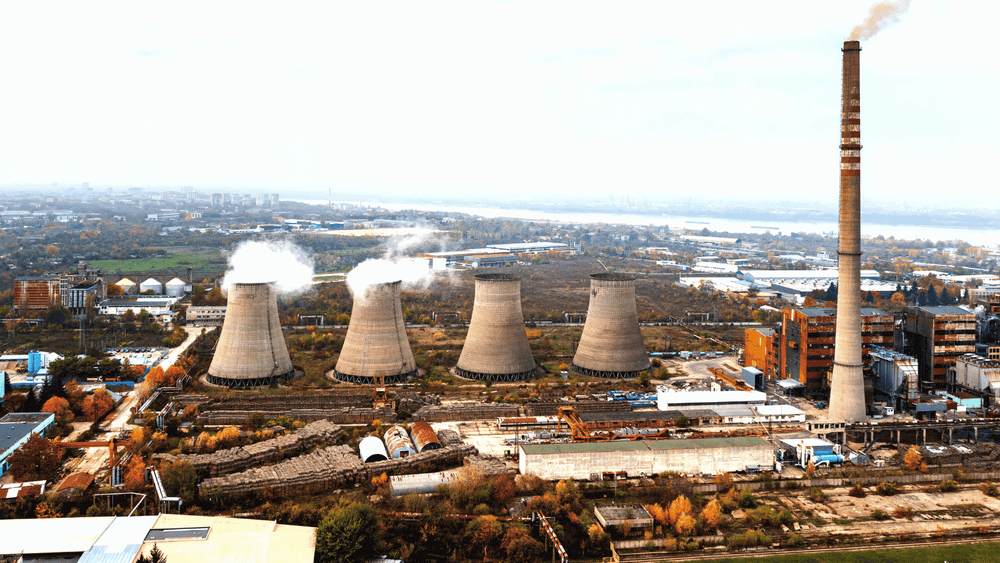
As India grapples with rising energy demand, cooling requirements and decarbonisation pressures, trigeneration systems could emerge as a high-efficiency solution capable of simultaneously delivering electricity, heating and cooling while improving fuel utilisation and reducing emissions.
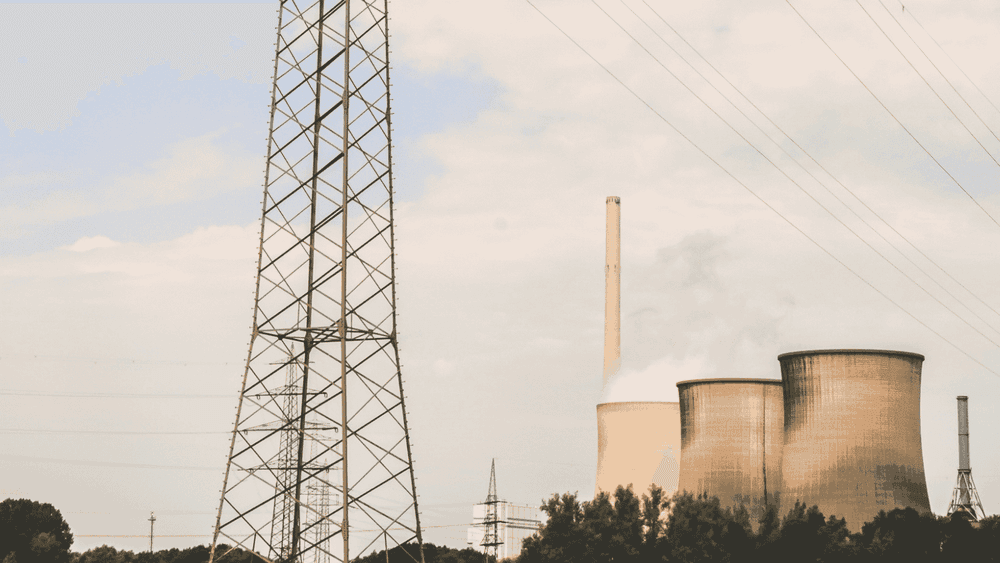
The April 2026 data reflect India’s power sector demonstrated a robust performance with 166.30 BU electricity generation and almost fully meeting the demand led by thermal power sources and followed by solar-driven renewable energy capacity addition.
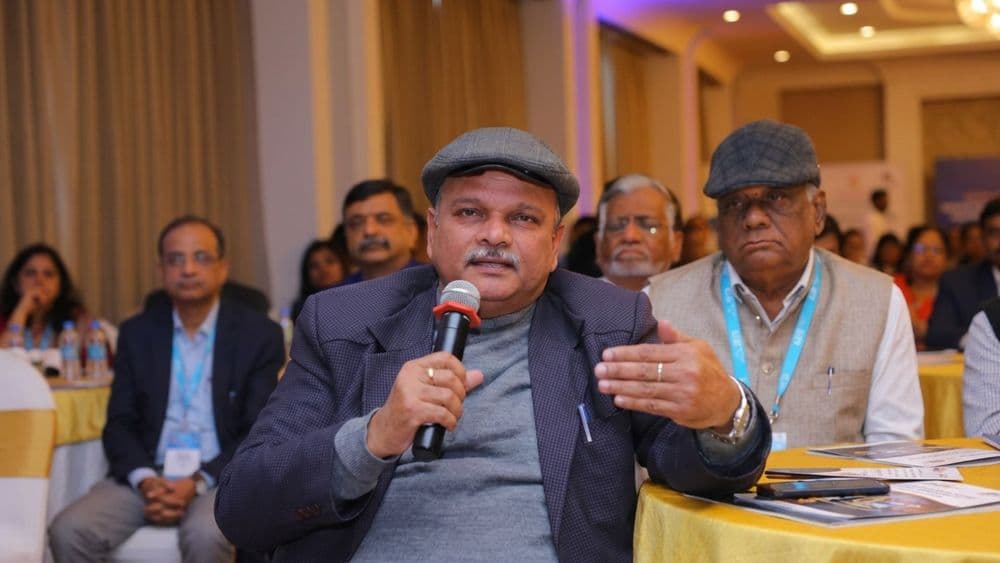
NTPC has appointed Surya Narayan Panigrahi as Executive Director (Human Resources) for its Northern Region headquarters, bringing over 36 years of experience in human resource management and organisational development.
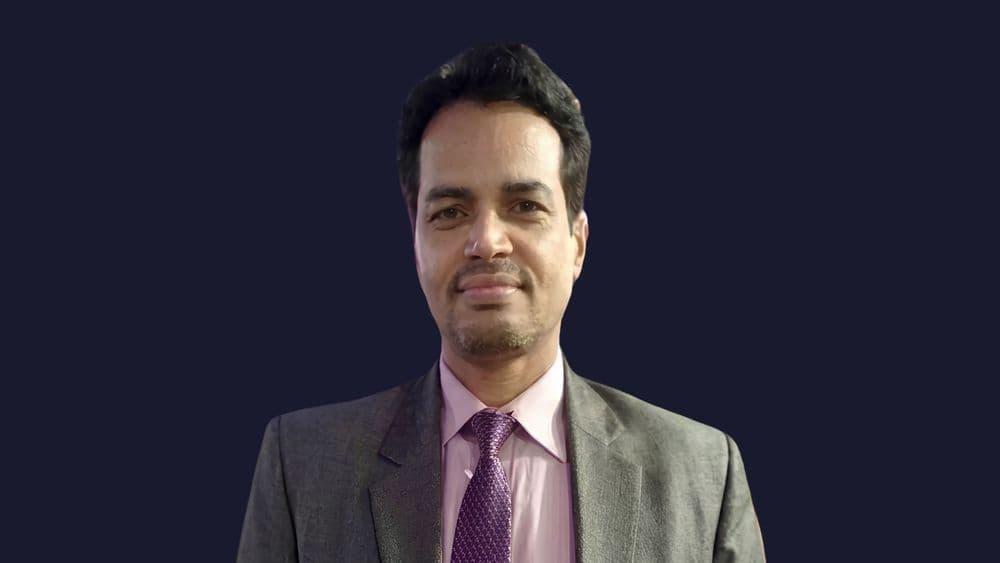
NTPC has appointed Kishore Kumar Hota as Executive Director and Head of Project at NTPC Vindhyachal, bringing nearly four decades of experience across power generation, corporate planning and green energy.
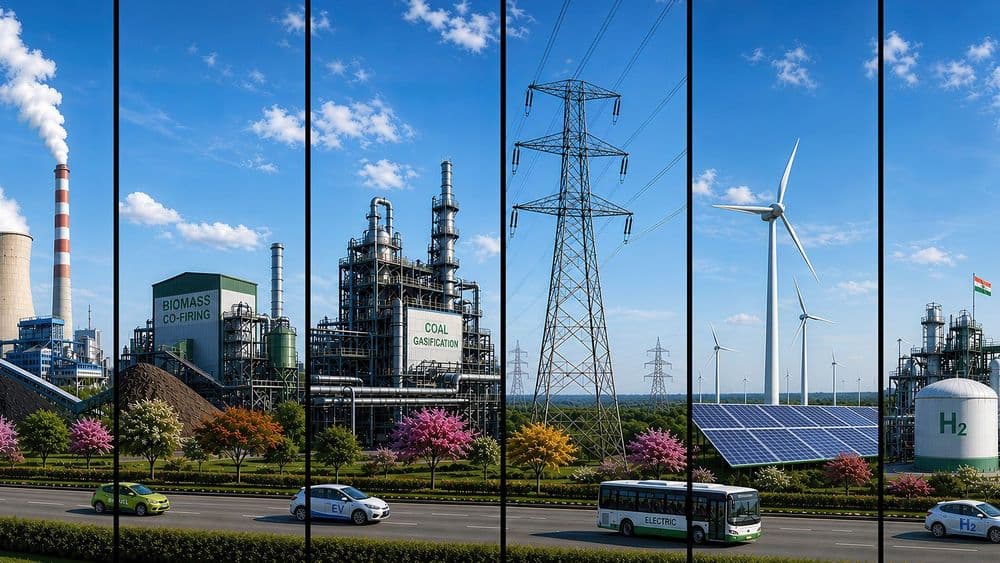
The country’s energy transition is unfolding as a layered shift where coal, biomass, gasification and hydrogen coexist, driven by policy ambition but constrained by execution realities and system needs.
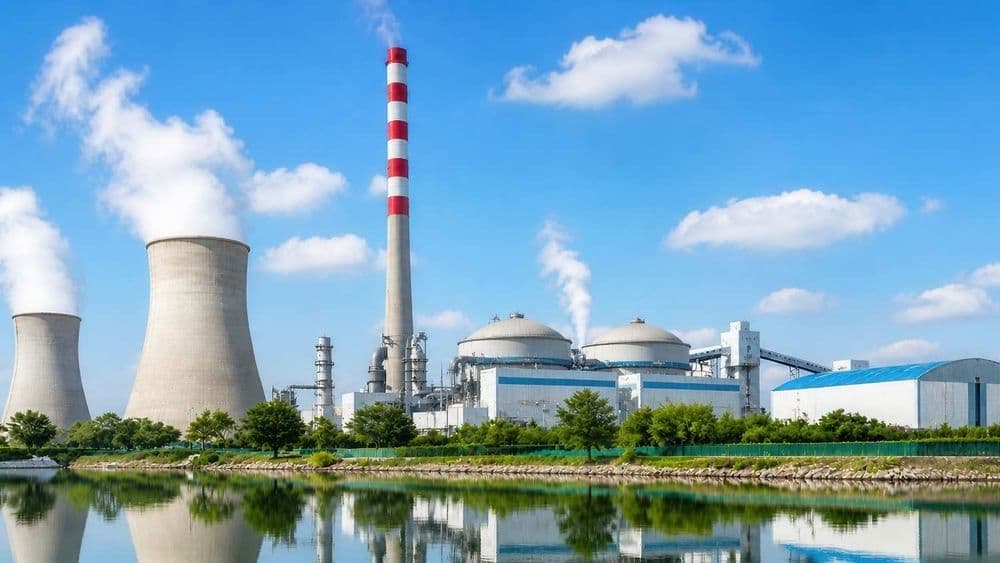
The March–April 2026 data reflect that, as India continues to generate much of its electricity using coal, the country is steadfastly increasing its renewable energy capacity, even as it remains dependent on imported oil and gas supplies.
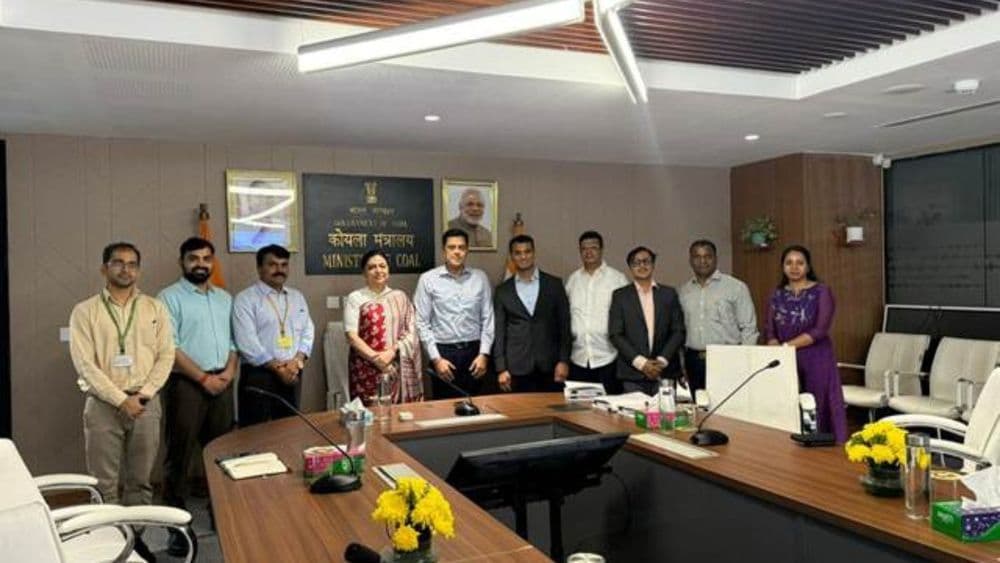
Government signs first coal mine pacts with embedded underground gasification provisions, marking a shift towards advanced coal utilisation and energy security.
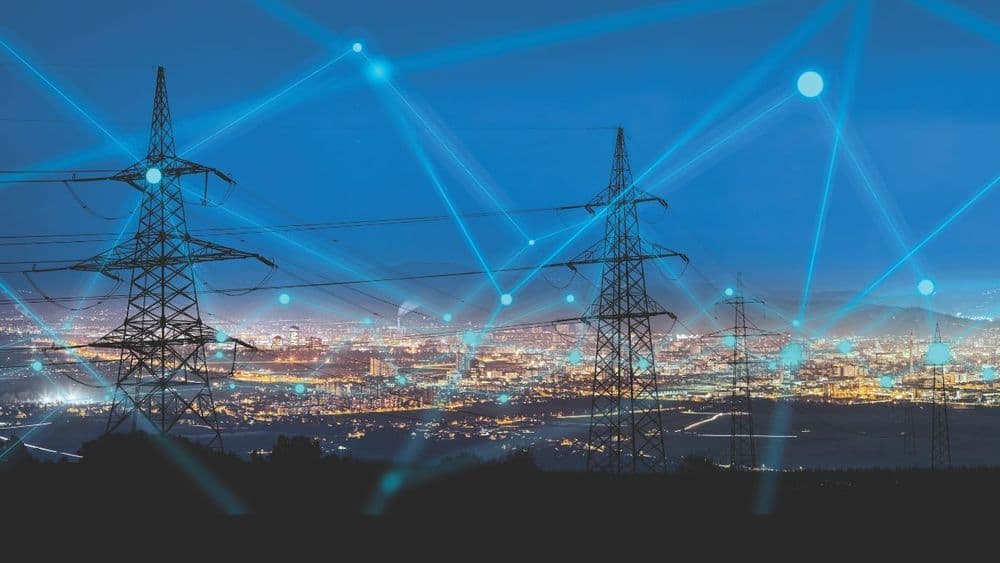
The country’s power sector has achieved scale; sustaining reliability in a renewable-heavy, digitally evolving grid will now define its long-term trajectory.
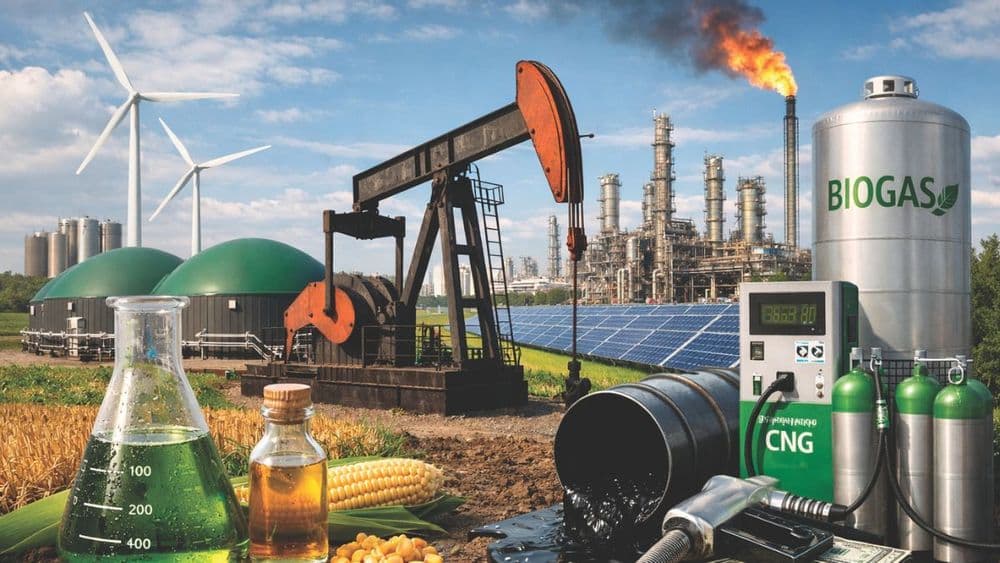
January 2026 data reflects steady refining activity, sustained import reliance in oil and gas, full peak power demand fulfilment, continued solar capacity expansion, and ongoing smart metering rollout, indicating operational stability across India’s energy value chain.
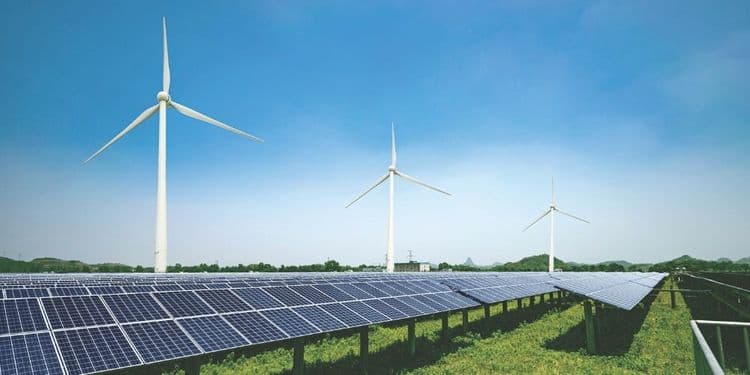
India’s late 2025 and early 2026 energy dashboard show a system anchored by strong refinery operations and active fuel trade, complemented by balanced domestic and Liquified Natural Gas (LNG) gas supplies, reliable power generation with rising renewable capacity, and steady progress in grid modernisation through smart metering.
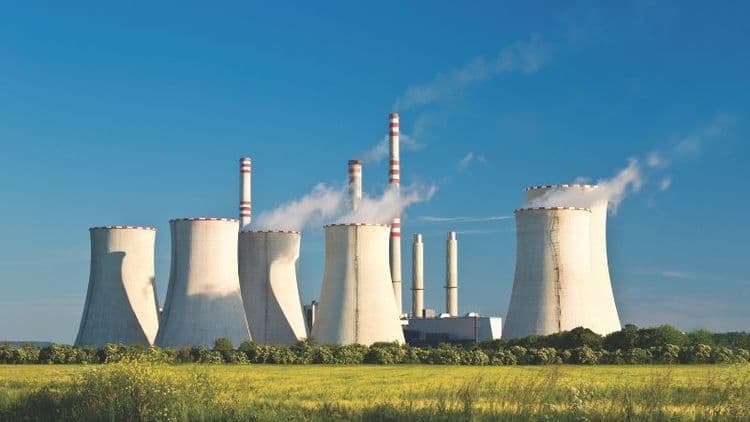
India has overhauled its nuclear framework through the SHANTI Bill, 2025, unlocking limited private participation and stronger regulation. With graded liability in place, the reform positions nuclear as a firm low-carbon pillar in India’s 100 GW by 2047 ambition.
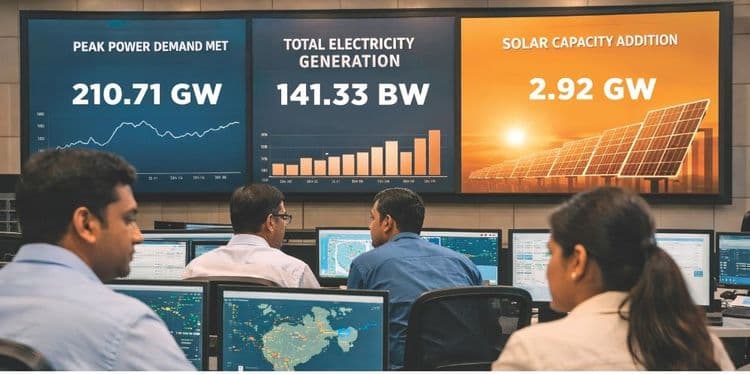
October’s official energy data captures a system in balance as steady oil and gas flows, zero peak power shortages, and renewable capacity growth led by solar with measured progress in grid modernisation.
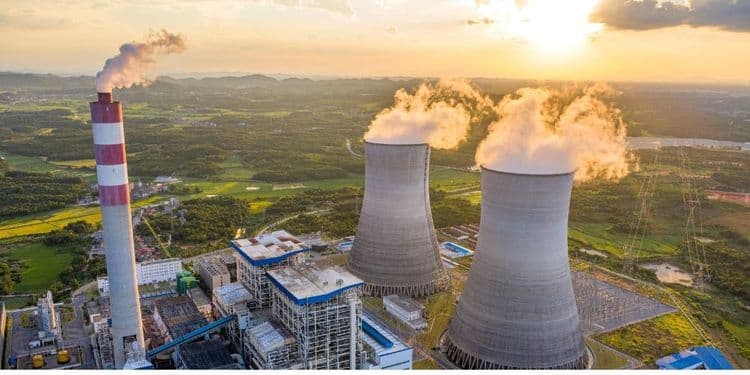
Solar and wind variability now forces thermal plants into rapid cycling, steep ramping, and deep part load operation. This is reshaping engineering limits, market incentives, and the long-term role of fossil assets in cleaner grids.
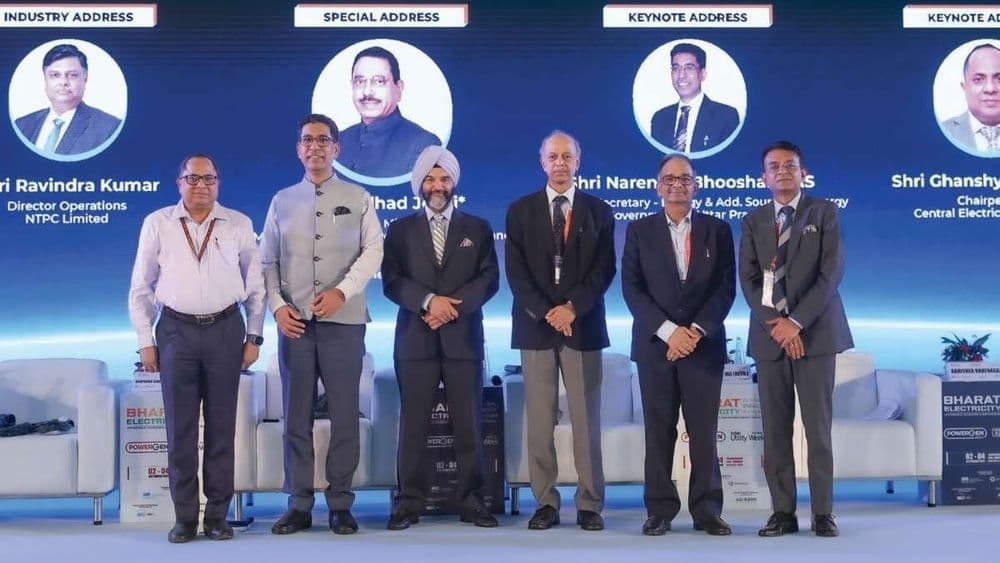
Having rapidly added gigawatts, India’s energy transition now prioritises reliability, flexibility and investment certainty, with Powergen India 2025 focusing on disciplined execution, market-aligned demand and resilient grids.
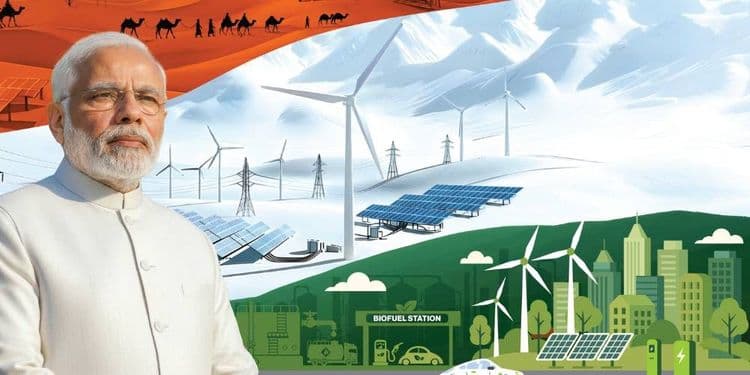
When Narendra Modi became Prime Minister in 2014, India’s energy sector was troubled by shortages and inefficiencies; a decade later, reforms have driven major progress towards clean energy leadership.
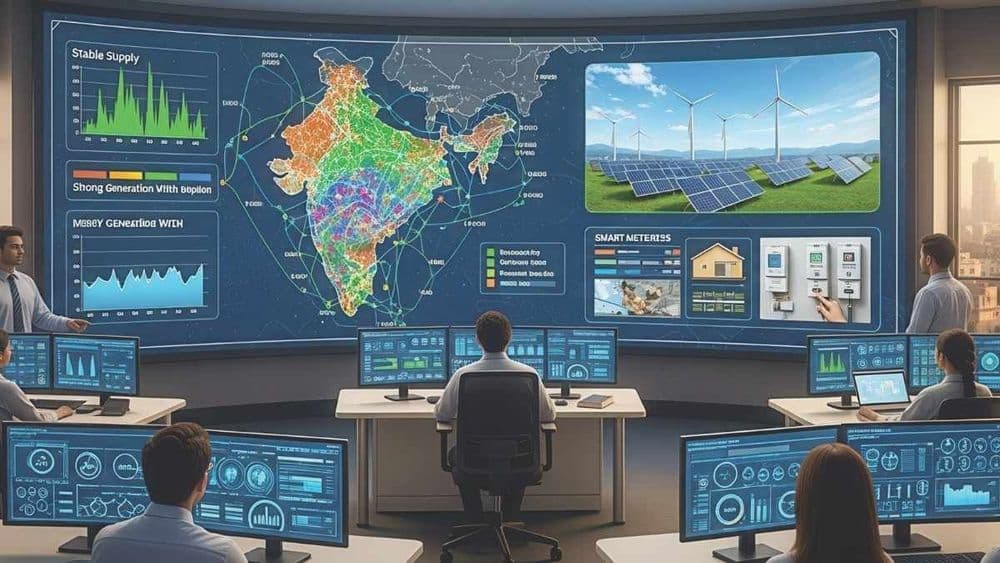
A consolidated set of official data presents the reported figures for production, processing, generation, and installations across multiple sectors in the energy landscape.