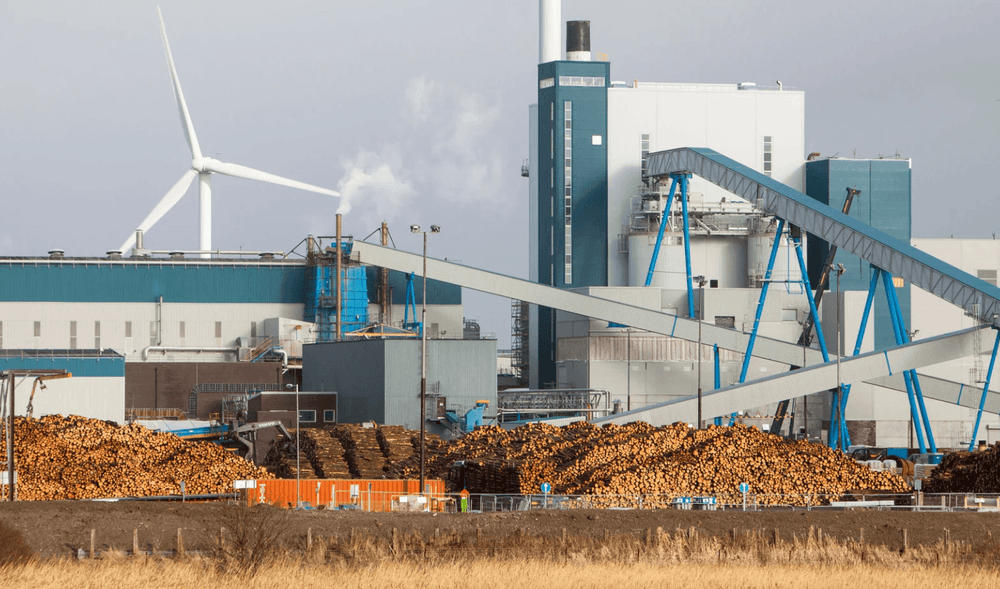
18 NOV 2026-E-Fuels
Biofuel Adoption can Strengthen India’s Energy Self-Reliance
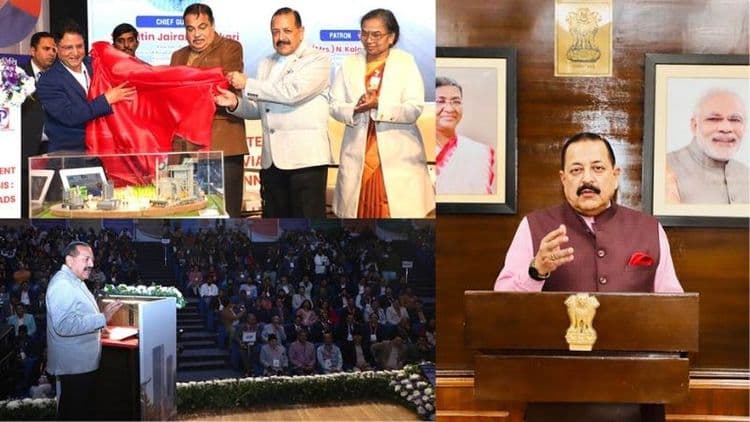
Union Minister Nitin Gadkari highlighted bioenergy’s role in curbing fossil fuel imports at 14th CII Bioenergy Summit in New Delhi.

All content tagged with “Waste-to-Energy” - 11 items
Union Minister Nitin Gadkari highlighted bioenergy’s role in curbing fossil fuel imports at 14th CII Bioenergy Summit in New Delhi.
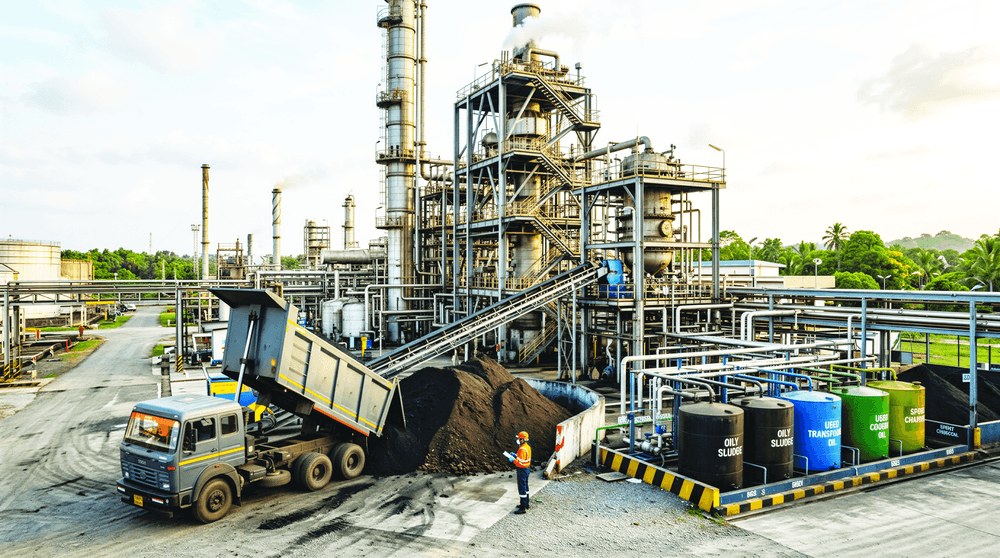
Kochi Refinery is using its existing Delayed Coking Unit to reprocess oily sludge, used transformer oil and used cooking oil, while blending spent charcoal with petroleum coke. The circular economy initiative reduces waste sent for conventional disposal and recovers valuable hydrocarbons and fuel value from difficult-to-manage waste streams.
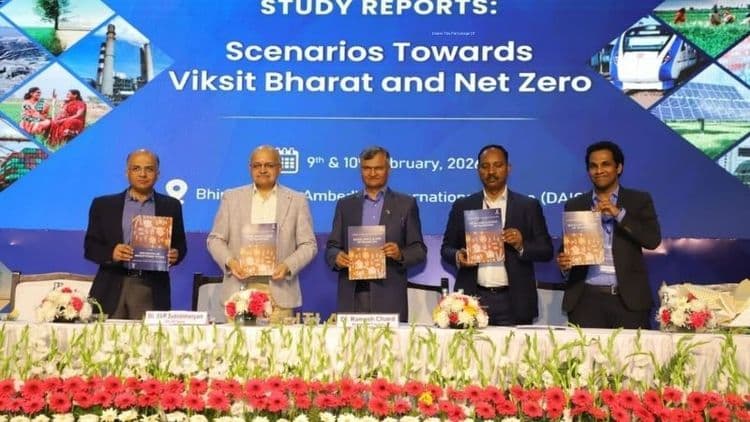
NITI Aayog reports identify electrification of energy, waste-to-energy, Bio CNG and efficient building design as decisive levers for achieving Net Zero by 2070.
CSIR institutes have developed an indigenous process to convert rice straw into bio-bitumen for road construction, enabling up to 30 percent substitution of petroleum bitumen.
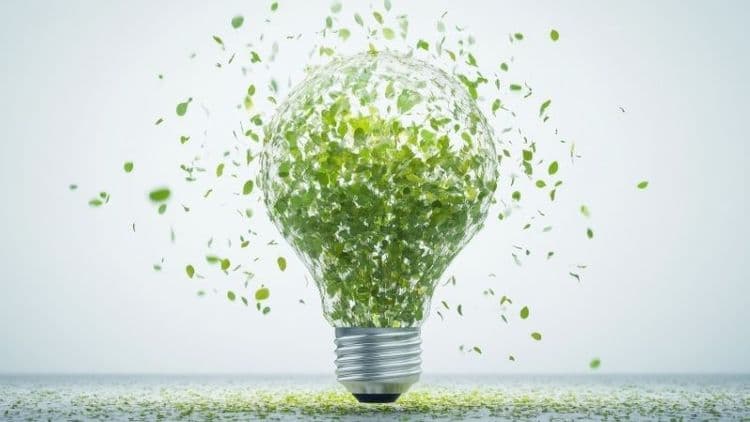
Discussions on Day 3 of India Energy Week 2026 focused on scaling bioenergy, integrating energy data and strengthening grid readiness, as policymakers and industry leaders outlined balanced pathways for India’s long-term energy security.
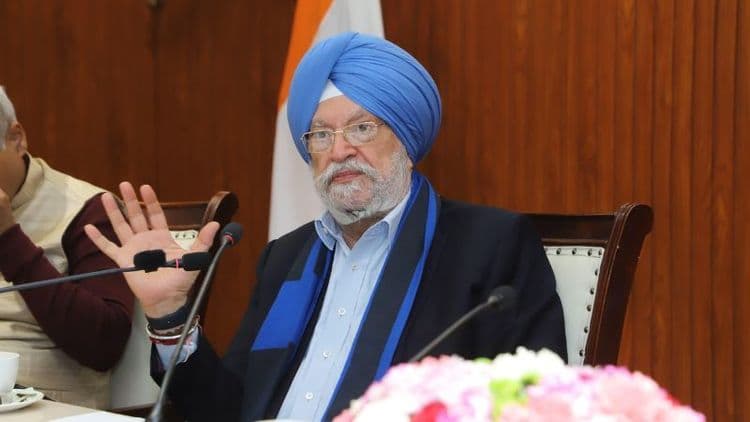
India Energy Week 2026 in Goa will bring global energy leaders together to discuss energy security, investment flows and scalable decarbonisation pathways, Petroleum Minister Hardeep Singh Puri said.
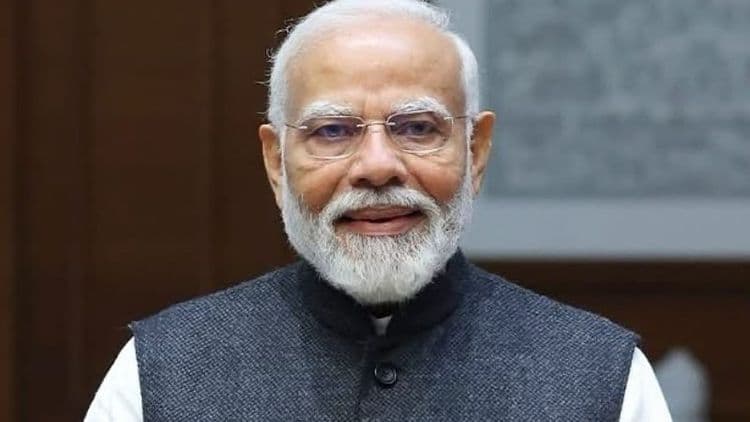
Prime Minister Narendra Modi will inaugurate India Energy Week 2026 in Goa virtually, with global ministers and industry leaders gathering to discuss energy security, investment and decarbonisation pathways.
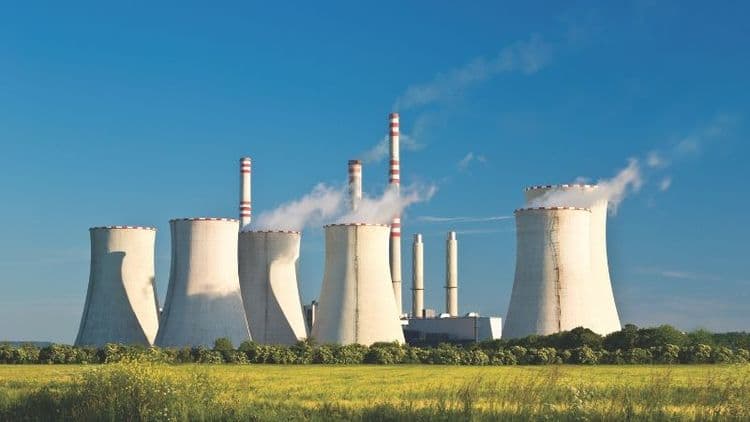
India has overhauled its nuclear framework through the SHANTI Bill, 2025, unlocking limited private participation and stronger regulation. With graded liability in place, the reform positions nuclear as a firm low-carbon pillar in India’s 100 GW by 2047 ambition.
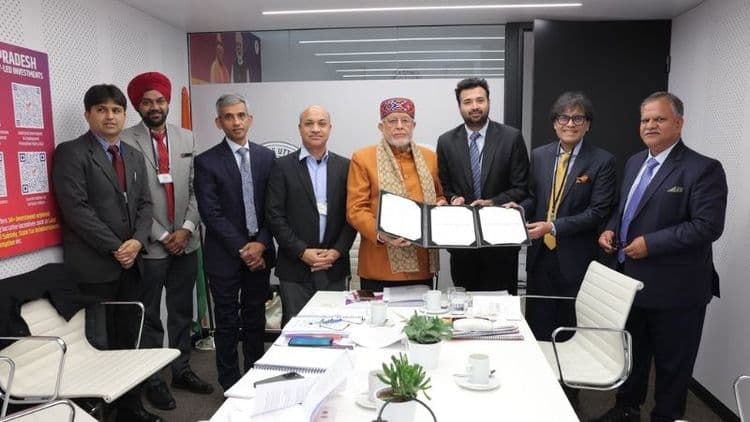
Uttar Pradesh signed clean energy MoUs worth over ₹8,800 crore at WEF Davos 2026 for waste-to-energy and compressed biogas projects to expand its circular energy economy.
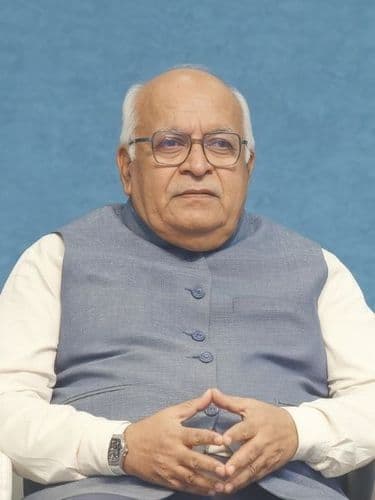
In an ENERGDIVE interview, Dr RK Malhotra outlines how India can build a competitive hydrogen ecosystem, stressing infrastructure-first execution, technology diversity, engineering integration and robust safety standards under the National Green Hydrogen Mission.
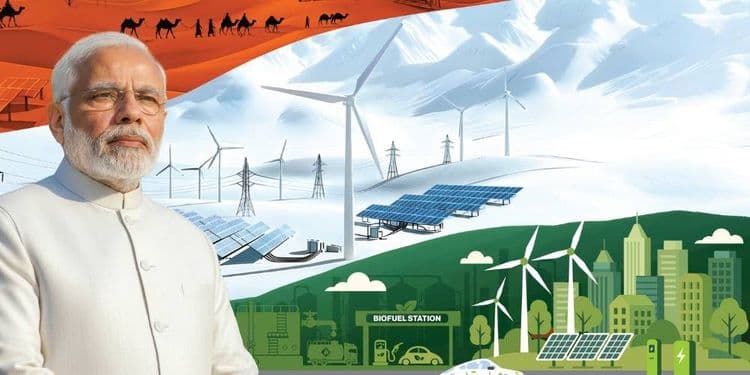
When Narendra Modi became Prime Minister in 2014, India’s energy sector was troubled by shortages and inefficiencies; a decade later, reforms have driven major progress towards clean energy leadership.